How to Dry a Tent After Camping | Easy and Effective Tips
You’ve just wrapped up an amazing camping trip, but now your tent is soaked and heavy. Packing it away wet might seem like the easiest option, but it can lead to mold, unpleasant smells, and damaged fabric.
So, how do you dry your tent quickly and properly to keep it fresh and ready for your next adventure? In this guide, you’ll learn simple, effective ways to dry your tent both outdoors and indoors. Follow these easy steps, and you’ll protect your gear, save money, and enjoy your camping trips even more.
Keep reading to discover the best drying tips that every camper should know!
Credit: www.battlbox.com
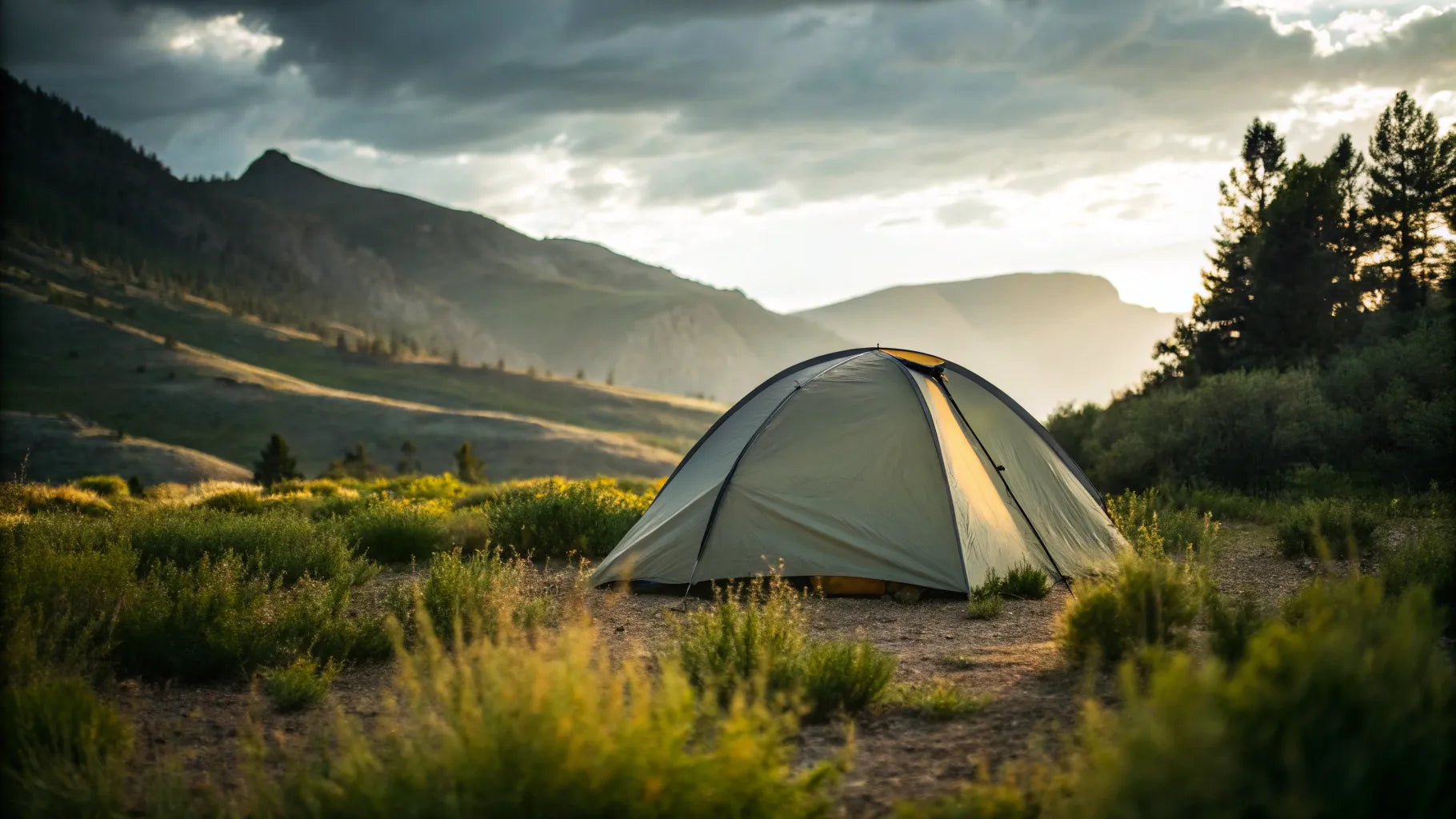
Outdoor Drying
Shake off as much water as you can before packing the tent. This helps stop mold and bad smells. Use waterproof bags to keep the wet tent from soaking other gear. Keep the tent separate from clothes and sleeping bags to protect them. Pack the tent loosely to avoid crushing it. Try to dry the tent as soon as possible after camping. Hang it up or spread it out in a dry, shaded spot at home. If outdoor drying is not possible, place it near a fan or dehumidifier indoors. Quick drying stops damage and keeps your tent fresh for next use.

Credit: www.stacked.camp
Indoor Drying
Remove the tent poles before storing your tent. Poles can press on the fabric and cause damage over time. Store them separately to keep your tent safe and lightweight.
Avoid exposing your tent to direct sunlight for long periods. Sunlight can weaken the fabric and cause colors to fade. Dry your tent in a shaded, breezy spot instead for better care.
Always check your tent for any tears, holes, or broken parts. Repair small damages quickly to prevent them from getting worse. Use a patch kit or strong tape for simple fixes.
Keep a regular cleaning routine. Remove dirt and dust after each trip. Clean your tent gently with mild soap and water. This helps maintain the fabric’s strength and keeps it fresh for the next adventure.
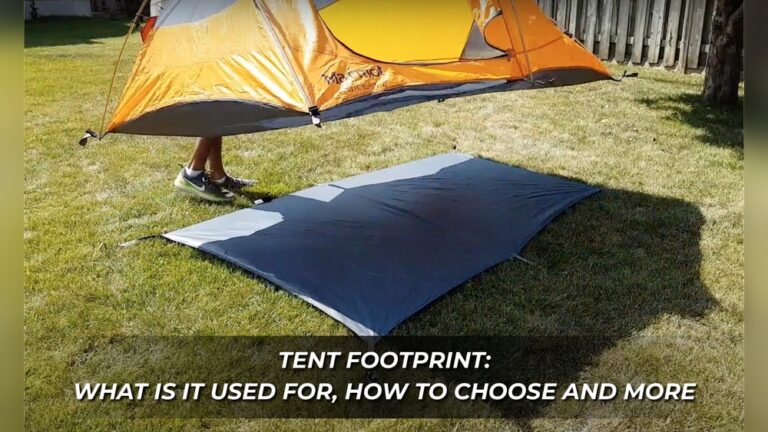
Drying Tips For Rainfly And Footprint
Absorbent towels work great to soak up water fast. Gently press towels on wet tent fabric. Avoid rubbing, which can damage material. Use multiple towels if needed to remove as much moisture as possible.
Set up your tent near heat sources like a heater or a warm vent. Keep some distance to avoid melting or burning. Warm air speeds up drying by helping water evaporate quickly. Make sure the area is safe and well-ventilated.
Try tent-specific drying tools such as tent fans or drying racks. These tools are designed to keep airflow steady around the tent. They help dry hard-to-reach areas and reduce drying time. Using these tools can save effort and prevent mold growth.
Credit: www.battlbox.com
Conclusion
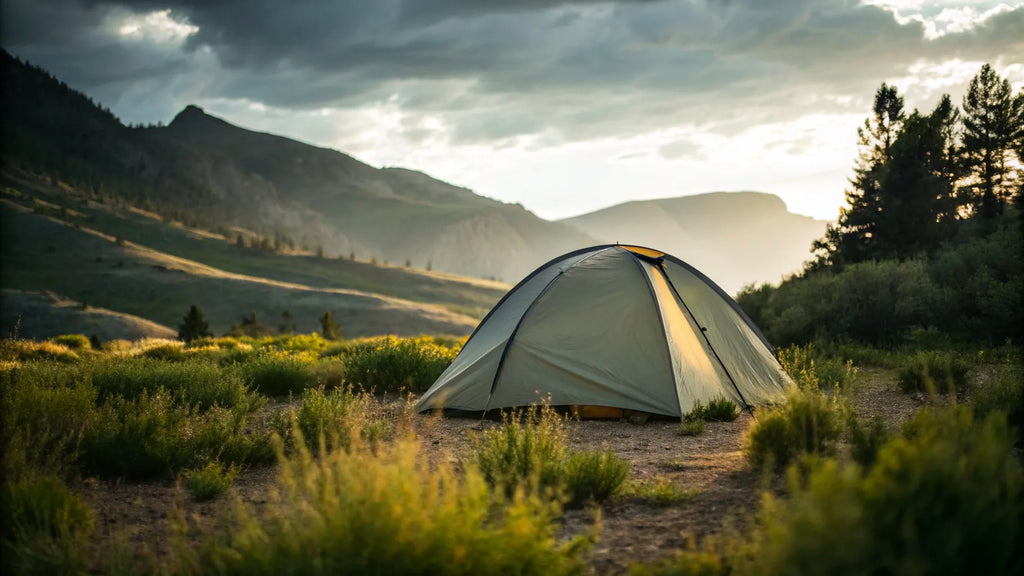
Drying your tent properly keeps it in good shape for future trips. Always hang it in a shaded, well-ventilated spot. Avoid packing it wet to stop mold and bad smells. Separate all parts like the rainfly and footprint to dry faster.
If outdoor drying isn’t possible, use a fan indoors to speed the process. Taking these simple steps protects your tent and makes camping more enjoyable next time. Stay prepared and enjoy every adventure with a fresh, dry tent.

I am an outdoor enthusiast and gear researcher passionate about camping, hiking, backpacking, and outdoor adventures. I enjoy testing gear, comparing products, and sharing practical advice to help readers make informed decisions. At BestOutsideGear, I create honest gear reviews, buying guides, and outdoor tips to help adventurers choose the right equipment with confidence.