How to Wash a Tent After Camping | Easy Cleaning Tips
You’ve just returned from an amazing camping trip, and your tent has been through sun, rain, dirt, and maybe even a few unexpected messes. Now, it’s time to take care of your tent so it’s ready for your next adventure.
But how do you wash a tent without damaging it or ruining its waterproof coating? If you’re wondering how to clean your tent safely and effectively, you’re in the right place. In this guide, you’ll learn simple, step-by-step tips to wash your tent properly, keep it fresh, and extend its life.
Keep reading, and discover how easy it is to give your tent the care it deserves!
Credit: www.rei.com
Signs Your Tent Needs Cleaning
Visible dirt and stains on your tent fabric show it needs cleaning. Dust, mud, and grass marks build up during camping trips. These spots can weaken the fabric if left too long.
Mold and mildew growth appear as dark or greenish patches. These happen when moisture stays trapped inside the tent. Mold can cause bad smells and damage the material.
Unpleasant odors mean your tent has absorbed sweat, food, or damp smells. These smells make camping uncomfortable and signal a good wash is needed.
Sticky or rough fabric feels different from normal. This happens when dirt mixes with moisture and dries on the tent. It can make packing and using the tent harder.

Credit: www.youtube.com
Gathering Cleaning Supplies
Start by removing all tent poles and accessories. This prevents damage and makes cleaning easier. Lay the tent flat on a clean surface.
Next, shake off loose dirt and debris. Gently tap or brush the tent to remove dust, leaves, and sand. This step helps avoid dirt getting trapped during washing.
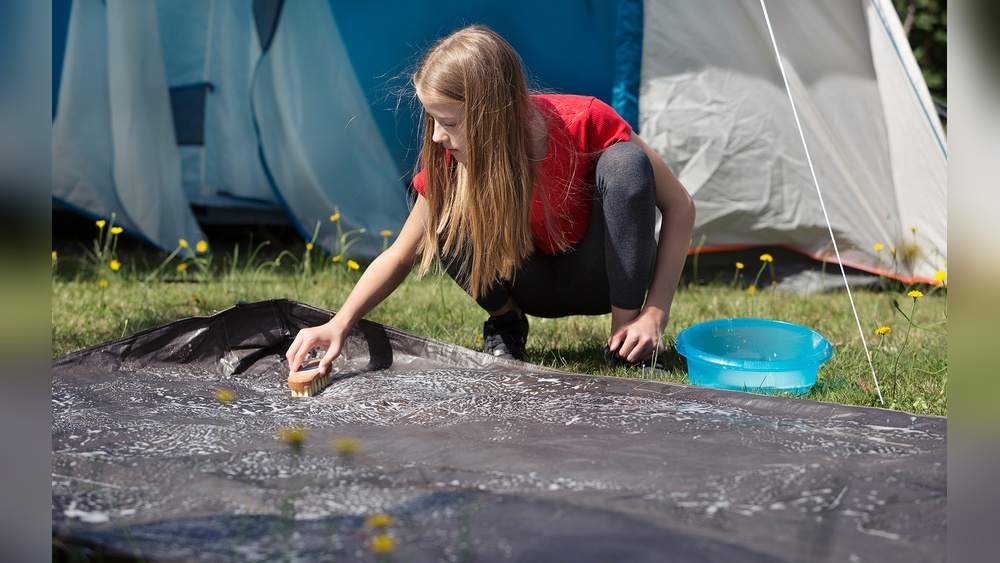
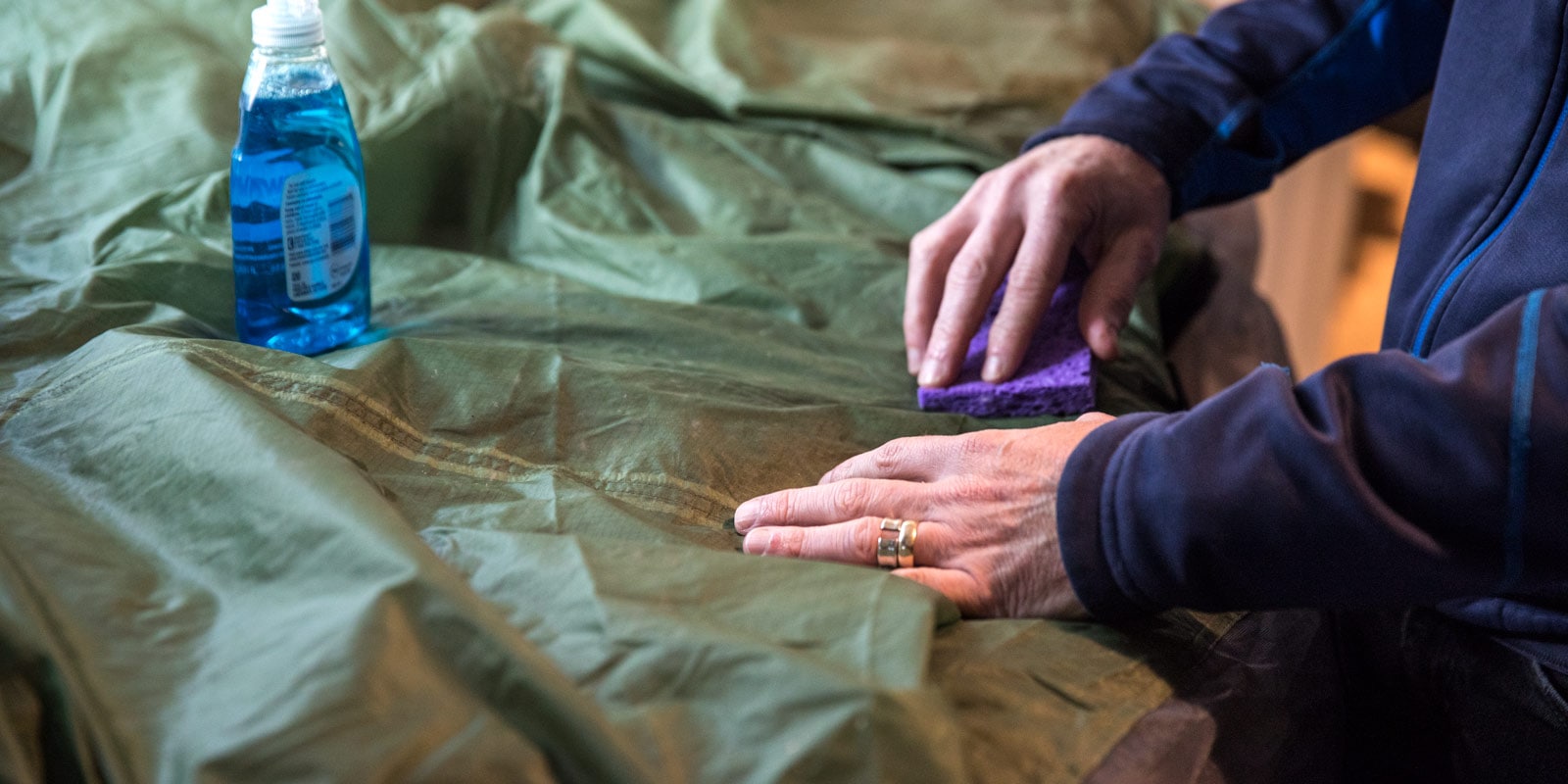
Use a soft cloth or sponge for spot cleaning stubborn areas. Apply mild soap mixed with water and gently scrub spots with stains or mud. Avoid harsh scrubbing to protect the fabric.
Focus on zippers, seams, and corners where dirt collects the most. Rinse the cleaned spots with plain water to remove soap residue.
Preparing The Tent For Washing
Fill a tub with lukewarm water. Too hot or cold water can harm the fabric. Use just enough water to cover the tent.
Add a small amount of mild soap. Avoid strong detergents or bleach. Gently stir the water to mix the soap well.
Use a soft sponge or cloth to scrub the tent. Focus on dirty spots but be gentle. Do not scrub hard to avoid tearing the fabric.
Rinse the tent thoroughly with clean water. Make sure all soap is removed to prevent damage. Repeat rinsing if needed to keep the tent clean.
Hand Washing Your Tent
After cleaning your tent, apply waterproof treatments to keep it dry. Use sprays or sealants made for tents. This helps stop water leaks during your next trip.
Store your tent in breathable bags instead of plastic ones. Bags made from cotton or mesh let air flow. This prevents mold and bad smells from forming inside.
Check your tent regularly for any rips, tears, or broken parts. Fix small holes with patches or tape right away. Repair poles or zippers to avoid bigger problems later.

Credit: www.appalachianoutfitters.com
Conclusion
Washing your tent after camping keeps it clean and ready for next use. Use mild soap and cold water to protect the fabric. Avoid harsh chemicals that can damage tent materials. Always let your tent dry completely before storing it away.
Proper care extends your tent’s life and performance. Clean tents also prevent mold and bad smells. Follow simple steps to keep your gear fresh and safe. Taking a little time now saves trouble later on your adventures.

I am an outdoor enthusiast and gear researcher passionate about camping, hiking, backpacking, and outdoor adventures. I enjoy testing gear, comparing products, and sharing practical advice to help readers make informed decisions. At BestOutsideGear, I create honest gear reviews, buying guides, and outdoor tips to help adventurers choose the right equipment with confidence.