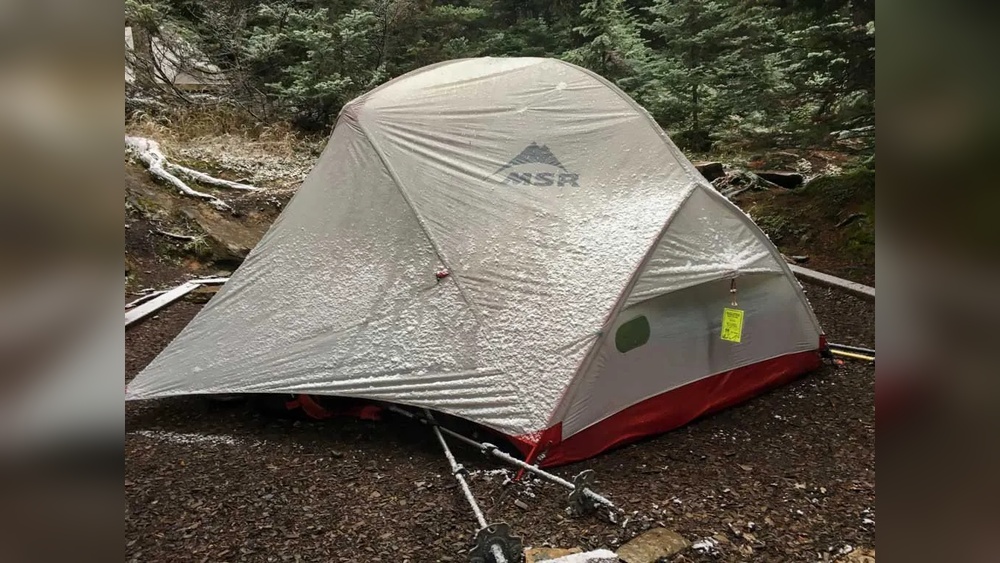
How to Keep Your Tent Safe While Camping
Camping is all about enjoying nature and making unforgettable memories. But what if your tent isn’t safe?
Imagine waking up to a collapsed tent, or worse, having your gear stolen while you’re asleep. You don’t want that to happen. Keeping your tent secure is crucial for your comfort and peace of mind. You’ll discover simple yet effective ways to protect your tent from weather, wildlife, and unwanted visitors.
By following these tips, you’ll sleep better and focus on the adventure ahead. Ready to learn how to keep your tent safe while camping? Let’s dive in!
Choose A Safe Campsite
Choosing a safe campsite is the first step to protect your tent during camping trips. The right spot reduces risks and keeps you comfortable. It helps avoid problems from wildlife, weather, and other campers. A good campsite makes your experience more secure and relaxing.
Avoid Isolated Areas
Pick a campsite near other campers or park facilities. Isolated spots may increase risks from wildlife or strangers. Staying close to others offers quick help if needed. Choose places with clear paths and good visibility. Avoid dense woods or hidden corners where it is hard to see around.
Check For Wildlife Activity
Look for signs of animals like tracks, droppings, or chewed plants. Avoid areas with fresh wildlife activity. Animals can damage your tent or cause danger at night. Stay away from animal trails and water sources where wildlife gathers. Keep food sealed and stored away from your tent to avoid attracting animals.
Consider Nearby Facilities
Camping near restrooms, water stations, or ranger posts adds safety. These facilities provide quick access to help and supplies. They also mean more people around, which lowers risks. Choose sites with easy access to emergency exits or roads. Good lighting near facilities improves security after dark.
Secure Tent Setup
Setting up your tent securely is vital for a safe and comfortable camping experience. A firm tent stands strong against wind, rain, and curious animals. Proper setup also prevents damage and keeps your gear dry. Focus on three key areas: positioning, staking, and anchoring.
Proper Tent Positioning
Choose flat ground free from rocks and sticks. Avoid low spots where water can collect during rain. Position the tent entrance away from the wind direction. This reduces cold air entering and helps keep the tent stable.
Clear debris under the tent to avoid punctures. Check for overhead branches that may fall. Positioning your tent well improves safety and comfort.
Use Strong Stakes And Guylines
Use stakes made of metal or heavy-duty plastic. Push them deep into the ground at a 45-degree angle for better hold. Attach guylines to tent loops and tighten them firmly.
Guylines provide extra support during strong winds. Check stakes and lines regularly to keep them tight. Replace any damaged stakes to maintain security.
Anchor Tent On Different Surfaces
On soft soil, push stakes fully in and test stability. For sandy areas, use longer stakes or sand anchors for extra grip. On rocky surfaces, use heavy rocks to weigh down tent corners.
Concrete or wooden platforms need special anchors or weights. Secure the tent by tying guylines to nearby trees or fixed objects. Adapting anchoring methods keeps your tent safe on all surfaces.
Protect Against Weather
Protecting your tent from weather is key to a safe camping trip. Weather can change fast. Rain, wind, or floods can damage your tent or make camping unsafe. Taking simple steps helps keep your tent dry and secure. It also keeps you comfortable inside. Follow these tips to guard your tent against weather problems.
Use Rainflies And Ground Tarps
Rainflies cover your tent like a shield. They stop rain from soaking your tent walls. Always set up the rainfly before rain starts. Make sure it fits well and covers all sides. Ground tarps go under your tent. They protect the tent floor from mud and water. Use a tarp slightly smaller than your tent base. This stops water from pooling under the tent. Both rainflies and tarps keep your tent dry and clean.
Reinforce Against High Winds
Strong winds can tear your tent or blow it away. Use extra stakes to secure all corners firmly. Tie guy lines to stable objects like trees or rocks. Check and tighten them often. Face the narrow end of the tent into the wind. This reduces wind pressure on the tent. Avoid loose or flapping fabric. Reinforcing your tent helps it stand strong in gusts.
Avoid Flood-prone Spots
Camping near water can be risky during rain. Low spots collect water fast and cause flooding. Look for flat, higher ground to pitch your tent. Avoid dry riverbeds or areas with poor drainage. Check the ground for signs of past flooding. Choosing safe spots keeps you and your gear dry. It also makes your camping trip safer and more pleasant.
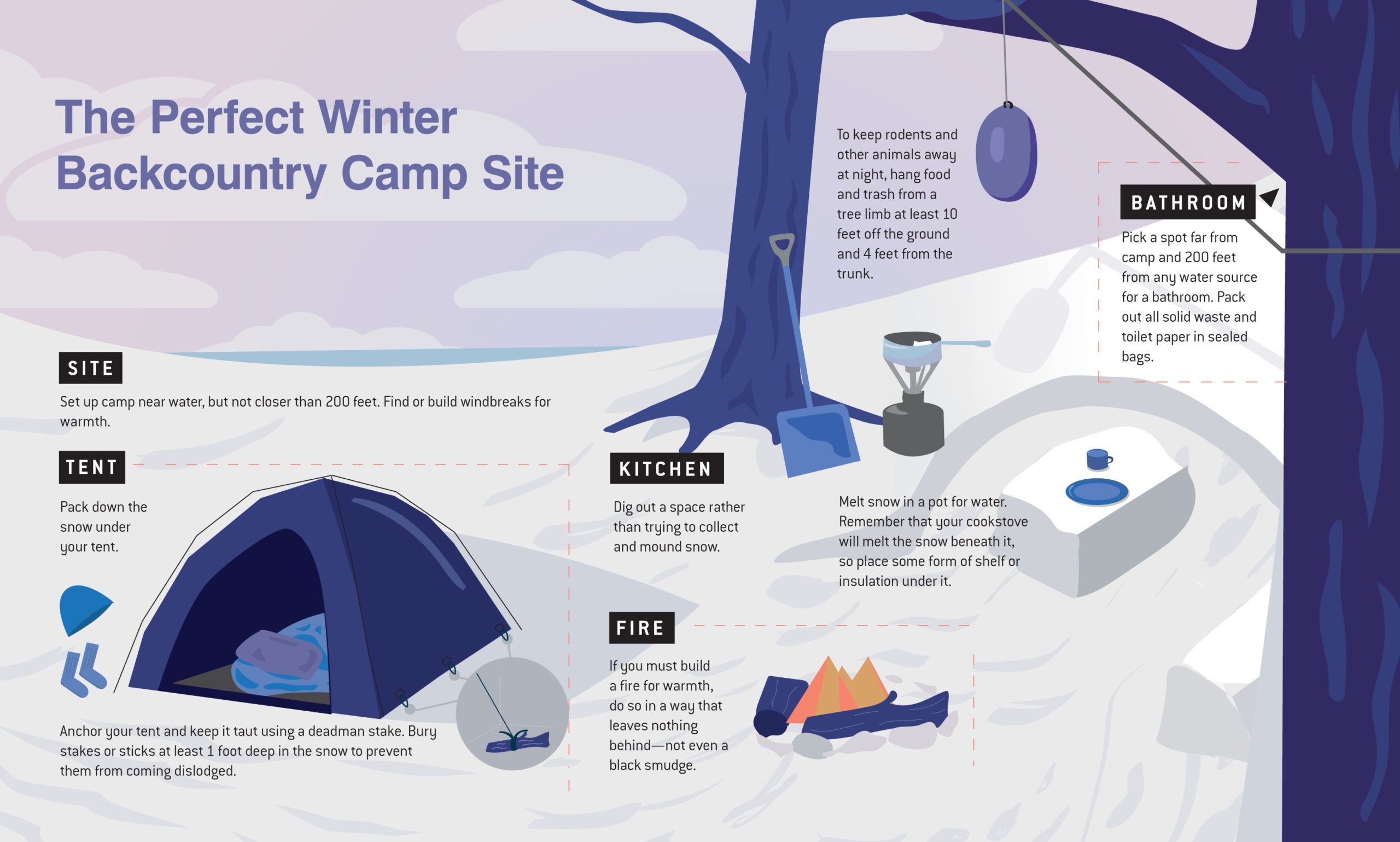
Credit: www.outdoors.org
Enhance Tent Security
Keeping your tent safe is key to a worry-free camping trip. Enhancing tent security helps protect your gear and privacy. Simple steps can make a big difference in preventing theft and unwanted visitors. Here are some effective ways to boost your tent’s safety.
Use Locks And Cable Ties
Use small locks on tent zippers to stop easy entry. Cable ties can secure zipper pulls tightly together. These tools act as a clear signal that your tent is protected. Though not foolproof, they add a layer of deterrence. Choose weather-resistant locks to withstand outdoor conditions.
Install Motion Sensor Lights
Place motion sensor lights near your tent entrance. These lights turn on automatically when movement is detected. Sudden light can scare off animals and strangers. Battery-powered lights are easy to install and carry. Bright lights also help you navigate safely at night.
Keep Valuables Hidden
Store valuables out of sight inside your tent or vehicle. Use small bags or containers to organize items discreetly. Avoid leaving electronics, wallets, or keys where they are visible. Hide items under sleeping bags or clothes for extra security. Less visible valuables reduce temptation for theft.
Prevent Accidents
Preventing accidents is key to keeping your tent safe while camping. Small mistakes can cause big problems. Taking simple steps can protect you and your gear. Focus on common risks around the tent and how to avoid them. Stay alert and prepared to enjoy a safe camping trip.
Avoid Tent Fires
Keep all flames far from your tent. Do not use candles or open flames inside. Use battery-powered lights instead. Build campfires at a safe distance, downwind from your tent. Never leave fires unattended. Have water or sand nearby to put out fires quickly. Check your cooking equipment for leaks before use. Prevent sparks from reaching your tent fabric.
Clear Sharp Objects Around Tent
Inspect the ground before setting up your tent. Remove sticks, rocks, and other sharp objects. These can tear your tent or cause injuries. Clear the area in a wide circle around your tent. Check inside the tent for sharp items you may have brought. Keep knives and tools stored safely. This reduces the risk of accidental cuts or tears.
Secure Tent Zippers And Openings
Close all zippers fully when you are inside or away. This keeps insects and animals out. It also prevents your tent from collapsing in wind. Use zipper locks or ties for extra security. Check for any holes or weak spots in the fabric. Repair damage before your trip or as soon as you notice it. A well-secured tent protects you and your belongings.

Credit: www.lifeintents.com
Nighttime Safety Measures
Nighttime brings unique challenges to keeping your tent safe. Darkness limits visibility and can hide potential hazards. Taking specific safety steps helps protect you and your gear while you sleep. Focus on lighting, listening, and preparing for wildlife to improve your safety at night.
Use Battery Lanterns Inside Tent
Battery lanterns provide steady light without fire risk. Place one in the center or near the tent entrance. This light helps you see inside without attracting insects. Avoid candles or open flames to reduce fire danger. A soft glow inside your tent also deters unwanted visitors.
Stay Alert To Surrounding Sounds
Nighttime sounds signal nearby animals or people. Listen carefully to footsteps, rustling leaves, or unfamiliar noises. Keep your ears tuned to changes in the environment. Staying alert helps you react quickly to any possible threat. Avoid using headphones or loud music while camping at night.
Prepare For Wildlife Encounters
Wild animals may approach your campsite looking for food. Store all food securely away from your tent. Use bear-proof containers or hang food from a tree. Keep your tent clean and avoid cooking near it. Know the wildlife common in your area and carry deterrents like noise makers or bear spray.
Maintain Personal Safety
Keeping your tent safe means more than protecting your gear. Personal safety is key to a worry-free camping trip. Taking simple steps can prevent many problems. Stay alert and prepared at all times. Your safety depends on good habits and smart choices.
Keep Communication Devices Accessible
Always keep your phone or radio within reach. Check battery levels before sleeping. A charged device helps in emergencies. Carry a portable charger for longer trips. Signal may be weak, so move to open areas if needed. Quick access to communication can save lives.
Inform Someone About Your Location
Tell a trusted friend or family where you camp. Share details like campsite name and nearby landmarks. Update them if you change spots. This helps rescuers find you fast if needed. Do not skip this step, even on short trips. It adds a layer of safety.
Follow Local Camping Regulations
Learn and respect rules set by park or forest services. These rules protect you and the environment. Avoid camping in restricted areas. Use designated fire pits and dispose of trash properly. Regulations often include wildlife warnings. Following them keeps you safe and helps nature.
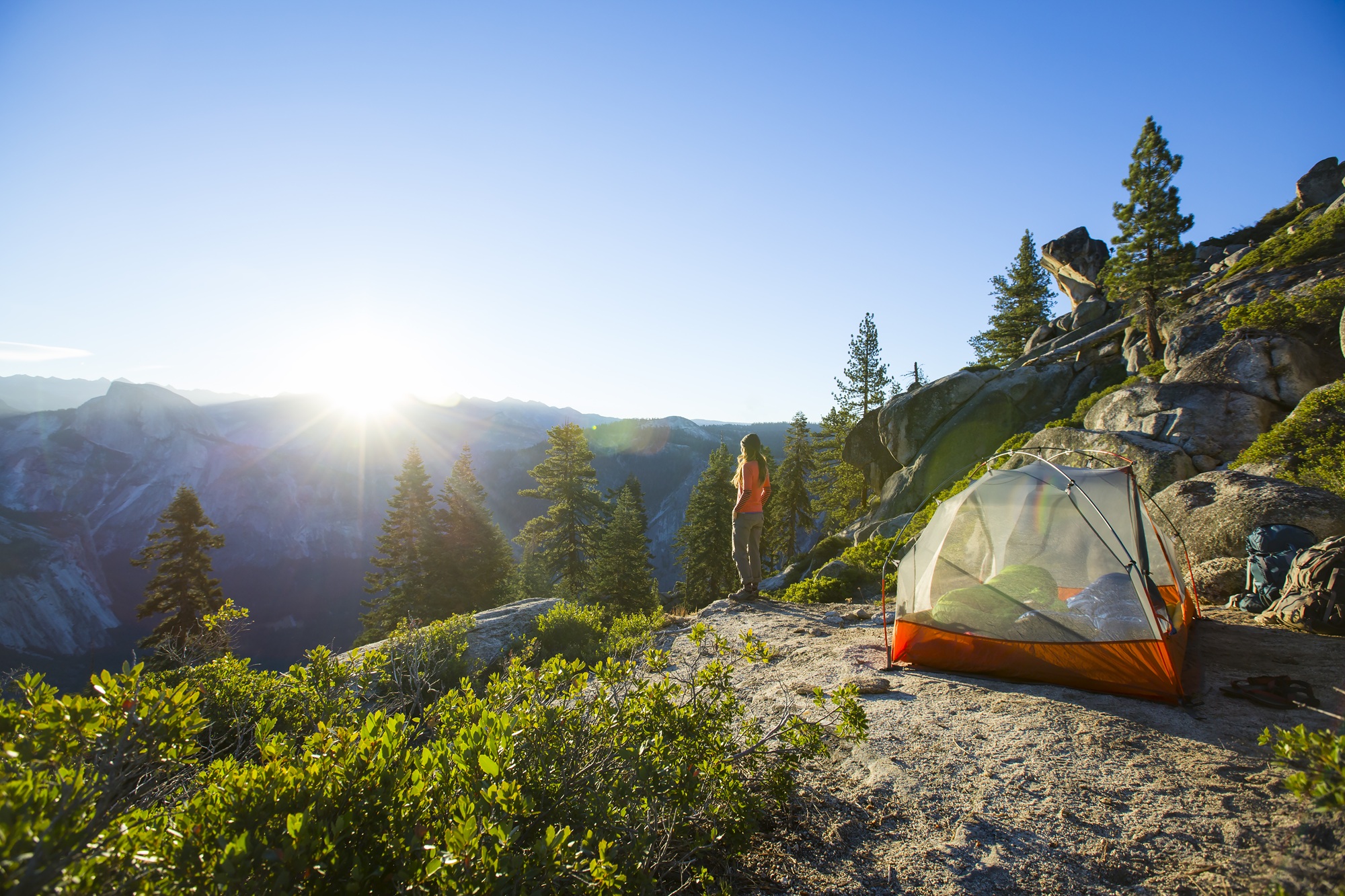
Credit: www.kqed.org
Conclusion
Keeping your tent safe protects you and your belongings during camping. Choose a good spot, away from hazards like fire or water. Secure your tent with stakes and ropes to prevent it from moving. Use locks or cable ties to keep others out.
Always keep a light near your tent to deter animals and strangers. Check the weather before camping and prepare for strong winds or rain. Staying alert and organized makes your camping trip safer and more enjoyable. A safe tent means peace of mind and a better outdoor experience.
I am an outdoor enthusiast and gear researcher passionate about camping, hiking, backpacking, and outdoor adventures. I enjoy testing gear, comparing products, and sharing practical advice to help readers make informed decisions. At BestOutsideGear, I create honest gear reviews, buying guides, and outdoor tips to help adventurers choose the right equipment with confidence.