Do You Want Water And Electricity When You Tent Camp?
Are you planning your next tent camping trip and wondering if you can have water and electricity at your site? You might be asking yourself, “Is it possible to enjoy the comforts of running water and electric hookups while still embracing the outdoor tent camping experience?” The good news is, you don’t have to choose between roughing it and convenience.
Many campgrounds now offer tent sites with water and electricity options, giving you the best of both worlds. Whether you want to keep your devices charged, cook with ease, or have fresh water on hand, knowing how to find and use these hookups can make your camping trip more comfortable and stress-free.
Keep reading to discover everything you need to know about having water and electricity when you tent camp—so your next adventure feels just right for you.

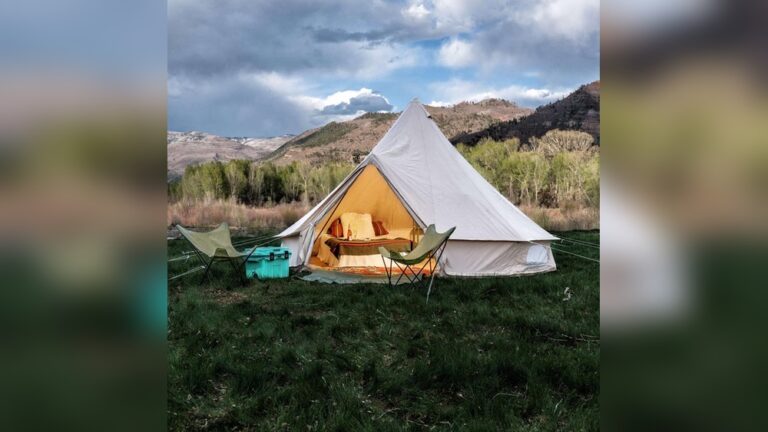
Credit: www.coreequipment.com
Choosing The Right Campsite
Choosing the right campsite can shape your entire tent camping experience. Some campers want basic spots surrounded by nature. Others prefer sites with extra comforts like water and electricity. Knowing what you need helps pick the perfect spot for your stay.
Electricity and water hookups can make camping easier and more enjoyable. They allow charging devices, running lights, and accessing fresh water. These features add convenience but may come at a higher cost. Your choice depends on how much comfort you want during your trip.
Electric And Water Hookup Availability
Many campgrounds offer sites with electric and water hookups. These are often near RV areas but can be found in some tent sections. Not all parks provide these hookups for tents, so check before booking. Some sites only have water or electricity, not both. Confirm the exact amenities to avoid surprises.
Differences Between Tent And Rv Sites
RV sites usually have full hookups, including sewer connections. Tent sites with hookups may lack sewer access but offer electric and water. RV sites are often larger and more level to fit vehicles. Tent sites focus on natural surroundings and space for tents. Choosing between them depends on your gear and comfort needs.
Booking Tips For Hookup Sites
Reserve early to secure a spot with hookups. These sites fill up faster, especially in popular parks. Use campground maps to identify hookup locations. Ask staff if tent sites with hookups are available. Read reviews to learn about site conditions and reliability of hookups.
Setting Up Water Access
Setting up water access is important for a comfortable tent camping trip. Clean water is needed for drinking, cooking, and cleaning. Planning how to get and store water helps avoid problems during your stay. This section explains easy ways to access water at camp.
Using Campground Water Sources
Many campgrounds provide water hookups or spigots near campsites. These sources are usually safe for drinking. Check with the campground staff about water availability and hours of use. Bring a hose or container to carry water to your tent site. Using these sources saves carrying heavy water bottles from far away.
Portable Water Storage Options
Bring portable water containers to store water at your site. Water jugs, collapsible bags, or large bottles work well. Choose containers with tight lids to prevent leaks. Store water in the shade to keep it cool. Having extra water on hand means you won’t run out during your trip. Refill containers from campground spigots as needed.
Water Safety And Filtration
Always ensure water is safe to drink. Use water filters or purification tablets if unsure about water quality. Boiling water for one minute also kills germs. Avoid drinking untreated water from rivers or lakes. Clean water prevents sickness and keeps you healthy while camping.
Arranging Electrical Power
Arranging electrical power at your tent campsite can make your trip more comfortable. It lets you charge devices, use small appliances, and have light after dark. Many campgrounds offer electric hookups, but you can also bring your own power source. Knowing your options helps you plan better and enjoy your outdoor stay.
Campground Electric Hookups Explained
Campgrounds often provide electric hookups for tents and RVs. These hookups deliver power through a pedestal near your site. They usually offer 20-amp or 30-amp service. Check the campground details before booking. Some sites have both water and electric connections. Others offer electric only or no hookups at all. Using these hookups is simple. Plug your extension cord into the pedestal, then connect it to your devices. Make sure your cords are rated for outdoor use.
Using Generators And Solar Panels
Generators are a common choice for off-grid power. Portable models are lightweight and easy to operate. They run on gasoline or propane. Generators provide steady power for charging and small appliances. Running them for a few hours a day can meet most needs. Solar panels are a quiet, eco-friendly alternative. They capture sunlight and convert it to electricity. Solar kits often include batteries to store power. Setup takes more time but requires no fuel. Both options let you camp where hookups are unavailable.
Electrical Safety Tips
Safety must come first when using electricity outdoors. Use only cords designed for outdoor use. Inspect cords and plugs for damage before use. Avoid overloading circuits by checking amp limits. Keep cords dry and off the ground to prevent shocks. Turn off and unplug devices when not in use. Never run cords under rugs or through doorways. Follow campground rules about generator use. These steps reduce risks and keep your campsite safe.
Essential Gear For Water And Electricity
Having water and electricity while tent camping makes your trip more comfortable. You can cook easily, keep your devices charged, and stay hydrated without hassle. Packing the right gear helps you enjoy these conveniences safely and smoothly.
Essential gear for water and electricity ensures you can connect to campsite utilities or use portable options. This gear includes items like hoses, adapters, containers, pumps, power banks, and lighting. Each item plays a key role in keeping your campsite functional and cozy.
Hoses, Adapters, And Extension Cords
Hoses allow you to connect your tent or camper to water sources. Choose durable hoses that resist kinks and leaks. Adapters help fit different types of faucets and water hookups found at campsites. Extension cords extend your reach to electrical outlets safely. Use cords rated for outdoor use to avoid hazards and power loss.
Water Containers And Pumps
Water containers store fresh water for drinking, cooking, and cleaning. Select containers with a secure lid to prevent spills. Pumps make it easier to transfer water from containers to your tent or camp kitchen. Manual or electric pumps both work well depending on your needs and power availability.
Portable Power Banks And Lighting
Power banks keep your phones and small devices charged during camping. Look for high-capacity models with multiple USB ports. Portable lighting, like LED lanterns and headlamps, lights your campsite at night. Choose energy-efficient lights for longer battery life and better visibility.
Managing Energy And Water Efficiently
Managing energy and water efficiently is key for a comfortable tent camping experience. It helps reduce waste and keeps your campsite running smoothly. Simple habits make a big difference in saving resources and avoiding problems. Careful planning and use of tools ensure you have enough power and water without overusing them.
Conserving Electricity In The Campsite
Use LED lights instead of bulbs that use more power. Turn off devices when not in use. Charge gadgets during the day to save battery life. Use solar chargers if you can. Avoid running high-power appliances like heaters or kettles for long periods. Keep cords and plugs dry to prevent shorts. This saves energy and keeps you safe.
Smart Water Usage Practices
Fill containers with water to avoid running taps. Use water only for drinking, cooking, and cleaning. Take short showers or skip them if needed. Use biodegradable soap to protect nature. Collect rainwater for washing dishes or hands. Fix leaks quickly to stop water waste. These steps help keep water available for everyone.
Maintaining Equipment During Camping
Check your electric and water hookups before use. Clean filters and connections regularly. Store cables and hoses properly to avoid damage. Use protective covers for plugs and sockets. Keep water tanks clean to avoid contamination. Regular care prevents breakdowns and keeps systems working well. This makes camping easier and safer.
Alternatives For Primitive Camping
Primitive camping offers a chance to connect deeply with nature. It means camping without the usual amenities like water and electricity hookups. Many campers seek ways to enjoy the wild while still having some comforts. Exploring alternatives helps keep the experience safe and enjoyable. These options fit those who want a simple and natural camping style without total discomfort.
Camping Without Hookups
Camping without hookups means no direct water or electric supply at your site. Many parks offer spots like this for true outdoor lovers. You rely on what you bring, making preparation key. Portable water containers and battery-powered lights become your best friends. This style encourages self-reliance and reduces dependence on technology. It also lets you experience nature in its purest form.
Planning For Off-grid Water And Power
Carry enough water for drinking, cooking, and cleaning. Use lightweight containers that are easy to handle. Consider water purification tablets or filters if you find natural sources. For power, solar chargers and power banks work well. They recharge phones, lights, and small devices. A hand-crank flashlight or lantern offers light without batteries. Planning saves you from surprises and keeps your camping smooth.
Minimalist Tent Camping Setup
Keep your gear simple and light. Choose a tent that is easy to set up and weatherproof. Bring only essential cooking tools and utensils. A small stove with fuel is enough for meals. Use rechargeable LED lights for nighttime. Pack clothes for changing weather conditions. Minimal gear reduces weight and hassle. It helps you focus on the joy of camping and nature’s beauty.
Common Mistakes And How To Avoid Them
Tent camping with water and electricity hookups can make your trip more comfortable. Avoid common mistakes to enjoy your stay fully. Knowing what to watch out for helps prevent problems and keeps your camping smooth.
Forgetting Essential Hookup Accessories
Many campers forget key items for water and electric hookups. Bring the right hoses, adapters, and cords for your site. Without them, you may not connect properly. Check your gear list before leaving. Pack extra washers and a water pressure regulator to protect your equipment.
Misunderstanding Campsite Rules
Each campground has specific rules about using water and electricity. Some sites limit power usage or water hours. Read the rules carefully to avoid fines or disconnections. Ask the ranger if you are unsure about any policy. Respecting rules keeps the site safe and fair for everyone.
Overloading Electrical Circuits
Plugging in too many devices can overload the campsite circuit. This can trip breakers and cut your power. Use only necessary electronics and spread out your usage. Bring a surge protector to guard your appliances. Knowing your limits helps avoid outages and keeps your gear safe.
Credit: www.coreequipment.com
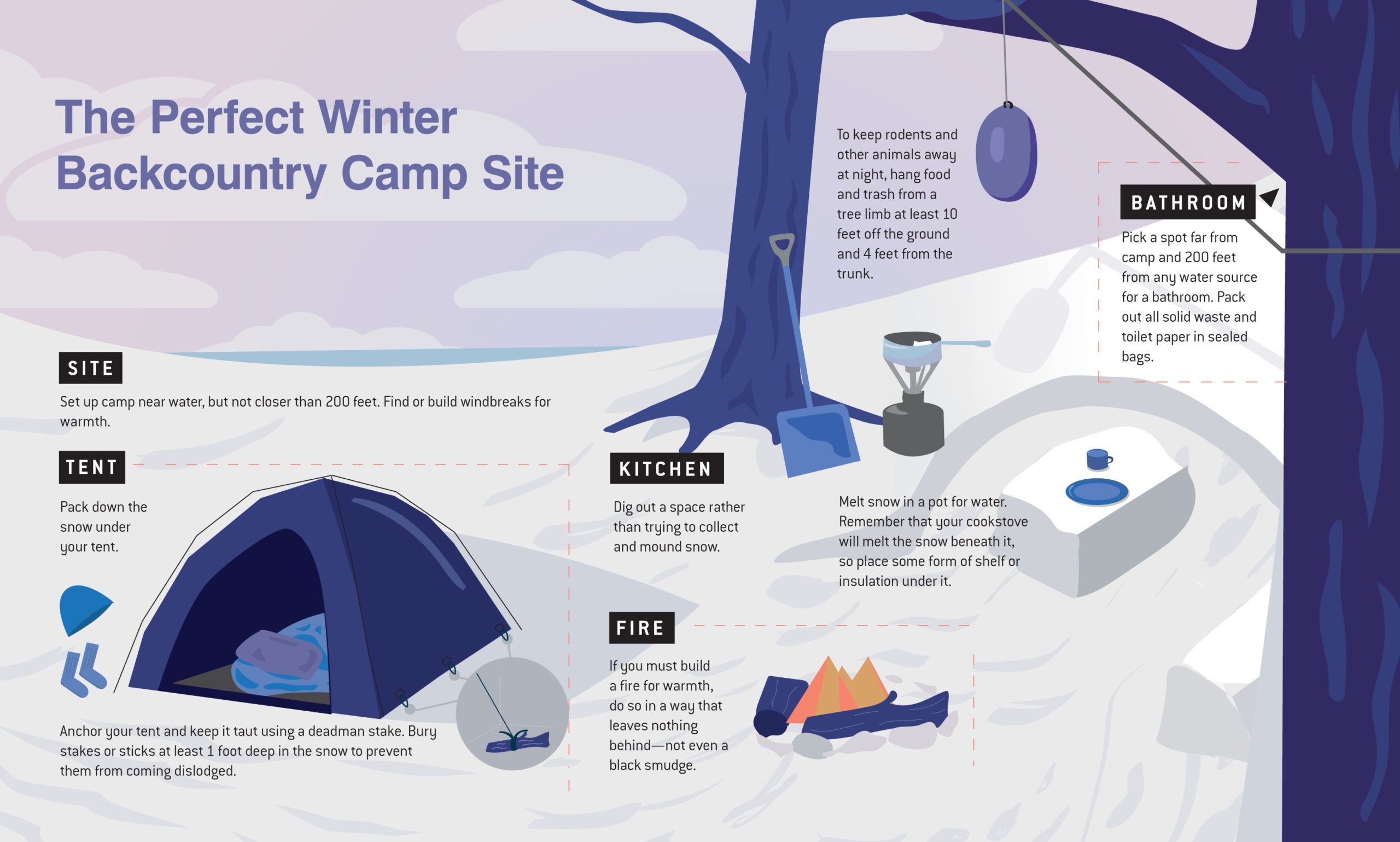
Credit: www.outdoors.org
Conclusion
Choosing water and electricity while tent camping depends on your comfort needs. Some campgrounds offer sites with both utilities. These make cooking, cleaning, and charging devices easier. Others prefer the rustic feel of no hookups. It saves money and brings you closer to nature.
Think about your gear and how long you’ll stay. Plan ahead to enjoy a safe and fun trip. Simple decisions can improve your camping experience a lot.

I am an outdoor enthusiast and gear researcher passionate about camping, hiking, backpacking, and outdoor adventures. I enjoy testing gear, comparing products, and sharing practical advice to help readers make informed decisions. At BestOutsideGear, I create honest gear reviews, buying guides, and outdoor tips to help adventurers choose the right equipment with confidence.