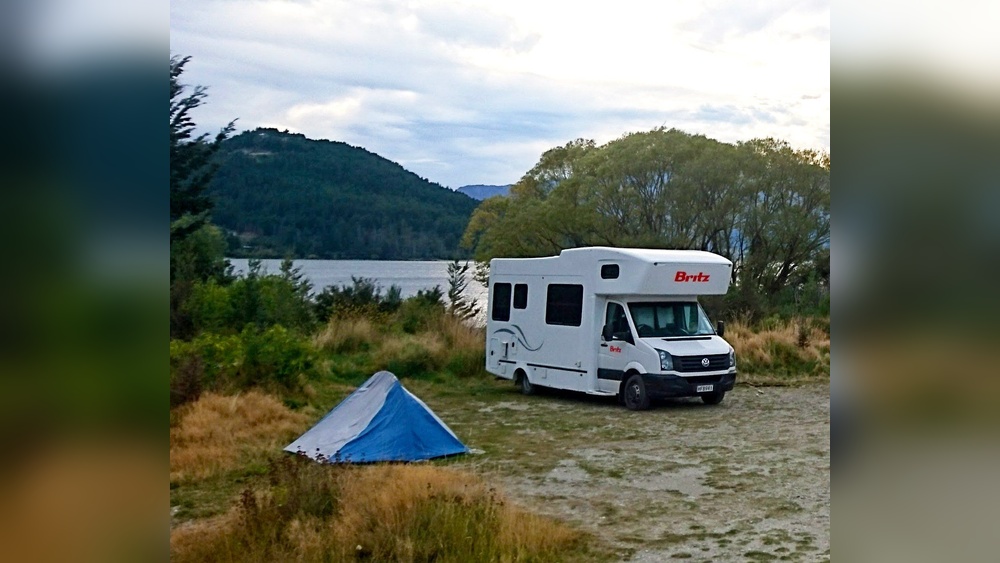
What is a Pup Tent Camping: Beginner’s Guide to Adventure
Camping is a way to escape everyday life and enjoy the outdoors. Many campers want a simple, lightweight shelter. This is where the pup tent comes in. Pup tent camping is about using a small, basic tent that offers quick setup and easy transport. It’s popular among beginners, solo campers, and people who want a minimal camping experience.
Let’s explore everything you need to know about pup tent camping. You’ll learn what a pup tent is, how it compares to other tents, and what makes it special. You’ll also get practical advice for choosing, setting up, and enjoying pup tent camping.
What Is A Pup Tent?
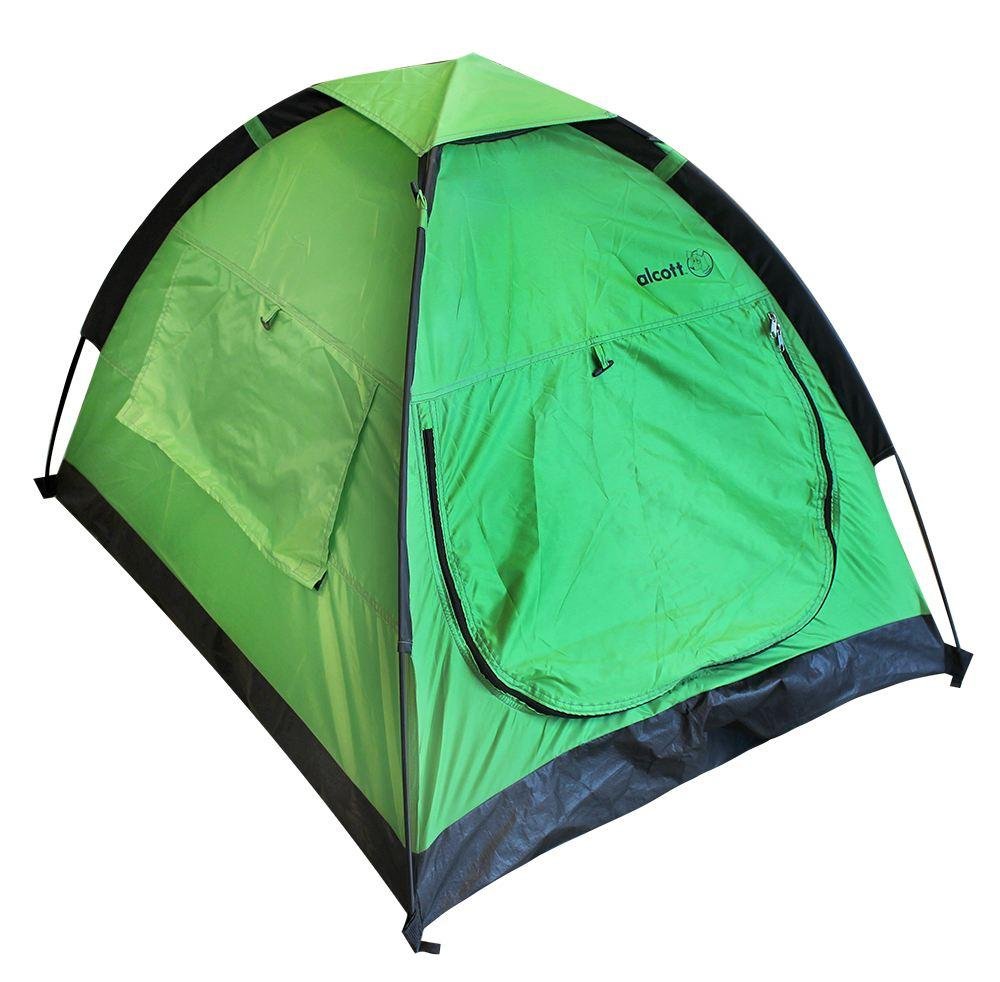
A pup tent is a small, A-frame tent designed for two people or one person with gear. The name “pup tent” comes from the military, where these tents were used as basic shelters for soldiers. Pup tents are simple, usually made with canvas or lightweight nylon. They have two upright poles at each end and a cross pole along the top. The tent fabric is stretched over the frame and secured with stakes.
Most pup tents do not have a built-in floor. Some modern versions add a floor for comfort and protection. The traditional pup tent shape looks like a triangle from the side. It is low to the ground and offers just enough space to sleep and store a few items.
Key Features Of Pup Tents
Pup tents are known for their simplicity and light weight. Here are the main features:
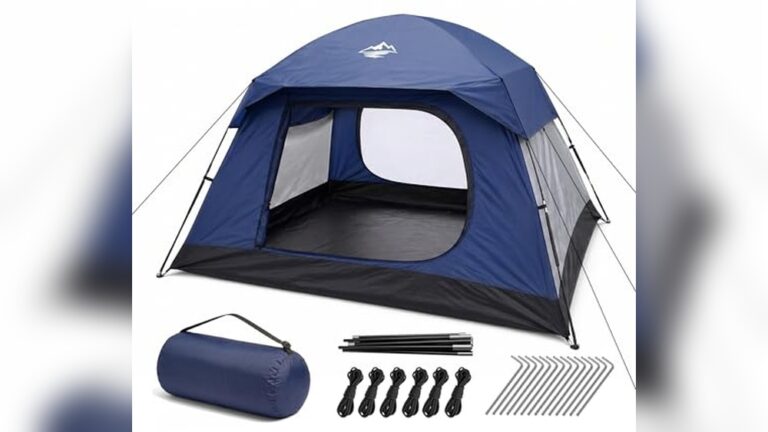
- Size: Usually fits one or two people, but space is tight.
- Shape: A-frame design, low profile, triangular sides.
- Setup: Quick and easy, often takes less than 10 minutes.
- Materials: Canvas (classic) or nylon/polyester (modern).
- Portability: Very light, often under 4 pounds (1.8 kg).
- Ventilation: Basic, with openings at both ends.
Some pup tents come with small flaps or windows for airflow. The design keeps things simple, which is ideal for short trips or minimalist campers.
Pup Tent Vs. Other Tent Types
To understand pup tents better, it helps to compare them with other popular tent styles. Here’s a quick overview:
| Tent Type | Capacity | Weight (avg.) | Setup Time | Weather Protection |
|---|---|---|---|---|
| Pup Tent | 1-2 people | 2-4 lbs | 5-10 min | Basic |
| Dome Tent | 2-6 people | 5-10 lbs | 10-15 min | Moderate |
| Cabin Tent | 4-10 people | 15-25 lbs | 20-30 min | High |
| Backpacking Tent | 1-2 people | 2-4 lbs | 8-12 min | Moderate-High |
Pup tents are the lightest and quickest to set up. Their weather protection is basic, so they are best for mild conditions.
Why Choose Pup Tent Camping?
Pup tent camping is not for everyone. It attracts campers who value simplicity, speed, and portability. Here are some reasons people choose pup tents:
- Low Weight: Pup tents are easy to carry, even for long hikes.
- Quick Setup: You can pitch a pup tent in minutes, even with little experience.
- Minimal Gear: Pup tents need fewer accessories, making packing easier.
- Affordability: Most pup tents cost less than larger or modern tents.
- Retro Appeal: Some campers like the old-school look and feel.
If you want a basic shelter that lets you focus on the outdoors, a pup tent is a smart choice.

Credit: dutchwaregear.com
How To Choose A Pup Tent
Choosing the right pup tent depends on your needs and trip details. Here are important factors to consider:
Size And Capacity
Classic pup tents are small. If you are camping alone, a one-person tent is fine. For two people, check the tent’s width and length. Some tents are only 4 feet wide (1. 2 m), so sleeping space is tight.
Material
Canvas pup tents are durable and offer good wind protection. Nylon or polyester tents are lighter and resist water better. Canvas is heavier, but lasts longer. Modern materials are easier to clean and dry.
Weight
If you are hiking, every pound matters. Look for a tent under 3 pounds (1. 4 kg) if possible. Heavier tents work for car camping.
Weather Resistance
Pup tents are best for dry, mild weather. Some newer models offer waterproof coatings or floors, which help during rain. Always check for seam sealing and ventilation features.
Setup
Look for tents with simple pole systems and clear instructions. Some tents come with color-coded poles to make setup faster.
Price
Most pup tents cost between $40 and $120. Military surplus tents may be cheaper but heavier. Lightweight, modern pup tents can be more expensive due to advanced materials.
Example: Popular Pup Tent Models
| Model | Material | Weight | Price (USD) |
|---|---|---|---|
| ALPS Mountaineering Lynx | Polyester | 3.2 lbs | 89 |
| USMC Military Pup Tent | Canvas | 5.0 lbs | 55 |
| Snugpak Ionosphere | Nylon | 3.5 lbs | 120 |
Setting Up A Pup Tent
Setting up a pup tent is straightforward. Here’s how to do it:
- Find Flat Ground: Look for a dry, flat spot free of rocks and roots.
- Lay Out the Tent: Spread the tent fabric on the ground.
- Assemble Poles: Connect the poles and place them upright at each end.
- Attach Tent: Drape the tent fabric over the poles.
- Stake Down: Use stakes to secure each corner. Tighten the tent for a smooth surface.
- Add Rain Cover: If your tent comes with a rain fly, add it last.
Many beginners forget to check for sharp objects under the tent. This can damage the fabric and make sleeping uncomfortable. Always clear the area before setup.
Credit: dutchwaregear.com
Pup Tent Camping Tips
Pup tent camping is simple, but a few tips help you enjoy it more:
- Bring a Groundsheet: Many pup tents lack a floor. A groundsheet keeps you dry and protects the tent.
- Pack Light: Pup tents are small, so only take essentials.
- Check Weather: Avoid heavy rain or strong winds. Pup tents perform best in fair weather.
- Ventilate: Open both ends for airflow, especially in warm conditions.
- Practice Setup: Try pitching your tent at home before your trip.
One insight many beginners miss: pup tents don’t offer much space for gear. If you have a large backpack or extra items, store them outside or under a tarp.
Pup Tent Camping For Beginners
If you are new to camping, a pup tent is a great way to start. It teaches you the basics of shelter, packing, and outdoor sleeping. Here are some beginner mistakes to avoid:
- Pitching on uneven ground: Always check your spot before setup.
- Forgetting rain protection: Even if it looks clear, bring a rain fly or tarp.
- Packing too much: Pup tents are tight. Only bring what you need.
It’s also important to check local camping rules. Some parks require tents with floors, especially in protected areas. Always follow guidelines to protect nature and stay safe.
Pup Tent Camping And The Environment
Pup tents help campers leave a smaller footprint. Their size means less impact on the land. You can set up a pup tent without clearing a large area. Most pup tents use fewer materials, which is better for the environment.
When camping, follow Leave No Trace principles:
- Pack out all trash.
- Avoid damaging plants and trees.
- Use established campsites if possible.
Pup tents make it easier to camp responsibly. Their simplicity encourages a closer connection with nature.
Pup Tent Camping In History
Pup tents have a long history. They were first used by soldiers in the 1800s. The US Army issued pup tents in the Civil War, and they remained common for decades. Soldiers could carry their half of the tent and combine it with a partner’s for a full shelter.
Over time, campers and hikers adopted pup tents for their light weight and easy setup. Today, you’ll see pup tents at scout camps, hiking trips, and minimalist camping adventures.
Pup Tent Camping For Different Activities
Pup tents fit many outdoor activities:
- Backpacking: Ultra-lightweight pup tents are perfect for solo hikers.
- Scouting: Scouts use pup tents to learn basic camping skills.
- Military Reenactments: Pup tents are used for historical accuracy.
- Fishing Trips: Anglers use pup tents for overnight stays near lakes and rivers.
- Survival Camping: Pup tents work for emergency shelter or bushcraft.
Many campers enjoy pup tents for short trips or spontaneous adventures. If you want a fast, low-stress camping option, a pup tent is a good fit.
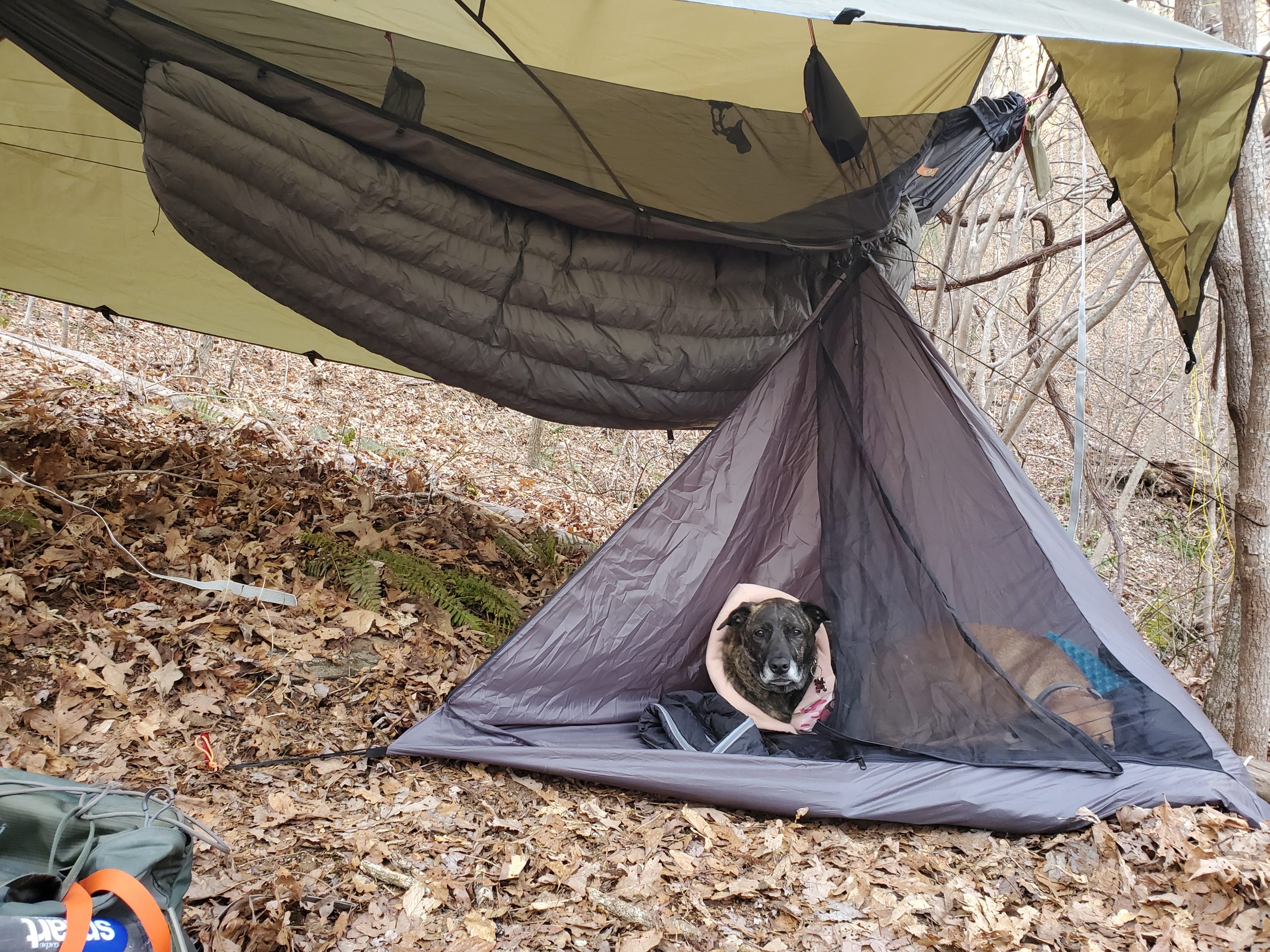
Pup Tent Camping Vs. Hammock Camping
Some campers ask whether pup tents or hammocks are better. Here’s a comparison:
| Feature | Pup Tent | Hammock |
|---|---|---|
| Shelter Type | Ground | Suspended |
| Setup | Requires flat ground | Requires trees or supports |
| Weather Protection | Basic | Good with tarp |
| Comfort | Depends on ground | Depends on trees |
| Weight | 2-4 lbs | 1-3 lbs |
Hammocks are lighter, but only work where trees are available. Pup tents are more versatile on open ground.
Pup Tent Camping: Real-life Example
Sarah, a college student, went on her first solo camping trip with a pup tent. She chose a lightweight nylon tent and packed only essential gear. The setup took less than 10 minutes. With a groundsheet and small rain fly, she stayed dry even during a light shower.
Sarah enjoyed the simplicity of pup tent camping and found it easy to focus on the scenery and wildlife.
This kind of experience is common for pup tent campers. The tent becomes a simple shelter—not a distraction from nature.
Final Thoughts On Pup Tent Camping
Pup tent camping is about enjoying the outdoors with a simple shelter. Pup tents are light, easy to set up, and affordable. They work best for solo campers, hikers, and anyone who wants a basic camping experience. By focusing on essentials, pup tent camping encourages you to connect with nature and learn basic outdoor skills.
If you want to try pup tent camping, start with a short trip in mild weather. Practice setting up your tent and packing light. Remember to respect nature and follow local rules. Pup tent camping is a great way to enjoy the outdoors with less hassle and more freedom.
For more information on tent types and camping history, you can visit Wikipedia.
Whether you’re a beginner or an experienced camper, pup tent camping offers a unique way to explore the world outside.
Credit: www.amazon.com

I am an outdoor enthusiast and gear researcher passionate about camping, hiking, backpacking, and outdoor adventures. I enjoy testing gear, comparing products, and sharing practical advice to help readers make informed decisions. At BestOutsideGear, I create honest gear reviews, buying guides, and outdoor tips to help adventurers choose the right equipment with confidence.