Desert Camping Tent Ideas: Ultimate Guide for Your Next Adventure
Desert Camping Tent Ideas
Camping in the desert is a unique adventure. The vast open spaces, clear skies, and dramatic landscapes create unforgettable memories. But the desert has harsh conditions — extreme heat, cold nights, strong winds, and sand everywhere. Choosing the right tent and setup is key to enjoying your trip and staying safe.
In this guide, you’ll discover practical ideas for desert camping tents, with examples, tips, and clear comparisons to help you make the best choice.
Understanding Desert Conditions
Before picking a tent, it’s important to know what makes desert camping different from other environments. Deserts are unpredictable. Temperatures can go above 100°F during the day and drop below 40°F at night. Wind gusts can reach 30–50 mph, and sandstorms happen suddenly.
Rain is rare, but flash floods are possible.
Key challenges include:
- Extreme temperature swings: Hot days, cold nights
- Wind and sand: Strong gusts, blowing sand, sand dunes shifting
- Limited shade: No trees or cover
- Dry air: Low humidity, risk of dehydration
Your tent must handle these conditions without failing. Many beginners focus only on ventilation or sun protection but forget about wind resistance or sandproofing. Even experienced campers sometimes overlook how quickly the desert can change.
Essential Features For Desert Camping Tents
Not every tent is suitable for the desert. Here are the most important features to look for:
1. Sturdy Frame And Shape
Choose tents with strong poles (aluminum is best) and a low, aerodynamic shape. Dome or geodesic designs are more stable than cabin-style tents in high winds.
2. Good Ventilation
Heat builds up quickly. Mesh panels, large windows, and vents allow airflow. But make sure the mesh is fine enough to block sand.
3. Sandproof Design
Look for tents with full-coverage rainflies and zippered doors. Skirts around the base help keep sand out. Avoid tents with gaps or open edges.
4. Uv Protection
Desert sunlight is intense. Materials with UV-resistant coatings help prevent damage and keep your tent cooler.
5. Easy Setup And Breakdown
Simple designs are easier to pitch in windy or sandy conditions. Fewer parts and quick-clip poles are ideal.
6. Anchoring Options
Standard stakes don’t work well in sand. Look for tents with sand stakes, guy lines, or built-in anchor points.
7. Space And Comfort
You’ll need room for gear, shade, and sleeping. Many campers want a vestibule or awning for extra shade.
Some campers ignore wind resistance and focus only on size. But a large tent can collapse in a desert storm. The best desert tents balance stability and comfort.
Types Of Desert Camping Tents
There are several tent styles suitable for desert camping. Each has strengths and weaknesses.
Dome Tents
Dome tents are popular for their stability and compact shape. They use crossed poles that give them strength against wind and allow for easy setup.
- Pros: Good wind resistance, easy to pitch, affordable
- Cons: Limited headroom, smaller interior space
Geodesic Tents
A geodesic tent uses more poles for extra stability. The shape helps shed wind and stands firm during storms.
- Pros: Excellent for strong winds, durable, often used by professionals
- Cons: Heavier, more expensive, takes longer to set up
Tunnel Tents
Tunnel tents are longer and use flexible poles. They offer more space and are good for families.
- Pros: Spacious, good ventilation, easy entry
- Cons: Less stable in extreme wind, needs careful anchoring
Bell Tents
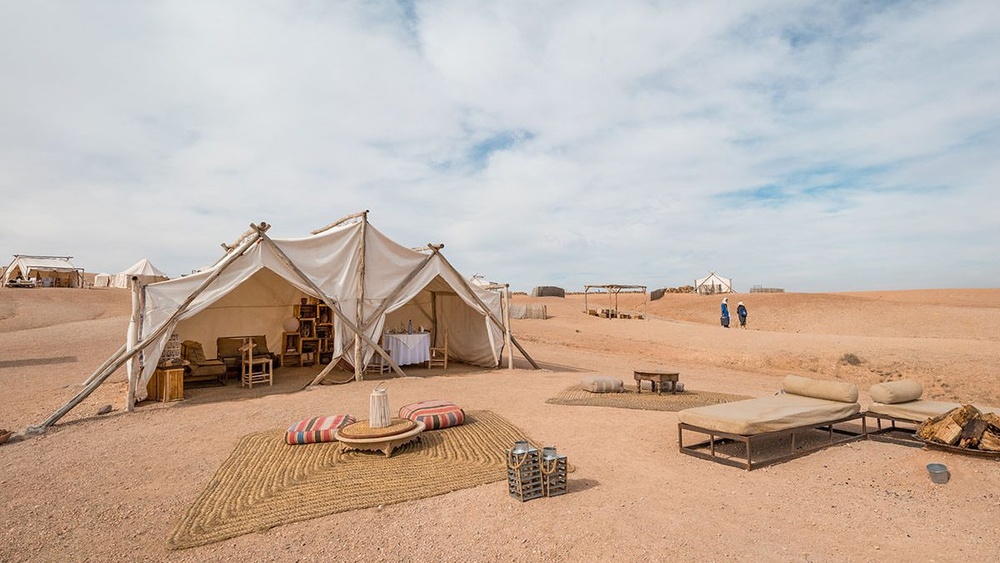
Bell tents are round with a central pole and canvas fabric. They provide lots of space and can be fitted with shade covers.
- Pros: Comfortable, stylish, good for glamping
- Cons: Heavy, bulky, not ideal for strong wind unless extra guy lines are used
Rooftop Tents
For campers with vehicles, rooftop tents mount on top of cars or trucks. These keep you off the ground and away from sand.
- Pros: Quick setup, protects from sand and animals, good airflow
- Cons: Expensive, requires a vehicle, limited space
Below is a comparison table showing how each tent type performs in desert conditions:
| Type | Wind Resistance | Sand Protection | Setup Speed | Comfort |
|---|---|---|---|---|
| Dome | Good | Moderate | Fast | Basic |
| Geodesic | Excellent | High | Medium | Moderate |
| Tunnel | Fair | Moderate | Medium | Spacious |
| Bell | Fair | High | Slow | High |
| Rooftop | Good | Excellent | Fast | Moderate |
Smart Tent Setup Ideas For Desert Camping
How you pitch your tent matters as much as the tent itself. Here are practical tips to make your setup desert-proof:
1. Orient Your Tent For Wind
Place the lowest side facing the wind to reduce strain. Avoid pitching in valleys where wind funnels.
2. Use Sand Stakes And Anchors
Standard tent stakes slide out of loose sand. Use long, wide sand stakes or bury stakes horizontally. Fill bags with sand to use as anchors.
3. Add A Groundsheet Or Footprint
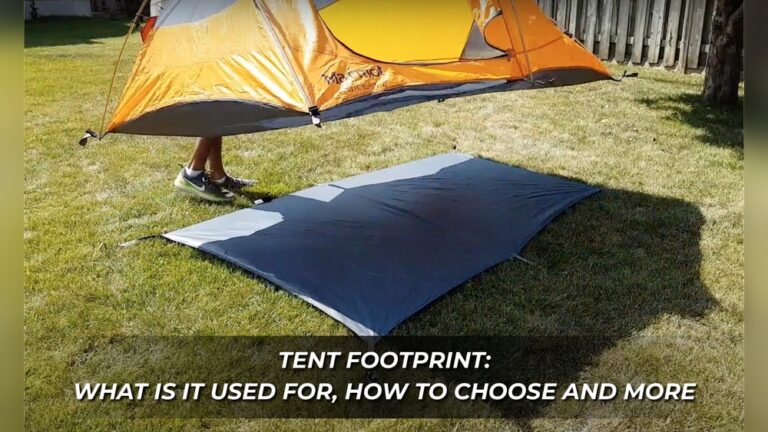
Place a thick groundsheet under your tent to block heat and sand. Extend it outside for a clean sitting area.
4. Create Shade With Tarps
Attach a reflective tarp above your tent, leaving an air gap. This cools your tent and protects from sun damage.
5. Seal Entry Points
Zip doors fully and tuck in tent skirts. Brush off sand before entering. Some campers add a small vestibule for gear and shoes.
6. Ventilate At Night
Open windows or vents in the evening to release heat. Close them before sunrise to keep cool air inside.
7. Elevate Your Sleeping Area
Use cots or thick pads to stay off hot sand. This also keeps insects away.
Many beginners forget to anchor their tent properly, leading to collapsed tents in the wind. Others skip shade covers, turning their tent into an oven. Always test your setup before sunset and secure everything for overnight gusts.
Credit: www.outsideonline.com
Recommended Desert Camping Tent Models
Here are a few tent models known for desert performance, with real-world examples:
1. Msr Hubba Nx 2
A lightweight, strong dome tent. Aluminum poles, fine mesh panels, and full rainfly. Works well in wind and sand.
2. Mountain Hardwear Trango 2
Geodesic design, heavy-duty frame. Used by expedition teams. Handles storms, sand, and temperature swings.
3. Kodiak Canvas Flex-bow
Canvas bell tent with strong frame and UV-resistant fabric. Spacious and comfortable, ideal for extended stays.
4. Roofnest Sparrow Rooftop Tent
Quick setup on vehicles, excellent sand protection. High ventilation and built-in awning.
5. Rei Co-op Base Camp 4
Tunnel tent with large vestibule. Good for families, easy to pitch, solid wind resistance with extra guy lines.
These tents have proven records in desert conditions. Always check reviews and ratings for updated performance feedback. For more technical details, visit Outdoor Gear Lab.
Tent Materials For Desert Use
Tent material affects how well your tent handles sun, wind, and sand.
- Polyester: Common, affordable, light, dries quickly. UV resistance varies.
- Nylon: Strong, lightweight, but can degrade in sunlight. Look for UV-coated versions.
- Canvas: Heavy, durable, excellent UV protection and insulation, but takes time to dry.
Here’s a comparison table of tent materials and their desert suitability:
| Material | Weight | UV Resistance | Wind Resistance | Ease of Cleaning |
|---|---|---|---|---|
| Polyester | Light | Moderate | Fair | Easy |
| Nylon | Very Light | Low–Moderate | Good | Easy |
| Canvas | Heavy | Excellent | Excellent | Medium |
Many desert campers prefer canvas for comfort, but backpackers like nylon or polyester for easy transport.
Advanced Desert Tent Accessories
Accessories can make your desert camping much easier:
- Reflective tarps: Reduce heat buildup
- Portable fans: For ventilation during still nights
- Sand mats: Special mats that shake off sand easily
- Extra guy lines: For storm-proofing
- Water-resistant gear bags: Protect electronics and food from sand
Some campers bring small pop-up shelters for shade during midday. Others use battery-powered lights to avoid heat from gas lanterns.
Practical Tips For Desert Tent Care
Taking care of your tent is essential in the desert:
1. Clean Sand Out Daily
Shake your tent and sweep inside. Sand can damage zippers and fabric.
2. Check For Uv Damage
Inspect for faded spots or brittle material. UV rays weaken tents over time.
3. Dry Tent Fully Before Packing
Even in dry air, moisture can collect inside. Never store your tent wet.
4. Use Tent Repair Kits
Bring patches, extra poles, and zipper lubricant. Small tears can become big problems fast.
A non-obvious insight: sand can act like sandpaper and wear out seams, especially in strong wind. Regularly check seam tape and stitching.

Credit: www.youtube.com
When To Upgrade Your Tent
You might need to upgrade your tent if:
- Your current tent collapses in wind or lets sand inside
- The fabric feels thin, weak, or faded
- You want more space, shade, or comfort for longer stays
Don’t wait for a storm to test your tent. If you camp often in deserts, invest in a tent with professional-level features.
Common Mistakes In Desert Tent Camping
Even experienced campers make mistakes in the desert:
1. Ignoring Wind Direction
Pitching tents sideways to wind causes stress and damage.
2. Skipping Tent Skirts Or Sandproofing
Sand quickly gets inside, ruining gear and sleep.
3. Underestimating Sun Exposure
Leaving tents in direct sun all day weakens material and increases heat.
4. Using Wrong Stakes
Ordinary stakes don’t hold in sand, leading to collapsed tents.
5. Not Checking Forecasts
Sudden storms and flash floods can surprise even experts.
Many beginners also forget to bring extra water, thinking the dry air means less sweat. In fact, you lose water faster in deserts.

Credit: cascademountaintech.com
Real-world Example: Camping In Joshua Tree
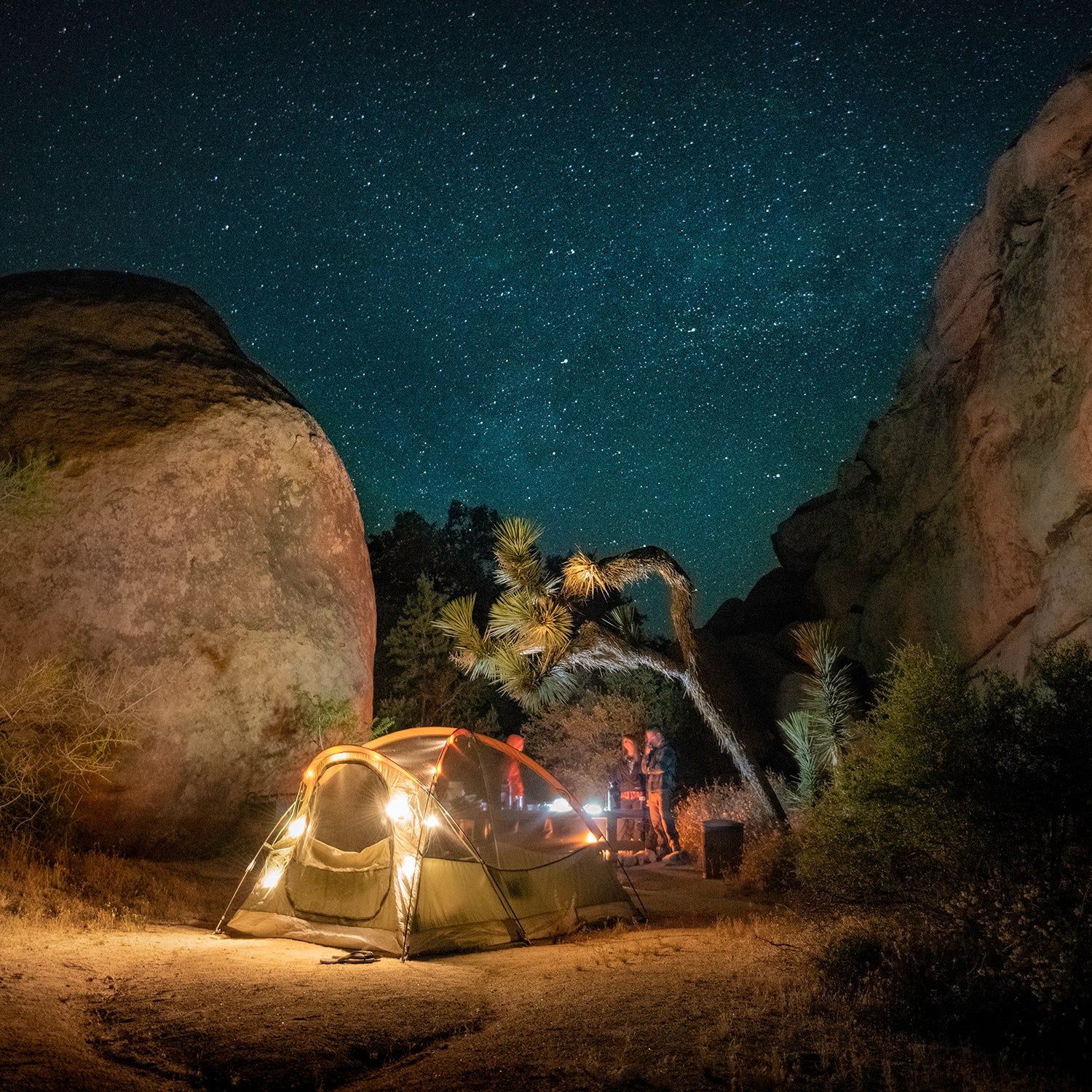
Joshua Tree National Park is a popular desert camping spot in California. Daytime temperatures can reach 95°F in summer, and wind gusts are common. Most campers use dome or geodesic tents, with extra sand stakes and reflective tarps.
Some campers set up tents next to large rocks for shade and wind protection. Others create a “tent village” with tarps stretched between tents for a shaded common area. By sunset, tents cool down quickly, but nights can be cold, so insulated sleeping pads are a must.
Local advice: always secure your tent before exploring, as the wind can pick up without warning.
Final Thoughts
Desert camping is rewarding but requires careful planning. The right tent makes all the difference. Focus on wind resistance, sandproofing, and UV protection. Consider tent type, material, and setup. Use smart accessories and care tips. Avoid common mistakes and always prepare for sudden changes.
Whether you’re camping in the Sahara, Mojave, or Atacama, a well-chosen tent and smart setup will give you comfort and safety. For more details and gear reviews, check resources like Wikipedia. Enjoy your desert adventure and stay prepared.
I am an outdoor enthusiast and gear researcher passionate about camping, hiking, backpacking, and outdoor adventures. I enjoy testing gear, comparing products, and sharing practical advice to help readers make informed decisions. At BestOutsideGear, I create honest gear reviews, buying guides, and outdoor tips to help adventurers choose the right equipment with confidence.