Travel Tips for Sleeping Pad: Ultimate Comfort Hacks Revealed
When you’re on the road, getting a good night’s sleep can make all the difference in how you feel and enjoy your trip. Your sleeping pad plays a huge role in that.
But are you using it the right way? Whether you’re camping under the stars or staying in a rustic cabin, the right tips can help you pack, set up, and sleep comfortably on your sleeping pad every time. You’ll discover simple, practical travel tips that will transform your sleep experience.
Ready to wake up refreshed and ready for adventure? Let’s dive in!
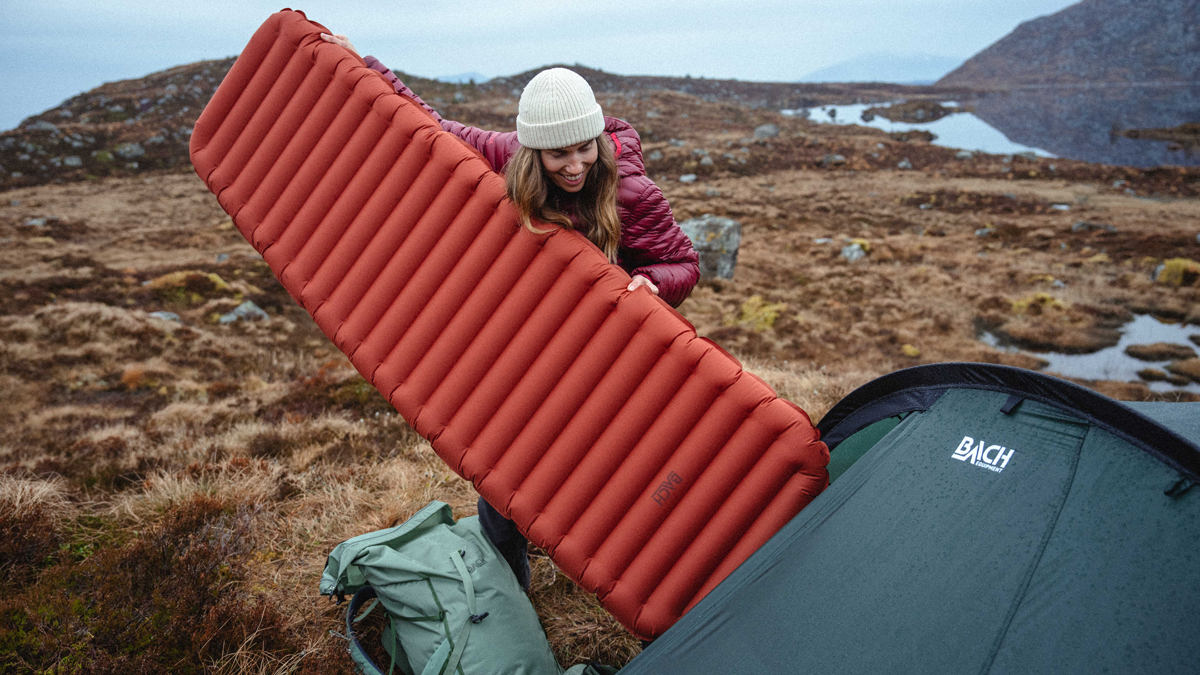
Credit: www.bach-equipment.com
Choosing The Right Sleeping Pad
Choosing the right sleeping pad can improve your camping or travel sleep quality. A good pad offers comfort and insulation from the cold ground. It also fits your travel style and gear size. Consider your needs carefully before buying. This guide helps you pick the perfect sleeping pad.
Inflatable Vs Foam Pads
Inflatable pads fill with air for cushioning. They are soft and comfortable for side sleepers. Foam pads are lightweight and simple. They provide firm support and last longer. Foam pads stay dry and work well on rough terrain. Inflatable pads pack smaller but need care to avoid leaks.
Weight And Packability
Weight matters for backpackers and travelers. Inflatable pads are very light and compact. They fit easily in small backpacks. Foam pads are bulkier and heavier. They take more space but are easier to use. Choose a pad that fits your travel style and pack size.
Durability And Material
Durable pads resist tears and punctures. Foam pads use strong closed-cell foam that lasts years. Inflatable pads use tough materials but can puncture if sharp objects hit. Look for pads with reinforced outer layers. Consider how and where you camp to pick the right material.
Credit: www.rei.com
Setting Up For Comfort
Setting up your sleeping pad correctly can make all the difference in your rest quality outdoors. Comfort starts with the right spot and simple tricks that add support and cleanliness. These easy steps help you wake up refreshed and ready for the day.
Finding A Flat, Stable Spot
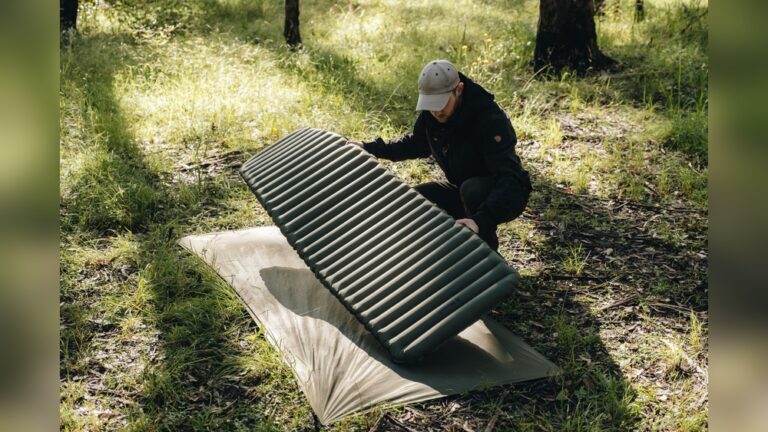
Look for a flat area free of rocks and sticks. Uneven ground can cause discomfort and disrupt your sleep. A stable spot prevents your pad from shifting during the night. Clear away debris before laying down your sleeping pad.
Using A Sleeping Pad Liner
A liner protects your pad from dirt and moisture. It keeps your sleeping pad clean and extends its life. Liners add a small layer of softness, improving comfort. Choose liners made from breathable materials to avoid trapping sweat.
Inflation Tips For Support
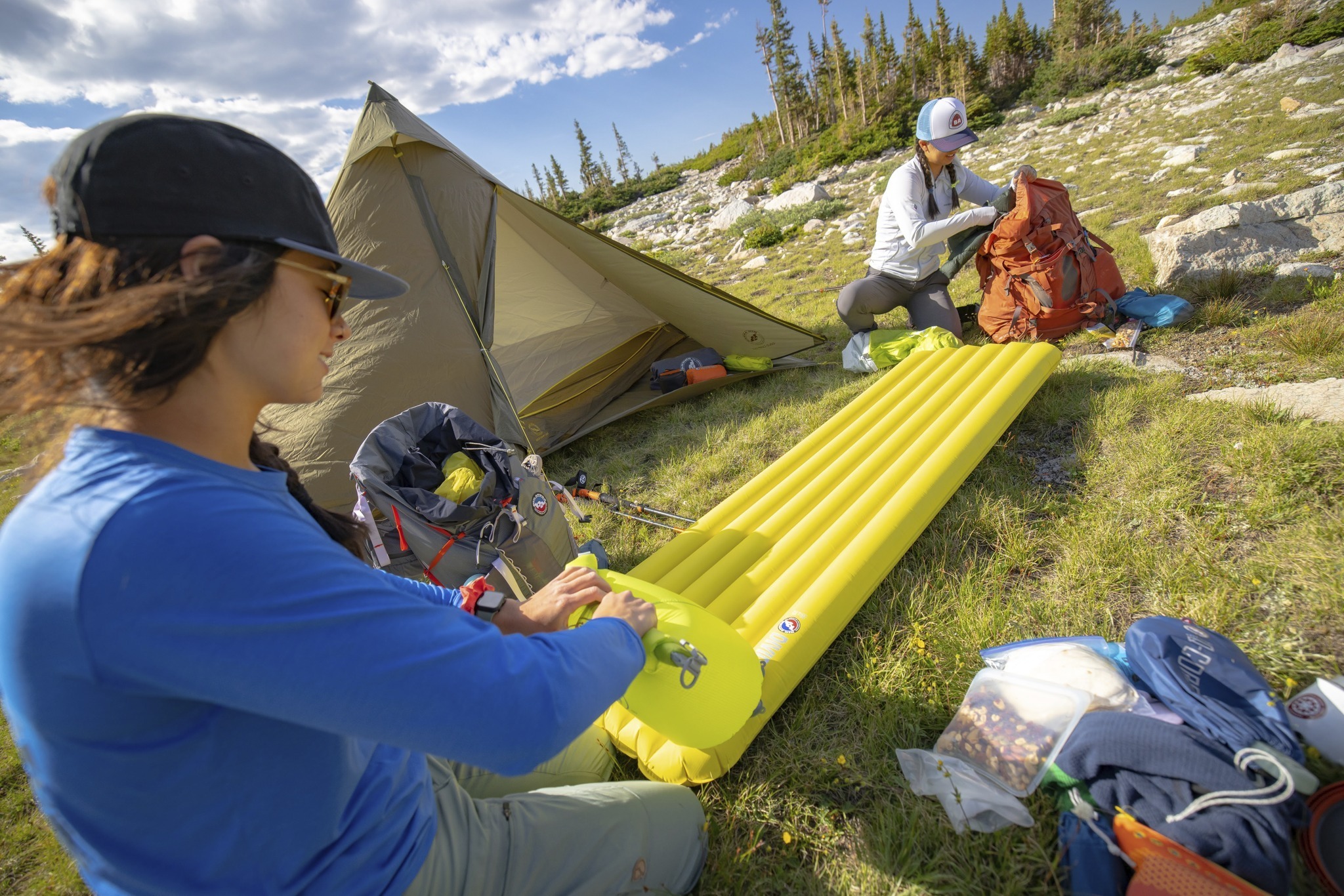
Inflate your sleeping pad to a firm but comfortable level. Too soft and you may feel the ground underneath. Too firm and it can be hard on pressure points. Adjust inflation until you feel balanced support for your body.
Improving Sleep Quality
Good sleep is crucial during travel. It helps your body recover and keeps you energized. A quality sleeping pad plays a big role in improving rest. Comfort and warmth matter most. Small changes can make a big difference in how well you sleep.
Adding Insulation Layers
Cold ground can steal your warmth and cause poor sleep. Use extra insulation layers under your sleeping pad. A foam pad or an emergency blanket works well. These layers block cold air from the ground. They keep your body heat close. This makes your sleep warmer and more comfortable.
Adjusting Firmness
Firmness affects how your body feels at night. Some pads let you add or remove air. Find the right firmness for your comfort. Too soft may cause aches, too hard may cause pressure points. Adjust air slowly until your body feels well supported. A balanced firmness helps you relax and sleep deeper.
Combining With A Sleeping Bag
Your sleeping bag and pad work as a team. A good sleeping bag traps heat around your body. The pad stops heat loss to the ground. Use a sleeping bag rated for the weather you expect. Make sure the bag fits well over the pad. This combo keeps you warm, cozy, and ready for rest.
Packing And Transport Hacks
Packing and transporting your sleeping pad correctly can save space and reduce hassle during travel. Smart packing keeps your gear organized and easy to carry. It also protects your sleeping pad from damage and dirt. Follow simple tricks to fold, attach, and store your sleeping pad efficiently. These tips help you travel lighter and stay comfortable on the road.
Efficient Folding And Rolling
Start by removing all air from inflatable pads. Press gently to push out trapped air. Fold the pad in half lengthwise to make it narrower. Then, roll tightly from one end to the other. Rolling tightly saves space and keeps the pad compact. For foam pads, fold or roll based on their design. Practice folding a few times to find the best way.
Attaching To Backpack
Use straps or cords to secure your sleeping pad outside your backpack. Place it at the bottom or side, depending on your pack’s design. Attach it tightly to avoid swinging or slipping. Some pads come with built-in loops or straps for this purpose. Cover your pad with a waterproof bag if rain is expected. This keeps it dry and ready to use.
Storage Tips To Save Space
Store your sleeping pad in a dry, cool place after use. Avoid folding it the same way every time to prevent creases. Use a compression sack or stuff sack to reduce volume. Keep small repair kits or patches inside the storage bag. This keeps everything together for easy access. Regularly clean your pad before storing to prevent mold and odors.
Maintenance And Repairs
Proper maintenance and timely repairs keep your sleeping pad comfortable and durable. A well-maintained pad ensures a good night’s sleep outdoors and protects your investment. Learning how to clean, fix, and store your sleeping pad prolongs its life.
Cleaning Your Sleeping Pad
Clean your sleeping pad after every trip to remove dirt and sweat. Use mild soap and warm water with a soft cloth or sponge. Avoid harsh chemicals or machine washing that can damage the material. Let it air dry completely before storing to prevent mold and mildew.
Fixing Leaks And Punctures
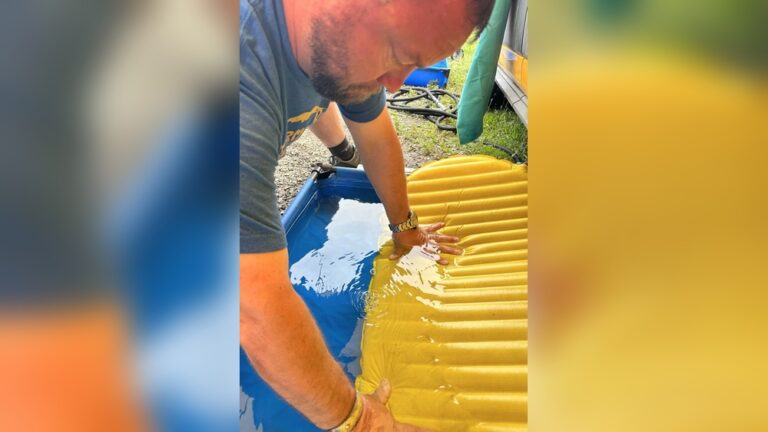
Small leaks cause air loss and discomfort. Find the leak by listening for hissing or feeling for escaping air. Use soapy water to spot bubbles on the surface. Patch holes with repair kits made for sleeping pads. Follow instructions carefully and test the pad after repair to ensure no air escapes.
Proper Storage Between Trips
Store your sleeping pad deflated and clean in a cool, dry place. Avoid tight compression for long periods to protect the foam or air cells. Roll or fold it gently without sharp bends. Proper storage prevents damage and keeps the pad ready for your next adventure.
Additional Comfort Accessories
Adding extra accessories can improve your sleeping pad experience. These items help create a cozy, restful space anywhere. Small comforts make a big difference on the road. They help you relax and sleep better after a long day.
Using Pillows And Cushions
Pillows add neck and head support, reducing aches. Choose lightweight, compressible pillows for easy packing. Inflatable or memory foam options work well. Cushions can also provide extra padding under your body. This softens hard or uneven ground for better rest.
Earplugs And Eye Masks
Earplugs block noise from busy campsites or noisy rooms. They help create a quiet sleep zone. Eye masks stop light from disturbing your rest. They are useful in bright tents or hotel rooms. Both items are small and easy to carry. Use them to improve sleep quality anywhere.
Temperature Control Aids
Temperature changes affect sleep comfort a lot. Use a lightweight blanket or sleeping bag liner to stay warm. Cooling towels or moisture-wicking sheets help when it is hot. A small, portable fan can improve airflow in stuffy areas. These aids keep your body temperature steady for better sleep.
Adapting To Different Environments
Adapting your sleeping pad to different environments is crucial for a good night’s rest outdoors. Each setting demands unique adjustments to maintain comfort and warmth. Understanding these changes helps you prepare better and enjoy your camping or backpacking trip.
Cold Weather Adjustments
In cold weather, insulation is key. Use a sleeping pad with a high R-value to block ground cold. Add an extra foam pad underneath for more warmth. Keep your pad dry, as moisture reduces insulation. Inflate your pad fully to avoid heat loss. Store your pad inside your sleeping bag during the day to keep it warm.
Camping On Rocky Terrain
Rocky ground can be uncomfortable and damage your pad. Choose a thicker or self-inflating pad for better cushioning. Clear sharp rocks and debris before setting your pad down. Place a groundsheet or footprint under your pad for extra protection. Inflate your pad carefully to avoid punctures. Check for leaks and repair them before use.
Sleeping Pad Tips For Backpackers
Backpackers need lightweight and compact pads. Opt for inflatable or foam pads that pack small. Test inflation and deflation times for quick setup. Use a stuff sack to keep your pad clean and dry. Repair kits are handy for quick fixes on the trail. Balance comfort with weight to avoid extra strain.

Credit: www.treelinereview.com
Frequently Asked Questions
How Do You Pack Your Sleeping Pad?
Roll or fold your sleeping pad tightly to remove air and save space. Secure it with straps or a stuff sack. Place it on or inside your backpack for easy carry. Ensure it’s dry before packing to prevent mold and odors.
What Is The Most Packable Sleeping Mat?
The most packable sleeping mat is an inflatable one. It compresses small, weighs little, and offers good comfort for backpacking.
How To Sleep Better When Traveling?
Pack sleep essentials like an eye mask, earplugs, and neck pillow. Adjust to local time quickly. Limit caffeine and alcohol. Use light exposure to reset your body clock. Stretch and relax before bedtime to improve sleep quality while traveling.
How To Make A Camping Pad More Comfortable?
Add a foam topper or blanket for extra cushioning. Inflate the pad fully and use a pillow. Choose a thicker pad for better support. Place a groundsheet underneath to reduce cold and bumps. Adjust firmness to your comfort level.
Conclusion
Choosing the right sleeping pad makes travel rest much better. Pack it carefully to save space and weight. Keep it clean and dry for long use. Test your pad before trips to avoid surprises. A good sleeping pad helps you wake up refreshed.
Sleep well, enjoy your travel, and explore more places comfortably. Simple tips lead to great nights on the road. Rest matters—never underestimate a good sleeping pad’s value.

I am an outdoor enthusiast and gear researcher passionate about camping, hiking, backpacking, and outdoor adventures. I enjoy testing gear, comparing products, and sharing practical advice to help readers make informed decisions. At BestOutsideGear, I create honest gear reviews, buying guides, and outdoor tips to help adventurers choose the right equipment with confidence.