Benefits of Inflatable Sleeping Pad: Ultimate Comfort and Portability
Imagine waking up after a night outdoors feeling refreshed, without aches or stiffness. Your choice of sleeping pad plays a huge role in how well you sleep when camping or backpacking.
If you want comfort, lightweight gear, and easy packing, an inflatable sleeping pad could be exactly what you need. You’ll discover the key benefits of inflatable sleeping pads and why they might be the best addition to your outdoor gear.
Ready to upgrade your sleep and enjoy your adventures even more? Keep reading to find out how an inflatable sleeping pad can make a difference for you.
Comfort Benefits
Comfort is a key factor in choosing the right sleeping pad for camping or travel. Inflatable sleeping pads offer several comfort benefits that improve your rest and overall experience outdoors. They provide softness and support that help your body relax and recover after a long day.
Enhanced Cushioning
Inflatable sleeping pads have air chambers that provide extra cushioning. This soft layer reduces pressure on your joints and muscles. It feels like sleeping on a soft mattress. The cushion absorbs bumps from rocks or uneven ground, making sleep more pleasant.
Improved Sleep Quality
Better cushioning leads to better sleep. Inflatable pads keep your body aligned, reducing tossing and turning. This helps you fall asleep faster and stay asleep longer. A good night’s sleep boosts your energy and mood for outdoor activities.
Adaptability To Terrain
Inflatable sleeping pads adjust to different surfaces easily. You can inflate or deflate them to match the firmness you want. This flexibility works well on rough, rocky, or soft ground. It keeps you comfortable no matter where you camp.
Portability Advantages
Inflatable sleeping pads offer great portability benefits for outdoor enthusiasts. They make carrying and storing your gear easier. These pads are designed to be compact and light. This helps reduce the burden on your back during trips. You can enjoy comfort without the extra bulk or weight. Their portability makes them perfect for hiking, camping, and traveling.
Compact Size
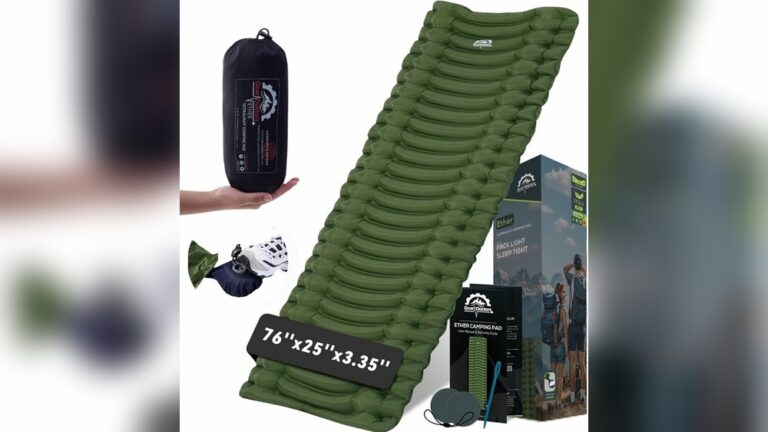
Inflatable sleeping pads deflate to a very small size. Once air is let out, they roll into a tight bundle. This compact size fits easily into backpacks or travel bags. It saves space for other essential items. Compact pads are ideal for small tents or crowded sleeping areas.
Lightweight Design
These pads use lightweight materials that add little weight. Most models weigh less than traditional foam pads. The lightness helps reduce fatigue on long hikes. Carrying a light pad means more energy for other activities. It allows you to move faster and enjoy your adventure more.
Easy To Pack And Carry
Inflatable sleeping pads are simple to pack after use. You just release the air and roll them up. Many come with straps or stuff sacks for easy handling. Their shape and size make them easy to carry by hand or in a pack. This ease of packing reduces prep time at camp.
Insulation Features
Inflatable sleeping pads offer excellent insulation, making them a top choice for campers and hikers. Their design helps trap body heat, keeping you warm throughout the night. Understanding the insulation features will help you choose the right pad for your outdoor adventures.
Heat Retention
Inflatable sleeping pads trap air inside, creating a warm layer between you and the ground. This trapped air acts as a barrier against heat loss. The more air pockets, the better the pad keeps your body heat from escaping. It helps maintain warmth, especially during chilly nights.
Cold Weather Performance
In cold weather, inflatable pads prevent heat from escaping to the cold ground. They lift your body off the cold surface, reducing heat loss. Many pads have special insulation materials inside that boost warmth. These features make inflatable pads suitable for winter camping and cold environments.
R-value Importance
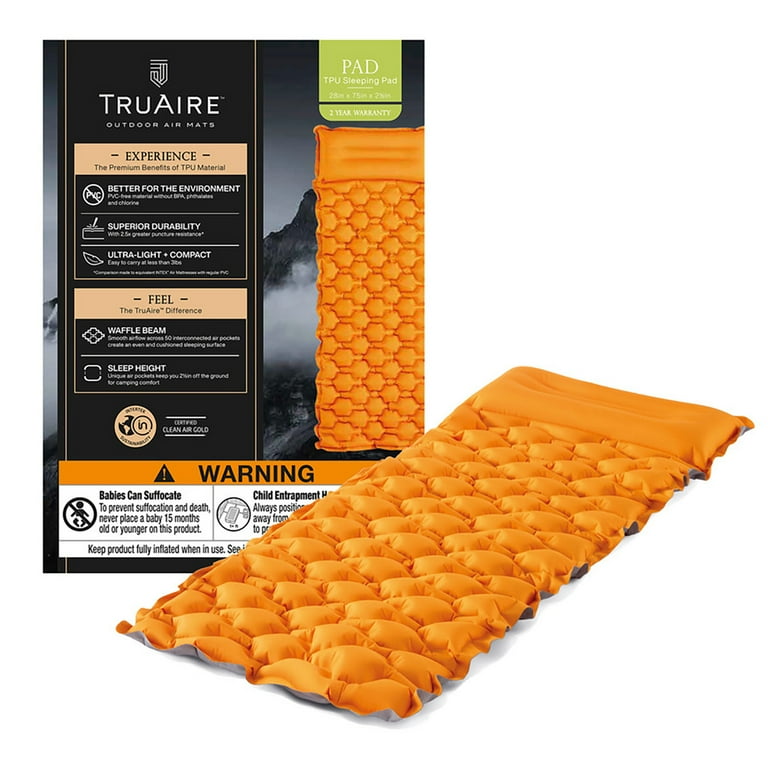
The R-value measures how well a sleeping pad insulates. Higher R-values mean better insulation and more warmth. Choosing a pad with the right R-value depends on the temperature you expect. For cold weather, a higher R-value ensures you stay warm and comfortable all night.
Credit: www.walmart.com
Durability And Maintenance
Durability and maintenance are key for inflatable sleeping pads. These qualities ensure long-term use and comfort. A durable pad resists damage from rough surfaces and frequent use. Proper care keeps it clean and extends its life. Understanding material strength and puncture resistance helps choose the right pad. Simple cleaning tips maintain hygiene and pad performance.
Material Strength
Inflatable sleeping pads use tough materials like nylon or polyester. These fabrics handle stress and pressure well. Many pads have additional coatings to increase durability. Strong seams prevent air leaks and wear over time. Quality materials also resist stretching and tearing. This strength keeps the pad reliable during outdoor adventures.
Puncture Resistance
Punctures cause air leaks and reduce comfort. Pads often include extra layers or thicker fabric in high-wear areas. Some models use reinforced patches to protect against sharp objects. Choosing a pad with good puncture resistance avoids frequent repairs. Always avoid sharp rocks and sticks to protect the pad. Repair kits are helpful for quick fixes on the trail.
Cleaning Tips
Keep the pad clean to prevent odors and damage. Use mild soap and warm water for cleaning. Avoid harsh chemicals that can weaken the fabric. Wipe the surface gently with a soft cloth or sponge. Let the pad dry fully before storing to prevent mold. Store it in a cool, dry place away from sunlight. Proper cleaning keeps the pad fresh and ready for use.
Types Of Inflatable Pads
Inflatable sleeping pads come in different types, each with unique features. Choosing the right type affects comfort, weight, and ease of use. Understanding these types helps campers pick the best pad for their needs.
Self-inflating Pads
Self-inflating pads have open-cell foam inside. When you open the valve, air fills the pad automatically. They offer good insulation and cushioning. These pads are thicker and provide warmth in cold weather. They are heavier but easier to set up than air-only pads. Ideal for campers who want comfort without much effort.
Air Pads
Air pads rely solely on air for support. You inflate them by blowing air inside or using a pump. They pack down very small and are very light. Air pads are popular for backpackers who want to save weight and space. Some models include insulation layers for added warmth. They can be less durable and need careful handling to avoid punctures.
Hybrid Options
Hybrid pads combine foam and air to balance comfort and weight. They use foam cores with air chambers around them. This design offers good insulation and cushion while staying lightweight. Hybrids often provide better durability than pure air pads. Suitable for campers who want a mix of ease, comfort, and compactness.
Comparisons To Other Pads
Choosing the right sleeping pad can improve your outdoor sleep quality. Inflatable sleeping pads offer several benefits over other types. Understanding the differences helps you pick the best option for your needs. Here is a clear comparison of inflatable pads with foam, self-inflating, and dual pad systems.
Inflatable Vs Foam Pads
Inflatable pads inflate with air, creating a soft, cushioned surface. Foam pads are made of dense foam and do not inflate. Inflatable pads usually pack smaller and are lighter. Foam pads are bulkier but very durable and simple. Foam pads never puncture or lose air. Inflatable pads can be adjusted for firmness by adding or releasing air. Foam pads provide basic insulation but less comfort. Inflatable pads often offer better warmth and comfort. Foam pads are cheaper and good for rough terrains. Inflatable pads work well on uneven ground, offering better support.
Inflatable Vs Self-inflating
Self-inflating pads combine foam and air for comfort. They inflate partially on their own and need some blowing up. Inflatable pads require full manual inflation. Self-inflating pads weigh more and take up more space. Inflatable pads are lighter and more compact for travel. Self-inflating pads are easier to set up in cold weather. Inflatable pads allow better control over firmness. Self-inflating pads are more durable and less likely to puncture. Inflatable pads need care to avoid leaks. Both types provide good insulation and comfort.
Dual Pad Systems
Dual pad systems use two separate pads for better comfort. One is usually a foam pad for insulation. The other is an inflatable pad for cushioning. This system adds weight but improves warmth and support. Dual pads help if one pad fails or leaks. Inflatable pads alone are lighter but less redundant. Dual systems suit cold climates where insulation is key. Inflatable pads alone work well in moderate conditions. Combining pads offers flexibility for different needs. It is a choice between weight and maximum comfort.
Usage Tips
Using an inflatable sleeping pad correctly increases comfort and extends its life. Knowing simple tips helps you enjoy restful sleep outdoors. Follow easy steps for inflation, storage, and care to get the best results from your pad.
Inflation Techniques
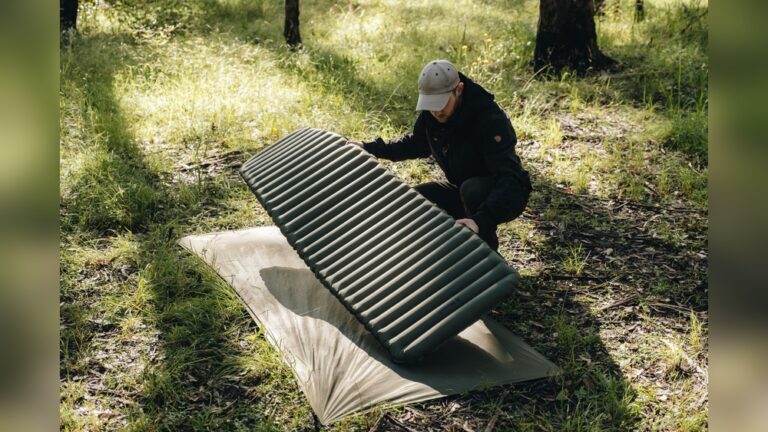
Inflate your pad slowly and steadily. Avoid over-inflating to prevent damage. Use your breath or a pump designed for sleeping pads. Close the valve tightly after inflation to stop air leaks. Adjust firmness by releasing some air for comfort.
Storage Advice
Store the pad in a dry, cool place away from sunlight. Avoid folding it tightly; roll it loosely instead. Keep it slightly inflated during long storage to protect the foam inside. Clean the pad before storing to remove dirt and moisture.
Repair And Care
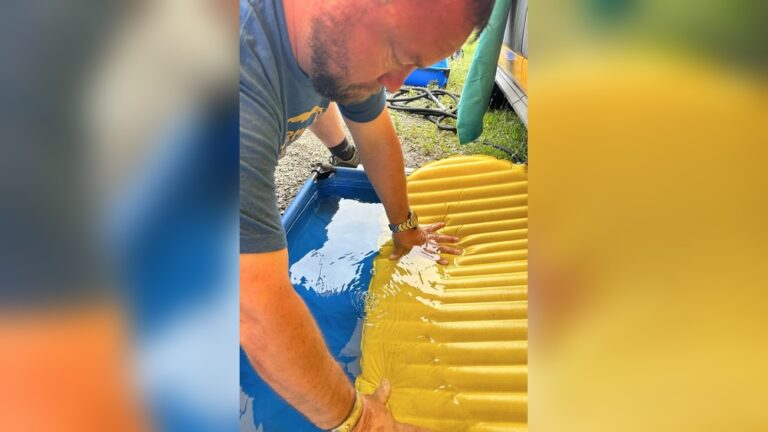
Check your pad regularly for holes or leaks. Use a repair kit to fix small punctures quickly. Clean the surface gently with mild soap and water. Avoid sharp objects and rough surfaces that can cause damage. Let the pad dry completely before packing it away.

Credit: adelaideepic.org

Credit: cascadedesigns.com
Frequently Asked Questions
Are Inflatable Sleeping Pads Good?
Inflatable sleeping pads offer excellent comfort and packability. They insulate well and compress small for easy transport. They suit many camping needs.
Are Self-inflating Mats Worth It?
Self-inflating mats offer good durability, moderate insulation, and easy inflation. They are bulkier and heavier but provide reliable comfort and value.
What Are The Benefits Of Sleeping Pads?
Sleeping pads provide cushioning and insulation for better sleep and warmth outdoors. They reduce body aches and protect from cold ground. Pads improve comfort, enhance rest quality, and pack compactly for easy transport. They also offer durability and protect against rough terrain.
Is A Foam Sleeping Pad Worth It?
A foam sleeping pad offers durability, insulation, and affordability. It’s lightweight, budget-friendly, and won’t puncture like inflatable pads. Ideal for rough terrains and budget-conscious backpackers.
Conclusion
Choosing an inflatable sleeping pad brings comfort and convenience. It offers good cushioning and insulation for restful sleep. These pads pack small, saving space in your backpack. Lightweight design helps reduce overall load on long trips. Easy to inflate and deflate, they save time and effort.
Durable materials make them last through many adventures. Overall, an inflatable pad improves your outdoor sleeping experience. Consider your needs and enjoy better rest on every trip.

I am an outdoor enthusiast and gear researcher passionate about camping, hiking, backpacking, and outdoor adventures. I enjoy testing gear, comparing products, and sharing practical advice to help readers make informed decisions. At BestOutsideGear, I create honest gear reviews, buying guides, and outdoor tips to help adventurers choose the right equipment with confidence.