Safety Tips for Camping Mattress: Essential Guide for Safe Outdoor Sleep
When you’re out camping, a good night’s sleep depends a lot on your camping mattress. But have you ever thought about how to keep it safe and comfortable throughout your trip?
Your camping mattress faces rough ground, sharp stones, leaks, and wear and tear that can ruin your rest and your adventure. That’s why knowing simple but effective safety tips for your camping mattress can make all the difference. You’ll discover easy ways to protect your mattress, avoid common problems, and enjoy a cozy, worry-free sleep under the stars.
Keep reading to make sure your camping mattress stays in great shape and your nights stay peaceful!
Choosing The Right Mattress
Choosing the right camping mattress is key to a safe and comfortable night outdoors. A good mattress supports your body and protects you from the cold ground. Picking the right one helps avoid discomfort and potential injuries during your trip. Consider several factors to find the best fit for your camping needs.
Types Of Camping Mattresses
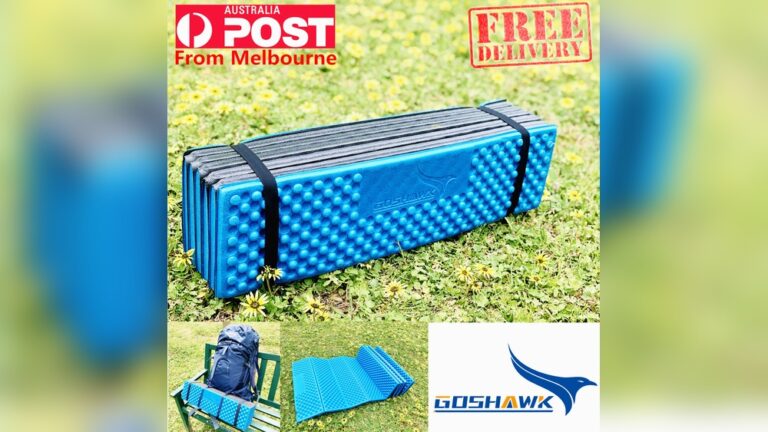
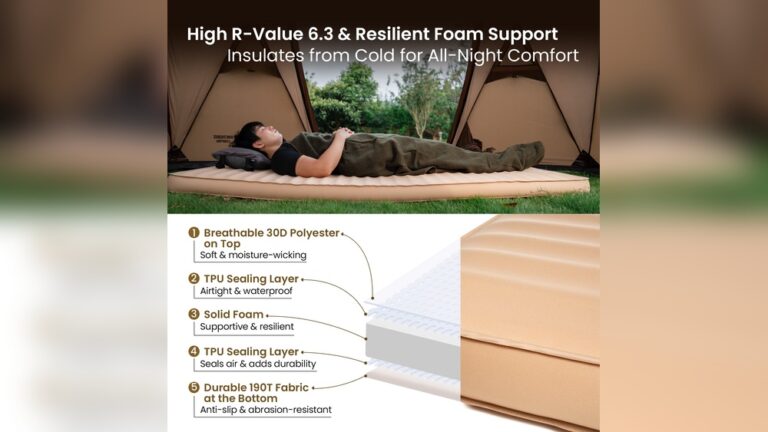
There are three main types of camping mattresses: air, foam, and self-inflating. Air mattresses are lightweight and compact but need careful handling to avoid leaks. Foam mattresses are durable and provide good insulation but can be bulky. Self-inflating mattresses combine foam and air for comfort and easy setup. Choose the type that suits your camping style and environment.
Material Durability
Check the mattress material before buying. Look for strong fabrics like nylon or polyester with a thick coating. These materials resist punctures and tears better. Avoid thin or cheap fabrics that can easily get damaged. A durable mattress lasts longer and keeps you safe from rough ground and sharp objects.
Size And Weight Considerations
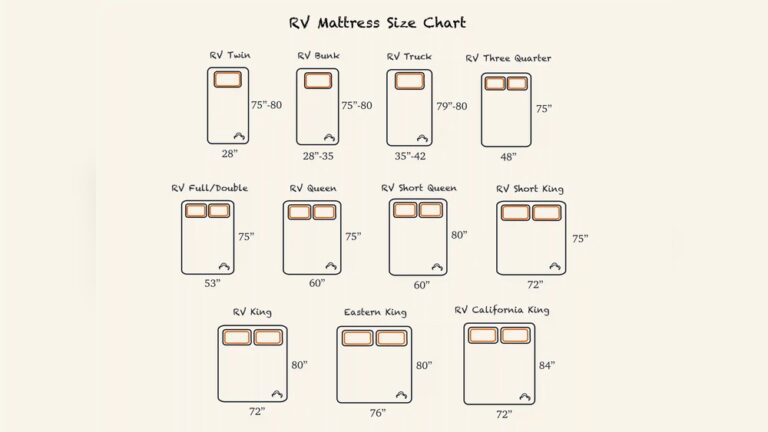
Size affects comfort and portability. Pick a mattress that fits your body size and sleeping style. Larger mattresses give more space but add weight. Weight matters if you carry your gear for long distances. Light mattresses make hiking easier but may offer less padding. Balance size and weight for your camping plans.

Credit: www.mwranches.com
Preparing Your Sleep Area
Setting up your sleep area carefully protects your camping mattress. A well-prepared spot keeps you comfortable and safe through the night. Simple steps reduce damage risks and improve rest quality.
Focus on clearing the ground and adding layers to shield your mattress. These actions prevent punctures and extend your mattress life. Preparation is key to a good camping experience.
Clearing Sharp Objects
Remove sticks, rocks, and debris from the sleeping spot. Sharp items can puncture or tear your mattress easily. Use your hands or a small rake to clear the area thoroughly.
Check the ground twice before placing your mattress. Avoid spots with broken glass or thorny plants. A clean base keeps your mattress safe and your sleep peaceful.
Using Ground Sheets
Place a ground sheet under your mattress for extra protection. This layer acts as a barrier between the earth and your mattress. Choose a waterproof and durable material for best results.
Ground sheets help keep moisture away and prevent dirt buildup. They also add comfort by smoothing uneven surfaces. This simple step improves mattress durability and your camping comfort.
Adding Protective Layers
Use foam pads or blankets on top of the ground sheet for more cushioning. These layers protect against rough ground and reduce wear on your mattress. They also add warmth during cold nights.
Stacking layers cushions your body and increases mattress lifespan. Use materials that are lightweight and easy to pack. Protecting your mattress with extra layers makes camping rest safer and comfier.
Inflation Tips
Proper inflation of your camping mattress ensures a comfortable and safe night’s sleep. Correct air pressure supports your body and prevents damage. Follow these inflation tips to get the best experience and protect your mattress from wear and tear.
Proper Inflation Techniques
Start by inflating your mattress slowly and evenly. Use a pump designed for camping mats or blow air gently by mouth. Stop inflating once the mattress feels firm but still has some give. Avoid hard, sharp pressure on the valve to prevent damage. Check all valves are sealed tight to keep air inside.
Avoiding Overinflation
Overinflating can cause seams to stretch or burst. Stop adding air when the mattress is firm but not rock hard. Press lightly on the surface to test its firmness. Too much air reduces comfort and increases the risk of leaks. Leave some room for the mattress to adjust as temperature changes.
Managing Air Pressure Overnight
Air inside the mattress can expand or contract with temperature changes. Check and adjust air pressure before sleeping. If the mattress feels soft in the morning, add a little air. If it feels too firm, release some air to stay comfortable. Regularly check your mattress for slow leaks or damage.
Maintenance And Repairs
Proper maintenance and timely repairs extend the life of your camping mattress. Regular care keeps it comfortable and safe throughout your trips. Simple checks and fixes prevent bigger problems and save money. Learn how to detect leaks, patch small holes, and clean your mattress effectively.
Detecting Leaks
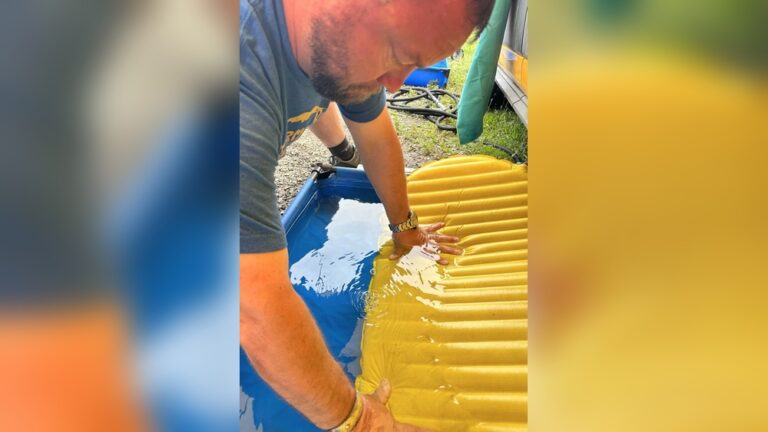
Inflate your camping mattress fully before checking for leaks. Listen closely for hissing sounds that signal escaping air. Another way is to spread soapy water over the surface. Bubbles will appear where air escapes. Mark these spots with a washable marker for repair. Repeat this process on both sides of the mattress. Detect leaks early to avoid waking up on a flat mattress.
Patching Small Holes
Use a patch kit designed for camping mattresses. Clean the area around the hole with rubbing alcohol and let it dry. Cut a patch slightly larger than the hole. Apply adhesive evenly on the patch and the mattress surface. Press the patch firmly and hold it for a few minutes. Allow it to cure as per instructions, usually several hours. Check the repair by inflating the mattress again to ensure no air escapes.
Cleaning The Mattress
Deflate your mattress before cleaning to prevent damage. Use a soft cloth and mild soap with water for cleaning. Avoid harsh chemicals that can weaken the material. Gently wipe all surfaces and focus on dirty spots. Rinse with a damp cloth to remove soap residue. Let the mattress air dry completely before storing. Proper cleaning prevents mold and unpleasant odors during camping.
Safe Usage Practices
Using a camping mattress safely enhances your outdoor experience. It keeps you comfortable and protects your gear. Follow simple practices to extend your mattress life and avoid accidents. Here are key tips to use your camping mattress safely.
Avoiding Excessive Weight
Do not place heavy objects on your camping mattress. Excess weight can cause tears or punctures. Stay within the mattress’s weight limit. Avoid jumping or standing on it to prevent damage. Distribute weight evenly for better support and durability.
Keeping Away From Heat Sources
Keep your mattress far from campfires and stoves. Heat can melt or weaken the material. Avoid placing it on hot surfaces or near flames. Store your mattress in a cool, shaded area. Protect it from direct sunlight for long periods.
Proper Mattress Placement
Choose a flat, clean spot for your mattress. Remove sharp stones, sticks, and debris before setting it down. Use a groundsheet or tarp underneath for extra protection. This prevents punctures and keeps moisture away. Ensure the area is stable to avoid sliding or tipping.
Storage Guidelines
Proper storage of your camping mattress helps keep it safe and extends its life. Follow simple storage guidelines to avoid damage. Store your mattress clean and dry. Protect it from heat and sharp objects. These steps prevent wear and keep your mattress ready for your next trip.
Deflating For Storage
Fully deflate your camping mattress before storing it. Open the valve and press out all the air. Rolling the mattress from one end helps push air out. Avoid folding tightly to prevent creases. Let the mattress dry completely if it is damp. Moisture can cause mold and damage the material.
Choosing Storage Locations
Pick a cool, dry place to store your mattress. Avoid direct sunlight or places near heaters. Heat can weaken the mattress material. Keep it away from sharp objects or heavy items. These can puncture or deform your mattress. A storage bag or container adds extra protection.
Long-term Care Tips
Check your mattress regularly during long-term storage. Air it out occasionally to prevent odors and moisture build-up. Inspect for any signs of damage or leaks. Repair small holes quickly using a patch kit. Store your mattress loosely rolled or flat to keep its shape. Proper care ensures comfort on every camping trip.
Additional Safety Accessories
Camping mattresses offer comfort, but extra accessories improve safety and durability. These items protect the mattress and enhance your sleeping experience outdoors. They reduce the risk of damage and keep the mattress clean and supported. Explore three key accessories that add value to your camping setup.
Using Mattress Toppers
Mattress toppers add a soft layer over your camping mattress. They cushion your body and reduce pressure points. These toppers protect the mattress surface from sharp objects and dirt. Some toppers are water-resistant, keeping moisture away. This simple accessory extends the life of your mattress and boosts comfort.
Supportive Bases
A supportive base creates a stable foundation for your mattress. It lifts the mattress off the ground, preventing contact with damp soil or rocks. Bases improve air circulation under the mattress, reducing mold and mildew risks. Lightweight frames or wooden pallets work well as bases. Use one to keep your mattress safe and dry during camping trips.
Protective Carry Bags
Protective carry bags shield your mattress during transport and storage. They guard against dirt, punctures, and UV damage from the sun. Many bags have padded interiors for extra protection. Choose a bag with a secure closure to keep bugs and debris out. A good carry bag ensures your mattress stays clean and intact for many adventures.

Credit: tristate.coop

Credit: koa.com
Frequently Asked Questions
How To Protect A Camping Mattress?
Check the ground for sharp objects before placing your camping mattress. Use a groundsheet or foam pad underneath. Store it clean and dry. Slightly deflate when not in use to avoid seam stress and material wear.
How To Find A Slow Leak In A Camping Mattress?
Inflate the mattress fully, then spray soapy water on its surface. Watch for bubbles to spot the slow leak.
Can You Leave An Air Mattress Inflated All The Time?
You can leave an air mattress inflated for a few days without issues. For longer periods, slightly deflate it to prevent material stretching and seam damage. High-end models with self-inflation handle constant inflation better. Store it flat, away from sharp objects, to extend its lifespan.
What Do You Put Under An Air Mattress When Camping?
Place a groundsheet, foam pad, or camping mat under your air mattress to protect it from sharp objects and rough terrain.
Conclusion
Camping mattress safety helps ensure a good night’s rest outdoors. Check the ground for sharp objects before laying your mattress. Use a groundsheet or foam pad for extra protection. Avoid overinflating to reduce the risk of leaks or damage. Regularly inspect your mattress for holes or weak spots.
Keep it clean and dry to extend its life. Store your mattress partly deflated and away from direct sunlight. These simple steps keep your camping mattress safe and comfortable. Enjoy camping with peace of mind and restful sleep.

I am an outdoor enthusiast and gear researcher passionate about camping, hiking, backpacking, and outdoor adventures. I enjoy testing gear, comparing products, and sharing practical advice to help readers make informed decisions. At BestOutsideGear, I create honest gear reviews, buying guides, and outdoor tips to help adventurers choose the right equipment with confidence.