Travel Tips for Camping Mattress: Ultimate Comfort Hacks Revealed
Planning a camping trip? Your sleeping setup can make or break the whole experience.
Imagine waking up refreshed instead of stiff and sore—sounds great, right? That’s where choosing and packing the right camping mattress comes in. Whether you’re a seasoned camper or trying this for the first time, these travel tips for your camping mattress will help you sleep better outdoors, save space, and avoid common mistakes.
Keep reading to discover how a simple change to your sleeping gear can transform your nights under the stars.

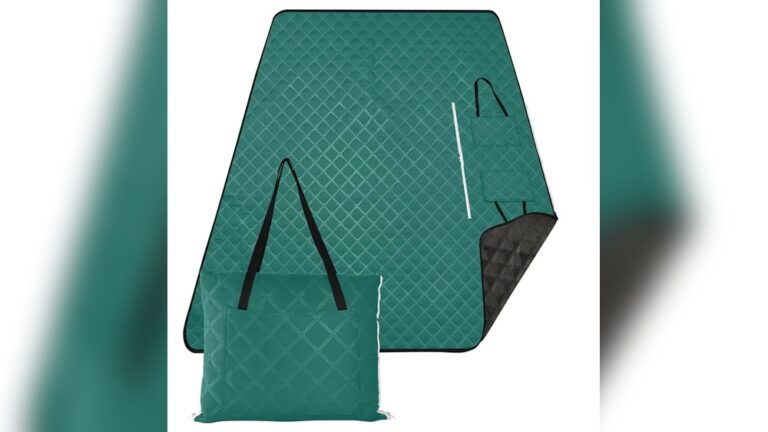
Credit: www.amazon.com
Choosing The Right Mattress
Choosing the right camping mattress is key for a good night’s sleep outdoors. A suitable mattress offers comfort and insulation from the cold ground. It also affects how much gear you carry and your overall camping experience. Consider your needs and camping style before picking one.
Types Of Camping Mattresses
There are mainly three types of camping mattresses. Air mattresses are inflatable and lightweight. Foam mattresses are simple and durable. Self-inflating mattresses combine foam with air for comfort and ease. Each type suits different camping situations.
Factors To Consider
Think about comfort, insulation, and durability. Your sleeping position and temperature matter too. Check how easy it is to carry and set up. A mattress that fits your tent size is important. Also, consider how long your camping trip will last.
Mattress Thickness And Weight
Thicker mattresses usually offer more comfort. But they can be heavier and bulkier. Lightweight mattresses are easier to carry on long hikes. Balance thickness and weight based on your trip. Remember, a good night’s rest is worth the extra weight.
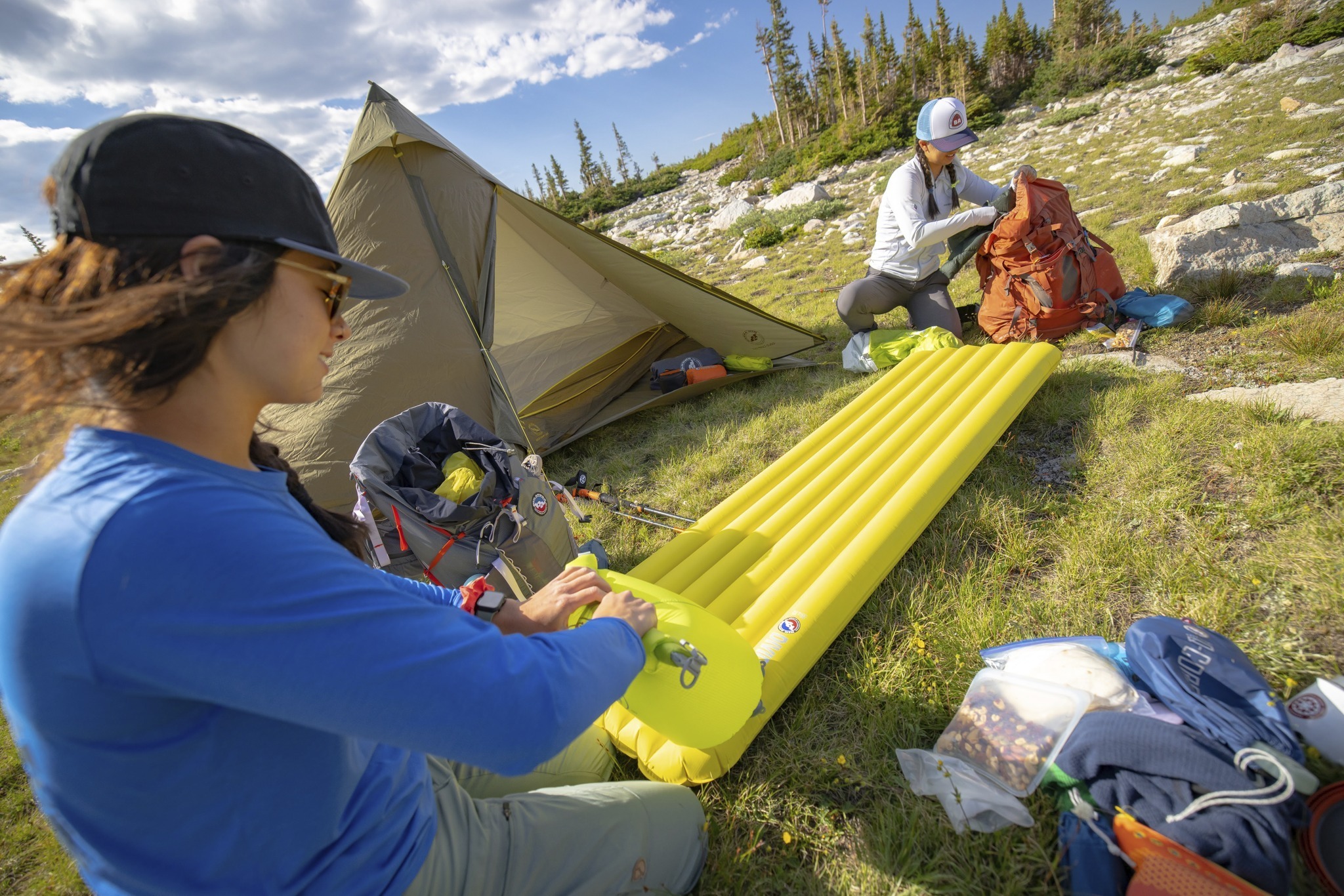
Credit: www.rei.com
Packing And Transporting
Packing and transporting your camping mattress properly makes your trip easier. It saves space in your bag and protects the mattress from damage. Good packing also helps the mattress last longer. Follow simple steps to keep your mattress safe and compact.
Deflating And Rolling Techniques
Open the valve fully to release all the air. Press gently on the mattress to push air out. Start rolling from the end opposite the valve. Roll tightly but do not force it. Close the valve once rolled to keep it sealed. Practice this a few times for faster packing.
Space-saving Tips
Fold the mattress carefully before rolling to reduce size. Use compression straps or bags to tighten the roll. Place the rolled mattress at the bottom of your pack. Avoid packing bulky items near it to prevent damage. Choose a mattress size that fits your transport method well.
Protecting Your Mattress
Use a protective bag or cover for your mattress. Keep it away from sharp objects and rough surfaces. Store it inside your tent bag or car trunk safely. Clean and dry the mattress before packing to avoid mold. Regularly check for holes or leaks to fix early.
Inflation And Setup
Setting up your camping mattress correctly improves your sleep quality outdoors. Inflation and setup are key steps. Proper inflation provides comfort and support. Easy setup saves time and effort. Follow simple tips for the best results.
Inflation Methods
Use a pump for quick inflation. Hand pumps or electric pumps work well. Some mattresses have self-inflating foam inside. Open the valve and let air fill it automatically. Mouth inflation is an option but takes longer. Avoid over-inflating to protect the mattress.
Achieving Optimal Firmness
Start with medium inflation. Test firmness by lying on the mattress. Add air if it feels too soft. Release air if it feels too hard. The mattress should support your body evenly. Adjust firmness for your comfort preference.
Avoiding Common Setup Mistakes
Check the ground for sharp objects before placing the mattress. Inflate away from dirt and debris. Fully open the valve during inflation. Avoid folding the mattress incorrectly. Store it dry and clean after use. These steps extend mattress life and comfort.
Maximizing Comfort Outdoors
Camping outdoors offers a unique chance to connect with nature. Comfort plays a big role in making your nights restful. A good camping mattress is key, but small adjustments can raise your comfort level greatly. Simple tricks help create a cozy sleeping space under the stars.
Adding Layers And Padding
Layering helps soften hard ground and adds warmth. Place a foam pad or blanket under your mattress for extra cushion. This reduces pressure points and keeps cold from the earth away. Use a reflective mat to boost insulation. Multiple layers improve comfort and keep you warmer through the night.
Using Pillows And Blankets
Pillows support your neck and improve sleep quality. Bring a compact camping pillow or use a stuff sack filled with clothes. Blankets add warmth and softness on top of your mattress. Choose lightweight, quick-dry blankets for easy packing. These small items make your sleeping area feel more like home.
Adjusting For Sleeping Positions
Your sleep style affects mattress comfort. Back sleepers need even support along the spine. Side sleepers benefit from extra padding at hips and shoulders. Stomach sleepers should avoid thick layers under the chest to prevent strain. Adjust padding and blankets to fit your preferred position. This creates a more restful night outdoors.
Maintaining Warmth
Keeping warm while camping is essential for a good night’s sleep. Cold ground and chilly air can quickly drain your body heat. Choosing the right mattress and accessories helps maintain warmth. Simple steps make a big difference in comfort and safety.
Insulating From The Ground
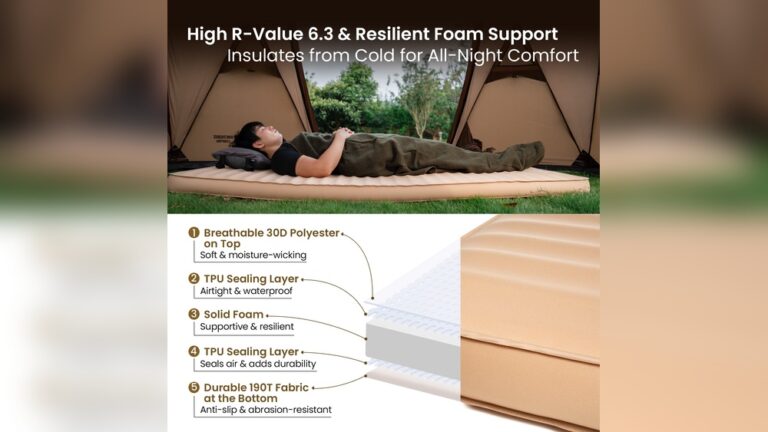
Cold seeps through the ground into your body. A camping mattress acts as a barrier to block this chill. Use foam pads or inflatable mattresses with insulation layers. Place a ground tarp below your mattress for extra protection. Avoid thin mats that lose heat fast.
Warm Mattress Accessories
Add blankets or sleeping bag liners on top of your mattress. These layers trap heat close to your body. Use insulated mattress covers to keep warmth inside. Hot water bottles or heat packs provide quick warmth before sleeping. Choose accessories made of wool or fleece for better insulation.
Tips For Cold Weather Camping
Wear warm, dry clothing inside your sleeping bag. Avoid sweating; moisture makes you colder. Set up your tent in a sheltered spot away from wind. Close your sleeping bag zipper fully to keep heat in. Inflate your mattress fully to avoid cold spots under you.
Caring And Storage
Caring for your camping mattress helps it last longer and stay comfortable. Proper care and storage keep the mattress clean and ready for your next trip. Small efforts prevent damage and maintain support during sleep.
Cleaning Your Mattress
Remove dirt and dust after each use. Wipe the surface with a damp cloth and mild soap. Avoid harsh chemicals that can damage the material. Let the mattress dry completely before packing it away. Drying prevents mold and unpleasant smells.
Proper Storage Methods
Store your mattress in a cool, dry place. Avoid direct sunlight to protect the material from fading. Do not fold it the same way every time. Rolling or loosely folding helps avoid permanent creases. Use a storage bag or cover to keep dust away.
Repair And Maintenance Tips
Check your mattress for small holes or tears regularly. Patch minor damages with repair kits made for camping gear. Inflate the mattress fully during repairs for better results. Keep valves clean and free of debris. Replace worn parts to keep your mattress functional.
Alternative Sleep Options
Choosing the right sleep option is key to a good night outdoors. Alternative sleep options offer comfort and convenience beyond traditional camping mattresses. These choices suit different camping styles and preferences. Understanding each option helps pick the best for your trip. Explore these alternatives to enhance your camping rest.
Self-inflating Pads
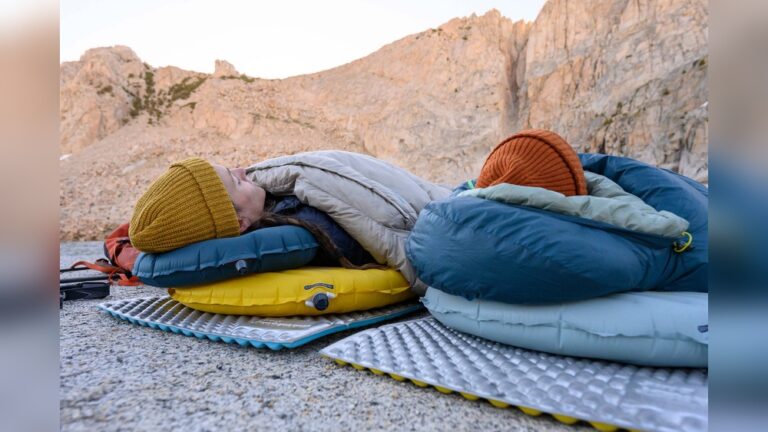
Self-inflating pads combine foam and air for comfort. They expand quickly once the valve opens. These pads provide good insulation from cold ground. They are lighter than traditional air mattresses. Easy to pack, they fit well in backpacks. Durable materials make them last through many trips. Ideal for campers wanting quick setup and moderate cushioning.
Foam Pads And Cots
Foam pads are simple and very durable. They offer firm support and do not deflate. They work well on uneven or rocky ground. Foam pads are lightweight and easy to clean. Cots lift you off the ground completely. They provide excellent ventilation below your body. Adding a foam pad on a cot boosts comfort. Great for car camping with space for bulkier gear.
Hammocks With Mattresses
Hammocks keep you suspended above rough terrain. They offer a unique and relaxing sleep experience. Using a camping mattress inside a hammock adds extra comfort. Hammocks with mosquito netting protect from bugs. They pack small and weigh less than many pads. Perfect for warm weather and forest camping. They require trees or sturdy supports to hang safely.

Credit: us.amazon.com
Frequently Asked Questions
How To Pack A Camping Mattress?
Open the valve fully to release air. Fold and roll the mattress from the bottom tightly. Close the valve and fold again to minimize size. Secure with straps or place in a storage sack for easy transport. Store in a dry, cool place to maintain quality.
What Is The Comfiest Thing To Sleep On When Camping?
The comfiest camping sleep option is a thick, self-inflating sleeping pad with foam. It offers cushioning and insulation. Alternatively, a hammock with an air mattress and quality sleeping bag provides excellent comfort and support.
What Is An Alternative To An Airbed For Camping?
A popular alternative to an airbed for camping is a self-inflating sleeping pad. It offers insulation and comfort with built-in foam. Camping cots with foam pads also provide sturdy, elevated sleeping options. These alternatives are lightweight, durable, and improve sleep quality outdoors.
How To Pack An Air Mattress For A Flight?
Deflate the air mattress fully by opening the valve. Fold it tightly from one end. Roll it compactly to minimize size. Secure with straps or place in its carrying bag. Ensure it fits airline carry-on or checked baggage limits.
Conclusion
Choosing the right camping mattress makes your trip more enjoyable. A good mattress keeps you warm and comfortable all night. Remember to pack it properly to save space and avoid damage. Test your mattress before the trip to ensure it suits your needs.
Rest well, and your outdoor adventure will be much better. Happy camping and sweet dreams under the stars!

I am an outdoor enthusiast and gear researcher passionate about camping, hiking, backpacking, and outdoor adventures. I enjoy testing gear, comparing products, and sharing practical advice to help readers make informed decisions. At BestOutsideGear, I create honest gear reviews, buying guides, and outdoor tips to help adventurers choose the right equipment with confidence.