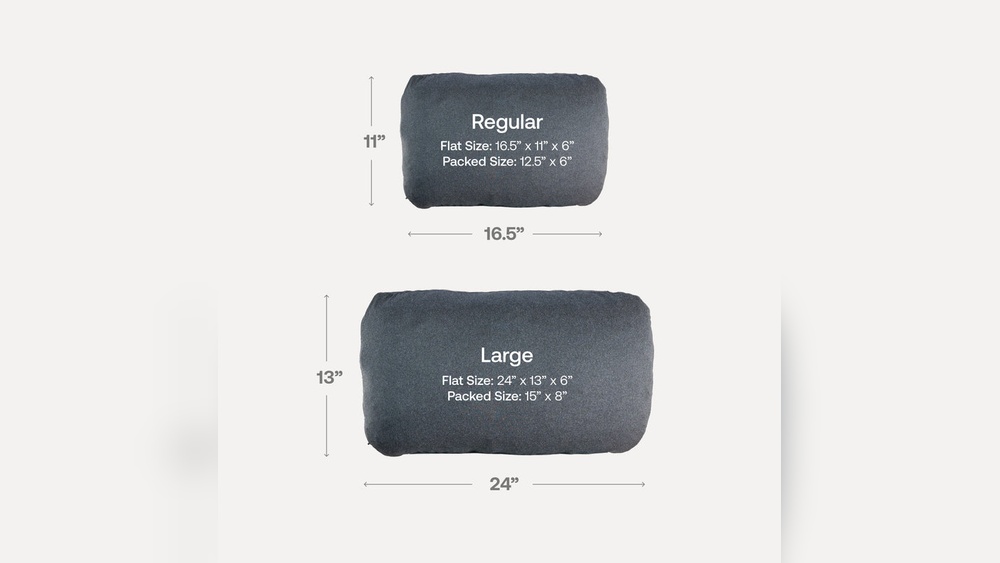
Size Guide for Camping Pillow: Find Your Perfect Comfort Fit
Choosing the right camping pillow size can make all the difference between a restless night and waking up refreshed on your outdoor adventures. You might wonder, “What size pillow should I bring?” or “How do I find a pillow that fits my sleeping style and backpack space?” This guide is here to answer those questions and help you pick the perfect camping pillow size tailored just for you.
Whether you’re a side sleeper, a back sleeper, or someone who values easy packing, understanding pillow sizes will ensure your comfort without weighing you down. Keep reading to discover the key factors that will help you find your ideal camping pillow size and transform your nights under the stars.
Camping Pillow Sizes
Choosing the right size camping pillow improves your sleep outdoors. Camping pillow sizes vary to fit different needs and preferences. Understanding these sizes helps you pick the perfect pillow for your trip. Here is a simple guide to common camping pillow sizes.
Standard Dimensions
Standard camping pillows usually measure about 12 by 16 inches. This size offers enough support for most sleepers. It fits well in tents and on sleeping pads. Standard pillows provide comfort without taking too much space. They balance portability and support effectively.
Travel Pillow Sizes
Travel camping pillows tend to be smaller and more compact. They often measure around 10 by 14 inches or less. These pillows are easy to carry and store in backpacks or luggage. They focus on lightweight design and quick packing. Travel sizes suit short trips and travelers who prioritize space.
Backpacking Pillow Sizes
Backpacking pillows are the smallest and lightest type. Sizes usually range from 8 by 12 inches to 10 by 14 inches. Many are inflatable or compressible to save room. These pillows fit into tight backpack compartments. Backpacking sizes are ideal for long hikes and minimal pack weight.

Credit: levitex.co.uk
Sleeping Positions And Pillow Fit
Choosing the right camping pillow size depends largely on your sleeping position. Each position demands a specific pillow height and shape for proper neck and head support. A pillow that fits well keeps your spine aligned and prevents discomfort during outdoor sleep. Understanding your sleeping habits will help pick a pillow that feels natural and comfortable on your camping trips.
Back Sleepers
Back sleepers need a pillow that supports the natural curve of the neck. A medium-height pillow works best to fill the space between the neck and the ground. Too high or too flat can cause neck strain. Look for pillows designed to keep your head slightly elevated without bending your neck forward.
Side Sleepers
Side sleepers require a thicker, firmer pillow to keep the head aligned with the spine. The pillow should fill the gap between the ear and the shoulder. A larger or contoured pillow often offers better support. This prevents shoulder pain and ensures restful sleep on uneven camping surfaces.
Stomach Sleepers
Stomach sleepers benefit from a thin, soft pillow or no pillow at all. A bulky pillow can bend the neck unnaturally, causing discomfort. Choose a low-profile pillow that does not lift the head too much. This helps maintain a neutral spine position and reduces pressure on the neck.
Material Impact On Size
The material used in a camping pillow greatly affects its size and feel. Different materials offer unique benefits and change how big or small the pillow appears. Choosing the right material helps balance comfort and portability.
Some materials create denser, firmer pillows. Others allow more softness or compressibility. Understanding these differences guides you to pick a pillow that fits your camping style and space needs.
Memory Foam Density
Memory foam camping pillows are dense and supportive. This density makes the pillow thicker and heavier than others. It holds shape well, offering firm neck support. Dense memory foam pillows take more space in your backpack. They compress but do not flatten completely. Ideal for campers who need strong support and do not mind extra weight.
Microbeads Softness
Microbead pillows feel soft and squishy. Tiny beads inside move freely, molding to your head’s shape. These pillows are lighter and smaller than memory foam ones. Their softness allows easier packing and flexibility. Microbead pillows often lose some shape but gain comfort. Perfect for campers who want a light, soft pillow that packs small.
Inflatable Pillow Options
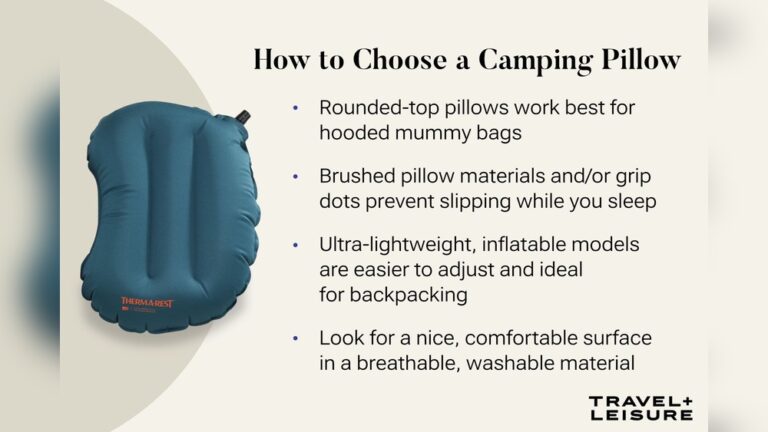
Inflatable camping pillows offer the most size control. You can adjust firmness by adding or releasing air. When deflated, they become very flat and easy to store. Inflatable pillows weigh less than foam or microbead types. They are ideal for ultralight campers or those with limited pack space. Some models include soft fabric covers for added comfort.

Credit: lunolife.com
Portability Vs Comfort
Choosing the right camping pillow often means balancing portability and comfort. Campers want a pillow that is easy to carry but also provides good rest. Smaller pillows save space but might lack support. Larger pillows offer better comfort but can be bulky and heavy. Understanding the trade-offs helps select the best pillow for your needs.
Compact And Compressible Pillows
Compact pillows are designed to take up minimal space. Many use materials that compress easily, like memory foam or inflatable cores. These pillows fit well in backpacks without adding bulk. They are ideal for hikers or campers with limited luggage room. Though smaller, they still offer decent neck support for a restful sleep.
Larger Comfort Pillows
Larger pillows provide more surface area and cushioning. They often have thicker fills and wider dimensions. These pillows suit campers who prioritize comfort over space. They support various sleeping positions better than compact versions. The trade-off is they require more room in your pack and weigh more.
Weight Considerations
Weight plays a key role in choosing a camping pillow. Lightweight pillows reduce overall pack weight, easing long hikes. Heavier pillows add comfort but can tire you on the trail. Look for pillows weighing between 5 and 15 ounces for a good balance. Consider your trip length and hiking style when deciding on weight.
Choosing The Right Pillow Size
Choosing the right pillow size for camping improves your sleep quality outdoors. A pillow that fits your needs supports your neck and head well. It also fits your camping gear without adding bulk. Picking the correct size helps you stay comfortable throughout the night. This section guides you through simple steps to find the best pillow size.
Assessing Your Sleep Style
Your sleep style affects the pillow size you need. Back sleepers often prefer medium-sized pillows for proper neck alignment. Side sleepers usually need larger or firmer pillows for extra support. Stomach sleepers benefit from smaller, flatter pillows to avoid neck strain. Knowing your sleep position helps narrow down the right pillow size for camping.
Matching Pillow To Camping Setup
Consider your camping setup before choosing a pillow size. Lightweight backpacks require compact, small pillows that pack easily. Car campers can use larger, plush pillows since space is less of a concern. Inflatable or compressible pillows save room for longer trips. Match pillow size with your gear to balance comfort and convenience.
Using Size Charts And Guides
Size charts provide clear measurements for camping pillows. Look for charts that show length, width, and thickness. These help compare different pillow models quickly. Measure your neck and shoulder width for a better fit. Use guides to pick a pillow that supports your head without being too bulky. Size charts make shopping easier and more accurate.
Special Features And Accessories
Camping pillows often come with special features and accessories. These extras improve comfort and convenience during outdoor trips. Choosing a pillow with useful additions can make your camping experience better. Here are some popular features to consider.
Pillows With Straps
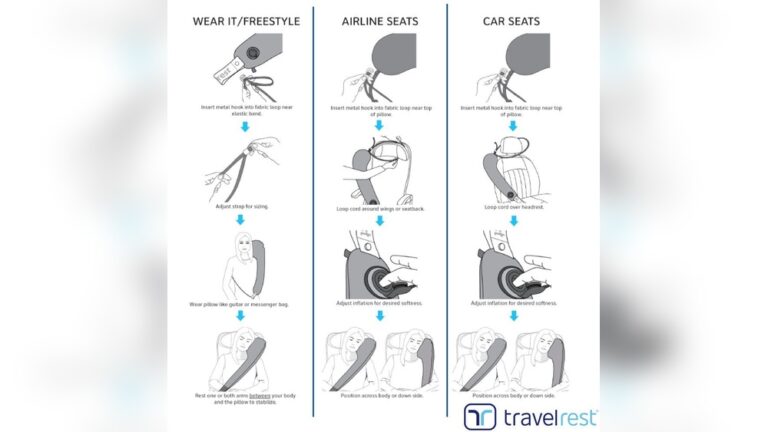
Straps help secure the pillow to your backpack or sleeping pad. They keep the pillow from slipping or falling. Some straps are adjustable for a snug fit. This feature makes carrying easier and saves space. Pillows with straps are practical for hiking and camping.
Pillowcases And Covers
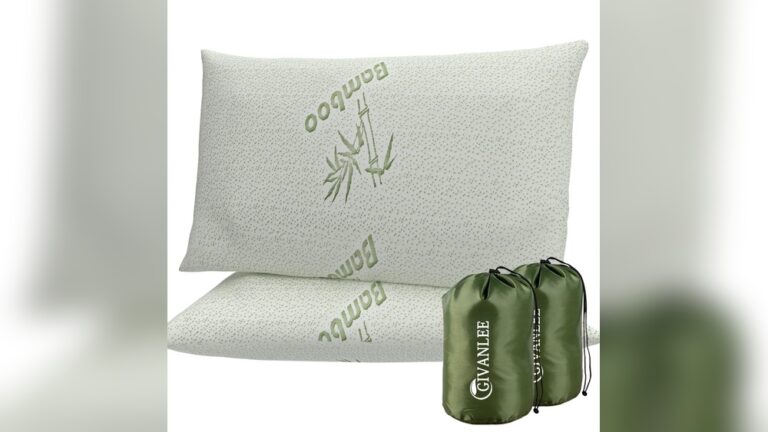
Removable pillowcases protect the pillow from dirt and moisture. Covers are often made from soft, breathable fabric. They can be washed to keep the pillow clean and fresh. Some covers have water-resistant or quick-dry materials. Pillowcases add hygiene and extend pillow life.
Multi-use Pillow Designs
Multi-use pillows serve more than one function. Some convert into seat cushions or lumbar supports. Others can be folded into smaller sizes for easy packing. These designs save space and add versatility. Multi-use pillows are a smart choice for campers with limited gear.
Diy And Custom Options
Choosing the right size for your camping pillow can make a big difference in comfort. Many campers enjoy the freedom of creating their own pillow or adjusting it to fit personal needs. DIY and custom options offer flexibility and a tailored experience for better rest outdoors. These options let you control size, firmness, and overall feel. Below are some ideas to help you get started.
Making Your Own Camping Pillow
Making your own camping pillow is simple and cost-effective. Use soft, durable fabrics like fleece or cotton for the cover. Fill it with materials such as foam, polyester stuffing, or even clothes. You can choose the pillow’s size exactly to suit your needs. A custom size helps support your head and neck better. Sewing a pillow by hand or with a machine takes just a few hours. This option is perfect for campers who want a unique, personal pillow.
Adjustable Fill Levels
Adjustable fill levels let you change how soft or firm your pillow feels. Use a pillow with a removable inner bag or adjustable compartments. Add or remove stuffing to find your ideal comfort level. This feature is useful for different weather conditions or sleeping styles. Some DIY pillows include zippers or Velcro for easy filling changes. Adjusting fill levels also helps reduce pillow bulk when packing. Comfort and convenience come together with this smart option.
Personalizing For Comfort
Personalizing your camping pillow improves sleep quality on every trip. Choose fabrics that match your skin sensitivity and temperature needs. Add features like a contoured shape for neck support or a cooling layer for hot weather. You can also customize the pillow’s size based on your sleeping position. Small details, like a washable cover or a pocket for earplugs, increase usability. Personal touches make your pillow feel like a home-away-from-home item. This focus on comfort helps you wake up refreshed and ready.
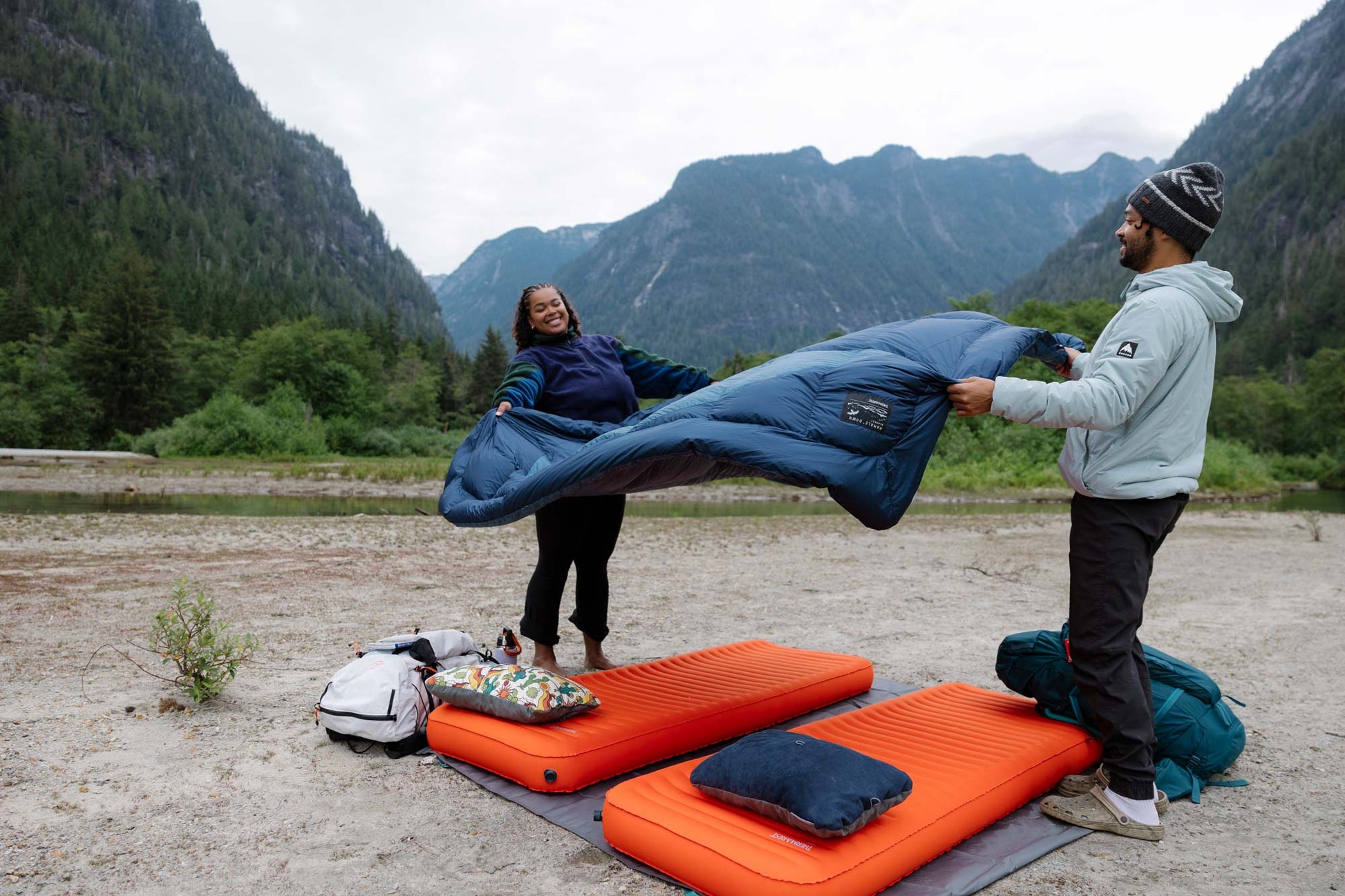
Credit: cascadedesigns.com
Popular Brands And Models
Choosing the right camping pillow means understanding the popular brands and models. These brands offer various sizes and styles to suit different campers. Each brand focuses on comfort, portability, and support. Knowing their key features helps you pick a pillow that fits your needs.
Therm-a-rest Pillows
Therm-a-Rest is famous for lightweight and durable camping pillows. Their pillows come in multiple sizes, from small to large. The large size offers more head and neck support. These pillows use soft, quick-drying fabric that feels comfortable against your skin. They compress well for easy packing. Many campers trust Therm-a-Rest for long trips and rough conditions.
Trtl Travel Pillows
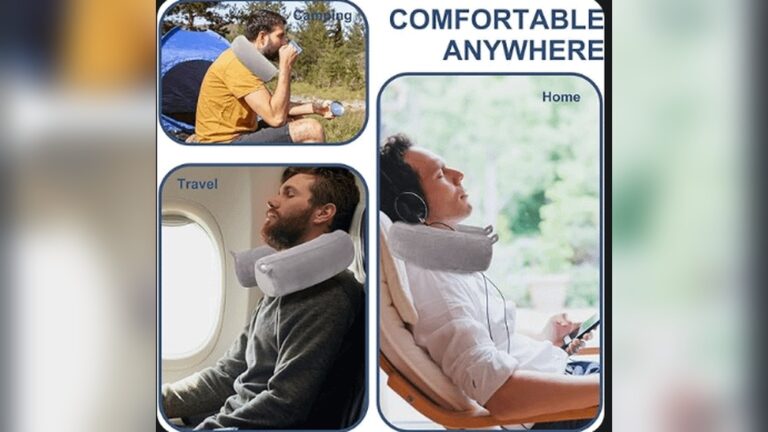
Trtl travel pillows are different from traditional camping pillows. They have a unique, ergonomic design that supports your neck like a scarf. Their size is compact, making them easy to carry in backpacks. Trtl pillows are ideal for side and back sleepers. The fabric is soft and machine washable. This pillow fits well for short camping trips or travel adventures.
Luno Packable Pillows
Luno packable pillows focus on being ultra-light and easy to pack. These pillows compress into small sizes, perfect for minimalists. They come in one main size but offer good support for most sleepers. The materials used are breathable and quick-drying. Luno pillows are great for warm weather camping. They balance comfort with convenience for lightweight camping.
Frequently Asked Questions
Can You Put A 20×20 Pillow Cover On An 18×18 Pillow?
A 20×20 pillow cover is larger and will fit loosely on an 18×18 pillow. It may cause wrinkles and shifting.
What Size Are Travel Pillows?
Travel pillows typically measure 11-13 inches wide and 11-12 inches high. Sizes vary by shape and material.
What Size Pillow Should I Use?
Choose a pillow size based on your sleeping position and bed size. Standard pillows suit most sleepers; side sleepers may need larger or contoured pillows for extra support. For camping or travel, pick compact, compressible pillows for easy packing without sacrificing comfort.
How To Know What Size Pillow To Use?
Choose a pillow size based on your sleeping position and bed size. Side sleepers need larger, firmer pillows; back sleepers prefer medium. Match pillow dimensions to your mattress and personal comfort for optimal support. Portable pillows suit travel, while larger ones offer more comfort at home.
Conclusion
Choosing the right camping pillow size improves your sleep quality outdoors. Consider your sleeping style and how much space you have in your pack. Smaller pillows pack easily but may offer less support. Larger pillows provide comfort but take up more room.
Think about the pillow’s material and how it feels against your skin. Finding the balance between size, comfort, and portability makes camping more enjoyable. Use this guide to pick a pillow that fits your needs perfectly. Rest well and enjoy your adventures.

I am an outdoor enthusiast and gear researcher passionate about camping, hiking, backpacking, and outdoor adventures. I enjoy testing gear, comparing products, and sharing practical advice to help readers make informed decisions. At BestOutsideGear, I create honest gear reviews, buying guides, and outdoor tips to help adventurers choose the right equipment with confidence.