Benefits of Backpacking Tent: Ultimate Comfort and Lightweight Gear
Imagine having a reliable shelter that moves with you, keeps you safe, and fits comfortably in your backpack. That’s exactly what a backpacking tent offers.
Whether you’re a seasoned hiker or just starting out, choosing the right backpacking tent can transform your outdoor experience. You’ll enjoy lightweight convenience, quick setup, and protection from the elements—all while carrying less weight. Ready to discover how a backpacking tent can make your adventures easier and more enjoyable?
Keep reading to find out the top benefits that could change the way you explore nature forever.
Lightweight Design
Choosing a backpacking tent with a lightweight design makes a big difference on the trail. Every ounce saved reduces the load on your back. This allows for longer hikes with less fatigue. A lighter tent means more comfort and freedom during your adventure. It also opens up options for carrying other essential gear. The design focuses on materials and construction to keep weight low without losing durability or protection.
Material Choices
Lightweight tents use advanced materials to reduce weight. Nylon and polyester fabrics are common for their strength and lightness. Silicone or polyurethane coatings add water resistance without bulk. Tent poles often use aluminum or carbon fiber to cut weight while staying sturdy. These materials balance durability with packability. They help keep the tent light and easy to carry.
Weight Savings Impact
Reducing tent weight lowers overall pack weight significantly. Less weight means less energy spent carrying gear. This leads to less tiredness and more endurance on long hikes. A lighter tent also makes it easier to move quickly over rough terrain. It can improve your hiking speed and enjoyment. Weight savings add up when combined with light sleeping bags and backpacks.
Ultralight Vs Standard Tents
Ultralight tents weigh around 2 to 3 pounds. They use minimal materials and compact designs. Standard tents often weigh 4 to 7 pounds or more. They may offer more space or extra features. Ultralight tents suit fast, long-distance trips where every ounce matters. Standard tents work well for casual or car camping. Choosing depends on your needs for weight, space, and comfort.
Credit: www.rei.com
Comfort Features
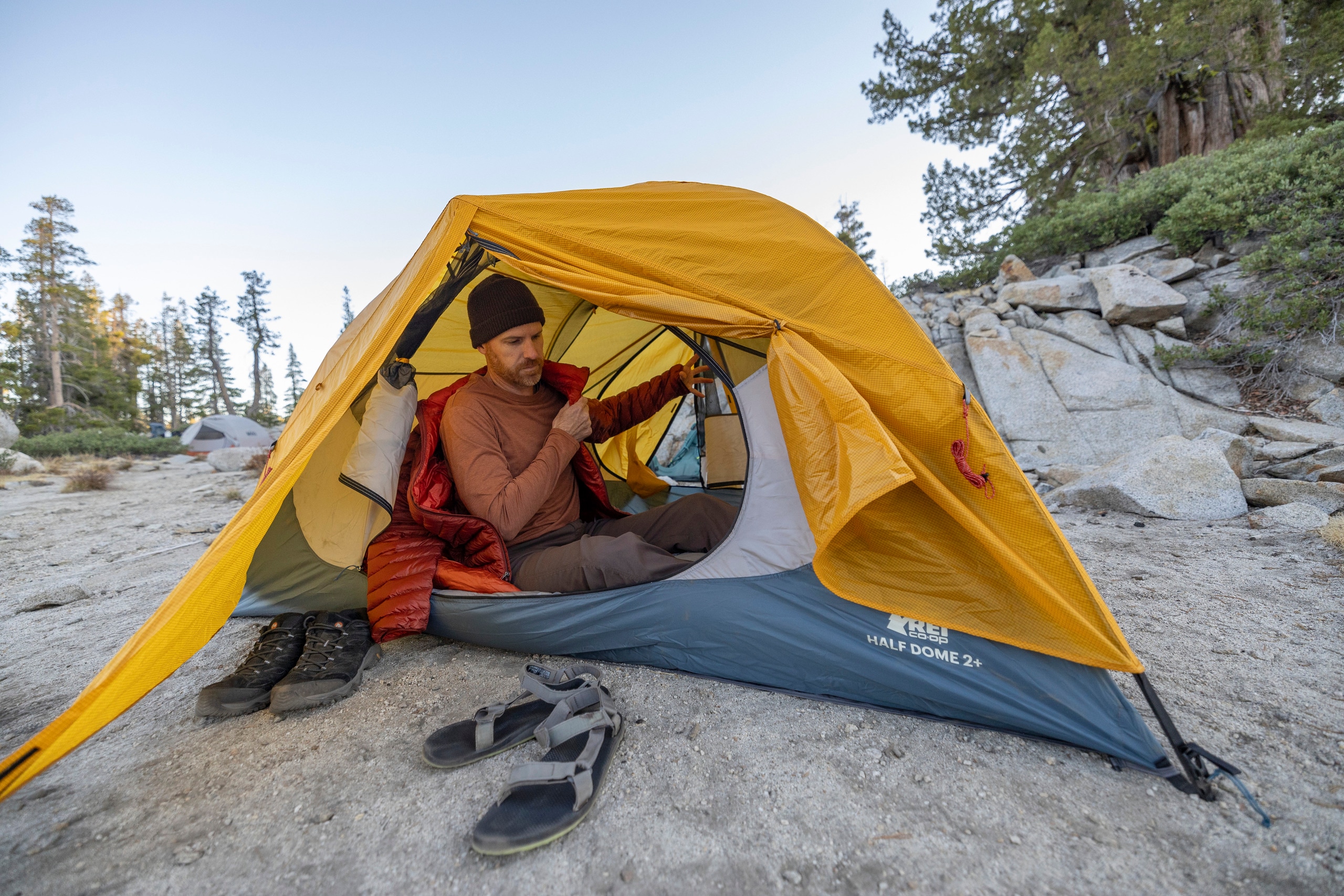
Comfort features in a backpacking tent make your outdoor stay much more pleasant. They help you relax and rest well after a long day of hiking. A good tent offers space, airflow, and protection from weather. These factors improve your camping experience and keep you safe.
Spacious Interiors
Backpacking tents now come with roomy interiors. They allow you to sit, change clothes, and store gear without feeling cramped. A tent with enough headroom and floor space adds comfort. It lets you move freely inside, even during bad weather.
Ventilation And Breathability
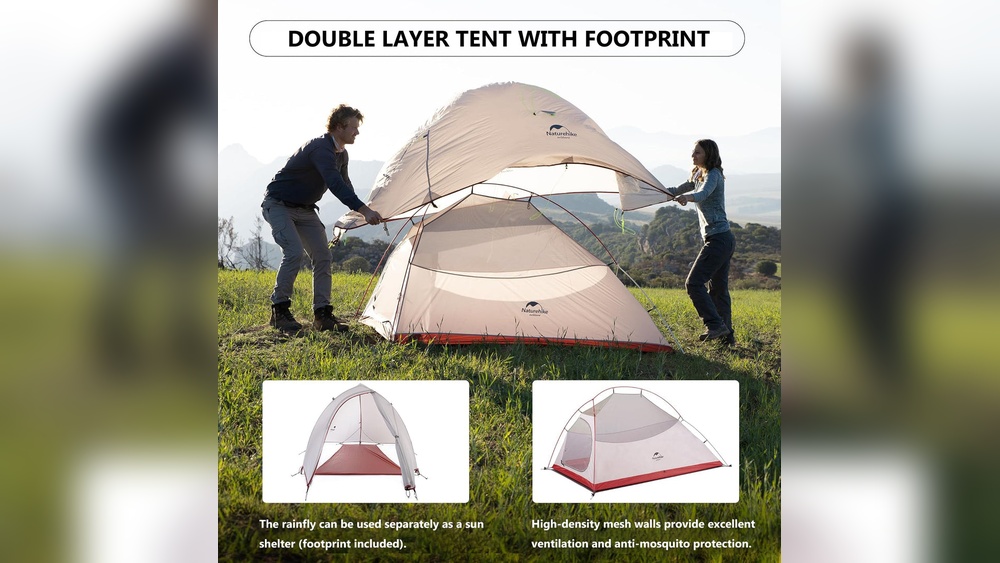
Proper ventilation stops moisture build-up inside the tent. This keeps the air fresh and reduces condensation on walls. Mesh panels and adjustable vents promote airflow. They help you stay cool in warm weather and dry in damp conditions.
Weather Protection
Strong materials and design protect you from wind, rain, and cold. Waterproof fabrics and sealed seams keep water out. A sturdy frame resists strong winds. Good weather protection means you stay dry and warm, no matter the conditions.
Portability Benefits
Portability is a key advantage of backpacking tents. These tents are designed to be light and easy to carry. They allow hikers to move quickly without being weighed down. Portability also means less effort during long treks. This makes outdoor adventures more enjoyable and less tiring.
Ease Of Carrying
Backpacking tents are lightweight and easy to carry on your back. Their design focuses on reducing weight without losing strength. This helps you travel longer distances comfortably. Straps and compact designs make them fit well in backpacks. You can carry your tent without feeling burdened.
Compact Packing Size
These tents pack down into small sizes. They take up minimal space in your backpack. This leaves room for other essential gear like food and clothes. Compact tents fit easily into tight spaces. This makes organizing your backpack simpler and more efficient.
Quick Setup And Breakdown
Backpacking tents are made for fast setup and takedown. Simple designs and lightweight poles speed up the process. You can set up camp quickly after a long day. Packing up is also easy, saving time and energy. This lets you focus more on hiking and less on your gear.
Credit: www.rei.com
Durability And Protection
Backpacking tents offer essential durability and protection for outdoor adventures. They shield you from harsh weather and rough terrain. Built to last, these tents keep you safe and comfortable. Their strong materials and smart designs ensure reliable shelter wherever you camp.
Water Resistance
Backpacking tents use waterproof fabrics to keep rain out. Sealed seams stop water from seeping inside. Rain flies add an extra layer of protection. Staying dry helps prevent discomfort and health issues. Lightweight yet tough, these tents perform well in wet conditions.
Wind Stability
Strong winds can damage weak tents. Backpacking tents feature sturdy poles and low profiles. These designs reduce wind impact and prevent collapse. Guy lines and stakes secure the tent firmly to the ground. This stability means better safety during storms or gusts.
Bug And Wildlife Defense
Mesh panels on backpacking tents block insects without blocking airflow. Zippered doors provide secure entry points to keep bugs out. Durable fabric also protects against small animals or rough contact. This defense helps you sleep peacefully and enjoy nature safely.
Versatility In Camping
Versatility is a key feature of backpacking tents that appeals to many campers. These tents adjust well to different situations and needs. Their design allows easy use in various camping environments. This makes them a reliable choice for many outdoor enthusiasts.
Adaptability To Terrain
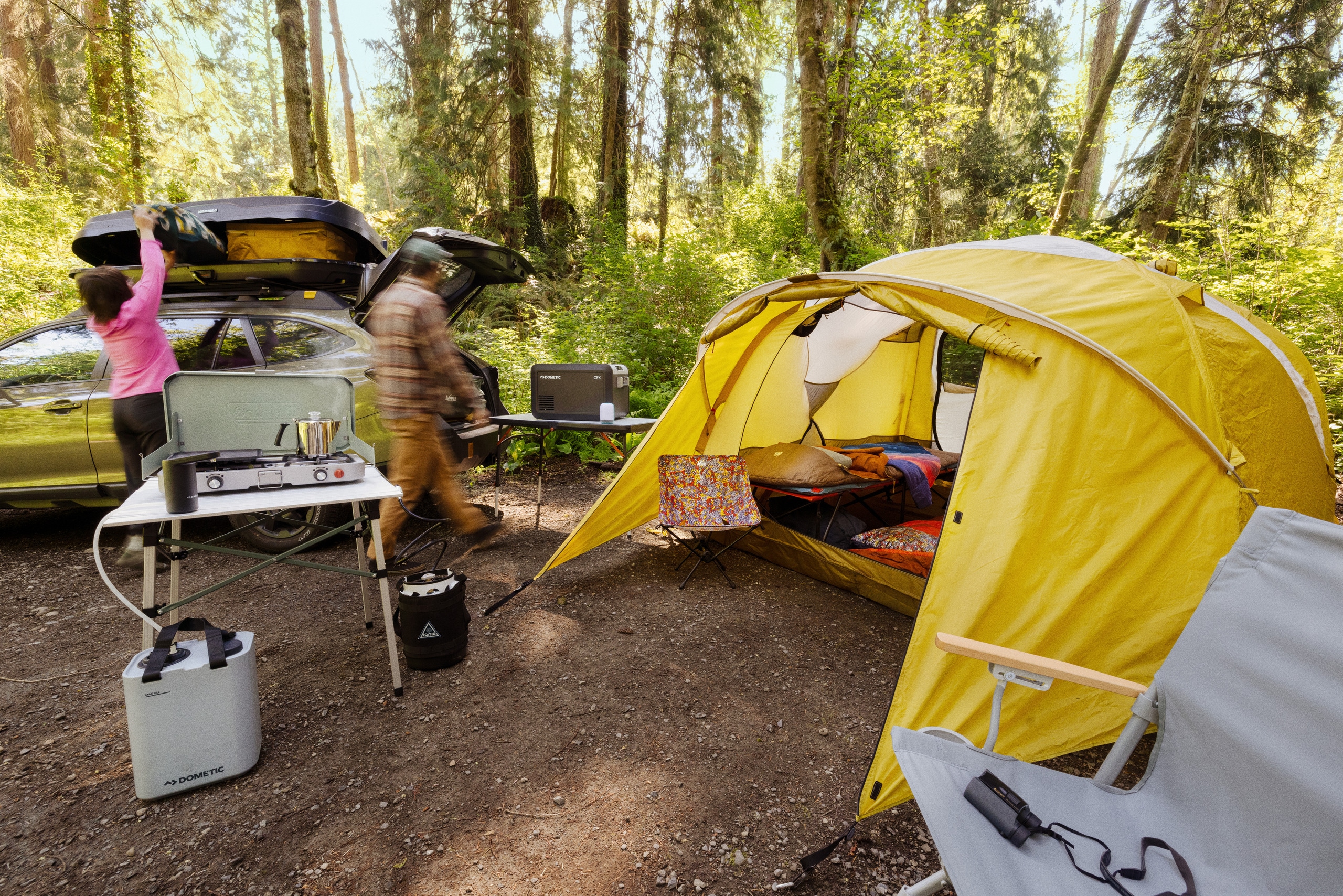
Backpacking tents work well on many surfaces. Whether on rocky ground or soft soil, they stay stable. Their lightweight poles and flexible fabric help set up quickly. This lets campers find shelter in less-than-ideal spots. The ability to pitch on uneven terrain adds to their appeal.
Suitability For Different Weather
These tents provide good protection from rain and wind. Many models have waterproof fabrics and strong frames. They keep campers dry during storms and shield from cold winds. Ventilation options prevent condensation inside the tent. This balance helps keep the inside comfortable in many climates.
Multi-purpose Usage
Backpacking tents serve more than one function. They act as sleeping spaces and storage for gear. Some models can be used as sun shelters during the day. The compact size makes them easy to carry on hikes. Their design suits various outdoor activities beyond just camping.
Health And Safety
Health and safety are top priorities when backpacking. A good tent protects your body and mind. It keeps you safe from weather, bugs, and rough ground. Resting well helps your energy and focus. Staying clean helps avoid illness. A backpacking tent supports all these needs on the trail.
Sleeping Comfort
A backpacking tent creates a cozy, quiet space for sleep. It blocks wind and noise, helping you relax. A dry, flat floor protects from cold, damp earth. Better sleep reduces fatigue and muscle pain. This lets you enjoy each hiking day fully.
Shelter From Elements
Tents shield you from rain, sun, and cold air. Rain stays outside, keeping you dry and warm. Sun protection prevents sunburn and heatstroke. Wind barriers reduce chill and keep you safe. Proper shelter lowers risk of hypothermia or heat exhaustion.
Hygiene Considerations
A tent offers privacy for changing and washing up. It helps keep dirt and insects away from your body. Keeping clean reduces infections and skin problems. A clean tent space helps your gear stay fresh too. This supports your health during long trips.
Gear Storage Options
Backpacking tents offer smart gear storage options that keep your items safe and organized. These tents maximize space with special features to store your equipment. Proper storage helps you find things quickly and protects your gear from dirt and moisture. This section explores three key storage benefits of backpacking tents.
External Pockets And Vestibules
External pockets give easy access to small items like maps and snacks. Vestibules provide extra covered space outside the main tent. You can store boots, backpacks, or wet gear here. These areas keep the inside clutter-free and protect items from rain and dirt.
Internal Organization
Inside the tent, many models have mesh pockets and loops. These help keep your essentials like headlamps, phones, or keys in place. Clear organization inside the tent saves time and prevents losing small items. It also makes the tent feel more comfortable and spacious.
Protection For Equipment
Backpacking tents protect your gear from weather and rough ground. Durable fabrics and sealed seams keep water and dust out. Elevating gear in pockets or vestibules avoids contact with wet floors. This protection extends the life of your equipment and ensures it works well on your trip.

Credit: www.naturehike.com
Cost And Value
Choosing a backpacking tent involves weighing cost against value. A tent is more than just a shelter; it is a key piece of gear for your trips. Understanding the balance of price and quality can help you make a smart purchase. Spending wisely ensures you get the best use and comfort without overspending.
Investment Vs Longevity
Higher-priced tents often use stronger materials and better designs. These tents last longer and perform well in tough weather. A good tent can serve you for many years, saving money over time. Cheaper tents might wear out fast, leading to more costs later. Think of your tent as a long-term investment in your outdoor gear.
Choosing Based On Needs
Your tent choice should match your trip style and weather conditions. Ultralight tents are good for long hikes but cost more. If you camp near your car, a heavier tent can work and cost less. Size matters too: bigger tents cost more but offer comfort. Knowing your needs helps avoid paying for features you won’t use.
Budget-friendly Options
Good tents exist at many price points. Some budget tents offer solid protection and decent weight. Look for tents with simple designs and fewer extras to save money. Check user reviews to find reliable budget models. Affordable tents can provide great value if chosen carefully.
Frequently Asked Questions
Is A 5 Lb Tent Too Heavy For Backpacking?
A 5 lb tent can be heavy for ultralight backpacking but is manageable for most trips. It offers durability and comfort. Choose based on trip length, terrain, and personal preference. Lighter tents reduce fatigue but may sacrifice space or weather protection.
What Are The Big 3 Items Backpacking?
The big 3 items in backpacking are the backpack, shelter (tent or tarp), and sleep system (sleeping bag and pad). These items carry most weight and impact comfort. Choosing lightweight, quality gear reduces fatigue and enhances your backpacking experience.
Is It Healthy To Sleep In A Tent?
Sleeping in a tent promotes fresh air exposure and connection with nature, supporting mental health. Use proper ventilation to avoid condensation and maintain comfort. Choose clean, dry sites to reduce allergy or insect risks. Overall, tent sleeping is healthy with good preparation and hygiene.
What Is The Difference Between A Backpacking Tent And A Regular Tent?
A backpacking tent is lighter, more compact, and designed for easy carrying. Regular tents prioritize space and comfort, often weighing more. Backpacking tents focus on portability and weather resistance, while regular tents offer more room and durability for car camping.
Conclusion
Backpacking tents offer many practical benefits for outdoor lovers. They are lightweight, making hiking easier and less tiring. These tents protect you from weather and insects, ensuring restful sleep. Easy to carry and set up, they save time and energy.
Choosing the right backpacking tent improves your camping experience greatly. Enjoy nature with comfort and safety wherever you go. A good tent supports your adventure and peace of mind. Keep exploring with gear that fits your needs well.