Benefits of Hammock Straps: Ultimate Comfort and Easy Setup
Imagine the perfect way to relax outdoors—your hammock gently swaying between two trees, offering you a peaceful escape. But have you ever wondered what makes that experience truly safe and comfortable?
That’s where hammock straps come in. If you want to enjoy your hammock without worrying about damage to trees or unstable setups, choosing the right hammock straps is a game-changer. You’ll discover the key benefits of hammock straps that protect nature, boost your comfort, and make hanging your hammock easier than ever.
Keep reading to find out how these simple accessories can transform your outdoor relaxation!
Why Use Hammock Straps
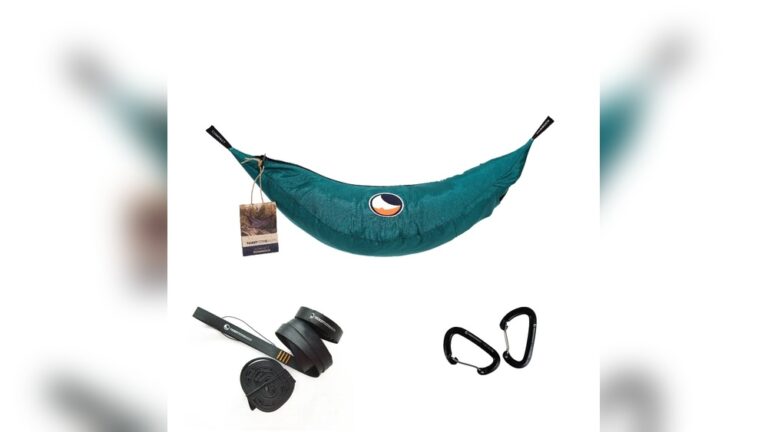
Using hammock straps is essential for a safe and comfortable hammock experience. They provide a strong and reliable way to hang your hammock. Straps protect trees and offer flexibility for different setups. Here are key reasons to use hammock straps.
Support Without Tree Damage
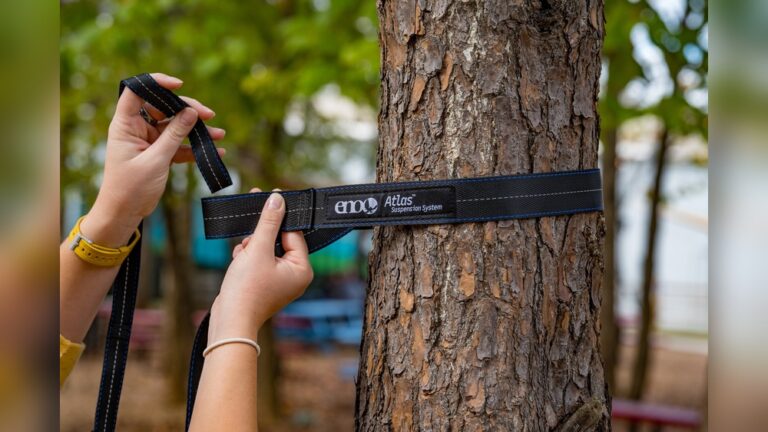
Hammock straps spread the weight evenly around the tree trunk. This prevents bark from getting crushed or torn. Tree-friendly straps help keep the environment safe. They reduce harm to trees compared to ropes or chains. Protecting trees means your favorite spots stay beautiful for years.
Versatile Attachment Points
Straps work with many types of trees and poles. They can wrap around trunks, branches, or posts. Multiple loops or stitching points let you choose the best hang height. This makes it easier to find the perfect spot for your hammock. You can set up your hammock almost anywhere.
Adjustable Lengths
Hammock straps come in various lengths or have adjustable loops. This lets you customize the distance between trees or supports. You can tighten or loosen straps to get the right tension. Adjustable straps fit different tree sizes and spacing. This makes hanging your hammock quick and easy.
Credit: www.onewindoutdoors.com
Comfort Benefits
Hammock straps offer significant comfort benefits that enhance your relaxation experience. They create a secure and gentle way to hang your hammock. This helps you enjoy a more peaceful and comfortable rest outdoors or indoors.
Using hammock straps improves the way your hammock hangs. This directly affects how comfortable you feel while lying in it. The right straps reduce discomfort and support your body properly.
Stable Suspension
Hammock straps provide a stable suspension system. This stability stops unnecessary swinging and sudden drops. A steady hammock keeps you safe and relaxed. You can enjoy your time without worrying about falling or shifting too much.
Reduced Pressure Points
Straps help distribute your weight evenly across the hammock fabric. This reduces pressure on any single spot on your body. You avoid aches and soreness that come from uneven support. Your body feels lighter, making it easier to relax fully.
Better Sleep Position
With hammock straps, you can adjust the height and tension easily. This helps you find the best sleeping position. A proper angle supports your spine and neck correctly. Sleeping diagonally becomes simpler, which leads to less strain and better rest.
Setup Advantages
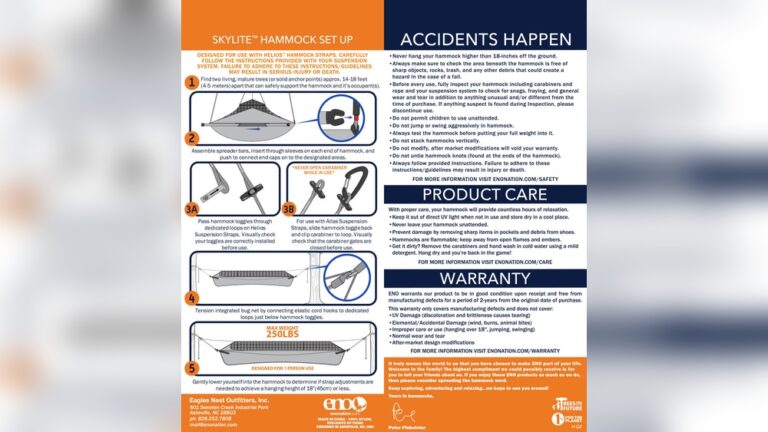
Hammock straps simplify the setup process, making hanging your hammock faster and easier. They provide a hassle-free way to secure your hammock safely. Setup becomes a smooth experience, even for beginners. Enjoy the ease of preparing your relaxation spot without stress or delay.
Quick Installation
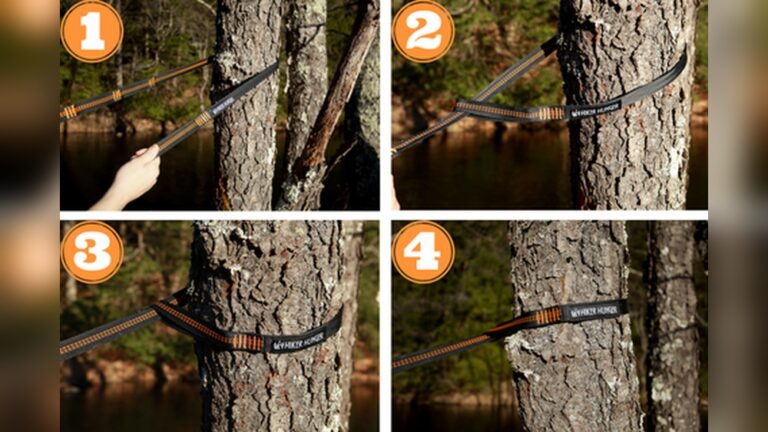
Hammock straps let you hang your hammock in minutes. Their design allows fast wrapping around trees or posts. No complicated knots slow you down. Spend less time setting up and more time relaxing outdoors.
No Tools Required
These straps work without extra tools or hardware. Just wrap and secure them around a sturdy support. No need for drills, screws, or nails. This keeps your setup clean and your trees safe from damage.
Easy Adjustments
Adjusting hammock height and tension is simple with straps. Slide the strap to your preferred length quickly. This flexibility helps you find the perfect comfort level. Change your setup easily at any time without hassle.

Credit: www.amazon.com
Safety And Durability
Safety and durability are vital for hammock straps. They ensure your hammock stays secure and lasts long. Quality straps protect you from falls and accidents. Durable materials resist wear and tear. Reliable straps support your weight without risk. These features make your hammock experience safe and worry-free.
Strong Materials
Hammock straps use tough materials like nylon or polyester. These fabrics resist stretching and tearing. Strong stitching adds extra security. These materials keep the straps from breaking under pressure. They provide steady support for your hammock setup.
Weight Capacity
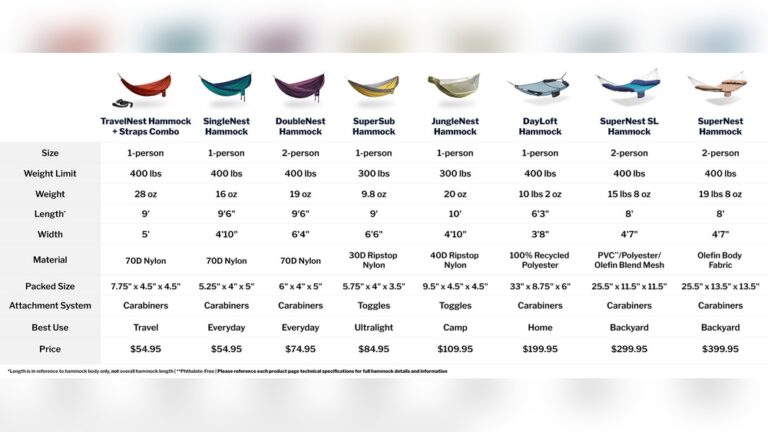
High weight capacity means straps hold heavy loads easily. Good straps support one or more people safely. They prevent sagging or snapping under weight. Knowing the weight limit helps you choose the right straps. Proper weight capacity reduces accidents and damage.
Weather Resistance
Weather-resistant straps handle rain, sun, and wind well. They resist mold, mildew, and fading over time. This keeps straps strong even outdoors. Weather resistance means longer life for your straps. You can trust them in many environments and seasons.
Environmental Impact
Hammock straps offer a positive environmental impact by protecting nature during outdoor activities. They help preserve trees and surrounding areas, ensuring that future generations can enjoy the outdoors. Using hammock straps reduces damage and leaves minimal trace on the environment.
Tree-friendly Design
Hammock straps are made with wide, durable materials that spread weight evenly. This design prevents bark damage and protects tree health. Unlike ropes, straps do not cut into the tree or cause wounds. They allow trees to grow strong while supporting your hammock safely.
Minimal Footprint
Hammock straps require less space than traditional hanging methods. They avoid the need for nails or permanent fixtures that harm the environment. By using straps, campers leave fewer marks on the ground. This minimal footprint helps keep natural areas clean and undisturbed for wildlife and other visitors.
Choosing The Right Straps
Choosing the right hammock straps is key for a safe and comfortable hang. The right straps hold your hammock securely without damaging trees. They also make setup easier and faster. Not all straps are the same. Picking the best fit depends on your needs and hammock type. Below are important factors to consider when selecting straps.
Material Types
Straps come in various materials such as nylon, polyester, and cotton. Nylon straps are strong and resistant to weather. Polyester straps resist UV rays and do not stretch much. Cotton straps feel soft but wear out faster outdoors. Choose a material that matches your usage and climate.
Length Options
Straps vary in length from about 6 feet to over 15 feet. Longer straps offer more hanging options and fit wider trees. Shorter straps are lighter and easier to carry. Pick a length that works with your usual hang spots. Make sure the length allows for proper hammock sag.
Compatibility
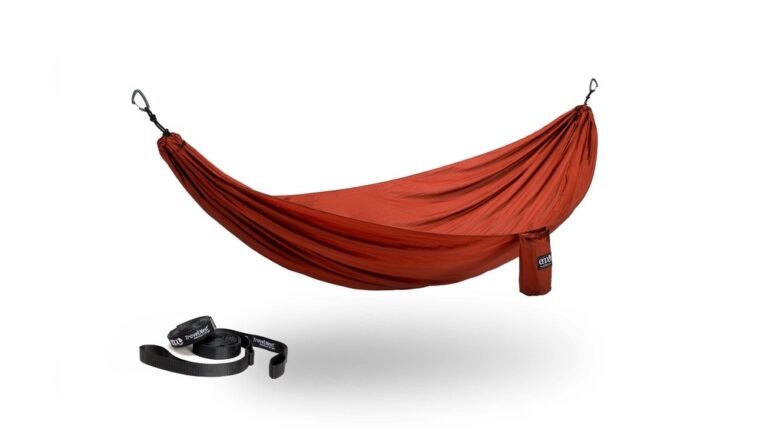
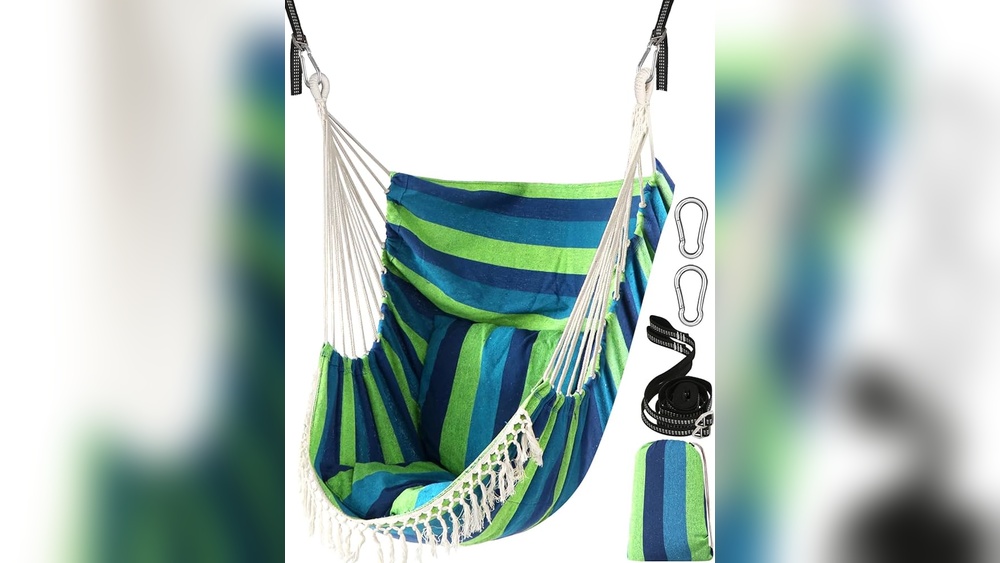
Check if straps fit your hammock’s attachment points. Some straps come with carabiners or loops that match specific hammock hooks. Others work with a variety of suspension systems. Ensure the strap width suits your hammock’s hardware. Compatibility keeps your setup secure and stable.
Maintenance Tips
Proper maintenance of hammock straps ensures safety and extends their lifespan. Regular care prevents damage and keeps the straps strong. Follow simple steps to clean, store, and inspect your hammock straps. These tips help you enjoy your hammock safely for years.
Cleaning Methods
Remove dirt and debris with a soft brush before washing. Use mild soap and warm water for cleaning. Avoid harsh chemicals that can weaken the material. Rinse thoroughly to remove soap residue. Air dry straps away from direct sunlight to prevent fading and damage.
Storage Advice
Store hammock straps in a cool, dry place after use. Avoid leaving them outside in wet or humid conditions. Fold or roll straps neatly to prevent tangling and creases. Use a storage bag or container to keep them clean and safe. Proper storage stops mold and mildew growth.
Inspection For Wear
Check straps for fraying, cuts, or loose stitching regularly. Look closely at the loops and attachment points. Replace any straps showing signs of wear or damage. Inspect metal parts for rust or bending. Regular checks prevent accidents and ensure secure hanging.
Common Mistakes To Avoid
Using hammock straps correctly ensures safety and comfort. Many beginners make simple errors that reduce strap effectiveness. Avoiding these mistakes keeps your hammock secure and protects trees. Learn common pitfalls to enjoy your hammock safely and comfortably.
Overtightening
Tightening straps too much can damage trees and straps. Straps need some slack to absorb weight and movement. Overtightening causes stress on the strap material. It may also harm the tree bark, which can kill the tree over time. Leave enough give for a gentle curve in your hammock.
Incorrect Knotting
Tying wrong knots weakens the strap’s hold and safety. Not all knots suit hammock straps. Simple knots like the bowline or figure-eight work best. Incorrect knots can slip or undo, causing falls. Practice secure knots before hanging your hammock outdoors.
Ignoring Tree Size
Choosing trees that are too thin can cause damage or collapse. Thin trees cannot support the weight safely. Look for healthy trees at least 6 inches thick. Using thick trees spreads the load and protects the tree’s health. Always check tree strength before hanging your hammock.

Credit: www.pcna.com
Frequently Asked Questions
Do You Need Hammock Straps?
Yes, hammock straps are essential for safely hanging your hammock from trees or posts. They protect trees and provide secure support. Using quality straps prevents damage and ensures stability, enhancing your hammock experience while preserving nature.
Is It Healthy To Sleep In A Hammock Every Night?
Sleeping in a hammock nightly can improve sleep quality and relieve pain if hung correctly. Avoid spreader bars and lie diagonally for proper support. Consult a doctor if you have spinal issues. Poor posture or wrong hammock use may cause discomfort.
What Are The Disadvantages Of A Hammock?
Hammocks may cause poor posture and back pain if hung incorrectly. They can be unstable and hard to get out of. Some users find the constant motion disruptive. Not all hammock types support long-term sleep comfortably or safely.
How Do Hammock Straps Work?
Hammock straps wrap securely around trees or posts, providing strong, adjustable support. They distribute weight evenly, protecting trees and enhancing safety. Easy to install, straps prevent damage to the suspension system and allow quick setup and takedown for your hammock.
Conclusion
Hammock straps make hanging your hammock easy and safe. They protect trees and ensure strong support. Using good straps prevents damage and keeps your hammock steady. You can set up your hammock faster with quality straps. They also allow flexible hanging options wherever you go.
Simple to carry and use, hammock straps improve your outdoor experience. Choosing the right straps helps you enjoy comfort and peace of mind. Overall, hammock straps are a smart addition for any hammock user.