Benefits of Sleeping Pad: Ultimate Comfort for Outdoor Adventures
Imagine waking up after a night outdoors feeling refreshed, pain-free, and truly rested. Sounds great, right?
That’s exactly what the right sleeping pad can do for you. Whether you’re camping, backpacking, or just looking for a better way to sleep on hard surfaces, a sleeping pad offers more than just a simple cushion. It’s your personal comfort zone that protects you from cold, hard ground while supporting your body so you avoid aches and stiffness.
You’ll discover the key benefits of using a sleeping pad and why it might just be the game-changer for your next night’s sleep. Keep reading to learn how this small gear can make a big difference to your comfort and rest.
Sleeping Pad Basics
Understanding the basics of a sleeping pad is essential for anyone who enjoys outdoor adventures. A sleeping pad acts as a barrier between your body and the cold, hard ground. It provides comfort and insulation, which are vital for a good night’s sleep. Without it, you may wake up with aches or feel cold throughout the night.
Choosing the right sleeping pad improves your outdoor sleeping experience. It supports your body and helps maintain your body heat. Knowing how sleeping pads work and the types available helps you pick one that fits your needs.
Role In Outdoor Sleep
A sleeping pad plays two main roles: cushioning and insulation. Cushioning protects your body from rocks, roots, and uneven ground. It prevents pressure points that cause pain and discomfort. Insulation keeps your body warm by blocking cold from the ground. This is crucial because the earth can draw away your body heat quickly.
Without proper insulation, your sleep quality drops, and you may feel cold all night. Sleeping pads make it easier to rest deeply and wake up refreshed. They also help reduce the risk of hypothermia in cold weather.
Types Of Sleeping Pads
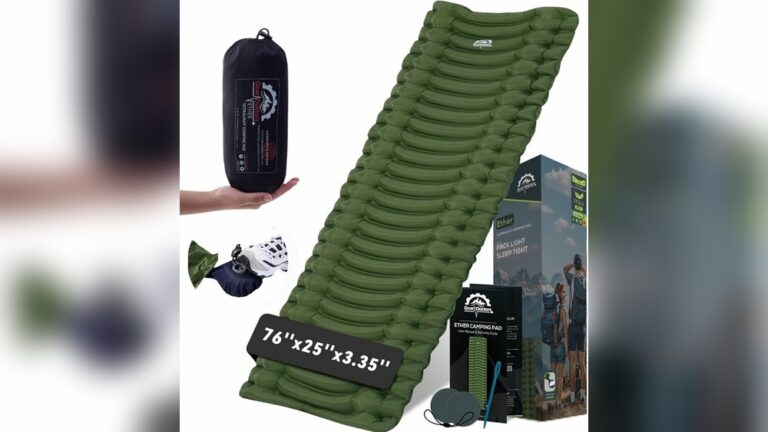
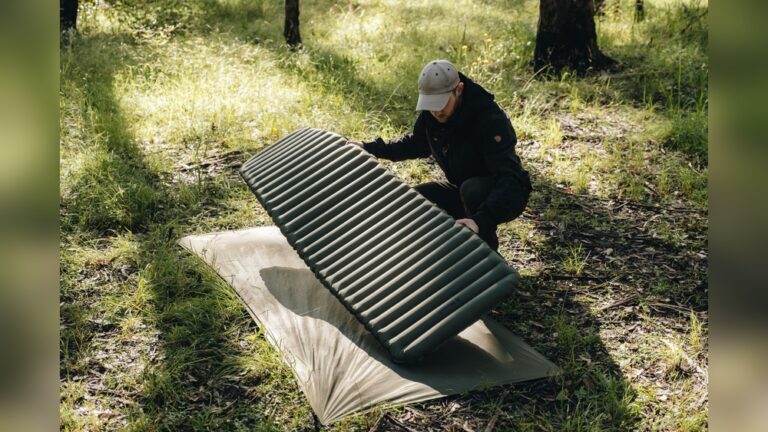
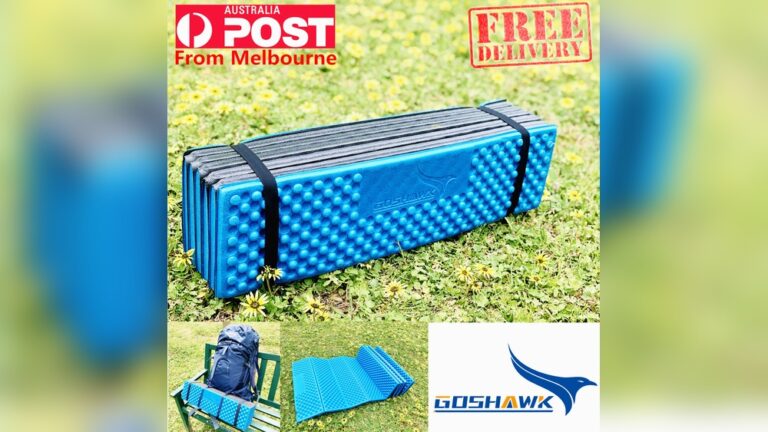
There are three main types of sleeping pads: foam, inflatable, and self-inflating. Foam pads are lightweight and durable. They provide basic insulation and cushioning. Inflatable pads offer excellent comfort and pack down small for easy transport. They can be adjusted for firmness by adding or releasing air.
Self-inflating pads combine foam and air chambers. They inflate partially on their own and provide good support and warmth. Each type suits different needs. Foam pads are best for rough terrain. Inflatable pads work well for comfort seekers. Self-inflating pads balance ease and comfort.

Credit: cascadedesigns.com
Insulation Benefits
Sleeping pads offer crucial insulation benefits that improve comfort during rest. They create a barrier between your body and the cold ground. This barrier helps retain your body heat. Insulation is key for staying warm, especially outdoors. Without it, heat escapes quickly, making sleep difficult. A sleeping pad’s insulation supports better rest in chilly conditions.
Preventing Heat Loss
The ground pulls heat away from your body fast. Sleeping pads block this heat loss effectively. They trap warm air close to your skin. This stops cold from seeping in through the bottom. Good insulation reduces the chance of waking up cold. It keeps your body temperature steady all night.
Impact On Sleep Quality
Warmth from insulation helps you fall asleep faster. Staying warm prevents frequent waking during the night. Better insulation means deeper, more restful sleep. You feel more refreshed and energetic the next day. A sleeping pad improves sleep quality by maintaining warmth. Comfortable warmth creates a cozy sleep environment outdoors.
Comfort Advantages
Comfort is a key reason to use a sleeping pad. It makes outdoor sleep feel much better. A sleeping pad softens hard ground. It helps you rest well and wake up refreshed.
Sleeping pads come in many types. They offer different levels of comfort for various needs. They protect your body from rough surfaces and give steady support. This comfort is important for a good night’s sleep outside.
Cushioning Hard Surfaces
Sleeping pads create a soft layer between you and the ground. They reduce pressure from rocks, roots, and uneven earth. This cushioning stops aches and pains after sleeping. Without a pad, hard surfaces can cause discomfort and restless sleep. A good sleeping pad absorbs shocks and makes lying down peaceful.
Support For Different Sleepers
Different people sleep in different ways. Side sleepers need more padding for hips and shoulders. Back sleepers benefit from firm, even support. Stomach sleepers require thinner pads to avoid strain. Sleeping pads come in various thicknesses and firmness. This variety helps each sleeper find the right comfort. The right pad keeps your spine aligned and reduces body stress.
Enhancing Sleep System
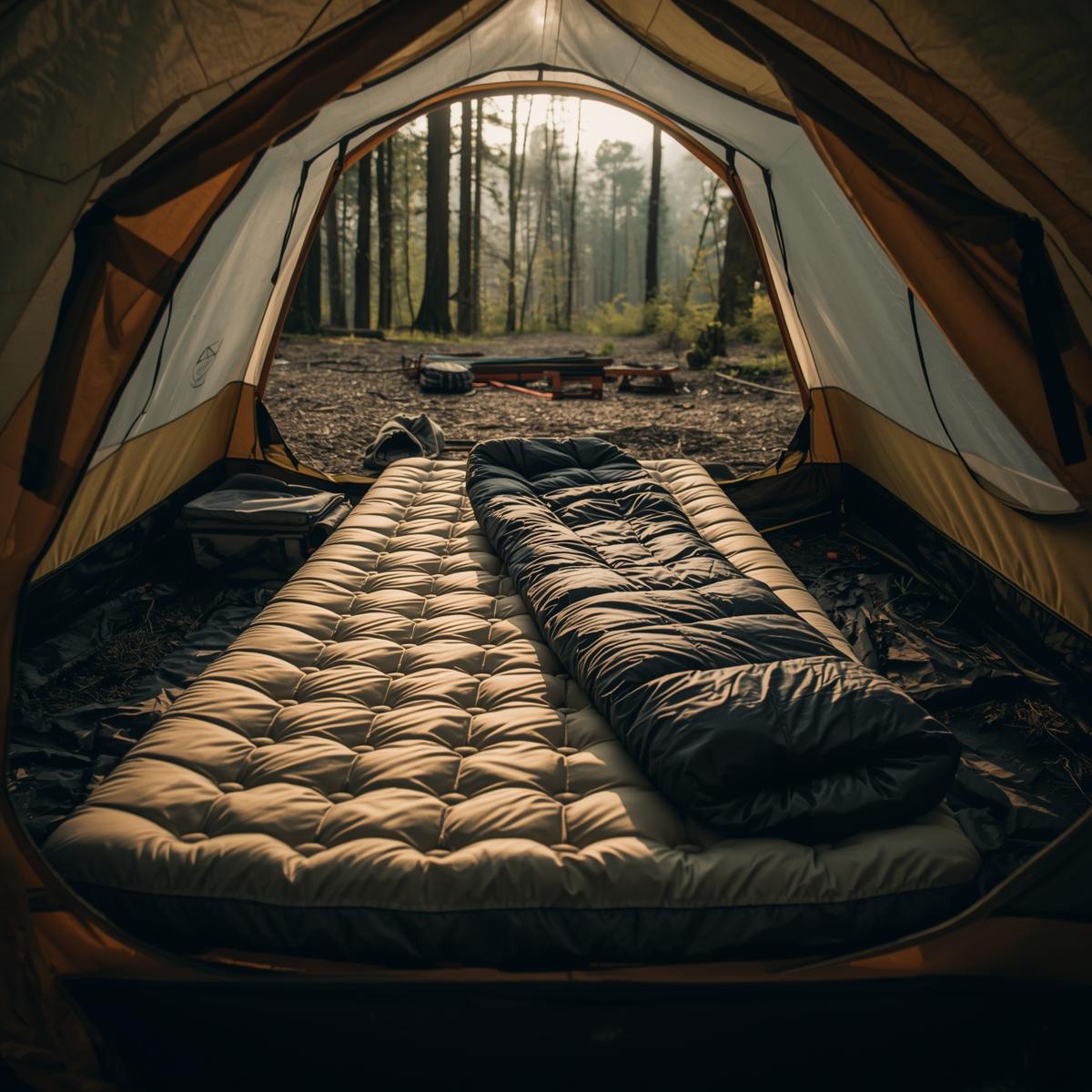
A sleeping pad plays a key role in improving your sleep system outdoors. It adds comfort and insulation, making rest deeper and more peaceful. Without a pad, your body feels the hard ground and cold, disturbing your sleep. Using a sleeping pad helps create a cozy, warm space that supports your body well.
This simple gear lifts your sleeping bag’s performance and keeps you comfortable. It protects you from cold and rough surfaces. A better sleep system means better energy for your adventures.
Boosting Sleeping Bag Efficiency
A sleeping pad stops your sleeping bag from getting squished under your weight. This keeps the bag’s insulation working well. When the insulation stays fluffy, it traps more heat around your body. This means your sleeping bag can keep you warmer for longer. It helps you save energy and stay comfortable at night.
Maintaining Warmth In Cold
The ground can be very cold and draw heat away from your body. A sleeping pad acts as a barrier between you and the cold earth. It prevents heat loss by insulating your body from the cold ground. This helps keep your core temperature steady all night. Staying warm is easier, even in chilly conditions.
When To Skip A Sleeping Pad
Sleeping pads offer warmth and comfort on outdoor trips. Still, there are moments when you might skip using one. Understanding these situations helps you pack smarter and stay comfortable. Skipping a sleeping pad is rare but possible in some cases. Here are two key scenarios to consider.
Warm And Soft Ground Conditions
Sleeping pads may not be needed on warm nights. If the ground is soft like grass or sand, it can cushion your body naturally. Warm weather means less heat loss to the ground. Your body stays cozy without extra insulation. Still, skipping a pad might reduce comfort for some people. It depends on your tolerance for firmness and temperature.
Minimalist And Survival Scenarios
In minimalist trips, every ounce counts. Some hikers carry only a lightweight foam pad or none at all. Survival situations may force you to skip a pad to save space. Expect a harder, colder sleep without one. Your body will feel the rough ground and chill more. Use this option only if necessary and be ready for discomfort.
Sleeping Pad Vs Air Mattress
Choosing between a sleeping pad and an air mattress matters for camping comfort and convenience. Each option has unique qualities that suit different needs. Understanding their differences helps you pick the best gear for restful sleep outdoors.
Weight And Portability
Sleeping pads are usually lighter than air mattresses. They fold or roll into small sizes, making them easy to carry. Air mattresses tend to be bulkier and heavier. They need more space in your backpack or car. Lightweight gear helps hikers and campers move faster. Portability is key for trips where every ounce counts.
Comfort And Insulation Differences
Air mattresses feel softer because they inflate with air. This can offer more cushion on flat ground. Sleeping pads provide firmer support but have better insulation. They keep your body heat from escaping to the cold ground. Some pads have foam or reflective layers for warmth. Air mattresses may not protect well against cold or uneven surfaces. For cold nights, sleeping pads often provide better rest.
Choosing The Right Pad
Choosing the right sleeping pad makes a big difference in your outdoor rest. The right pad keeps you warm and comfortable all night. It protects you from cold, hard, and uneven ground. Picking a pad that fits your needs helps you enjoy your adventure more.
Factors To Consider
Look at the pad’s weight and size. Lighter pads are easier to carry. Thicker pads offer more comfort and insulation. Check the pad’s insulation value, called the R-value. Higher R-values mean better warmth. Think about the pad’s durability. Stronger materials last longer in rough conditions. Also, consider how easy it is to pack and inflate.
Matching Pad To Adventure Type
For car camping, comfort and thickness matter most. You can carry a heavier, thicker pad. For backpacking, choose a light and compact pad. It should be easy to carry and quick to set up. In cold weather, pick a pad with high insulation. For summer trips, a thinner pad may work fine. Match the pad’s features to your trip’s needs and conditions.

Credit: cascadedesigns.com

Credit: www.rei.com
Frequently Asked Questions
What Are The Benefits Of Sleeping Pads?
Sleeping pads provide insulation from cold ground and cushion against hard surfaces. They enhance comfort, prevent body aches, and improve sleep quality during camping. Pads also boost sleeping bag warmth and protect from moisture, ensuring a restful and warm night’s sleep outdoors.
Do You Really Need A Sleeping Pad?
Yes, a sleeping pad provides essential insulation and cushioning from cold, hard ground, ensuring warmth and comfortable sleep outdoors.
What Is The Healthiest Surface To Sleep On?
The healthiest surface to sleep on offers firm support and cushioning, like a medium-firm mattress or quality sleeping pad. It maintains proper spinal alignment, reduces pressure points, and provides insulation from cold surfaces. Choose surfaces that promote comfort and prevent aches for better sleep and overall health.
Are Sleeping Pads Better Than Air Mattresses?
Sleeping pads offer better insulation and cushioning than air mattresses. They keep you warm and protect from hard, cold ground. Air mattresses provide comfort but lack warmth and durability for outdoor use. Choose pads for camping warmth and support; air mattresses suit indoor or car camping.
Conclusion
A sleeping pad makes your outdoor sleep warmer and more comfortable. It cushions your body from hard, uneven ground. This helps you avoid aches and wake up refreshed. Insulation from the pad keeps your body heat from escaping. A good pad works well with your sleeping bag.
It helps you rest better in cold weather. Even simple pads improve your camping experience a lot. Choosing the right sleeping pad is a smart step for any trip. Rest well, stay warm, and enjoy your adventures more.