Benefits of Ultralight Tent: Ultimate Comfort and Easy Mobility
Imagine carrying your shelter on your back without feeling weighed down or exhausted. That’s exactly what an ultralight tent offers you.
Whether you’re hiking through rugged trails or camping under the stars, this type of tent can transform your outdoor experience. You’ll move faster, feel more comfortable, and enjoy more freedom on your adventures. Curious about how an ultralight tent can make your trips easier and more enjoyable?
Keep reading to discover the top benefits that might just change the way you camp forever.
Credit: www.naturehike.com
Lightweight Design
The lightweight design of an ultralight tent changes the outdoor experience. It reduces the burden on your back and makes every step easier. This design focuses on cutting weight without losing essential protection. Choosing an ultralight tent means less strain and more comfort during your adventures.
Reduced Carry Weight
Ultralight tents weigh much less than traditional tents. This means you carry fewer pounds on your hike. Less weight reduces fatigue and lowers the risk of injury. Carrying a lighter tent frees up space for other gear. It also helps keep your backpack balanced and comfortable. This makes your journey smoother and more enjoyable.
Easier Long-distance Hiking
Long hikes become less tiring with a lightweight tent. You can move faster and cover more ground each day. The tent’s light weight allows you to keep your energy for hiking. It also reduces the need for frequent breaks. This helps you reach your goals quicker and with less stress. An ultralight tent supports endurance and makes long trips more fun.
Compact Packability
Compact packability is one of the key benefits of an ultralight tent. It means the tent folds down into a very small, easy-to-carry bundle. This makes it simple to carry on hikes and trips with limited space. A tent that packs small helps reduce bulk in your backpack. It also makes setting up camp quicker and less stressful.
Small Packed Size
Ultralight tents have a very small packed size. They use lightweight materials and smart design. This allows the tent to compress tightly without damage. The small size takes up less room in your gear. It makes carrying the tent easier on your shoulders and back. A smaller packed size means you can bring other essentials too.
Fits In Various Backpacks
These tents fit comfortably in many types of backpacks. Whether you have a daypack or a larger hiking pack, the tent slides in easily. The compact shape fits in side pockets or main compartments. This flexibility helps you organize your gear better. You do not need a special bag just for your tent. It also frees up space for food, clothes, and tools.
Enhanced Mobility
Ultralight tents offer a key advantage: enhanced mobility. They help you move faster and carry less weight. This benefit improves your camping and hiking experience.
Lightweight tents reduce fatigue during long treks. They allow you to explore more places without feeling tired. Mobility also means you can adapt quickly to changing environments and weather.
Quick Setup And Takedown
Ultralight tents are designed for fast assembly. Simple designs and fewer parts make setup quick and easy. This saves time and energy after a long day on the trail.
Takedown is just as fast, allowing you to leave camp early. Quick pack-up means less stress and more time for your adventures. These tents suit hikers who move frequently or cover long distances.
Flexible Camping Options
Ultralight tents fit many camping styles and locations. Their compact size lets you camp in tight or unusual spots. You can pitch them on rocky or uneven ground with ease.
They also work well for solo trips or small groups. Carrying less gear frees space for food, water, or other essentials. This flexibility makes ultralight tents ideal for diverse outdoor plans.
Comfort Features
Comfort features in an ultralight tent enhance your camping experience. These features ensure you rest well after a long day outdoors. Lightweight does not mean sacrificing comfort. Modern ultralight tents focus on usability and ease. They provide space and airflow without adding weight. This balance makes them ideal for backpackers and hikers.
Adequate Interior Space
Ultralight tents offer enough room for sleeping and gear. Designers maximize space with smart layouts and shapes. You can sit up and move without trouble. Some models have pockets to keep essentials close. This helps keep the tent organized and clutter-free. The interior feels cozy, not cramped. It supports a comfortable night’s sleep in nature.
Improved Ventilation
Proper airflow reduces condensation inside the tent. Ultralight tents use mesh panels and vents. These allow fresh air to circulate freely. Good ventilation keeps the tent cool on warm nights. It also prevents dampness and mold build-up. You stay dry and comfortable, even in humid conditions. This feature adds to the tent’s overall comfort and livability.
Durability And Materials
Durability and materials play a vital role in the performance of ultralight tents. These tents balance lightness with strength to withstand outdoor challenges. Choosing the right fabric and construction ensures long-lasting use without adding heavy weight.
Use Of High-quality Fabrics
Ultralight tents use advanced fabrics like ripstop nylon and polyester. These materials resist tearing and punctures while remaining very light. High-quality fabrics also maintain shape and structure, even after repeated use. Manufacturers treat the fabrics to enhance durability and reduce wear from abrasion. These features help ultralight tents endure rough terrains and constant packing.
Weather Resistance
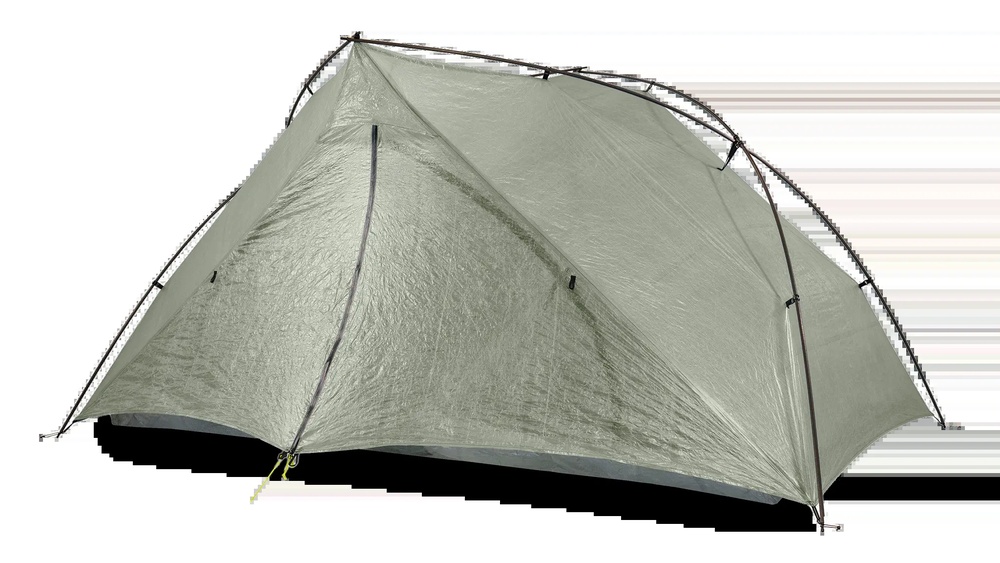
Strong materials add excellent weather protection to ultralight tents. Fabrics often have waterproof coatings such as silicone or polyurethane. These coatings keep rain and moisture out while allowing some breathability. Sealed seams prevent water leaks during heavy storms. Wind resistance comes from sturdy poles and reinforced fabric attachment points. These tents protect campers from rain, wind, and dew without much added weight.
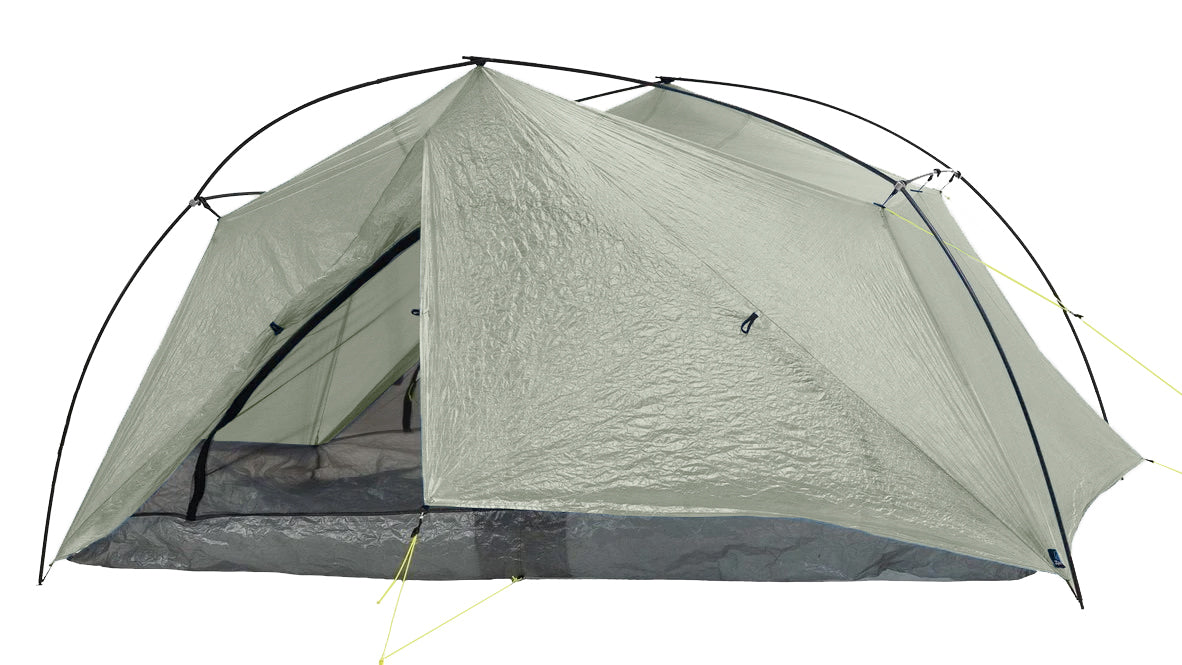
Credit: zpacks.com
Cost Considerations
Choosing an ultralight tent involves thinking about costs beyond just the price tag. The initial cost might feel high, but the overall value can be significant. Understanding this balance helps in making a smart purchase.
Initial Investment
Ultralight tents often cost more than regular tents. This higher price comes from advanced materials and design. These tents use lightweight fabrics and strong poles. Manufacturers spend extra to keep the weight low and strength high. Buyers pay for this innovation upfront. The cost can be two times or more than standard tents. For many, this initial expense can seem large.
Long-term Value
The true benefit of an ultralight tent shows over time. Carrying less weight reduces fatigue on long hikes. This can lead to more trips and better experiences. Ultralight tents also tend to last with proper care. Their durable materials resist wear and tear well. Saving energy on the trail is a big plus. This can lower costs linked to injuries or slower hikes. Over time, the investment in an ultralight tent often pays off through more use and comfort.
Common Drawbacks
Ultralight tents offer amazing weight savings for hikers and campers. Yet, they come with some common drawbacks. Understanding these issues helps you decide if an ultralight tent suits your needs. Two frequent complaints are draftiness and splash-back. These affect comfort and protection during your outdoor trips.
Draftiness Issues
Many ultralight tents use mesh panels and short doors. This design improves airflow but can let cold air in. The result is a drafty interior during chilly or windy nights. Lightweight materials may not block wind as well as heavier tents. Some users find this uncomfortable, especially in cold weather. Choosing a tent with adjustable vents can reduce draft problems.
Splash-back Challenges
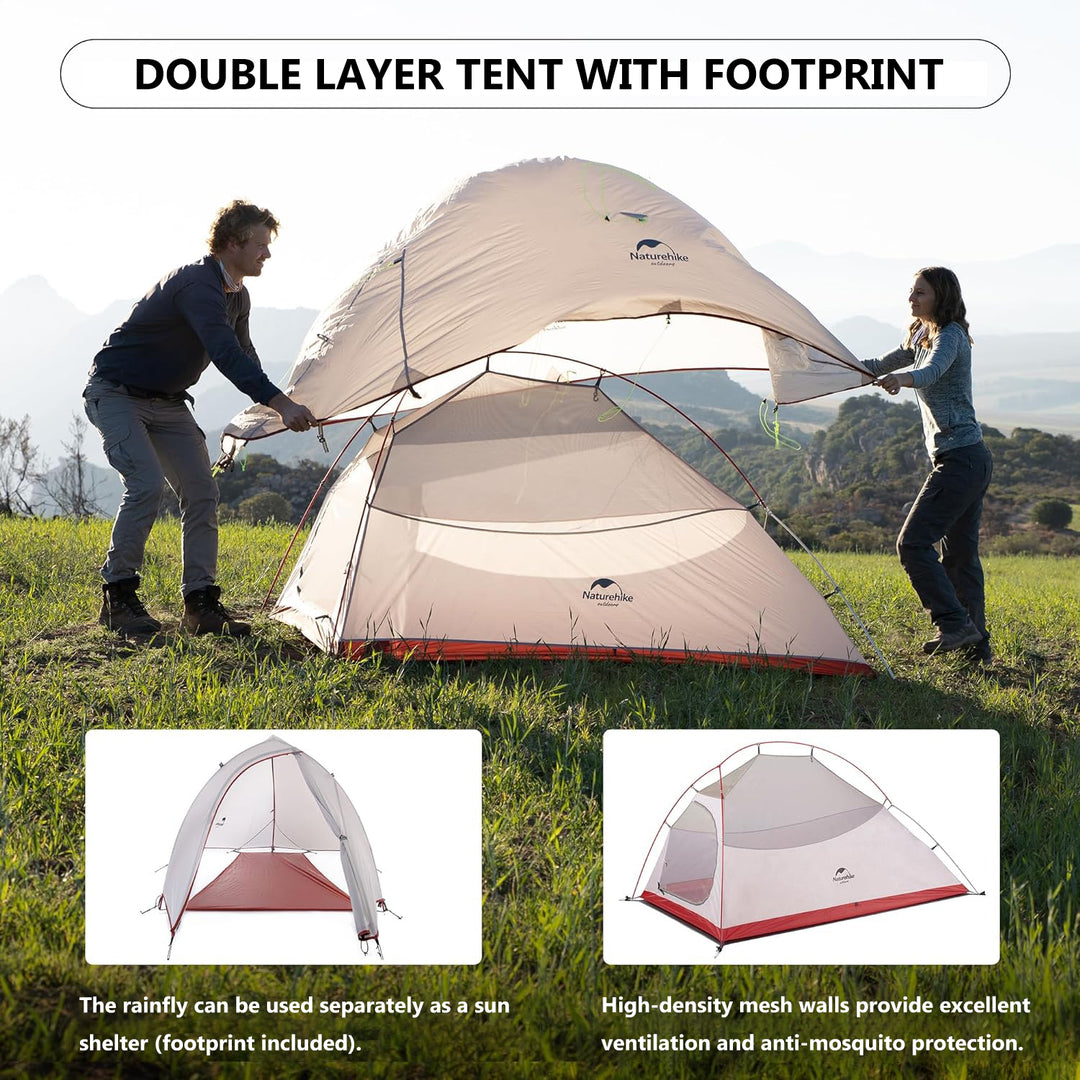
Ultralight tents often have half-length vestibule doors. These doors do not reach the ground fully. When rain hits the ground outside, it can splash back inside. This splash-back can wet your gear and sleeping area. The thin floor fabric can also let moisture seep through. Proper site selection and using a footprint help limit water issues. Still, splash-back remains a concern on wet trails.
Comparisons To Standard Tents
Ultralight tents offer a fresh alternative to traditional camping shelters. They focus on reducing weight without sacrificing essential features. Comparing them to standard tents helps campers decide which option fits their needs best. This section explores key differences in weight, sturdiness, and versatility.
Weight Vs. Sturdiness
Ultralight tents weigh much less than standard tents. This makes carrying them easier on long hikes. Standard tents often use heavier materials for strength and durability. Ultralight tents use thin fabrics and lighter poles. This can make them less sturdy in strong winds or heavy rain. Campers must balance weight savings with how tough the tent needs to be. For calm weather, ultralight tents perform well. In rough conditions, standard tents provide more protection.
Versatility Differences
Standard tents usually have more space and features. They often include multiple doors, larger vestibules, and more headroom. Ultralight tents focus on minimalism and compact design. This can limit interior space and storage options. Some ultralight models have fewer setup choices. Standard tents offer more flexibility for different camping styles. Ultralight tents suit fast, light backpacking trips. Standard tents work better for family camping or longer stays.
Choosing The Right Ultralight Tent
Choosing the right ultralight tent is key for a great outdoor experience. It affects your comfort, safety, and how much you enjoy your trip. Knowing what to pick helps you carry less and stay protected. This section guides you through the main points to consider.
Assessing Your Needs
Start by thinking about where you will camp. Weather conditions matter a lot. Choose a tent that fits the climate and terrain. Consider the number of people using the tent. Solo hikers need smaller tents, while groups need more space. Also, check how often you camp. Frequent campers need durable tents. Occasional users might prefer budget options. Weight is crucial for long hikes. Balance weight with comfort and durability. Make a list of your must-haves and nice-to-haves. This list helps narrow down choices fast.
Material And Design Options
Tent materials affect weight, strength, and weather resistance. Common fabrics include nylon and polyester. Nylon is light and strong but may cost more. Polyester resists UV damage better. Look at the tent’s frame design. Aluminum poles are light and sturdy. Fiberglass poles are heavier and less durable. Some tents have single walls, others double. Double walls offer better weather protection. Single walls are lighter but may cause condensation. Check for features like vestibules for gear storage. Ventilation options reduce moisture inside. Choose a design that fits your style and needs.

Credit: www.gossamergear.com
Frequently Asked Questions
What Are The Drawbacks Of Ultralight Tents?
Ultralight tents can be drafty due to short vestibule doors. They often cost more and may sacrifice durability and comfort.
Is An Ultralight Tent Worth The Money?
Ultralight tents save weight and reduce hiking fatigue, ideal for frequent campers. They cost more but offer durability and performance benefits. Occasional campers might prefer heavier, cheaper options.
What Is The Downside Of Ultralight Gear?
Ultralight gear often costs significantly more and sacrifices durability and comfort. It may feel less sturdy and offer less protection in harsh weather.
What Are The Benefits Of A Lightweight Tent?
Lightweight tents reduce hiking strain, enabling longer treks with less fatigue. They pack smaller, saving space. These tents enhance mobility and quick setup, ideal for adventurous campers. Investing in quality lightweight tents boosts comfort and efficiency on challenging trails.
Conclusion
Choosing an ultralight tent can truly improve your outdoor trips. It reduces the load, making hiking easier and more enjoyable. You save energy and can travel longer distances with less tiredness. These tents pack small, saving space in your backpack.
While some models cost more, their durability often lasts many seasons. Keep in mind, they may offer less protection in harsh weather. Still, for many campers, the benefits outweigh the drawbacks. Lightweight gear helps you focus on adventure, not on heavy loads.
Consider your needs and enjoy a simpler camping experience.