Best Ways to Clean Backpacking Tent: Ultimate Guide for Pristine Gear
Your backpacking tent is your shelter, your safe haven in the wild. But after every adventure, it faces dirt, grime, and sometimes stubborn stains that can wear it down.
If you want your tent to stay fresh, durable, and ready for your next trip, knowing the best ways to clean it is a must. In this guide, you’ll discover simple, effective methods to clean your backpacking tent without damaging its fabric or waterproof coating.
Keep reading to learn how you can protect your investment and enjoy many more outdoor escapes with a tent that feels like new.
Credit: cascadedesigns.com
Pre-cleaning Tips
Proper preparation makes cleaning your backpacking tent easier and more effective. Pre-cleaning helps protect the tent fabric and keeps it durable. Follow simple steps to get ready before washing your tent.
When To Clean Your Tent
Clean your tent after every long trip or if it looks dirty. Remove dirt, mud, and stains quickly. Clean the tent if you see mold or mildew. Waiting too long can damage the fabric and zippers. Regular cleaning keeps your tent fresh and ready.
Tools And Supplies Needed
Gather gentle soap made for outdoor gear or mild dish soap. Use a soft sponge or cloth to avoid fabric damage. Have a small brush for stubborn spots. Prepare a large tub or basin for soaking your tent. Avoid harsh detergents or bleach that harm waterproof coatings.
Setting Up A Cleaning Area
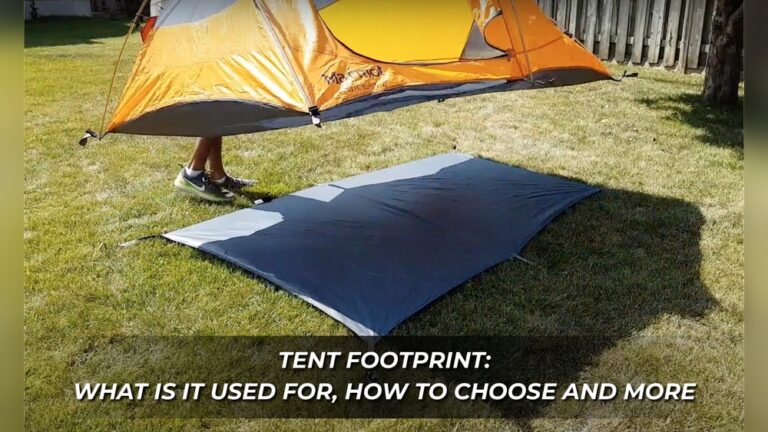
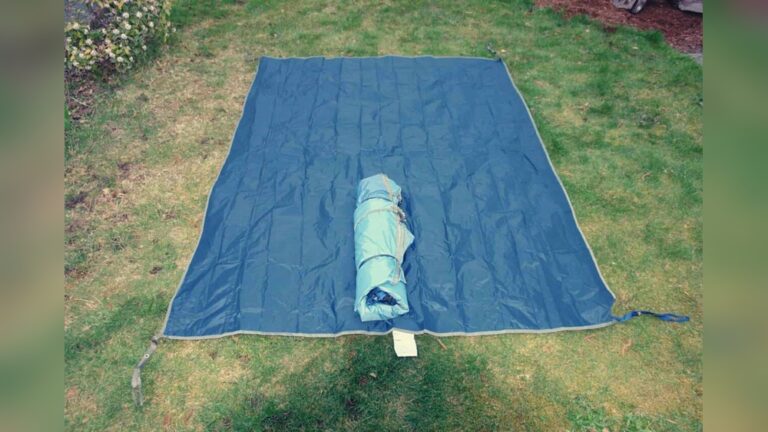
Choose a shaded, flat place to clean your tent. Avoid direct sunlight to protect the fabric. Lay down a clean tarp or sheet to keep the tent off dirt. Make sure the area has enough space for the tent to dry after cleaning. Keep pets and dirt away from the cleaning zone.
Credit: www.rei.com
Cleaning Techniques
Cleaning your backpacking tent properly keeps it durable and fresh for many trips. Different techniques suit different levels of dirt and stains. Using gentle methods protects the tent’s material and waterproof coatings. Below are key cleaning techniques to help maintain your gear in top shape.
Spot Cleaning Stains And Dirt
Spot cleaning targets small stains or dirt patches. Use a soft cloth or sponge and some water. Gently rub the dirty area without scrubbing hard. This prevents damage to the fabric. For stubborn spots, add a bit of mild soap to the cloth. Rinse the area well after cleaning. Let the tent dry fully in the shade.
Hand Washing The Tent
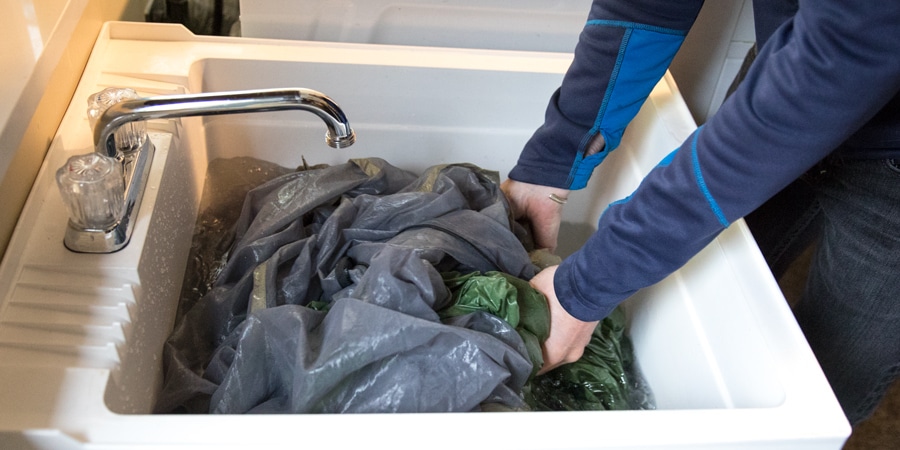
Hand washing is best for overall cleaning without harming the tent. Fill a large tub or basin with cool water. Add a small amount of mild soap. Submerge the tent fabric completely. Use your hands to gently move the fabric in the water. Avoid harsh scrubbing or twisting. Rinse the tent thoroughly with clean water. Hang it to dry away from direct sunlight.
Using Mild Soaps Safely
Mild soaps clean effectively without stripping waterproof coatings. Choose soaps designed for outdoor gear or gentle dish soap. Avoid strong detergents or bleach. Use only a small amount of soap in water. Test the soap on a small tent area first. Rinse well to remove all soap residue. This keeps the fabric breathable and water-resistant.
Avoiding Harsh Chemicals
Harsh chemicals damage tent fabric and seals. Do not use bleach, strong detergents, or solvents. These can weaken fibers and remove waterproof layers. Avoid using washing machines or dryers that use strong cycles. Protect your tent by choosing gentle cleaning options. Clean only as needed to extend the tent’s life and performance.
Dealing With Mold And Mildew
Mold and mildew can damage your backpacking tent quickly. They grow in damp, dark places and cause stains and odors. Removing them fast protects the fabric and keeps your tent safe for camping. This section shows how to spot mold, remove it safely, and stop it from coming back.
Identifying Mold Spots
Look for small black, green, or white spots on the tent fabric. These spots often appear on seams and corners. A musty smell is another sign of mold or mildew. Check inside and outside your tent after rainy trips or long storage. Early detection stops mold from spreading.
Safe Mold Removal Methods
Use a soft brush to gently scrub the mold spots. Mix mild soap with water for cleaning. Avoid harsh chemicals that can harm the tent’s waterproof coating. Rinse well with clean water and dry the tent fully in sunlight. Sunlight helps kill mold spores naturally. For tough spots, use a small amount of white vinegar diluted with water.
Preventing Future Growth
Always dry your tent completely before packing it away. Store your tent in a cool, dry place with good air flow. Avoid keeping it in plastic bags for long periods. Use a breathable storage sack instead. After camping, air out your tent to reduce moisture. Regular cleaning and proper drying keep mold from returning.
Drying And Storage
Proper drying and storage keep your backpacking tent in good shape. Wet tents can develop mold, mildew, and bad smells. Storing a damp tent also damages its fabric and waterproof coating. Dry your tent well before packing it away. Store it in the right way to protect it for your next trip.
Proper Tent Drying Methods
Set up your tent fully outdoors or in a well-ventilated area. Avoid direct sunlight for long periods to protect fabric and coatings. Air dry the rainfly, inner tent, and floor separately. Use towels to blot excess water from wet spots. Make sure no part of the tent feels damp before storage. Drying can take several hours or a full day depending on weather.
Rolling Vs Stuffing For Storage
Stuffing your tent loosely reduces creases and stress points. Rolling creates tight folds that may weaken fabric over time. Randomly stuffing your tent into the storage bag helps keep the fabric healthy. Avoid folding the tent in the same way every time. This method spreads out pressure and extends fabric life. Keep poles and stakes separate from the tent fabric to avoid damage.
Choosing The Right Storage Bag
Use a large, breathable storage bag instead of the small stuff sack. Big cotton or mesh bags allow air circulation and prevent moisture buildup. Avoid plastic bags or airtight containers that trap humidity. Store your tent in a cool, dry place away from direct heat and sunlight. Label the bag with the tent model and size for easy access. Proper storage bags help maintain your tent’s performance and durability.
Maintenance Tips
Proper maintenance keeps your backpacking tent in top shape. It extends the tent’s life and improves performance. Regular care prevents damage and costly repairs. Follow simple steps to maintain your tent after each trip.
Regular Inspections
Check your tent carefully for damage after every use. Look for tears, holes, or worn areas in the fabric. Examine seams and zippers for signs of stress or breakage. Inspect poles and stakes for bends or cracks. Early detection helps fix problems before they worsen.
Repairing Small Tears
Fix small tears quickly to stop them from growing. Use patch kits made for tent fabrics. Clean the area around the tear before applying the patch. Apply adhesive evenly and press firmly. Let it dry fully before packing the tent. Small repairs keep your tent strong and weatherproof.
Preserving Waterproof Coatings
Waterproof coatings wear down with use and cleaning. Restore them using spray-on or wash-in waterproof treatments. Clean your tent gently before applying any treatment. Avoid harsh detergents that strip the coating. Regular reapplication keeps your tent dry in rain and moisture.
Common Mistakes To Avoid
Cleaning your backpacking tent is important for its longevity and performance. Avoiding common mistakes helps keep your tent safe and functional. Many campers unknowingly damage their tents during cleaning. These errors reduce waterproofing and weaken fabric.
Understanding what not to do saves time and money. Focus on gentle methods and proper care. Here are frequent mistakes to avoid while cleaning your backpacking tent.
Washing Machine Risks
Do not put your tent in a washing machine. The agitator can tear or stretch the fabric. Zippers and poles may get damaged inside the machine. Harsh spinning can ruin waterproof coatings. Hand washing is safer and more effective.
Using Harsh Detergents
Avoid strong detergents or bleach on your tent. These chemicals strip waterproof layers and weaken fibers. Use mild soap made for outdoor gear. Harsh cleaners cause permanent damage and stains. Always rinse thoroughly to remove soap residue.
Improper Drying Consequences
Never dry your tent in direct sunlight or high heat. UV rays break down fabric and coatings. Heat from dryers or heaters can melt synthetic materials. Always air dry your tent fully in the shade. Storing a damp tent leads to mold and bad smells.

Credit: savagejerky.com
Frequently Asked Questions
How Do I Wash My Backpacking Tent?
Fill a tub with cool water and mild soap. Submerge tent, gently agitate by hand. Rinse thoroughly. Hang to air dry completely before storing. Avoid harsh chemicals like bleach or vinegar to protect fabric and coatings.
Is It Better To Roll Or Stuff A Tent?
Stuffing a tent is better than rolling. It randomizes creases and reduces stress points, extending the tent’s lifespan.
Can I Use Dawn To Clean My Tent?
Yes, you can use Dawn to clean small spots on your tent. Avoid washing the entire tent, as it may remove the fire retardant coating. Use mild soap and spot clean gently to protect the fabric and maintain durability.
What To Clean The Inside Of A Tent With?
Clean the inside of a tent with a soft cloth or sponge and mild dish soap mixed in cool water. Gently scrub dirty spots. Avoid bleach, vinegar, or harsh chemicals. Rinse with clean water and air dry completely before storing to prevent mold and damage.
Conclusion
Cleaning your backpacking tent keeps it ready for your next trip. Use gentle soap and cool water to avoid damage. Always rinse well to remove soap residue completely. Dry your tent fully before storing to prevent mold and mildew. Regular care extends your tent’s life and maintains its performance.
Simple steps make cleaning easy and effective. Keep your tent fresh and durable with these tips. Enjoy your adventures with a clean, well-maintained tent every time.