Best Ways to Clean Camp Tent: Easy Tips for a Spotless Shelter
You’ve just returned from an amazing camping trip, but now your tent is covered in dirt, mud, and maybe even some stubborn stains. Cleaning your camp tent might feel like a chore, but it’s essential to keep your gear in great shape and ready for your next adventure.
If you want to protect your investment and make your tent last longer, knowing the best ways to clean it is a game changer. In this guide, you’ll discover simple, effective methods to get your tent sparkling clean without damaging the fabric or waterproof coating.
Keep reading to learn how to refresh your tent quickly and easily—your next camping trip will thank you!
Choosing Cleaning Supplies
Choosing the right cleaning supplies protects your tent fabric and keeps it fresh. Harsh chemicals can damage the material and reduce its lifespan. Select products that clean gently yet remove dirt effectively. Focus on mild and safe options to maintain your tent’s quality.
Mild Soaps And Detergents
Use mild soaps or gentle detergents for cleaning your tent. Avoid strong household cleaners that contain bleach or ammonia. These soaps help remove dirt without harming the waterproof coating. Mix the soap with warm water for easy cleaning. A soft sponge or cloth works best to scrub gently.
Specialized Tent Cleaners
Specialized tent cleaners are designed to protect tent fabrics. These products clean without stripping the waterproof layer. Brands like Nikwax Tech Wash or Granger’s are popular choices. They remove stains and odors safely. Follow product instructions to get the best results.
Avoiding Harmful Chemicals
Do not use bleach, vinegar, or strong detergents on your tent. These chemicals can weaken the fabric and damage coatings. Avoid solvents or abrasive cleaners that cause fading or tears. Stick to products labeled safe for outdoor gear. This keeps your tent durable and ready for use.
Credit: www.rei.com
Preparing Your Tent
Preparing your tent properly is the first step to effective cleaning. It ensures dirt and stains come off easily. Taking time to prepare prevents damage and keeps your tent in good shape.
Start by removing all loose dirt and debris. This makes the cleaning process faster and more thorough. Next, set up a space where you can clean without making a mess. Having a well-organized area helps you work comfortably.
Lastly, treat any stains or mildew before washing. Pre-treatment breaks down tough spots. It helps restore your tent’s fabric and color.
Removing Loose Dirt And Debris
Begin by shaking your tent gently to remove loose dirt. Use a soft brush or cloth to sweep off dust and leaves. Check corners and seams carefully. Removing debris prevents scratches during washing.
Setting Up A Cleaning Area
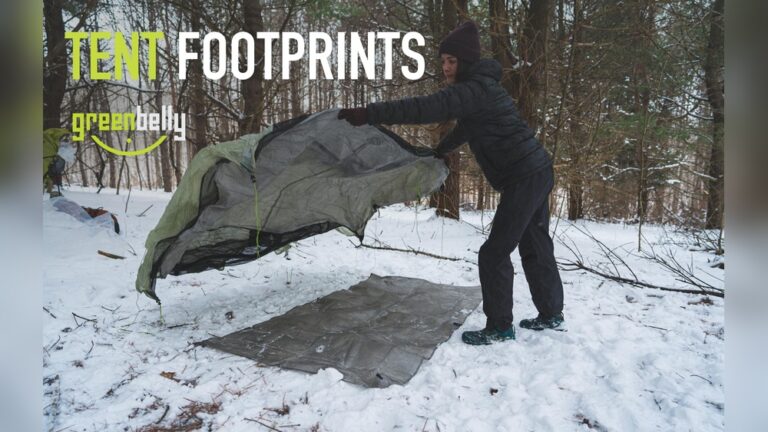
Choose a flat, shaded place to clean your tent. Avoid direct sunlight to protect fabric colors. Lay a clean tarp or blanket on the ground. This keeps your tent clean and off rough surfaces. Make sure you have easy access to water.
Pre-treatment For Stains And Mildew
Identify spots with stains or mildew on your tent. Use a mild soap mixed with water for pre-treatment. Apply the solution gently with a soft cloth or sponge. Let it sit for 10 to 15 minutes. This loosens grime and kills mildew spores. Avoid harsh chemicals that can damage fabric.
Hand Washing Techniques
Hand washing is a careful and effective way to clean your camp tent. It helps keep the fabric safe and extends the tent’s life. You can remove dirt and stains without harsh chemicals. This method is gentle and works well for small or delicate tents. Here are simple hand washing techniques to keep your tent fresh and ready for your next adventure.
Using Warm Water And Soap
Fill a large tub or basin with warm water. Add a mild soap that does not contain bleach or strong chemicals. Avoid regular laundry detergents that can damage the tent fabric. Dip a soft cloth or sponge into the soapy water. Gently wipe the tent surface to remove dirt and grime. Change the water if it becomes too dirty. Rinse the tent well with clean water to remove all soap.
Spot Cleaning Methods
Spot cleaning is perfect for small stains or mud patches. Mix a little soap with warm water. Use a soft brush or cloth to apply the mixture only on the dirty area. Rub gently to lift the stain without harming the fabric. Rinse the spot with clean water after scrubbing. Repeat if the stain stays. This method saves time and water.
Gentle Scrubbing Tips
Use a soft-bristled brush or sponge to scrub your tent. Avoid hard brushes or scrubbers that can tear the material. Work in small sections using light pressure. Focus on areas with heavy dirt or stains. Keep the fabric damp to prevent damage. Always rinse the area well after scrubbing to remove soap and dirt. Let the tent dry completely before packing it away.
Drying And Storing
Drying and storing your camp tent properly extends its life and keeps it ready for your next adventure. After cleaning, focus on removing all moisture to prevent damage. Store the tent in a way that avoids stress on the fabric and seams. This section covers essential tips for drying and storing your tent safely.
Proper Air Drying Practices
Always dry your tent in a shaded, well-ventilated area. Direct sunlight can weaken the fabric and fade colors. Spread the tent flat or hang it using the poles to avoid wrinkles. Make sure all zippers and flaps are open to allow air flow inside. Drying can take several hours to a full day. Never pack a damp tent as it can cause mold and odor.
Avoiding Mold And Mildew Growth
Mold grows quickly in dark, damp places. Ensure your tent is fully dry before storing. Check corners and seams carefully for hidden moisture. Use a soft cloth to wipe any wet spots. If you spot mold, clean it immediately with mild soap and water. Store your tent in a cool, dry place away from humidity. Good ventilation in the storage area helps prevent mildew buildup.
Stuffing Vs Folding For Storage
Stuffing your tent loosely into its bag is better than folding. Folding creates sharp creases that weaken fabric fibers over time. Stuffing randomizes creases and reduces stress points. Use the original stuff sack or a large cotton bag for storage. Avoid tight packing, which can damage the tent’s waterproof coating. Let your tent rest unpacked for a day after camping trips to keep it fresh.
Maintenance Tips
Maintaining your camp tent extends its life and keeps it ready for adventure. Simple steps help avoid damage and costly repairs. Clean tents stay waterproof and strong. Follow these easy maintenance tips to protect your gear.
Regular Cleaning Schedule
Set a routine to clean your tent after each trip. Remove dirt, mud, and debris promptly. Use a soft brush or cloth with mild soap and warm water. Avoid harsh detergents that can damage fabric. Let the tent dry completely before storing to prevent mold.
Handling Small Repairs
Check your tent for tears, holes, or broken zippers regularly. Fix small issues right away to stop them from growing. Use patch kits made for tents or fabric glue for quick repairs. Replace damaged poles or stakes to keep the structure stable. Early repairs save money and extend tent life.
Protecting Tent Coatings
Tent coatings keep your shelter waterproof and durable. Avoid using strong chemicals or machine washing that can wear off these coatings. Reapply waterproof sprays after cleaning and before storage. Store your tent in a cool, dry place away from direct sunlight. Proper care keeps coatings working well season after season.

Credit: www.lifeintents.com
Common Mistakes To Avoid
Cleaning your camp tent is vital for its longevity and performance. Avoiding common mistakes during cleaning can save you time and prevent damage. Many campers unknowingly harm their tents by using the wrong methods or products. Here are some typical errors to avoid for a clean and durable tent.
Using Washing Machines
Do not put your tent in a washing machine. The machine’s agitation can tear the fabric or damage seams. Zippers and poles may also get caught or broken. Hand washing with mild soap and water is safer and more effective. Use a soft sponge or cloth to gently clean the tent.
Harsh Chemicals And Bleach
Avoid using bleach or strong chemicals on your tent. These substances can break down the fabric and remove waterproof coatings. Choose mild detergents made for outdoor gear instead. Harsh chemicals can cause color fading and weaken the material over time.
Ignoring Manufacturer Guidelines
Always follow the cleaning instructions provided by the tent manufacturer. Each tent has specific care needs depending on its material and coatings. Ignoring these guidelines can void warranties and reduce the tent’s lifespan. Check the label or manual before cleaning your tent.

Credit: savagejerky.com
Frequently Asked Questions
How To Properly Clean A Camping Tent?
Use warm water and mild soap to spot clean dirt. Gently scrub with a soft cloth or sponge. Rinse thoroughly and air dry completely before storage. Avoid harsh chemicals and machine washing to protect fabric and coatings. Store the tent dry to prevent mold and damage.
Can I Use Dawn To Clean My Tent?
Yes, you can use Dawn to spot clean your tent gently. Avoid washing the entire tent with it to preserve coatings.
What To Use To Clean The Inside Of A Tent?
Use warm water and a mild, non-abrasive tent cleaner like Nikwax Tech Wash. Clean with a soft sponge or cloth. Avoid harsh chemicals. Rinse thoroughly and air dry inside out. This protects tent fabric and maintains waterproofing.
Is It Better To Roll Or Stuff A Tent?
Stuffing a tent is better than rolling because it randomizes creases and reduces stress points. Stuff tents to prolong fabric life.
Conclusion
Keeping your camp tent clean protects its fabric and extends its life. Use mild soap and warm water for gentle cleaning. Avoid harsh chemicals that can damage the material. Always let your tent dry completely before storing it away. Regular cleaning helps prevent mold and bad odors.
Clean tents make camping more enjoyable and comfortable. Follow these simple steps to keep your tent fresh and ready for your next adventure. A clean tent is a happy tent.