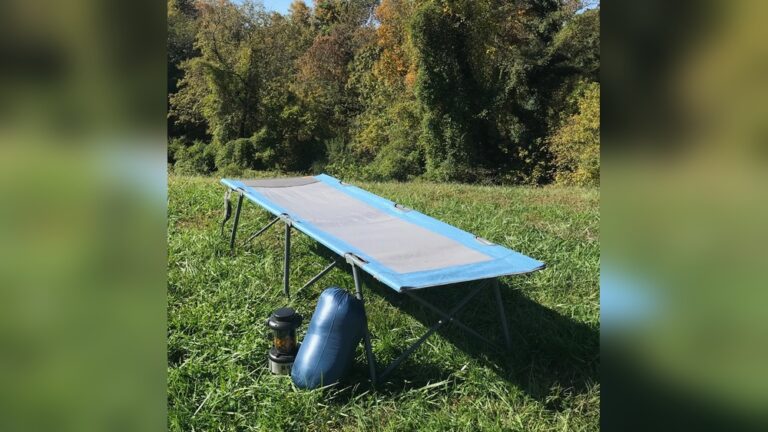
Best Ways to Clean Camping Cot: Easy Tips for a Fresh Outdoor Bed
You love the freedom of camping, but your camping cot? Not so much when it’s dirty and grimy.
Imagine sinking into a clean, fresh cot after a long day outdoors—sounds perfect, right? Keeping your camping cot spotless isn’t just about looks; it’s about comfort, hygiene, and making every trip more enjoyable. If you want simple, effective ways to clean your camping cot without hassle, you’re in the right place.
Let’s dive into the best methods that will keep your cot fresh, so you can focus on the adventure ahead.
Materials Needed
Cleaning a camping cot requires the right materials. Having these items ready makes the process easier. This section lists essential cleaning solutions and tools. Use safe and effective products to protect your cot and skin.
Cleaning Solutions
Choose gentle cleaning solutions for your camping cot. Mild dish soap works well on most fabrics. A mixture of warm water and soap removes dirt and stains. For tougher spots, use a diluted vinegar solution. Avoid harsh chemicals that may damage the cot material.
Disinfectants safe for fabrics help kill bacteria and odors. Use them sparingly and test on a small area first. Baking soda is a natural deodorizer. Sprinkle it on the cot and wipe off after some time. This keeps your cot fresh without strong smells.
Tools And Accessories
Gather soft cloths or sponges for wiping the cot surface. Avoid abrasive brushes that can tear fabric. A soft-bristle brush gently removes dried dirt and debris. Use a spray bottle to apply cleaning solutions evenly. A bucket or basin holds water for rinsing.
Have clean towels ready to dry the cot after cleaning. Gloves protect your hands from irritation. A vacuum cleaner with a brush attachment helps remove dust before washing. Organize these tools beforehand for a smooth cleaning experience.

Credit: www.homedepot.com
Pre-cleaning Steps
Preparing your camping cot for cleaning helps achieve the best results. Pre-cleaning removes dirt and makes washing easier. Follow these simple steps before deep cleaning.
Remove Loose Dirt
Start by shaking your cot outside. This helps drop loose dirt and dust. Use a soft brush to sweep off dry mud and debris. Focus on corners and crevices where dirt hides. Removing loose dirt prevents it from spreading during washing.
Disassemble Cot Parts
Take apart your cot carefully. Remove the fabric from the frame if possible. Separate legs, joints, and other parts. This makes cleaning each piece easier and more thorough. Disassembling also helps dry the cot faster after cleaning.
Cleaning Fabric Surfaces
Cleaning the fabric surfaces of your camping cot helps keep it fresh and ready for your next adventure. Dirt, sweat, and spills can build up on the fabric. Regular cleaning prevents stains and bad smells. Choose the right cleaning method based on the fabric type and how dirty it is. This section covers easy ways to clean the fabric safely.
Spot Cleaning Stains
Spot cleaning works well for small stains and dirt patches. Use a soft cloth or sponge dampened with mild soap and water. Gently rub the stained area in circles. Avoid soaking the fabric to prevent damage. Rinse the cloth and wipe the soap away. Let the fabric air dry completely before folding or storing.
Hand Washing Techniques
Hand washing is gentle and effective for deeper cleaning. Fill a basin with lukewarm water and add a small amount of mild detergent. Submerge the fabric and gently scrub with your hands or a soft brush. Focus on heavily soiled areas. Rinse thoroughly with clean water to remove all soap. Hang the fabric to dry in a shaded spot to avoid sun damage.
Machine Washing Tips
Some camping cot fabrics allow machine washing. Check the care label before starting. Use a gentle cycle with cold water and mild detergent. Remove any loose dirt before washing. Avoid bleach and fabric softeners as they can weaken the fabric. After washing, air dry the fabric to keep it in good shape. Do not use a dryer unless the label says it is safe.

Credit: www.treelinereview.com
Cleaning Frame And Metal Parts
Cleaning the frame and metal parts of a camping cot keeps it strong and ready for use. Dirt, rust, and grime can build up on the metal, causing damage over time. Regular cleaning helps protect the metal from corrosion and extends the cot’s life. Simple steps can make your cot’s frame look and work like new. Focus on removing rust and polishing the metal to keep it shiny and safe.
Removing Rust
Rust weakens the metal frame and looks bad. Start by wiping off dirt with a dry cloth. Use a wire brush or sandpaper to scrub rust spots gently. For tough rust, apply a mixture of baking soda and water. Let it sit for 15 minutes, then scrub again. Rinse the area with clean water and dry it fully to stop rust from returning. Repeat if needed to clear all rust patches.
Wiping And Polishing
After rust removal, clean the metal with a damp cloth and mild soap. Wipe away all dirt and soap residue with a clean, wet cloth. Dry the frame completely to avoid water spots. Apply a small amount of metal polish or a light oil to a soft cloth. Rub it over the metal parts to restore shine and add a protective layer. This step helps prevent rust and keeps the frame smooth.
Dealing With Odors And Mildew
Camping cots often trap odors and mildew after outdoor use. These smells come from sweat, moisture, and dirt. Removing them keeps your cot fresh and safe to use. Proper cleaning also extends the life of your camping gear. Simple methods help you deal with these common problems quickly.
Natural Deodorizers
Baking soda is a great natural deodorizer. Sprinkle it on the cot fabric and let it sit for several hours. Then, shake or vacuum off the powder. This absorbs odors effectively. Another option is white vinegar. Mix equal parts vinegar and water in a spray bottle. Lightly mist the cot and let it air dry. Vinegar kills bacteria and neutralizes smells without harsh chemicals. Fresh air and sunlight also help remove odors. Set the cot outside on a dry, sunny day. Sunlight breaks down odor-causing bacteria naturally.
Mold And Mildew Removal
Use a soft brush to remove visible mold or mildew. Next, clean the affected areas with a mixture of warm water and mild detergent. Scrub gently to avoid damaging the fabric. For tougher stains, apply a diluted bleach solution. Mix one cup of bleach with a gallon of water. Test a small area first to ensure no discoloration occurs. Rinse the cot thoroughly after treatment to remove all bleach. Dry the cot completely in direct sunlight. This stops mold from returning and keeps your cot fresh for your next adventure.
Drying And Storage
Proper drying and storage keep your camping cot in great condition. Moisture can cause mold, mildew, and damage to the fabric and frame. Taking time to dry and store the cot correctly extends its life and keeps it fresh for your next trip.
Air Drying Methods
After cleaning, let the cot dry completely before packing. Set it up in a well-ventilated area or outside in the shade. Avoid direct sunlight to prevent fabric fading and weakening. Use a fan or gentle breeze to speed up drying. Make sure both the fabric and frame are dry to stop rust or mold.
Proper Storage Tips
Store your cot in a cool, dry place away from moisture and pests. Use a breathable storage bag or cover to protect it from dust. Avoid tight spaces that can crush the fabric or bend the frame. Check the cot regularly for signs of damage or dampness. Proper storage helps keep it ready for your next adventure.
Maintenance Tips
Keeping your camping cot clean and well-maintained extends its life and comfort. Simple maintenance helps avoid damage and keeps the cot ready for your next trip. Follow easy steps to care for your cot regularly. This prevents dirt buildup and wear over time.
Regular Cleaning Schedule
Clean your camping cot after each use. Remove loose dirt with a soft brush or cloth. Wipe the frame and fabric with mild soap and water. Let the cot dry completely before storing it. This routine stops mold and stains from forming. A regular cleaning schedule keeps your cot fresh and hygienic.
Preventive Care
Check the cot for damage before and after every trip. Tighten loose screws and bolts to keep it sturdy. Avoid placing the cot on sharp rocks or rough ground. Use a protective cover to shield it from rain and dirt. Preventive care reduces repairs and keeps your cot safe to use.
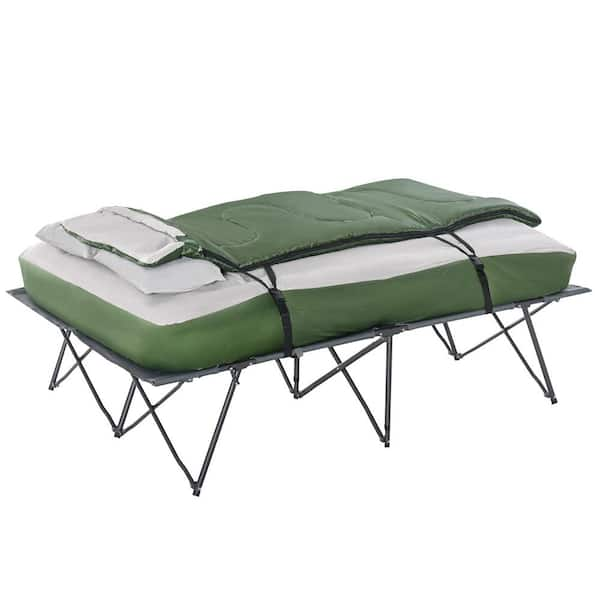
Credit: www.homedepot.com
Frequently Asked Questions
How To Clean A Camping Cot?
Wipe the camping cot with a damp cloth and mild soap. Scrub stains gently using circular motions. Rinse with clean water and air dry completely. Avoid soaking the fabric to prevent damage. Regular cleaning maintains comfort and durability.
What Is The Best Way To Clean A Travel Cot?
Wipe the travel cot with a damp cloth and mild soap to remove dirt. Hand wash fabric parts gently. Rinse well and air dry fully before use. Avoid harsh chemicals to protect materials and keep the cot safe for your baby.
What Is The Best Way To Clean Tent Canvas?
Use mild soap and lukewarm water to gently scrub the canvas with a soft brush or sponge. Rinse thoroughly and air dry. For mold, apply diluted bleach carefully. Avoid harsh chemicals to protect fabric and waterproofing. Regular cleaning and reproofing maintain tent canvas durability and performance.
How To Get Musty Smell Out Of Travel Cot?
Wash all fabric parts in warm water with mild soap. Wipe the cot frame using a vinegar-water solution. Air dry thoroughly in sunlight to remove musty odors. Repeat if needed for stubborn smells.
Conclusion
Keeping your camping cot clean makes every trip more comfortable. Use mild soap and warm water for regular cleaning. For tough stains, gentle scrubbing helps remove dirt without damage. Dry your cot fully before packing it away to prevent mildew.
Clean cots last longer and stay fresh for your next adventure. Simple care keeps your gear ready and inviting. Remember, clean gear means better camping experiences every time.