Best Ways to Clean Inflatable Sleeping Pad: Expert Tips Revealed
You rely on your inflatable sleeping pad for a comfortable night’s rest during your outdoor adventures. But what happens when dirt, sweat, or stubborn stains build up over time?
If you want to keep your pad fresh, safe, and ready for your next trip, knowing the best ways to clean it is essential. In this guide, you’ll discover simple, effective methods that protect your pad’s materials while removing grime.
Follow these tips to extend the life of your sleeping pad and enjoy every night under the stars without discomfort or worry. Keep reading—you’ll be surprised how easy it is to care for your gear properly!
Cleaning Supplies
Choosing the right cleaning supplies is key to keeping your inflatable sleeping pad in good shape. Gentle products clean effectively without causing damage. Use soft tools that do not scratch or wear the material. Proper supplies extend the life of your pad and keep it ready for your next trip.
Mild Soaps To Use
Pick mild soaps like dish soap or gentle hand soap. Avoid strong detergents that can harm the fabric. Mix a small amount of soap with warm water. This solution cleans dirt and sweat without stripping the pad’s coating. Mild soaps rinse off easily and leave no sticky residue.
Avoiding Harsh Chemicals
Stay away from bleach, solvents, and abrasive cleaners. These chemicals can break down the pad’s material. Harsh products cause leaks and reduce durability. Only use cleaners that are safe for synthetic fabrics. Always test a small area before full cleaning to check for reactions.
Recommended Cloths And Brushes
Use soft cloths like microfiber or cotton rags. They absorb dirt gently and prevent scratches. For stubborn spots, a soft-bristle brush works well. Avoid stiff brushes or scrubbing pads that can damage the surface. Clean tools help maintain the pad’s texture and finish.
Surface Cleaning
Surface cleaning is the simplest way to keep your inflatable sleeping pad fresh and ready. Dirt, dust, and minor spills usually stay on the outside. Cleaning the surface regularly prevents buildup and prolongs the pad’s life. Use gentle methods to avoid damage. This section explains how to clean the surface safely and effectively.
Wiping Techniques
Use a soft cloth or sponge for wiping. Dampen it with warm water mixed with mild soap. Gently wipe the pad’s surface in small circles. Avoid harsh scrubbing to protect the fabric. Change the cloth if it gets too dirty. Repeat until the surface looks clean.
Handling Tough Stains
For stubborn stains, apply a bit more soap directly on the spot. Let it sit for a few minutes. Use a soft brush or cloth to rub gently. Rinse with a damp cloth to remove soap residue. Avoid bleach or strong chemicals. They can ruin the pad’s material.
Protecting Valves From Water
Keep valves closed during cleaning to stop water entry. Use a dry cloth around valve areas. Never soak the valves in water. Moisture inside valves can cause mold or damage. Dry the pad fully before storing it to keep valves safe.
Deep Cleaning
Deep cleaning an inflatable sleeping pad removes dirt, oils, and bacteria that regular wipes cannot. It keeps the pad fresh and extends its life. Proper deep cleaning protects the material and air valves from damage. Use gentle methods and avoid harsh chemicals. Below are safe and effective ways to deep clean your sleeping pad.
Hand Washing Steps
Fill a bathtub or large basin with lukewarm water. Add a small amount of mild soap without bleach or detergents. Submerge the sleeping pad and gently scrub with a soft cloth or sponge. Focus on dirty spots but avoid scrubbing valves too hard. Rinse the pad thoroughly with clean water to remove all soap. Press out excess water carefully without twisting or wringing. Lay the pad flat to air dry in a shaded area.
Using Front Load Washers Safely
Choose a front load washer without an agitator to avoid tearing. Use cold water and select a gentle or delicate cycle. Add mild soap made for delicate fabrics. Place the pad inside a large mesh laundry bag for extra protection. Avoid using fabric softeners or bleach. After the wash cycle, remove the pad immediately to prevent wrinkles. Do not use a top load washer or a machine with a central agitator.
Drying Methods To Prevent Damage
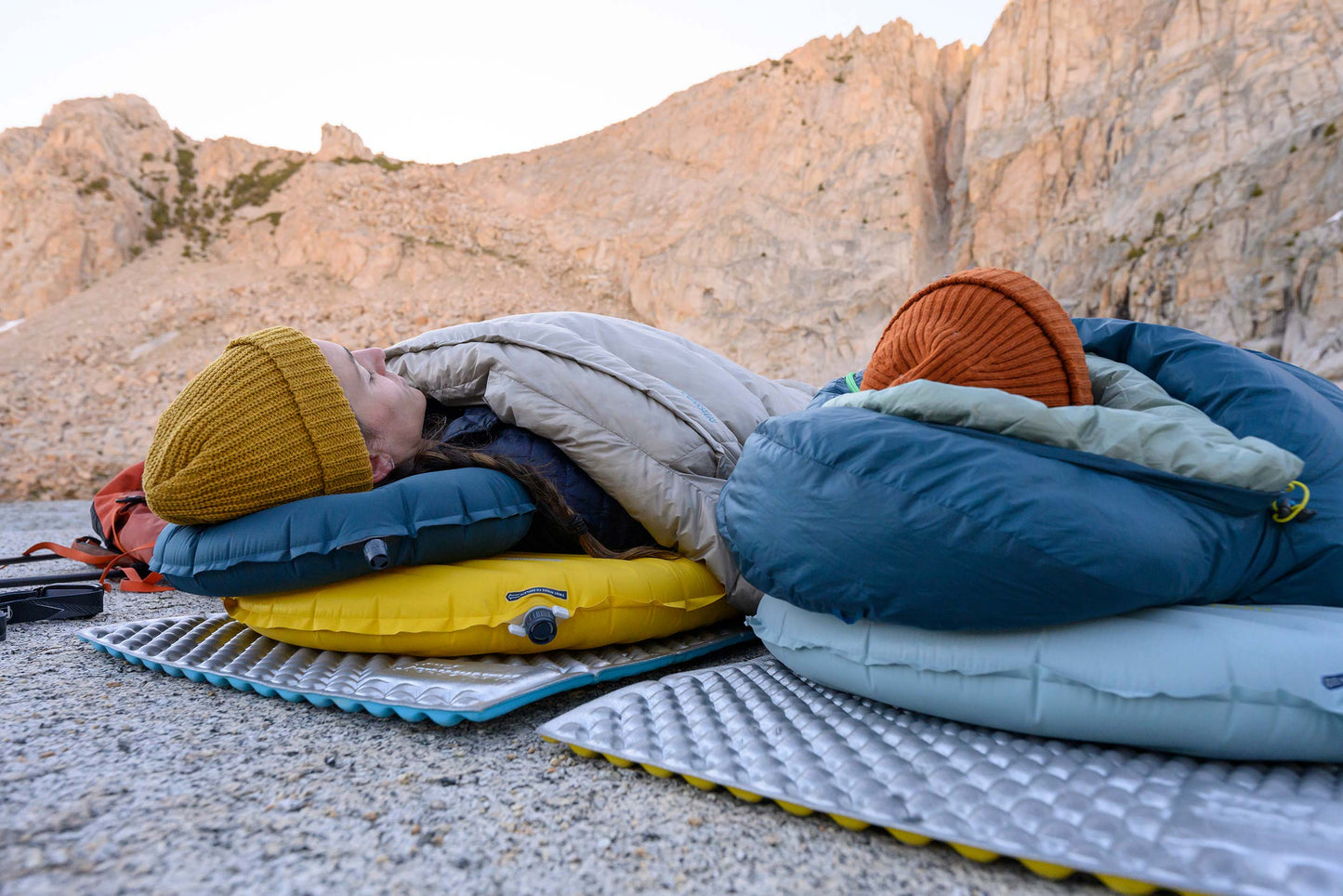
Air drying is the safest method to dry your sleeping pad. Hang it or lay it flat on a clean surface in a shaded, well-ventilated area. Avoid direct sunlight to prevent material weakening and color fading. Do not use a dryer or expose the pad to high heat sources. Make sure the pad is completely dry before storing to stop mold and mildew growth. Flip the pad occasionally to speed up drying evenly.
Credit: cascadedesigns.com
Disinfecting Tips
Keeping your inflatable sleeping pad clean is important for hygiene and comfort. Disinfecting the pad helps remove germs and bacteria. Proper care prevents damage and keeps the pad fresh for camping trips. Follow these disinfecting tips to maintain your sleeping pad safely and effectively.
Safe Disinfectants
Use mild disinfectants that do not harm the pad material. A solution of water and gentle soap works well. Avoid bleach or harsh chemicals that can weaken the fabric. You can also use diluted rubbing alcohol for quick disinfection. Always test disinfectants on a small area first. Rinse the pad with clean water after disinfecting. This removes any leftover chemicals and keeps the pad safe to use.
Avoiding Mold And Mildew
Mold and mildew grow in damp, warm places. Dry your sleeping pad completely before storage. Store it in a cool, dry area away from direct sunlight. Use a breathable storage bag instead of plastic. Regularly check the pad for any signs of mold. Clean and disinfect immediately if you spot any. Proper drying and storage stop mold growth and keep your pad fresh.
When To Disinfect
Disinfect your sleeping pad after each camping trip. Also disinfect if it gets dirty or wet. If you share your pad with others, disinfect more often. Clean it after contact with sweat or skin oils. Disinfecting prevents bacteria buildup and bad odors. Regular care extends the life of your inflatable sleeping pad.
Drying And Storage
Proper drying and storage extend the life of your inflatable sleeping pad. After cleaning, avoid storing it while damp. Moisture can cause mold and damage the material. Careful drying and smart storage keep your pad ready for your next trip.
Ideal Drying Conditions
Dry your sleeping pad in a shaded, well-ventilated area. Direct sunlight can weaken the fabric and cause fading. Lay the pad flat or hang it to ensure all moisture evaporates. Avoid using heat sources like heaters or dryers. They can damage the air bladder inside.
Storage Position And Environment
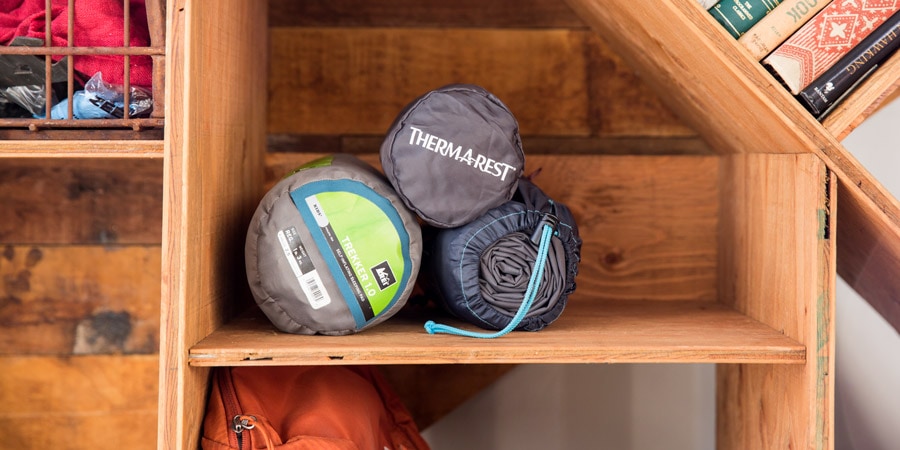
Store the pad loosely rolled or flat to prevent creases. Avoid tight folds that can cause cracks over time. Keep it in a cool, dry place away from sharp objects. Use a breathable storage sack instead of plastic bags. This prevents moisture buildup and mold growth.
Seasonal Maintenance
Check your sleeping pad before storing it for long periods. Inflate it to inspect for leaks or damage. Clean it gently if dust or dirt is present. Store it completely dry to stop mold and mildew. Regular checks keep your pad fresh and ready for use.
Credit: www.rei.com
Repair And Maintenance
Proper repair and maintenance keep your inflatable sleeping pad in top shape. Taking care of small damages early prevents bigger problems. This extends the life of your pad. Regular upkeep also ensures a comfortable sleep outdoors. Follow simple steps to fix and maintain your pad easily.
Fixing Small Punctures
Small holes cause slow leaks and loss of air. Find the puncture by inflating the pad and listening for escaping air. You can also submerge it in water and watch for bubbles. Once found, mark the spot clearly. Use a patch kit designed for sleeping pads. Clean the area around the hole with rubbing alcohol. Let it dry before applying the patch. Press the patch firmly and wait at least 24 hours before use.
Preventing Valve Leaks
Valve leaks cause air to escape quickly. Check the valve for dirt and debris that block proper sealing. Clean the valve gently with a soft cloth. Avoid over-tightening the valve, as this can damage the seal. Replace worn or damaged valve parts if leaks continue. Keep the valve closed tightly when storing your pad. This simple care helps maintain inflation and prevents air loss.
Regular Inspection
Inspect your sleeping pad before and after each trip. Look for holes, tears, or weak spots. Check seams and valve areas carefully. Early detection helps avoid sudden failures during use. Also, clean the pad regularly with mild soap and water. Avoid harsh chemicals that can weaken materials. Proper storage in a dry, cool place prevents mold and damage. Regular inspection and care keep your pad ready for every adventure.
Common Mistakes
Cleaning an inflatable sleeping pad requires care and attention. Many people make simple mistakes that can damage the pad or reduce its lifespan. Avoiding these errors helps keep your pad clean and functional for many trips. Here are some common mistakes to watch out for.
Avoiding Machine Drying
Never put your inflatable sleeping pad in a machine dryer. The high heat can melt or warp the air bladder inside. This damage causes leaks and ruins the pad’s comfort. Instead, air dry your pad by laying it flat in a shaded area. Make sure it is completely dry before storing it to prevent mold and mildew.
Not Using Fabric Softeners
Fabric softeners might seem helpful but avoid using them on your sleeping pad. These chemicals can break down the fabric and weaken the seams. They also leave residues that attract dirt and reduce the pad’s lifespan. Use mild soap and water for cleaning. This keeps the material strong and clean without harm.
Preventing Agitator Damage
Washing machines with agitators can damage your sleeping pad. The agitator’s rough motion can tear the fabric or puncture the air chambers. If you must machine wash, use a front-loading washer without an agitator. Otherwise, hand washing is the safest choice. Handle your pad gently to avoid unnecessary damage.
Credit: www.nytimes.com
Extra Care Tips
Taking extra care of your inflatable sleeping pad extends its life and keeps it fresh. Some situations need special attention beyond basic cleaning. Here are a few tips for handling sticky messes, inflatable pillows, and used pads safely.
Removing Sap And Sticky Residue
Sap and sticky substances can ruin your pad’s surface. Use a small amount of rubbing alcohol on a soft cloth. Gently rub the sticky spots until they dissolve. Avoid harsh scrubbing to prevent damage. Wipe the area with a damp cloth afterward. Let the pad dry completely before storing.
Cleaning Inflatable Pillows
Inflatable pillows need gentle care. Use mild soap and warm water to wipe the pillow’s surface. Avoid soaking it or getting water in the valve. Rinse with a damp cloth to remove soap. Air dry the pillow fully before packing it away. Proper drying prevents mold and bad smells.
Handling Used Pads Safely
Used pads can carry dirt and bacteria. Clean them with a mild soap solution and a soft cloth. Focus on areas that touch your skin the most. Avoid sharing pads without cleaning first. Store pads in a dry, well-ventilated place to stop mold growth. Regular care keeps your sleeping pad safe and ready for next use.
Frequently Asked Questions
How To Clean An Inflatable Sleeping Pad?
Clean an inflatable sleeping pad by wiping it with a damp cloth and mild, non-detergent soap. Avoid getting water in valves. Do not machine wash or dry. Let it air dry completely before storing to prevent mold and damage.
How To Clean A Perfect Sleep Pad?
Clean a Perfect Sleep Pad by hand washing with mild soap and water. Avoid machine washing unless tube is secured. Hang dry or tumble dry low. Keep valves closed and wipe surface gently. Do not use bleach or harsh detergents.
Store dry to prevent mold and damage.
How To Clean The Inside Of An Inflatable Pillow?
To clean the inside of an inflatable pillow, gently rinse with mild soap and warm water. Avoid submerging valves. Let it air dry completely before use or storage. Do not machine wash or dry to prevent damage.
Is It Better To Wash Or Dry Clean A Sleeping Bag?
Washing a sleeping bag with mild soap and cold water is better than dry cleaning. Dry cleaning solvents damage insulation and loft. Always use gentle, front-loading machines or hand wash. Avoid fabric softeners, bleach, and agitators to preserve warmth and durability.
Air dry completely before storing.
Conclusion
Cleaning your inflatable sleeping pad keeps it fresh and ready to use. Use mild soap and water for gentle cleaning. Avoid harsh chemicals and machine washing to protect the material. Always dry the pad completely before storing to prevent mold.
Regular care extends your pad’s life and comfort. Simple steps make a big difference for your camping gear. Keep your pad clean and enjoy better rest outdoors.