Best Ways to Clean Sleeping Pad: Ultimate Tips for Spotless Gear
Your sleeping pad is your ticket to a good night’s rest when you’re out in the wild. But dirt, sweat, and outdoor grime can quickly build up, making your pad less comfortable and even damaging it over time.
If you want to keep your sleeping pad fresh, durable, and ready for every adventure, knowing the best ways to clean it is essential. You’ll discover simple, effective cleaning tips that protect your gear without causing harm. Stick with me, and you’ll learn how to extend the life of your sleeping pad so it continues to support your outdoor dreams night after night.
Credit: cascadedesigns.com
Cleaning Essentials
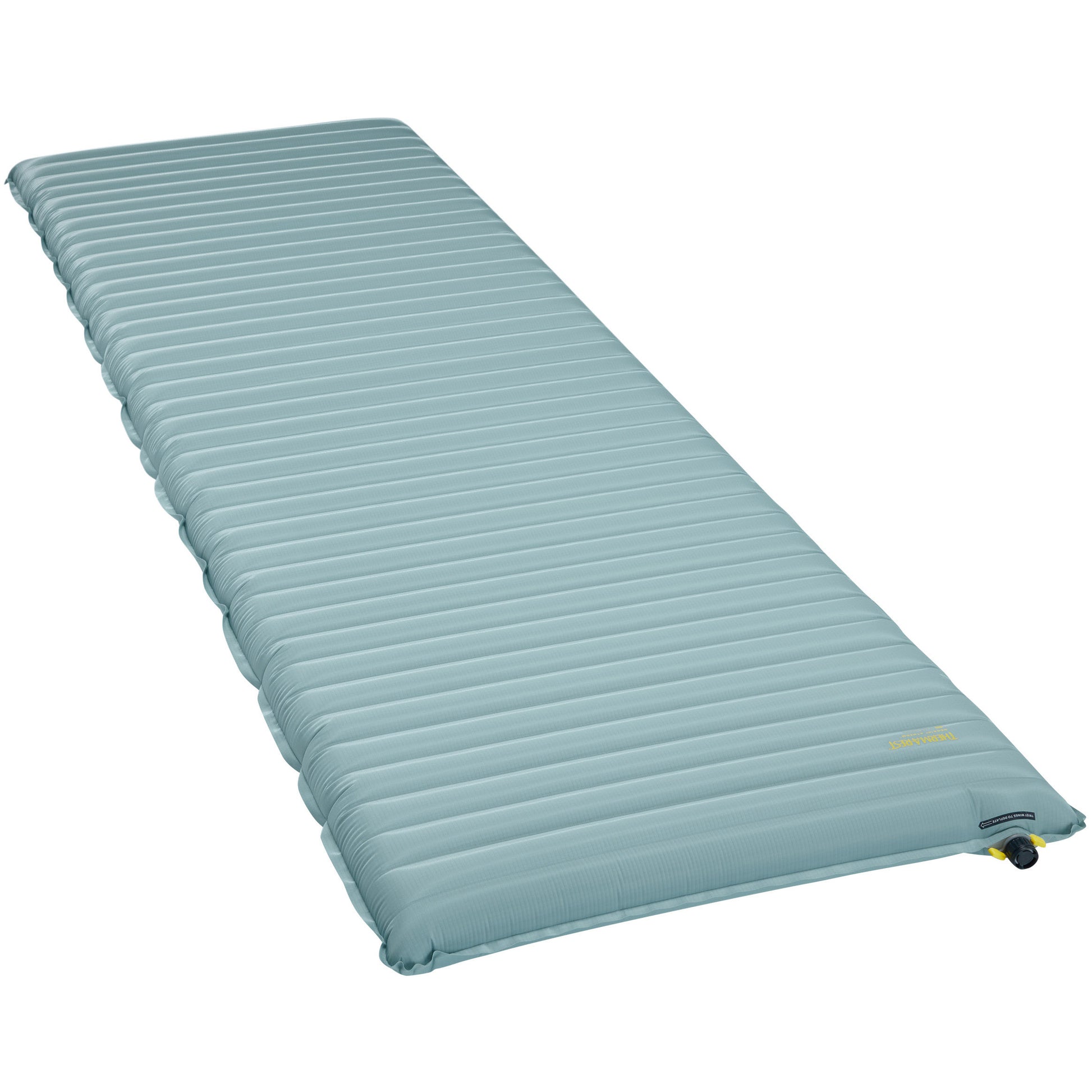
Cleaning your sleeping pad properly keeps it fresh and extends its life. Using the right cleaning essentials prevents damage. Simple care steps work best. Focus on gentle cleaning agents and the right tools.
These essentials help maintain the pad’s material and comfort. They make cleaning easier and safer for your gear.
Choosing Mild Soaps
Use mild soaps to clean your sleeping pad. Harsh detergents can break down the fabric and foam. Look for gentle, non-detergent soaps or baby shampoo. These clean dirt and oils without harming materials.
Avoid soaps with strong fragrances or bleach. Mild soaps keep the pad safe and fresh.
Avoiding Harsh Chemicals
Do not use bleach, fabric softeners, or solvents. These chemicals can damage the pad’s surface and seals. Harsh cleaners may also cause leaks or reduce insulation.
Stick to simple soap and water mixtures. This approach protects your pad and keeps it functional for longer.
Tools You’ll Need
Gather a few basic tools before cleaning. Use a soft sponge or cloth to gently scrub the surface. A soft brush can help remove stuck dirt without damage.
Have a bucket for mixing soap and water. Use clean towels to dry the pad thoroughly after washing. Avoid machines or high heat dryers.
Step-by-step Cleaning
Cleaning your sleeping pad regularly keeps it fresh and extends its life. Follow a simple step-by-step process to clean your pad safely and effectively. Avoid harsh methods that can damage the material. Use gentle cleaning techniques and protect the pad’s important parts.
Surface Wiping Techniques
Start by inflating the sleeping pad slightly for easier cleaning. Use a soft cloth or sponge with mild soap and warm water. Gently wipe the entire surface to remove dirt and grime. Focus on areas that touch the ground or your body. Avoid soaking the pad or using harsh chemicals. Rinse the cloth often to prevent spreading dirt.
Handling Valves Safely
Keep valves closed while wiping the pad surface to prevent water entry. If needed, clean valve areas with a dry cloth. Do not insert objects inside the valves. Avoid submerging the pad in water, which can damage valves and seals. After cleaning, check valves for leaks by inflating the pad and listening for air escaping.
Dealing With Tough Stains
For stubborn stains, make a mix of water and mild soap. Use a soft brush or cloth to gently scrub the stain. Avoid abrasive tools that can harm the fabric. If mold appears, wipe the area with a solution of water and rubbing alcohol. Allow the pad to dry fully in a shaded, well-ventilated spot. Repeat cleaning if stains remain.
Mold Removal Tips
Mold can ruin your sleeping pad and cause health problems. Removing it quickly keeps your pad fresh and safe. Use simple methods to spot and clean mold effectively. Follow these tips to protect your gear and enjoy clean sleep outdoors.
Identifying Mold
Mold looks like dark spots or patches on your sleeping pad. It may appear green, black, or white. Mold often smells musty or damp. Check seams and folds carefully. Early detection helps stop mold from spreading.
Using Alcohol Solutions
Mix equal parts water and rubbing alcohol in a spray bottle. Spray the moldy areas lightly. Let the solution sit for 10 minutes. Use a soft cloth to scrub the spots gently. Rinse with clean water and air dry your sleeping pad completely.
Preventing Mold Growth
Keep your sleeping pad dry after use. Store it in a cool, dry place with good airflow. Avoid packing your pad while it is still wet. Clean your pad regularly with mild soap and water. Use a breathable storage bag to reduce moisture buildup.
Drying Methods
Drying your sleeping pad correctly after cleaning is essential. It keeps the pad fresh and ready for your next adventure. Proper drying prevents mold and bad odors. It also helps maintain the pad’s material and shape. Knowing the best drying methods protects your investment and extends the pad’s life.
Air Drying Best Practices
Air drying is the safest way to dry your sleeping pad. Lay the pad flat on a clean surface or hang it in a shaded area. Choose a spot with good airflow to speed up drying. Avoid direct sunlight to prevent color fading and material damage. Flip the pad occasionally to dry both sides evenly. Make sure it is completely dry before storing. Dampness can lead to mold and mildew growth inside the pad.
Avoiding Heat Damage
Heat can ruin your sleeping pad. Avoid dryers and direct heat sources like radiators or fireplaces. High temperatures can melt or warp the pad’s foam and plastic parts. Never use a hairdryer or heat gun on your sleeping pad. Let it dry naturally at room temperature. Protect the pad’s valves and seams from heat to keep them airtight. Taking care during drying preserves the pad’s comfort and function for many trips.
Storage Recommendations
Proper storage of your sleeping pad extends its life and keeps it fresh for every trip. Storing your pad correctly prevents damage and mold growth. Follow these storage tips to maintain your pad’s comfort and functionality.
Cleaning Before Storage
Always clean your sleeping pad before storing it. Use mild soap and water to wipe off dirt and sweat. Avoid harsh detergents that can damage the material. Let the pad dry completely to stop mold from forming. Do not store your pad while it is damp or dirty.
Ideal Storage Conditions
Store your sleeping pad in a cool, dry place away from direct sunlight. Heat and sunlight can weaken the fabric and cause leaks. Avoid storing the pad in a compressed state for long periods. Loosely roll or fold it to keep the shape intact. Keep it away from sharp objects that might puncture it.
Long-term Preservation
For long-term storage, keep the sleeping pad unrolled and inflated if possible. This helps maintain its shape and internal structure. Use a breathable storage bag instead of a plastic one to allow air circulation. Check the pad periodically for damage or signs of mold. Proper care ensures your sleeping pad lasts through many adventures.

Credit: www.dropps.com
Repair And Maintenance
Proper repair and maintenance extend your sleeping pad’s life. Small problems can become big issues without care. Regular upkeep keeps your pad comfortable and reliable for every trip.
Patching Small Holes
Patch small holes quickly to avoid air leaks. Use a repair kit with adhesive patches designed for sleeping pads. Clean the area around the hole before applying the patch. Press firmly and let the glue dry completely. Check for leaks by inflating the pad and listening for escaping air.
Valve Maintenance
Keep valves clean and working well. Dirt and debris can block airflow or cause leaks. Wipe valves with a damp cloth after each use. Avoid using sharp objects near valves to prevent damage. Test valves regularly by inflating and deflating the pad to ensure smooth operation.
Routine Checks
Inspect your sleeping pad before and after trips. Look for holes, tears, or weak spots. Check seams and stitching for any damage. Inflate the pad fully to find slow leaks. Store the pad in a dry, cool place away from direct sunlight. Regular checks prevent surprises during camping trips.
Common Mistakes To Avoid
Cleaning your sleeping pad properly extends its life and keeps it fresh. Many people make simple mistakes that damage their pads or reduce comfort. Avoiding these errors will help maintain your gear in top shape. Here are common mistakes to watch out for.
Machine Washing Risks
Machine washing can harm your sleeping pad. The agitator in top-load washers may tear or puncture the material. Water can get trapped inside valves, causing damage or mold. Most manufacturers recommend hand washing with mild soap and water. Always check your pad’s care instructions before using a machine.
Using Fabric Softeners
Fabric softeners leave residues that reduce the pad’s material performance. They can clog the fabric’s pores, affecting breathability and insulation. Softener chemicals may weaken the pad’s surface over time. Use only mild, non-detergent soap when cleaning your sleeping pad. Avoid any additives that are not specifically designed for outdoor gear.
Ignoring Regular Cleaning
Skipping regular cleaning lets dirt and sweat build up on your pad. This buildup can cause odors, stains, and material breakdown. Mold and mildew grow faster on dirty pads, especially if stored damp. Clean your sleeping pad after every few trips or when visibly dirty. Regular care keeps it safe, comfortable, and long-lasting.
Credit: www.nytimes.com
Frequently Asked Questions
How Do I Clean My Sleeping Pad?
Wipe your sleeping pad with a damp cloth and mild soap. Keep valves closed to avoid water inside. Air dry fully before storing. Avoid machine washing or drying. Clean stains promptly to maintain longevity and hygiene.
How To Clean A Perfect Sleep Pad?
Clean your Perfect Sleep Pad by hand washing with mild soap and water or use a front-load washer carefully. Avoid top-load washers unless tubes are secured. Dry by hanging or tumble dry on low heat. Keep valves closed to prevent water entry.
Store dry to prevent mold.
How To Clean Mold From A Sleeping Pad?
Clean mold from a sleeping pad by wiping it with a cloth soaked in mild soap and water. For internal mold, pour a water and rubbing alcohol solution inside. Swish gently to remove mold through the valve. Always air dry completely before storing.
Is It Better To Wash Or Dry Clean A Sleeping Bag?
Washing a sleeping bag with mild soap and cold water is best. Avoid dry cleaning, which damages insulation and loft. Use a front-loading machine or hand wash gently. Always air dry completely before storage to maintain warmth and durability.
Conclusion
Proper care keeps your sleeping pad clean and ready to use. Always use mild soap and avoid harsh chemicals. Wipe the surface gently and keep valves closed to prevent water inside. Let it dry completely before storing in a cool, dry place.
Regular cleaning extends your pad’s life and comfort. Simple steps make a big difference for your outdoor gear. Stay comfortable and enjoy your adventures with a fresh sleeping pad each time.