Best Ways to Clean Tent Footprint: Easy Tips for Lasting Protection
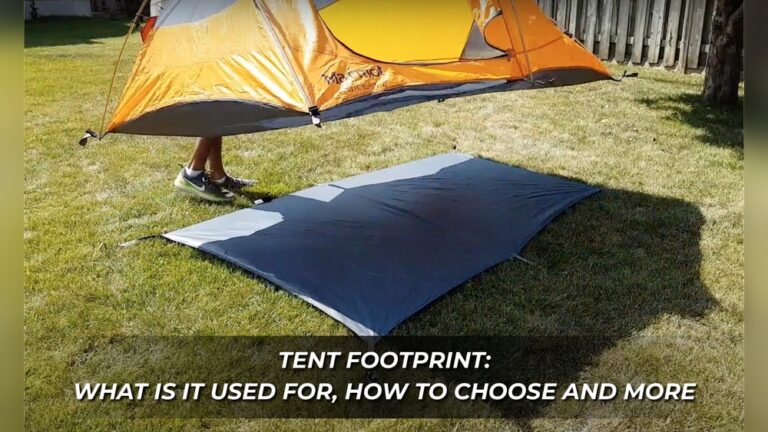
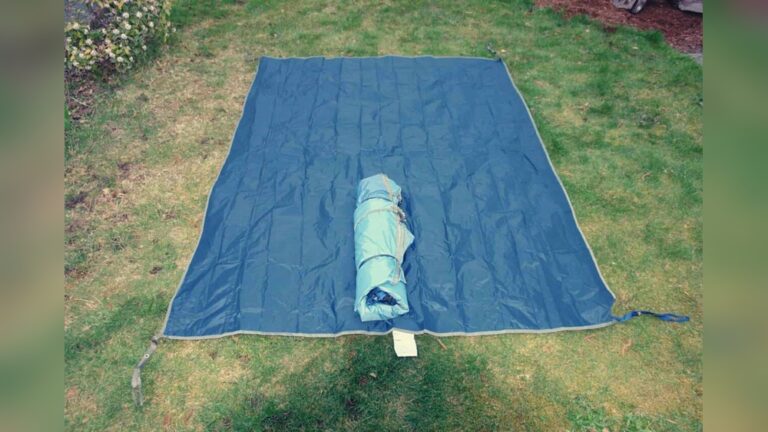
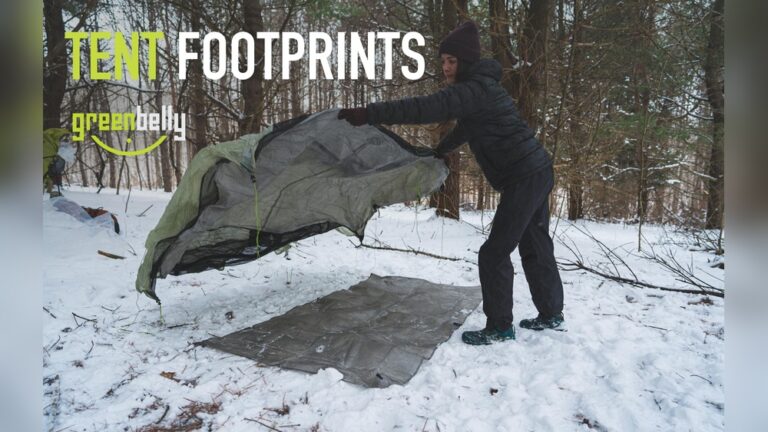
Your tent footprint is the unsung hero of every camping trip. It protects your tent floor from sharp rocks, mud, and moisture, extending the life of your gear.
But after a few adventures, your footprint can get dirty, stained, or even develop mildew if not cleaned properly. If you want to keep your tent footprint in top shape and ready for your next outing, you need to know the best ways to clean it safely and effectively.
You’ll discover simple, step-by-step tips and the right cleaning products that will restore your footprint without damaging the material. Keep reading to learn how to make your tent footprint look and perform like new again.
Choosing The Right Cleaner
Choosing the right cleaner for your tent footprint is key to keeping it in good shape. The material of the footprint can be delicate. Using harsh chemicals or strong detergents can damage the fabric or reduce its waterproofing. Cleaners should remove dirt, stains, and odors without harming the footprint.
Different problems need different cleaners. Dirt often needs gentle soaps. Odors require enzyme cleaners. Tough stains call for specialized stain removers. Picking the right type helps protect your gear and extends its life.
Gentle Soaps For Dirt
Gentle soaps clean dirt without damaging the fabric. Mild dish soaps or castile soaps work well. They are safe on waterproof coatings and do not leave residues. Use cool water with a soft sponge to clean the footprint. Avoid strong detergents or bleach, which can weaken the material.
Enzyme Cleaners For Odors
Enzyme cleaners break down odor-causing substances. These are great for mildew or musty smells on the footprint. Products like MiraZyme target mold and odors safely. They work by digesting organic matter instead of just masking smells. Always rinse the footprint well after using enzyme cleaners.
Stain Removers For Tough Spots
Tough stains need stronger cleaning solutions. Simple Green or special mold and mildew removers can lift stubborn marks. Use these cleaners carefully and sparingly. Test on a small area first to check for any damage. Avoid bleach unless diluted and only for very tough stains. Gentle scrubbing with a soft brush helps remove dirt without harming fabric.

Credit: www.greenbelly.co
Preparing The Footprint
Preparing your tent footprint for cleaning is the first important step. It helps remove dirt and stains effectively. Proper preparation protects the fabric and extends the footprint’s life. Take your time to make sure the footprint is ready for a thorough clean.
Shake Out Loose Debris
Start by taking the footprint outside. Hold it firmly and shake it well. This will remove loose dirt, leaves, and small stones. You can also gently beat the fabric against a hard surface. This clears away dirt that can make cleaning harder later. Removing loose debris prevents scratching the fabric during cleaning.
Spot Cleaning Heavily Soiled Areas
Check the footprint for any visible stains or mud spots. Use a soft cloth or sponge with mild soap to clean these areas. Gently rub the spots to lift dirt without damaging the fabric. Avoid using harsh chemicals or rough brushes. Focus on one stain at a time for the best results. Spot cleaning makes the overall washing easier and more effective.
Cleaning Techniques
Cleaning a tent footprint properly keeps it durable and ready for your next trip. Using the right techniques removes dirt and grime without damaging the material. Focus on gentle methods that protect the fabric and prolong its life. Here are some effective cleaning techniques for your tent footprint.
Soaking Methods
Fill a tub with cool water and mild soap, like non-detergent dish soap or a specialized tent cleaner. Submerge the footprint completely and let it soak for 15 to 30 minutes. This helps loosen dirt and debris without scrubbing. Avoid hot water, as it can damage the fabric or coatings.
Gentle Scrubbing Tips
Use a soft brush or sponge to clean stubborn spots after soaking. Light pressure works best to avoid harming the fabric. Focus on dirty areas only. Rinse the brush or sponge often to prevent spreading dirt. Avoid rough or abrasive scrubbers that can tear or wear thin the footprint.
Avoiding Machine Washers
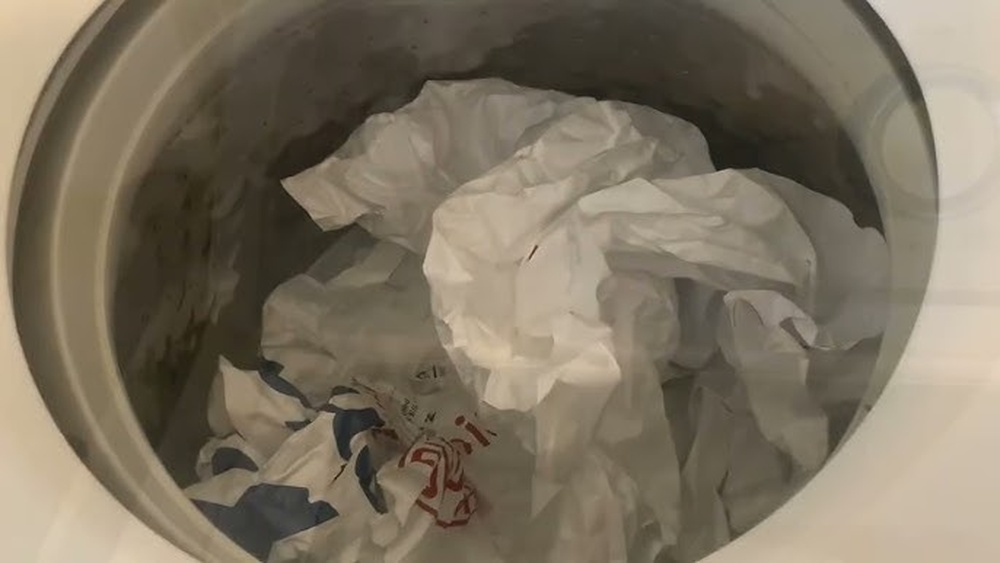
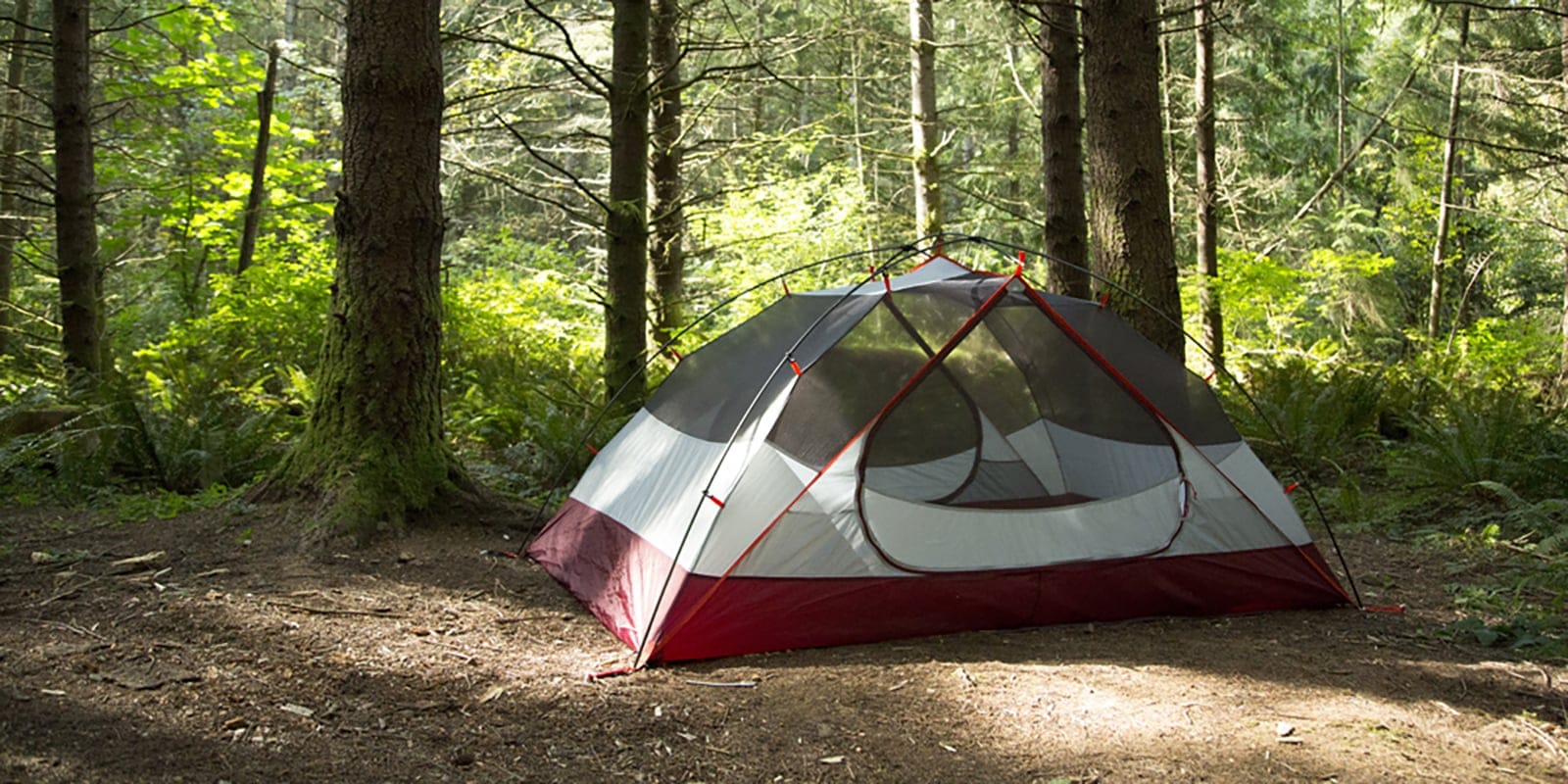
Do not put your tent footprint in a washing machine. The agitator and spinning can damage the fabric and waterproof coatings. Machine washing also risks shrinking or tearing the footprint. Hand cleaning with soaking and gentle scrubbing is safer and more effective for maintaining its condition.
Credit: www.rei.com
Rinsing And Drying
Rinsing and drying are crucial steps in cleaning your tent footprint. Proper rinsing removes all soap and dirt, preventing damage. Drying it well avoids mold and mildew growth. Both steps help keep your footprint durable and ready for your next adventure.
Thorough Rinse Procedures
Start rinsing by using clean, cool water. Gently spray or pour water over the footprint. Make sure all soap suds and dirt wash away. Avoid harsh scrubbing that can harm the fabric. Check carefully for any sticky spots. Repeat rinsing until water runs clear. This ensures no soap residue remains. Soap left on fabric can weaken its fibers.
Air Drying Best Practices
After rinsing, hang your footprint in a shaded area. Direct sunlight can cause fading and damage. Spread it out flat or hang it loosely to allow airflow. Avoid folding or bunching while wet. Let it dry fully before packing. Drying too soon can trap moisture, leading to mold. Check for damp spots and flip if needed. Proper air drying keeps your footprint fresh and long-lasting.
Maintaining Water Resistance
Maintaining the water resistance of your tent footprint is essential for a dry camping experience. The footprint acts as a shield between the ground and your tent floor. Keeping it water-resistant prevents moisture from seeping through. This protection extends the life of your tent and improves comfort inside. Regular care and treatment keep the fabric strong and effective against water.
Applying Water Repellents
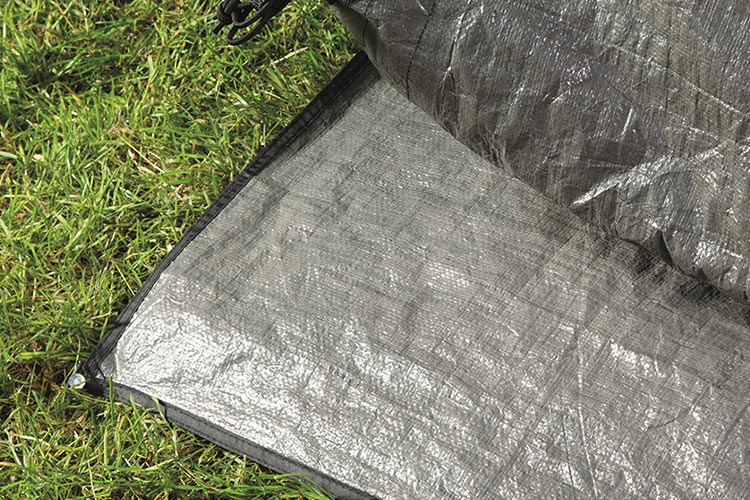
Water repellents restore the tent footprint’s ability to shed water. Use sprays or wash-in products made for outdoor gear. Clean the footprint first with mild soap and water. Let it dry completely before applying the repellent. Spray evenly on the outside surface and avoid soaking the fabric. Follow the product instructions for best results. Proper application helps water bead up and roll off.
When To Reapply Treatments
Water repellent treatments wear off over time. Reapply after heavy use or exposure to rain. Check the footprint after several camping trips. If water no longer beads on the surface, it needs retreating. Also reapply after washing the footprint. Regular reapplication ensures lasting water resistance. Keep your gear ready for wet conditions with timely care.
Credit: www.winfieldsoutdoors.co.uk
Special Care For Different Materials
Different tent footprint materials need special care for cleaning. Each fabric type reacts differently to water and soap. Knowing how to treat each one keeps your footprint durable and effective. Proper cleaning avoids damage and extends its life. Follow simple steps based on the material you have.
Cleaning Tyvek Footprints
Tyvek is lightweight and tough but needs gentle cleaning. Use a soft brush or sponge with mild soap and cool water. Avoid harsh detergents that can break down the fibers. Rinse well to remove all soap residue. Let it air dry away from direct sunlight to prevent weakening. Do not use a washing machine or dryer as they can damage Tyvek.
Handling Canvas And Heavy Fabrics
Canvas footprints are thick and absorbent. Use a mild soap designed for heavy fabrics and warm water. Scrub stubborn dirt with a soft brush but do not overdo it. Avoid bleach or strong chemicals that harm the fabric. Rinse thoroughly to remove all soap. Dry canvas footprints flat in the shade to keep shape and prevent mildew. Store only when completely dry to avoid mold growth.
Preventing Mold And Mildew
Mold and mildew can damage your tent footprint and shorten its life. Preventing their growth keeps your camping gear safe and clean. Moisture and warmth create the perfect environment for mold spores to grow. Proper cleaning and storage reduce this risk significantly.
Using Mold-specific Cleaners
Choose cleaners made to fight mold and mildew for the best results. Products like Iosso Mold & Mildew Remover or MiraZyme work well. Apply the cleaner gently with a soft brush or cloth. Avoid harsh scrubbing that can damage the fabric. Always rinse thoroughly with cool water to remove all residue. Let the footprint dry completely in a shaded, well-ventilated area. This step stops mold spores from spreading and growing.
Storage Tips To Avoid Growth
Store your tent footprint dry and clean to prevent mold. Roll or fold it loosely to allow airflow. Avoid sealing it in plastic bags or airtight containers that trap moisture. Use breathable storage bags or keep it in a cool, dry place. Check your footprint before storage for damp spots or dirt. Clean and dry it fully before putting it away for long periods. Proper storage keeps mold and mildew from developing during off-seasons.
Troubleshooting Common Issues
Tent footprints protect your tent floor but can get dirty and smelly. Troubleshooting common issues helps keep them clean and lasting longer. Simple steps fix most problems fast. Understanding how to tackle stains and odors saves time and effort. Follow these tips for a fresh, ready-to-use tent footprint every trip.
Removing Stubborn Stains
Stubborn stains on tent footprints need gentle yet effective cleaning. Use mild soap mixed with cool water. Apply the solution to the stained area with a soft cloth or sponge. Avoid harsh scrubbing, which can damage the fabric. Let the soap sit for 10 to 15 minutes to loosen dirt.
For tough stains, try a small amount of diluted bleach or a specialized cleaner like Simple Green. Test any cleaner on a hidden spot first to avoid color fading. Rinse the area thoroughly with clean water after treatment. Air dry the footprint in the shade to prevent sun damage.
Dealing With Persistent Odors
Odors often come from mildew or trapped moisture. Clean the footprint with an enzyme cleaner like MiraZyme designed to break down odor-causing bacteria. Spray or soak the footprint and let it sit according to product instructions.
After cleaning, rinse well and dry completely in fresh air. Avoid folding or storing the footprint while damp to stop mold growth. For quick odor removal, sprinkle baking soda on the dry footprint and brush it off after a few hours. Regular cleaning prevents odors from returning.
Frequently Asked Questions
Can You Put A Tent Groundsheet In The Washing Machine?
Do not put a tent groundsheet in the washing machine. Clean it gently with mild soap, warm water, and a sponge. Rinse well and air dry in shade to protect the material and maintain durability.
What Is The Best Thing To Clean A Tent With?
Use mild, non-detergent soap like Nikwax Tech Wash or Dr. Bronner’s with cool water. Gently scrub with a soft brush, rinse well, and air dry in shade. Avoid washing machines and harsh chemicals to protect tent fabric.
Can I Use Dawn To Clean My Tent?
Yes, you can use Dawn to clean your tent. Use a small amount with warm water and a soft sponge. Rinse thoroughly and air dry in shade. Avoid harsh scrubbing or machine washing to protect tent fabric and coatings.
How To Remove Mold And Mildew From Tents?
Remove mold by scrubbing tent fabric with mild soap and warm water. Use a soft brush gently. Rinse thoroughly and air dry in shade. For tough stains, apply a specialized mold remover cautiously. Avoid machine washing or direct sunlight to protect the tent material.
Conclusion
Keeping your tent footprint clean helps it last longer and perform better. Use mild soap and cool water for gentle cleaning. Avoid harsh scrubbing or machine washing to protect the fabric. Always rinse well to remove soap and dirt. Dry the footprint in the shade to prevent damage.
Regular cleaning also helps prevent mold and bad smells. Treat tough stains with special cleaners if needed. A clean footprint makes camping more comfortable and protects your tent floor. Simple care keeps your gear ready for every adventure.