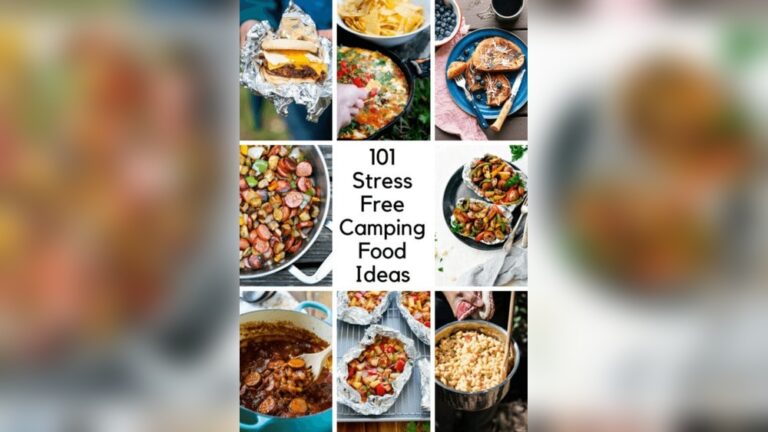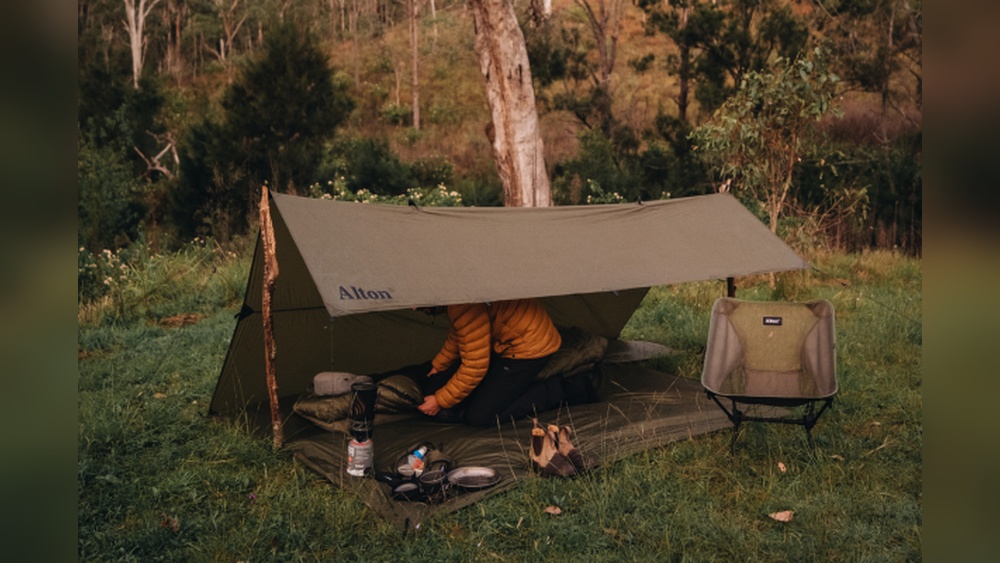
Camp Setup Tips for Beginners: Essential Hacks for Easy Camping
Ready to make your first camping trip smooth and enjoyable? Setting up camp might seem tricky at first, but with the right tips, you’ll have your tent pitched and your gear organized in no time.
Whether you’re worried about choosing the perfect spot or unsure how to arrange your sleeping area, this guide is here to help you avoid common beginner mistakes and feel confident outdoors. Keep reading, and you’ll discover simple, practical camp setup tips that will turn your camping experience into a relaxing adventure you’ll want to repeat.
Your perfect campsite awaits!
Choosing Your Campsite
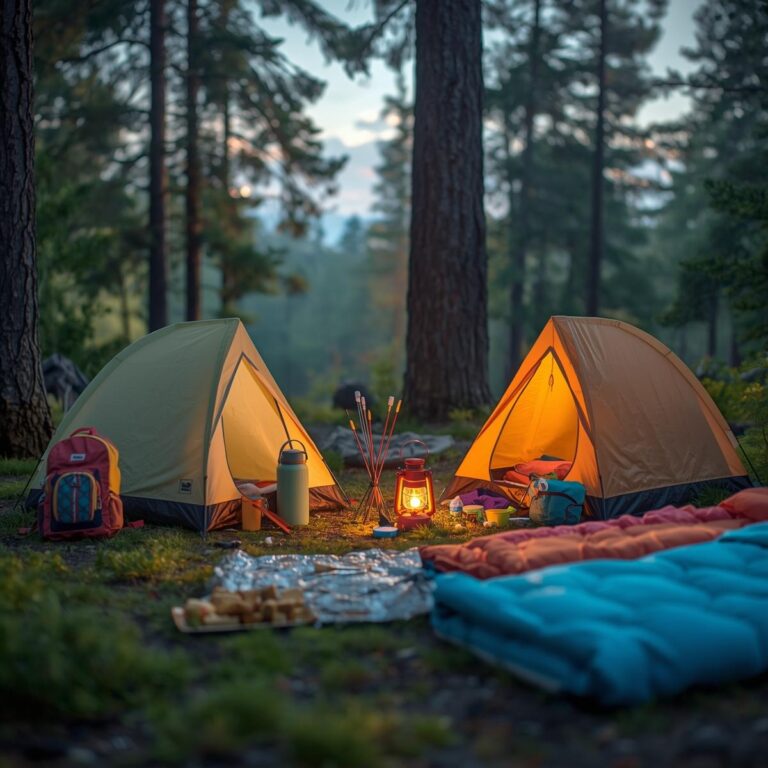
Choosing the right campsite sets the tone for your entire camping trip. A good spot offers comfort, safety, and ease. It helps you enjoy nature without worries. Take time to pick a place that meets your needs. Consider ground, weather, water, and safety factors carefully. This ensures a pleasant and relaxed experience for beginners.
Finding Level Ground
Look for flat areas to pitch your tent. Uneven ground makes sleeping uncomfortable. It can also cause your tent to collapse. Avoid slopes or rocky spots. Level ground keeps your tent stable and cozy. It helps prevent water pooling during rain. Clear away sticks and stones before setting up.
Considering Wind And Sun Exposure
Choose a spot that blocks strong winds. Trees or bushes can act as natural windbreaks. Too much wind can damage your tent or make it cold. Also, check the sun’s path. Morning sun warms your tent early. Afternoon sun can make it hot. Find a balance for comfort throughout the day.
Proximity To Water Sources
Camp near water for easy access to drinking and cooking. Streams, lakes, or rivers work well. Keep a safe distance to avoid flooding risks. Water sources attract wildlife, so stay alert. Avoid setting up too close to keep insects and animals away. Carry water purification tools for safety.
Checking For Hazards
Look around for potential dangers. Avoid areas with dead trees or branches overhead. Check for signs of animal activity nearby. Stay clear of steep cliffs or unstable ground. Inspect the site for sharp rocks or thorny plants. A safe campsite protects you and your gear.
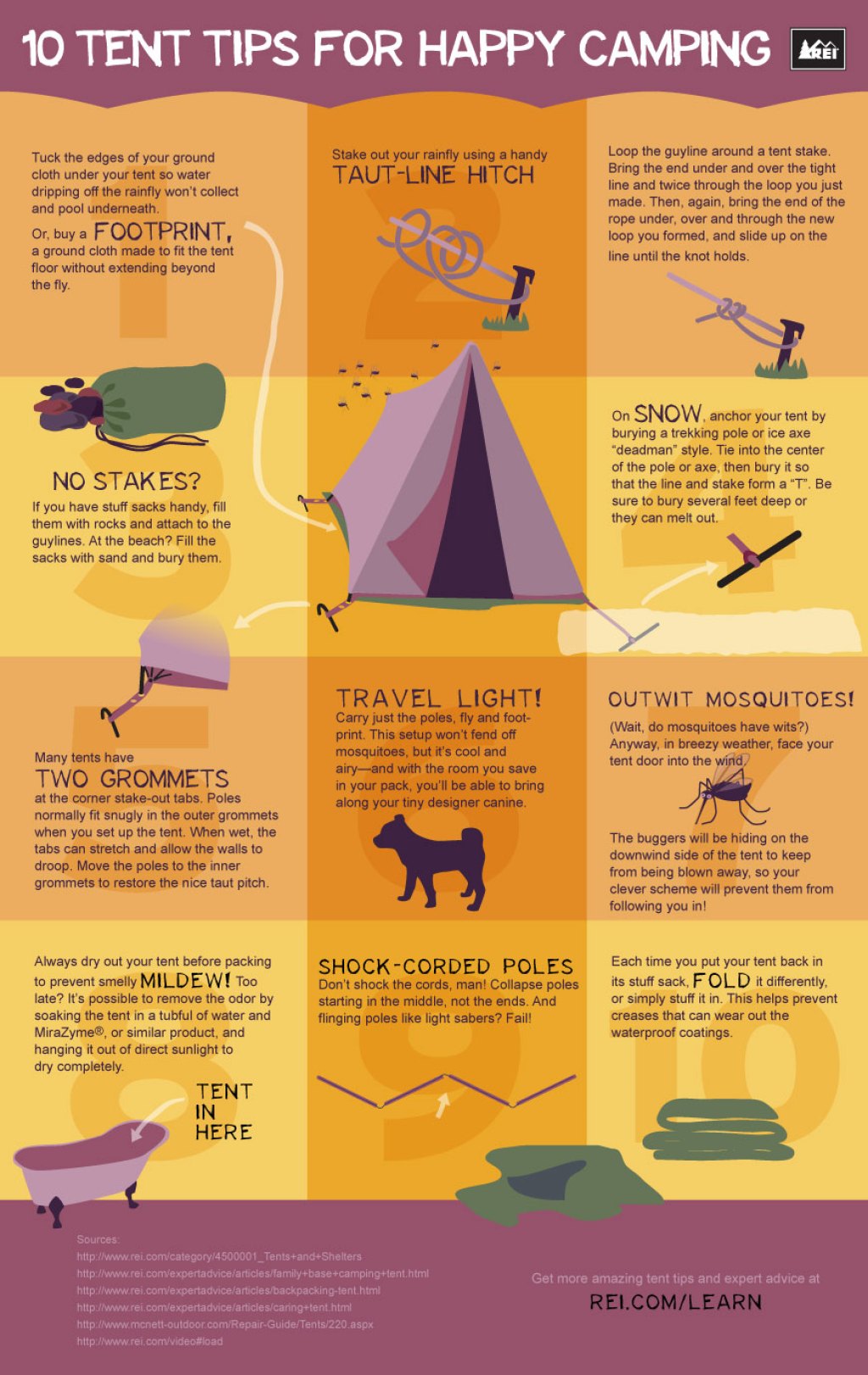
Credit: www.rei.com
Setting Up Your Tent
Setting up your tent is the first step to a comfortable camping experience. A well-pitched tent keeps you dry, safe, and rested. This section covers simple tips to help beginners set up their tents easily and correctly. Follow these steps to enjoy a cozy shelter in the outdoors.
Picking The Right Tent Location
Choose a flat area free of rocks and sticks. Avoid low spots that collect water after rain. Look for natural wind barriers like trees or bushes. Make sure the spot is not under dead branches. Check the ground for ants or other insects.
Using A Groundsheet
Place a groundsheet under your tent to protect the floor. It prevents moisture from seeping in and adds extra insulation. Make sure the groundsheet is smaller than the tent base. This stops rainwater from collecting between the tent and groundsheet.
Proper Tent Assembly
Follow the instructions that come with your tent carefully. Start by laying out all parts and poles. Connect poles and insert them into tent sleeves or clips. Raise the tent and adjust the shape for stability. Check all zippers and doors to ensure they work smoothly.
Securing Tent Stakes And Guy Lines
Push stakes firmly into the ground at a 45-degree angle. Use a hammer or rock for hard soil. Attach guy lines to tent loops and stretch them tight. Tie lines to nearby trees or secure stakes for extra support. This helps the tent resist wind and stay stable.
Organizing Your Sleeping Area
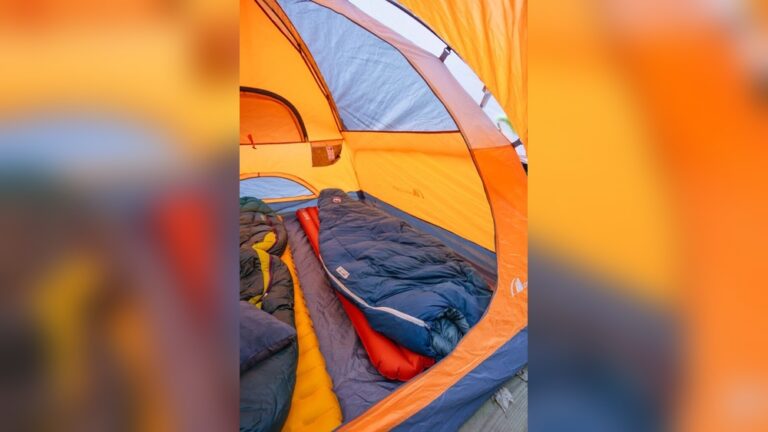
Organizing your sleeping area is key to a good night’s rest while camping. A well-arranged space helps you relax and recharge. It also protects you from cold, moisture, and insects. Simple steps can make your sleeping setup comfortable and warm. Follow these tips to create a cozy sleeping spot that feels like home in the wild.
Selecting Sleeping Pads And Bags
Choose a sleeping pad that suits the ground and weather. Foam pads are lightweight and durable. Inflatable pads offer extra comfort but need care. Pick a sleeping bag with the right temperature rating. Check if it fits your body size well. Synthetic bags dry faster than down but weigh more. Keep your pad and bag clean and dry for best use.
Arranging Pillows And Blankets
Use small camping pillows or stuff a soft shirt in a bag. Arrange pillows to support your neck and head comfortably. Bring extra blankets for added warmth. Layer blankets to adjust to changing temperatures. Keep them inside your sleeping bag or tent. Avoid placing blankets directly on the ground to stay dry.
Keeping Warm And Dry
Set up your sleeping area away from damp or low spots. Use a groundsheet under your sleeping pad to block moisture. Close your tent vents slightly to reduce wind chill but allow airflow. Wear dry clothes to bed and change if you get wet. Store extra clothes and blankets inside the tent but away from your sleeping bag. Avoid sleeping in damp or dirty clothes to stay warm.

Credit: settocamp.com
Managing Food And Cooking
Managing food and cooking is a key part of a good camping experience. Proper planning keeps meals simple and enjoyable. It also helps prevent food waste and safety issues. Beginners should focus on easy methods to store and prepare food outdoors.
Organizing your food supplies and cooking tools saves time. It creates less mess and reduces stress at the campsite. Here are some practical tips to manage your food and cooking efficiently.
Using Sealable Food Containers
Use sealable containers to keep food fresh and safe from bugs. Plastic or glass containers with lids work well. They protect food from dirt, moisture, and animals. Label containers to find items quickly. This method also helps reduce trash and spills.
Setting Up A Camping Stove
Place your camping stove on a flat, stable surface away from wind. Keep flammable items far from the stove. Use fuel according to instructions and check for leaks. Have a small fire extinguisher or water nearby for emergencies. Always cook outdoors or in a well-ventilated area.
Planning Easy Meals
Choose meals that require few ingredients and short cooking times. Think sandwiches, instant noodles, or canned soups. Pre-cut vegetables and pre-cooked meat save time. Plan meals that do not need many pots or pans. This reduces cleanup and makes cooking faster.
Safe Food Storage
Store food in a cool, shaded place to avoid spoilage. Use a cooler with ice packs for perishables like meat and dairy. Keep raw food separate from ready-to-eat items. Avoid leaving food out overnight to prevent attracting wildlife. Clean up food scraps and trash immediately.
Lighting And Safety
Proper lighting and safety are essential when setting up camp. Good lighting helps you move around safely after dark. Safety measures protect you from accidents and wildlife encounters. Simple steps make your camping experience secure and comfortable.
Bringing Portable Lights
Portable lights are a must-have for any campsite. Headlamps free your hands for tasks at night. Lanterns provide a steady light source around the tent. Carry extra batteries to avoid darkness. Bright lights help prevent trips and falls.
Setting Up A Campfire Safely
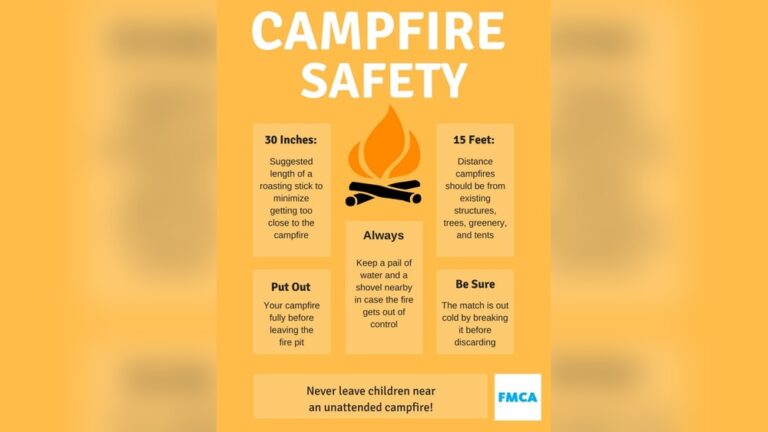
Pick a clear spot away from tents and trees. Use a fire ring or dig a small pit. Keep water or sand nearby to put out the fire. Never leave a fire unattended. Fully extinguish the fire before sleeping or leaving.
Keeping A First Aid Kit Handy
A first aid kit is vital for treating minor injuries. Include bandages, antiseptic wipes, and pain relievers. Check the kit before each trip to restock items. Keep it within easy reach at all times. Quick access can prevent small issues from worsening.
Wildlife Awareness
Store food in sealed containers to avoid attracting animals. Keep your campsite clean and free of scraps. Make noise when walking to alert wildlife of your presence. Learn about local animals and how to react if you encounter them. Awareness keeps you and animals safe.
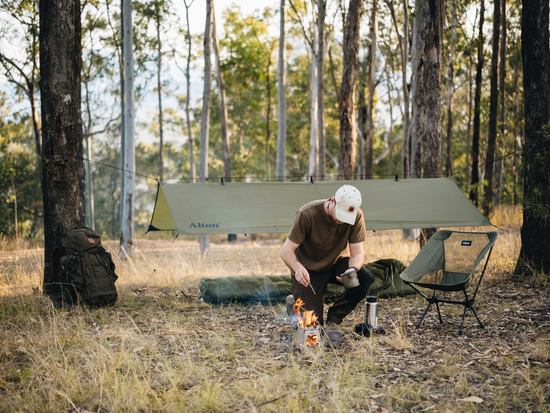
Credit: altongoods.com
Comfort And Convenience
Comfort and convenience make camping more enjoyable, especially for beginners. Simple preparations help create a cozy and practical campsite. These small touches reduce stress and improve your outdoor experience.
Bringing Camp Chairs And Tables
Camp chairs provide a comfortable place to sit and relax. Choose lightweight, foldable chairs for easy carrying. A small table helps keep food, drinks, and gear organized. It also offers a surface for games or meal prep.
Organizing Gear With Bins
Plastic bins keep your camping gear tidy and protected. Label bins for quick access to items like cooking tools or clothes. Stackable bins save space and help keep the campsite clean. This method prevents losing small items in the wild.
Keeping Personal Items Accessible
Store essentials like phones, wallets, and keys in a small, easy-to-reach bag. Use a carabiner or hook to hang it inside your tent. This saves time and avoids rummaging through larger bags. Always keep important items close to you.
Clothing Tips For Changing Weather
Pack layers to adjust to temperature changes during the day. Start with a moisture-wicking base layer to stay dry. Add a warm middle layer and a waterproof outer layer for rain or wind. Bring extra socks and hats for comfort.
Fun And Entertainment
Camping is not just about setting up a tent. It’s about creating memories and having fun. Entertainment adds joy to the outdoors. It keeps everyone happy and engaged. Simple activities can make your trip exciting and relaxing.
Packing Games And Activities
Bring easy games that fit in your backpack. Card games like Uno or a deck of cards are great. Travel-sized board games work well too. Outdoor games like frisbee or a football add action. These games help pass time and bring smiles.
Exploring Nearby Trails
Explore trails close to your campsite. Walking or hiking lets you enjoy nature’s beauty. Look for easy paths if you are a beginner. Take water and snacks for energy. Observing birds and plants can be fun and educational.
Evening Relaxation Ideas
Evenings offer a chance to unwind after a day outdoors. Sit around the campfire and share stories. Bring a guitar or a small speaker for soft music. Enjoy stargazing; the night sky is clearer away from city lights. Warm drinks like cocoa add comfort and peace.
Tips For A Smooth Setup
Setting up a campsite can be a fun and easy task with the right preparation. These tips help beginners create a smooth and stress-free setup. A good setup saves time and avoids frustration. Start early and organize your gear before arriving. Plan with others and watch the weather forecast. These simple steps make your camping trip better and safer.
Arriving Early To Set Up
Arrive at your campsite early in the day. This gives plenty of time to find a good spot. Setting up in daylight is easier and safer. You can avoid rushing and making mistakes. Early arrival lets you explore the area before dark. It also helps you settle in and relax.
Testing Gear Beforehand
Test all your camping gear before the trip. Set up your tent at home to check for missing parts. Test your stove and lantern to ensure they work. This saves time and stress at the campsite. You avoid surprises and can fix problems early. Testing gear keeps your trip smooth and safe.
Camping With Friends Or Family
Bring friends or family to help with setup. More hands make the work faster and easier. You can share tasks like pitching tents and gathering firewood. Camping with others adds fun and safety. It creates a team feeling and shared memories. Plan roles so everyone knows what to do.
Checking Weather Conditions
Check the weather forecast before leaving for camp. Knowing rain or wind helps you prepare better. Bring extra tarps or rain gear if needed. Choose a sheltered spot if the wind is strong. Weather knowledge prevents damage and discomfort. Always pack clothes for changing conditions.
Frequently Asked Questions
What Essential Gear Do Beginners Need For Camping?
Beginners need a tent, sleeping bag, sleeping pad, and cooking stove. Also pack a first aid kit, flashlight, and weather-appropriate clothing. These basics ensure comfort, safety, and a smooth camping experience.
How Do I Choose The Right Campsite For Beginners?
Pick an established campsite with flat ground and nearby water sources. Avoid areas prone to flooding or strong winds. Choose a spot close to facilities for convenience and safety.
When Should I Set Up My Tent Upon Arrival?
Set up your tent immediately after arrival, preferably before dark. This helps avoid difficulties in low light and lets you organize your sleeping area comfortably.
What Are Simple Meal Planning Tips For Camping Beginners?
Plan easy, non-perishable meals like canned goods, trail mix, and instant noodles. Bring a portable stove or grill, and pack enough water for cooking and drinking.
Conclusion
Setting up camp can feel simple with the right approach and tools. Choose a flat, dry spot to pitch your tent quickly. Organize your gear to keep essentials within reach. Keep food sealed to avoid attracting animals. Prepare your sleeping area for comfort and warmth.
Take time to practice these tips before your trip. Enjoy the outdoors with confidence and ease. Camping becomes fun when you stay prepared and relaxed. Safe and happy camping awaits you!