Campfire Safety Rules: Essential Tips for a Safe Outdoor Adventure
When you’re out in the great outdoors, a campfire brings warmth, light, and a cozy atmosphere that makes your experience unforgettable. But here’s the truth: a single careless spark can turn your perfect night into a dangerous situation.
That’s why knowing and following the right campfire safety rules isn’t just smart—it’s essential for protecting yourself, your loved ones, and the environment around you. Ready to learn how to enjoy your campfire safely and confidently? Keep reading to discover simple, effective tips that will help you create lasting memories without any risks.
Your next adventure deserves nothing less than safe, worry-free fun.
Credit: www.twinkl.com
Choosing The Right Spot
Choosing the right spot for your campfire is the first step to staying safe outdoors. A good location helps control the fire and prevents accidents. It also protects the environment and nearby campers. Follow these simple rules to pick a safe and smart campfire spot.
Clear And Open Area
Pick a place with no low-hanging branches or bushes nearby. The area should be wide and open to keep the fire from spreading. Clear away leaves, sticks, and other debris from the ground. This creates a safe zone around the fire. Avoid places with tall grass or dense trees close by.
Avoiding Flammable Materials
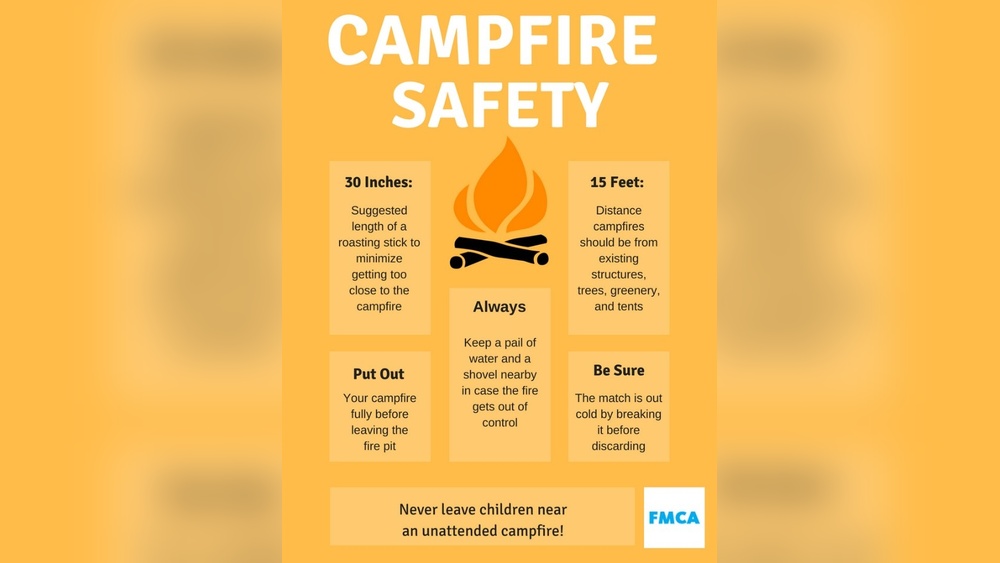
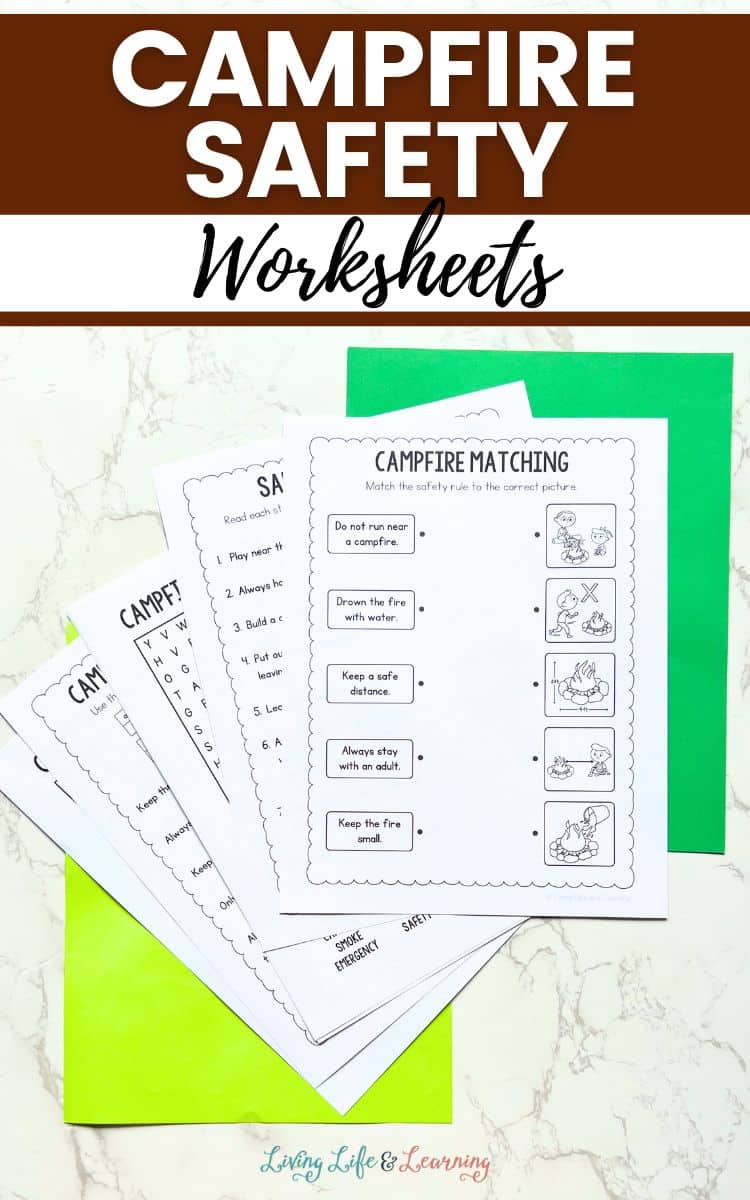
Do not build your fire near tents, backpacks, or dry wood piles. Keep at least ten feet distance from anything that can catch fire easily. Stay away from gasoline cans or aerosol sprays. These can cause dangerous flare-ups. Always check the ground for roots or dry plants that could burn fast.
Using Existing Fire Pits
Use fire pits or rings that are already made if you find them. These spots are designed to contain fires safely. They often have stones or metal barriers to stop the fire from spreading. Avoid digging new pits in protected or fragile areas. Using existing pits helps reduce damage to nature.
Preparing For The Fire
Preparing for a campfire is the most important step for safety. It reduces risks and helps control the fire. A well-prepared site keeps everyone safe and protects the environment. Follow these key steps before lighting your fire.
Setting Up A Safety Zone
Choose a flat, open spot for your fire. Clear the area of leaves, sticks, and other flammable materials. Make a circle with rocks to contain the fire. Keep the fire pit small and manageable. The safety zone should be at least 10 feet wide. This space stops the fire from spreading.
Gathering Water And Tools
Always bring water to put out the fire quickly if needed. Fill a bucket or have a large container nearby. Carry a shovel or a fire extinguisher for emergencies. These tools help control or stop the fire fast. Be ready to act at any moment.
Considering Weather Conditions
Check the weather before starting your campfire. Avoid lighting fires on windy days. Wind can spread sparks and cause wildfires. Also, do not build fires during dry seasons or fire bans. Choose calm and moist conditions for safer fires.
Building And Maintaining The Fire
Building and maintaining a campfire requires care and attention. A well-managed fire keeps everyone safe and enjoyable. Knowing how to start and control the fire helps prevent accidents and wildfires. Follow these simple rules to keep your campfire safe and fun.
Keeping The Fire Manageable
Keep your campfire small and under control. Large fires can quickly spread and become dangerous. Use only the amount of wood needed to keep the fire burning steadily. Avoid adding too much wood at once. Always have water or dirt nearby to put out the fire if it grows too big.
Safe Fire Starting Methods
Start your fire with safe tools like matches or a lighter. Never use gasoline or other flammable liquids. Build your fire on bare soil or in a fire ring if available. Arrange small sticks and dry leaves first, then add larger pieces as the fire grows. Light the fire carefully and slowly to avoid flare-ups.
Supervising Children And Pets
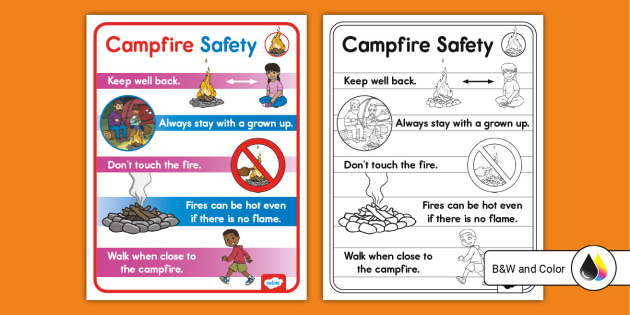
Always watch children and pets near the fire. Keep them at a safe distance to prevent burns or accidents. Explain the dangers of fire to children in simple words. Never leave children or pets alone near the campfire. Always have an adult close by to supervise and control the fire.

Credit: hpdsigns.nyc
Extinguishing The Campfire
Extinguishing the campfire properly is crucial for safety and preventing wildfires. A fire that looks out may still have hot embers. These embers can reignite and cause harm. Follow a simple but effective method to ensure your campfire is completely out before leaving.
Drown, Stir, And Feel Method
First, pour water slowly over the campfire. Make sure you cover all the ashes and embers. Next, use a stick or shovel to stir the ashes. Stirring helps expose hot spots beneath the surface. Finally, feel the area with the back of your hand. If it feels warm, repeat drowning and stirring. This method reduces the chance of leftover heat.
Ensuring Complete Extinguishment
Never leave a campfire until it is fully extinguished. Look for smoke, glowing embers, or heat. Use extra water if needed. Stir again and check if any part is still burning. The fire site should be cold and damp to touch. This step ensures no hidden fire remains.
Checking For Remaining Heat
After drowning and stirring, carefully place your hand near the ashes. Do not touch directly. Feel for any warmth or heat. If you detect heat, continue adding water and stirring. Repeat this until the ashes are cool to the touch. This final check protects your campsite and the forest.
Preventing Wildfire Risks
Preventing wildfire risks is crucial for safe campfire experiences. Wildfires spread quickly and cause serious damage. Campers must follow simple rules to reduce these risks. Awareness and caution protect nature and people. Use the right methods to keep fires controlled and safe.
Avoiding Fires In Dry Or Windy Conditions
Dry weather makes fires spread fast. Wind carries sparks far from the fire. Never start a campfire when it is dry or windy. Check weather conditions before lighting your fire. Wait for calm, moist days to build a fire.
Following Local Fire Restrictions
Local rules help prevent wildfires. Authorities may ban fires during high-risk times. Always check for fire restrictions in your area. Obey all fire bans and rules without exception. This helps protect forests and wildlife from harm.
Using Fire Rings And Pits
Fire rings and pits keep fires contained. Use existing fire rings whenever possible. They reduce the chance of fire spreading. Clear debris and leaves around the fire ring. Keep the fire small and manageable inside the pit.
Campfire Safety Tips For Kids
Teaching kids about campfire safety helps keep them safe and confident outdoors. Simple rules make a big difference around fire. Kids learn how to enjoy campfires without risks. Clear, easy tips help kids remember what to do and what not to do.
Never Playing With Matches Or Lighters
Matches and lighters are tools for adults only. Kids should never touch or play with them. Fire can start very quickly and cause burns. Always ask an adult to handle fire-starting tools. Explain why these items are dangerous to children. This rule prevents many accidents around campfires.
Staying At A Safe Distance
Kids must stay a safe distance from the campfire. Too close means risk of burns or clothes catching fire. Teach children to keep at least three feet away. Sitting or standing back protects them from sparks and heat. Remind kids to listen and follow the grown-ups’ instructions near fire.
Understanding Fire Dangers
Fire is not a toy. It can spread fast and cause harm. Explain to kids how fire works and why it is hot. Teach them that smoke and flames are signs to be careful. Knowing fire dangers helps kids respect the campfire. Respect keeps everyone safe and happy during camping.
Emergency Preparedness
Emergency preparedness is essential for safe campfire experiences. Fires can quickly become dangerous without proper readiness. Being prepared helps prevent accidents and ensures quick action if problems arise.
Understanding key safety steps reduces risks. Preparing for emergencies means having tools and knowledge ready. This readiness protects you and those around the campfire.
Having A Fire Extinguisher Nearby
Always keep a fire extinguisher close to the campfire. It allows quick control of unexpected flames. Choose an extinguisher rated for wood and paper fires. Check it regularly to ensure it works properly. A fire extinguisher can stop small fires before they spread.
Knowing Emergency Contact Numbers
Save emergency numbers on your phone before lighting a fire. Include local fire department and medical services. Know the closest location to call for help. Quick access to these contacts speeds up emergency response. Share numbers with everyone in your group.
First Aid For Burn Injuries
Learn basic first aid for burns before camping. Cool burns with clean, cool water immediately. Avoid using ice or very cold water. Cover burns with a clean, dry cloth. Seek medical help for severe burns or large affected areas. Proper first aid reduces pain and prevents infection.
Credit: www.freehomeschooldeals.com
Frequently Asked Questions
What Are The 10 Fire Safety Rules?
The 10 fire safety rules: 1) Keep fire small and manageable. 2) Use clear, open areas. 3) Never leave fire unattended. 4) Keep water and shovel nearby. 5) Fully extinguish fire before leaving. 6) Create a safety zone. 7) Only adults start fires.
8) Avoid dry, windy conditions. 9) Supervise children and pets. 10) Use existing fire pits when possible.
What Are The 5 E’s Of Fire Safety?
The 5 E’s of fire safety are: Education, Engineering, Enforcement, Emergency Response, and Environment. They help prevent and control fires effectively.
What Are The Fire Safety Rules When Camping?
Choose a clear, open area away from flammable materials. Keep fires small and manageable. Never leave fires unattended. Always have water and a shovel nearby. Fully extinguish fires using the “drown, stir, and feel” method before leaving. Supervise children and pets closely.
What Are The 4 P’s Of Fire Safety?
The 4 P’s of fire safety are Prevention, Preparation, Protection, and Practice. These ensure effective fire risk management and response.
Conclusion
Campfire safety protects you, your group, and nature. Always pick a safe spot, clear of dry grass or trees. Keep fires small and manageable. Never leave a fire unattended, even for a short time. Have water and a shovel ready to put out flames quickly.
Fully extinguish your fire before leaving the area. Teach children to respect fire and stay at a safe distance. These simple rules help prevent accidents and wildfires. Enjoy your campfire safely and keep the outdoors beautiful for everyone.