Camping in Rainy Weather Tips: Essential Hacks for a Dry Adventure
Rainy weather can easily put a damper on your camping plans—or can it? Imagine cozying up inside your tent, listening to the soothing sound of raindrops falling, while staying completely dry and comfortable.
Sounds inviting, right? If you want to turn a soggy trip into a memorable adventure, you need the right tips and tricks to camp confidently in the rain. In this guide, you’ll discover simple, practical ways to keep your gear dry, stay warm, and enjoy your time outdoors no matter what the weather throws at you.
Ready to become a rain camping pro? Keep reading and transform your wet-weather worries into pure fun.
Choosing The Right Tent
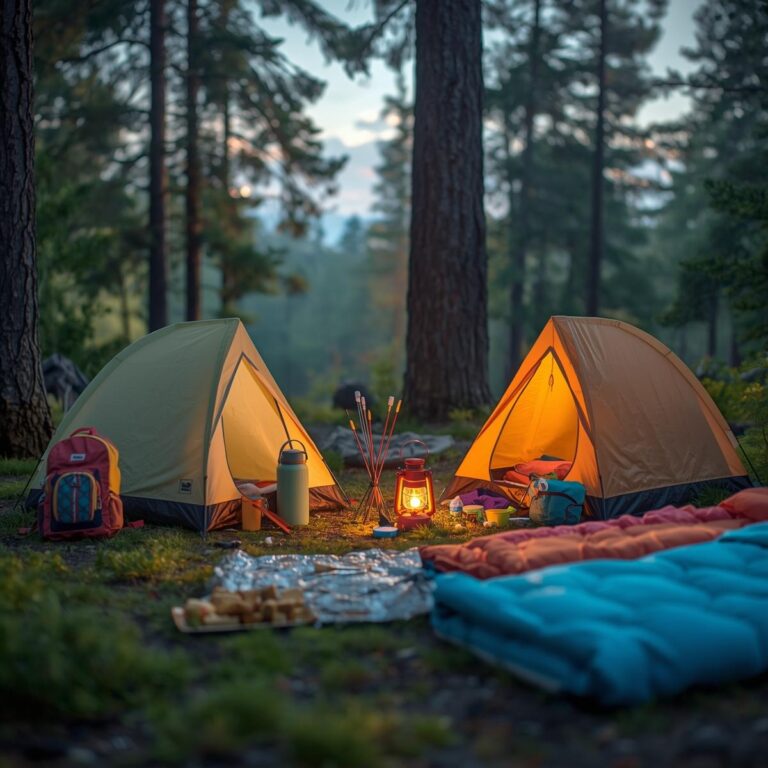
Choosing the right tent is key for camping in rainy weather. A good tent keeps you dry and comfortable. It protects you from wind and wet ground. Picking a tent designed for rain helps avoid leaks and damp gear. Focus on materials, construction, and setup. These factors work together to keep water out and shelter you well.
Waterproof Materials And Rainfly
Look for tents made with waterproof fabrics like polyester or nylon. These materials resist water and dry quickly. A quality rainfly covers the tent fully. It acts as the first shield against rain. The rainfly should extend past the tent walls to direct water away. This prevents water from seeping inside. Choose tents with a durable rainfly for better protection.
Seam Sealing And Quality
Seams can let water in if not sealed well. Check if the tent has factory seam sealing or tape inside. This stops water from leaking through needle holes. High-quality tents use strong stitching and seam tape. This makes the tent more reliable in heavy rain. Poorly sealed seams increase the risk of leaks and wet gear. Always inspect the tent’s seams before buying.
Setting Up For Rain Protection
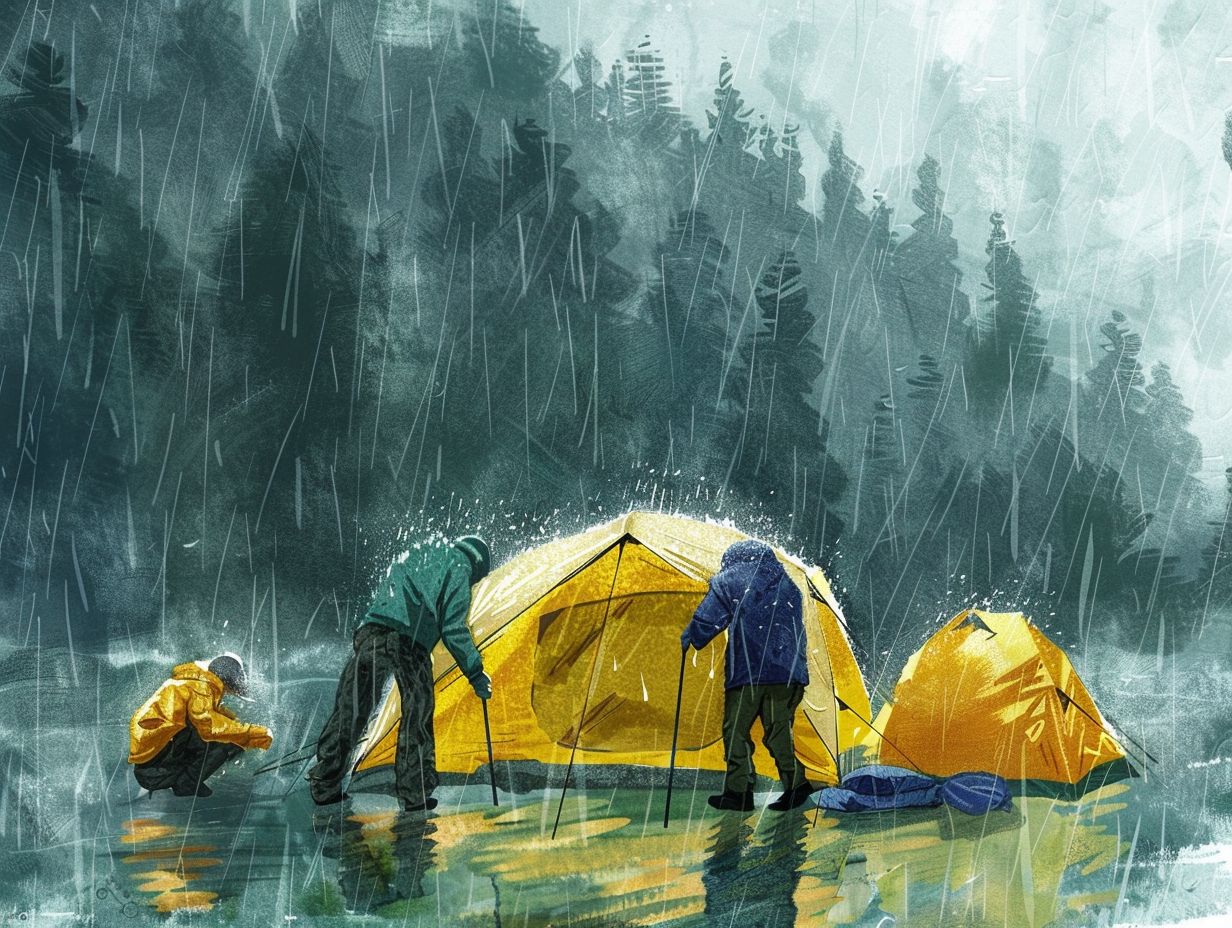
Proper setup improves rain defense. Use a ground tarp under the tent to keep moisture out. Make sure the tarp is smaller than the tent floor. This prevents water from collecting under the tent. Tighten the rainfly and stake the tent firmly. Create a slight slope for water to run off. Avoid low spots where water can pool around the tent.

Credit: www.jundado.de
Effective Shelter Setup
Setting up an effective shelter is key for camping in rainy weather. A well-planned shelter keeps you dry and comfortable. It protects your gear and provides a safe space to rest. Simple steps can make a big difference during heavy rain.
Focus on proper ground protection, overhead coverage, and smart site choices. Using tools like tarps and shovels helps control water flow. These tactics reduce wetness and mud inside your camp.
Using Ground Tarps Correctly
Place a ground tarp under your tent to protect it from moisture. Make sure the tarp does not extend beyond the tent edges. This avoids water collecting under the tent. Secure the tarp tightly to prevent movement in the wind. Use a tarp made from waterproof material for best results.
Building Overhead Tarps
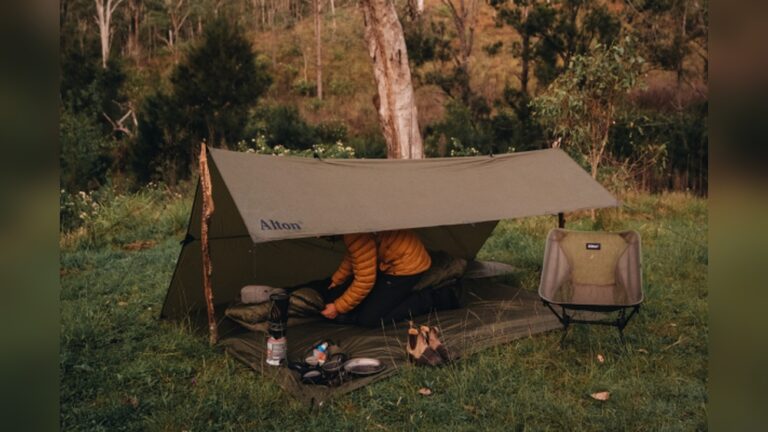
Set up an overhead tarp above your tent for extra rain protection. Use sturdy poles or nearby trees to support the tarp. Angle the tarp to allow water to run off quickly. Extend the tarp beyond the tent’s sides to keep rain away from the entrance. Tie the tarp firmly to avoid sagging or flapping.
Site Selection To Avoid Water Pooling
Choose a camping spot that is high and flat. Avoid low areas where rainwater collects. Look for natural slopes to help water drain away. Check for signs of past water pooling like mud or puddles. Clear away leaves and debris to improve drainage around your tent.
Trenching To Divert Water
Dig shallow trenches around your tent to direct water away. Use a small shovel or trowel for this task. Make trenches about 4 to 6 inches deep and 3 inches wide. Place them slightly downhill from your tent perimeter. This simple method prevents water from pooling near your shelter.
Essential Rain Gear
Camping in rainy weather needs special gear to keep you dry and comfortable. Essential rain gear protects your body and your equipment from water. It helps you enjoy nature without getting soaked or cold. Preparing with the right items makes your trip safer and more fun.
Focus on gear that blocks water and dries fast. Make sure your clothes, bags, and shoes work well in wet conditions. Protecting yourself from bugs also matters, as they often come out in rain.
Waterproof Clothing And Footwear
Choose waterproof jackets and pants made from breathable material. They stop rain but let sweat escape. Waterproof boots keep your feet dry and prevent blisters. Look for boots with good grip to avoid slipping on wet surfaces. Always carry a hat with a brim to keep rain off your face.
Dry Bags For Gear Protection
Use dry bags to store electronics, clothes, and food. They prevent water damage inside your backpack. Pick bags with strong seals and durable material. Organize items in separate dry bags to find them quickly. Keeping gear dry means it works better and lasts longer.
Extra Quick-drying Layers
Pack extra clothes made from quick-drying fabrics like polyester or nylon. Avoid cotton because it stays wet and cold. Change into dry layers after rain to stay warm. Layering helps adjust to changing weather. Carry socks and shirts that dry fast to avoid discomfort.
Insect Repellent Use
Rainy weather often brings more bugs like mosquitoes. Use insect repellent to avoid bites and irritation. Apply repellent on exposed skin and clothes before heading out. Choose products safe for your skin and environment. Protecting yourself from insects helps you enjoy camping without distraction.
Credit: theexpertcamper.co.uk
Keeping Warm And Dry While Sleeping
Staying warm and dry while sleeping is key for a comfortable rainy camping trip. Wet and cold nights can ruin your adventure. You need proper gear and smart packing to avoid discomfort. This section covers ways to keep your bedding dry and insulated. Follow these tips to rest well and enjoy your trip.
Choosing A Suitable Sleeping Bag
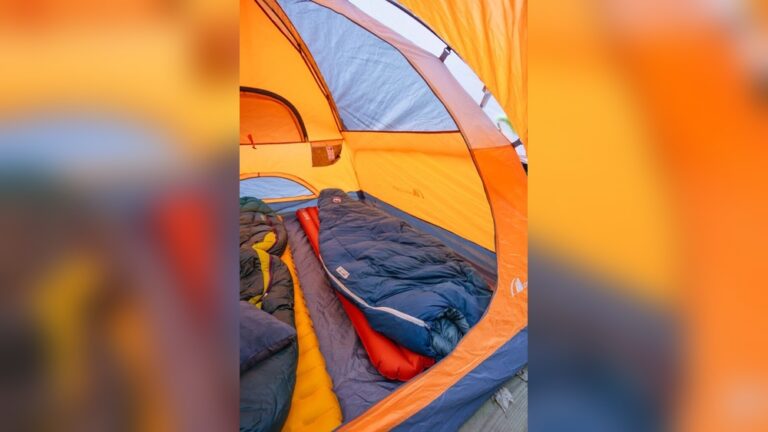
Select a sleeping bag rated for cold and wet weather. Synthetic fills dry faster than down and keep warmth even when damp. Look for water-resistant or waterproof covers to block moisture. A mummy-style bag fits snugly, reducing heat loss. Keep your sleeping bag inside a dry sack to protect it during the day.
Waterproof Storage For Bedding
Use dry bags or waterproof stuff sacks to store your bedding. These keep sleeping bags and blankets safe from rain and ground moisture. Pack bedding separately from clothes to avoid cross-contamination. Seal bags tightly and place them in your tent’s vestibule or under a tarp. Avoid leaving bedding exposed outside your shelter.
Insulating Ground Layers
Place a thick sleeping pad under your bag to block cold and dampness from the ground. Foam pads provide good insulation and do not lose warmth when wet. Air pads add comfort but must be kept dry and inflated properly. Combine foam and air pads for better insulation. Lay a ground tarp under your tent to reduce moisture rising from soil.
Cooking And Fire Tips In Rain
Cooking and making fire in rainy weather can be tricky. Wet conditions make it hard to start and keep a fire burning. Staying dry while cooking is important for comfort and safety. These tips help you prepare meals and fire safely during rain.
Using Portable Stoves
Portable stoves work great in wet weather. They do not need dry wood or kindling. You can cook meals quickly and safely. Carry extra fuel for longer cooking times. Set the stove on a flat, stable surface to avoid spills. Use a windscreen to protect the flame from rain and wind.
Waterproof Fire Starters
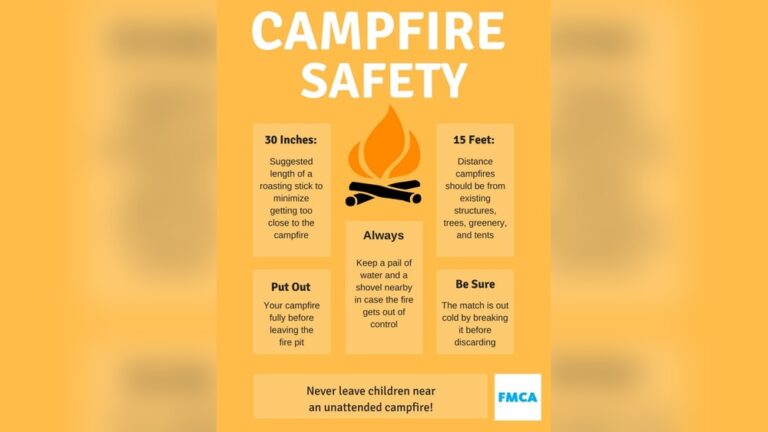
Waterproof fire starters help you light fires easily. Keep them in a sealed plastic bag or waterproof container. Use them to ignite kindling even when wet. Carry several fire starters for backup. They burn longer and hotter than normal matches. This increases the chance of a successful fire in rain.
Creating Dry Cooking Areas
Set up a dry cooking area before rain starts. Use a tarp or rain fly overhead to block water. Secure the sides to keep wind-driven rain out. Clear the ground of wet leaves and twigs. Place a ground tarp to keep your feet dry. Keep all cooking gear and food off wet surfaces.
Lighting And Safety
Lighting and safety become more important when camping in rainy weather. Darkness comes sooner, and wet conditions make the ground slippery. Good lighting helps you move safely around your campsite. Proper safety measures protect you from accidents and injuries. Prepare well to enjoy your camping trip without worry.
Reliable Headlamps And Flashlights
Choose headlamps and flashlights that are waterproof or water-resistant. They should have bright, adjustable beams to light your path clearly. A hands-free headlamp is useful for setting up tents or cooking in the dark. Test your lights before the trip to ensure they work well in wet weather.
Extra Batteries And Backup Options
Always carry extra batteries for your headlamps and flashlights. Cold and wet weather can drain batteries faster than usual. Keep backup lights like small lanterns or glow sticks in case your main light fails. Store batteries in a dry, safe place to keep them working longer.
First-aid Kit Essentials
A well-stocked first-aid kit is a must for rainy camping trips. Include waterproof bandages, antiseptic wipes, and pain relief medicine. Pack items to treat slips, cuts, and insect bites. Keep the kit in a waterproof bag to keep it dry and ready to use.
Entertainment During Rainy Downtime
Rainy weather can put a pause on outdoor adventures while camping. Staying entertained during these wet breaks keeps spirits high and boredom away. Planning simple activities and having fun options ready makes rainy downtime enjoyable. Here are easy ways to stay busy and cheerful inside your tent or shelter.
Indoor Games And Books
Pack card games like Uno, Go Fish, or a deck of standard cards. These games are lightweight and fun for all ages. Board games that fit in a small bag also work well. Puzzles and travel-sized games keep minds active without taking much space.
Books offer quiet entertainment during rainy hours. Bring novels, magazines, or comics suited to your interests. Reading relaxes and helps pass time pleasantly. Audiobooks are a good alternative if reading is hard in low light.
Planning Activities For Wet Weather
Prepare a list of activities before your trip. Include storytelling sessions or sharing camping memories. Journaling about your trip can be calming and creative. Drawing or sketching nature scenes indoors brings the outside world closer.
Try simple exercises or yoga inside the tent to stay active. Learning new skills like knot tying or map reading can be useful and interesting. Having a plan for wet weather keeps everyone engaged and happy despite the rain.
Practical Tips For Staying Dry
Staying dry during rainy camping trips enhances comfort and safety. Proper preparation and smart habits reduce the hassle of wet conditions. Use simple methods to keep your gear, sleeping area, and yourself dry. Follow these practical tips to enjoy your adventure despite the rain.
Managing Wet Gear
Keep wet gear away from dry items. Use waterproof bags or stuff sacks to store clothes and electronics. Hang wet clothes on a line or tree branch to air dry. Avoid bringing wet boots or jackets inside your tent. Always carry extra plastic bags for storing soaked gear. Organize your campsite so wet items stay separate.
Maintaining Dry Zones
Create dry zones inside and outside your tent. Set up a tarp or rainfly over the tent and cooking area. Place a ground tarp under your tent, tucked well to prevent water pooling. Use a small shovel to dig trenches around your tent to divert water. Keep your tent entrance clear and use a mat to wipe shoes. Keep your sleeping area free from dampness.
Handling Rainy Conditions Positively
Accept rain as part of the camping experience. Plan fun indoor activities like reading or playing games. Stay active to keep warm and dry faster. Use rain gear designed for outdoor use with breathable fabrics. Focus on the peaceful sounds of rain and nature. Staying positive helps you enjoy your trip despite the weather.
Credit: www.winfieldsoutdoors.co.uk
Frequently Asked Questions
What To Do When It Rains While Camping?
Stay dry by setting up a waterproof tent with a rainfly and extra tarps. Choose a campsite away from water pooling. Use waterproof clothing and boots. Create drainage trenches if needed. Keep gear in dry bags and entertain yourself inside during heavy rain.
Should You Camp When It’s Raining?
Camping in rain can be enjoyable with proper gear. Use a waterproof tent, rainfly, tarps, and wear waterproof clothing. Choose a dry campsite away from water pooling. Keep extra dry clothes and entertainment. Rain enhances the experience if you stay prepared and stay dry.
Do All Tents Leak In Heavy Rain?
Not all tents leak in heavy rain. High-quality tents with good rainflies and sealed seams resist leaks effectively. Budget tents may leak due to thin materials. Proper setup, including tarps and ground covers, also prevents water entry during heavy rain.
What Do You Need When Camping In The Rain?
Bring a waterproof tent with rainfly, extra tarps, waterproof rainwear and boots. Use dry bags for gear and pack warm, quick-drying clothes. Include waterproof fire starters, a headlamp, and entertainment for indoor time. Choose a dry campsite to avoid water pooling.
Conclusion
Camping in rainy weather can still be fun and rewarding. Prepare well with waterproof gear and a strong tent. Set up tarps to keep dry areas for cooking and resting. Choose a campsite that avoids water pooling and use a shovel if needed.
Bring warm, quick-drying clothes and keep your belongings in dry bags. Plan indoor activities to enjoy when outside is wet. Staying safe and comfortable makes rainy camping a great adventure. Embrace the rain, stay dry, and enjoy nature’s sounds.