Camping Safety Tips: Essential Guidelines for a Secure Adventure
Camping is one of the best ways to connect with nature, unwind, and create lasting memories. But if you want your trip to be fun and stress-free, safety has to come first.
You might think camping is all about adventure, but a few simple safety steps can make the difference between a great experience and a dangerous situation. From picking the right spot for your tent to handling campfires the right way, this guide will help you protect yourself and your loved ones.
Keep reading to discover essential camping safety tips that will keep you safe, comfortable, and ready to enjoy every moment outdoors. Your next camping trip deserves to be both exciting and safe—let’s make sure it is!
Campsite Selection
Selecting the right campsite is vital for a safe and enjoyable camping experience. The site impacts comfort, safety, and the overall feel of your trip. Careful campsite selection reduces risks from weather, wildlife, and terrain. It also helps protect the environment around you.
Choosing a good spot means thinking about the ground, nearby dangers, and how to store your food. These steps keep you safe and make your camping easier and more fun.
Choose Level Ground
Pick flat, even ground to set up your tent. It prevents discomfort and stops water from pooling if it rains. Avoid slopes or uneven areas that can cause slipping or tripping. Level ground helps keep your sleeping bag and gear stable through the night.
Avoid Natural Hazards
Stay clear of places near dead trees or loose branches that could fall. Watch for signs of flooding or water flow paths. Avoid insect nests and dense bushes that may harbor snakes or bugs. Check the area for rocks or holes that can cause injuries.
Secure Food Storage
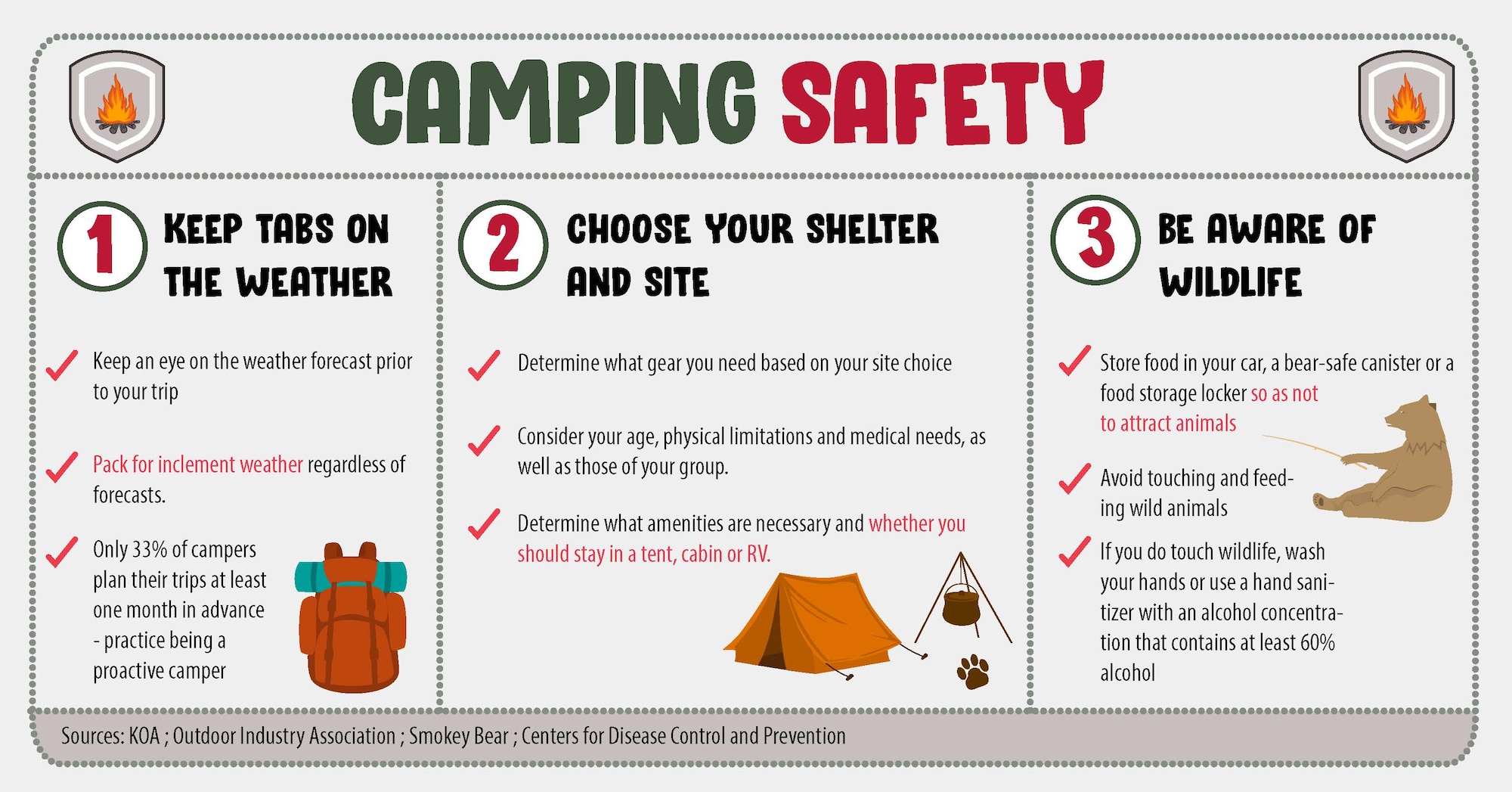
Store food away from your tent to avoid attracting animals. Use sealed containers or bear-proof lockers if available. Hang food bags from a tree branch, at least 10 feet off the ground and 4 feet from the trunk. This keeps wildlife away and protects your supplies.
Fire Safety
Fire safety is vital for every camping trip. Fires provide warmth, light, and a way to cook food. But they can also cause accidents and wildfires. Follow simple rules to keep your fire safe and under control. Protect yourself, others, and the environment while enjoying your campfire.
Build Fires Safely
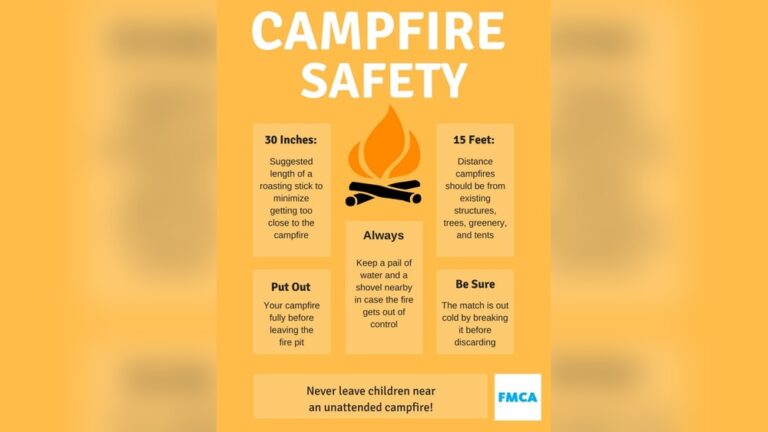
Choose a clear area for your fire. Remove leaves, sticks, and dry grass nearby. Use a fire ring or dig a small pit to contain the flames. Keep water or a shovel close to put out the fire quickly if needed. Never build fires near tents or flammable materials.
Keep Fires Small
Small fires are easier to control and safer for everyone. A big fire can spread fast and cause damage. Build a fire just large enough to cook your food or keep warm. Always watch your fire and never leave it unattended. A small fire reduces risk and saves wood.
Extinguish Completely
Put out your fire before going to sleep or leaving the campsite. Pour water over the fire, stir the ashes, and add more water until the fire is cold. Feel the ashes with your hand to check for heat. Never bury a fire; it can keep burning underground and cause wildfires.
Prevent Carbon Monoxide
Carbon monoxide is a deadly gas from fires and heaters. Never use a stove or heater inside a closed tent or small space. Always ventilate your shelter well when using any fuel-burning device. Keep fires outside and away from sleeping areas. Fresh air protects you from carbon monoxide poisoning.
Wildlife Precautions
Camping near nature means sharing space with wildlife. It is vital to follow safety steps to avoid problems. These help keep you and animals safe. Respect their homes and habits to enjoy a peaceful trip.
Store Food Airtight
Keep all food sealed in airtight containers. This stops smells from spreading and attracting animals. Use coolers or special wildlife-proof boxes if possible. Never leave food out in the open or inside your tent.
Avoid Feeding Animals
Do not feed any wild animals. Feeding changes their natural behavior and makes them dependent on humans. It can cause aggressive actions and endanger both animals and campers. Let wildlife find food naturally in their habitat.
Stay Clear Of Wildlife
Keep a safe distance from all animals you see. Do not try to touch or approach them. Use binoculars or zoom lenses for a closer look. Sudden moves or loud noises can scare animals and cause attacks.
Pest Protection
Pests can quickly spoil a camping trip. Bugs and insects are more than just a nuisance. They can cause bites, allergic reactions, or spread diseases. Protecting yourself from pests is a key part of camping safety. Simple steps can reduce your risk and keep you comfortable outdoors.
Use Insect Repellent
Apply insect repellent on exposed skin and clothing. Choose products with DEET or picaridin for best results. Reapply often, especially after swimming or sweating. Avoid spraying repellent near your eyes and mouth. This helps keep mosquitoes, ticks, and other bugs away.
Wear Protective Clothing
Wear long sleeves and pants to cover your skin. Light-colored clothes make it easier to spot ticks. Tuck pants into socks to block insects from crawling inside. A wide-brimmed hat protects your head and neck. Protective clothing forms a barrier against bites and stings.
Keep Tent Screens Closed
Keep tent doors and windows zipped at all times. Tent screens prevent insects from entering your sleeping area. Check for holes or tears before bedtime. Repair any damage quickly to maintain a bug-free space. This step is vital for a peaceful night outdoors.
Gear Essentials
Having the right gear is key to a safe camping trip. Good equipment keeps you ready for surprises outdoors. It helps you handle injuries, find your way, and stay comfortable. Packing smart means bringing only what you need but nothing less. Here are the essential items to carry for a safe adventure.
First-aid Kit
A first-aid kit is a must-have in your backpack. It should include bandages, antiseptic wipes, pain relievers, and any personal medicine. Treat cuts and scrapes quickly to avoid infection. Knowing how to use the kit saves time and prevents small injuries from worsening.
Navigation Tools
Maps and a compass help you avoid getting lost. GPS devices can guide you, but always carry a backup. Know how to read a map and use a compass before the trip. Navigation tools keep you on track and safe in unfamiliar areas.
Sun Protection
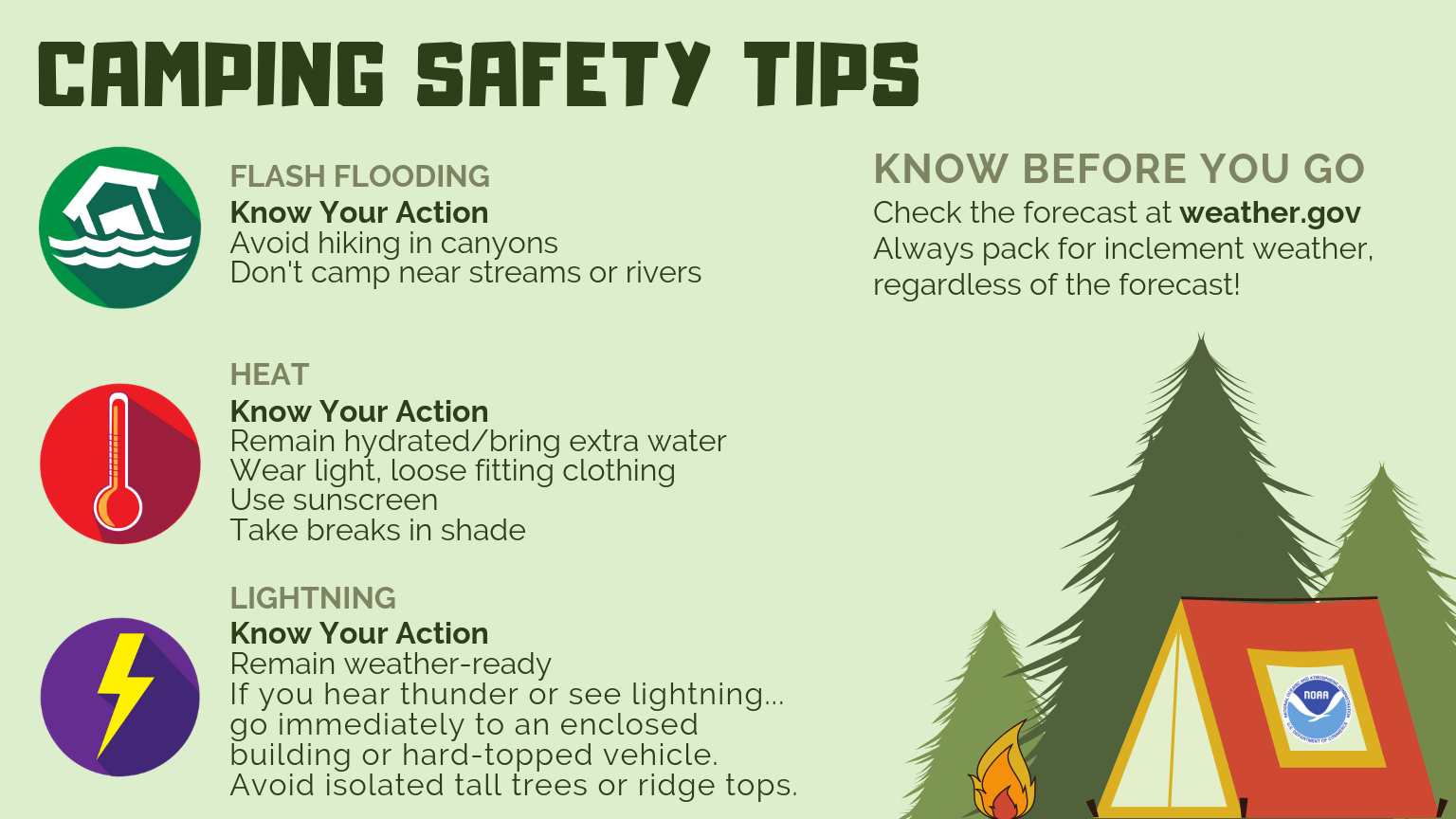
Sunburn can spoil your camping experience. Bring sunscreen, sunglasses, and a wide-brimmed hat. Apply sunscreen often, especially during midday. Sun protection reduces risks of skin damage and heat-related illnesses.
Warm Clothing
Temperatures drop quickly at night outdoors. Pack layers of warm clothes like jackets, hats, and gloves. Choose moisture-wicking fabrics to stay dry and cozy. Proper clothing prevents hypothermia and keeps you comfortable.
Lighting Equipment
Flashlights, headlamps, and lanterns light your way after dark. Carry extra batteries or a charger. Good lighting helps avoid trips and falls. It also makes your campsite safer and easier to navigate at night.

Credit: uabstvincents.org
Weather Preparedness
Weather can change fast during camping trips. Being ready protects you and your group. Proper weather preparedness helps avoid discomfort and danger outdoors. It starts with knowing what to expect and taking simple steps to stay safe.
Check Forecasts
Always check weather forecasts before leaving home. Use reliable sources like weather apps or websites. Watch for rain, storms, or extreme temperatures. Update your plan based on the latest forecast. Planning ahead helps you pack the right gear and avoid surprises.
Pack Layers
Bring clothes you can add or remove easily. Layering keeps you warm or cool as needed. Start with a moisture-wicking base layer to stay dry. Add an insulating layer for warmth. Finish with a waterproof shell to block wind and rain. Layering helps you adjust quickly to changing weather.
Seek Shelter During Storms
Find safe shelter if a storm arrives. Avoid tall trees, open fields, and water. Use tents or natural shelters like caves if needed. Stay low and keep away from metal objects. Wait for the storm to pass before moving. Knowing where to shelter keeps you safe in bad weather.
Hydration And Nutrition
Proper hydration and nutrition are vital for a safe and enjoyable camping trip. They help maintain energy, focus, and overall health during outdoor activities. Without enough water and good food, your body can tire quickly and become vulnerable to illness or injury.
Planning your water and meals carefully ensures you stay strong and alert in the wilderness. Simple steps can prevent dehydration and hunger, which are common problems when camping. Learning how to handle these basics improves your camping experience and safety.
Drink Clean Water
Always carry enough clean water for your trip. Avoid drinking water from streams or lakes without treating it first. Use a water filter, purifier, or boil water to kill harmful germs. Drinking untreated water can cause stomach sickness and dehydration.
Bring a reusable water bottle or hydration pack to drink often. Sip water regularly, even if you do not feel thirsty. This habit keeps your body hydrated and prevents fatigue during hikes or other activities.
Pack Nutritious Food
Choose foods that provide energy and nutrients for outdoor exertion. Pack high-protein snacks like nuts, jerky, or granola bars. Include fruits and vegetables for vitamins and minerals. Avoid heavy, greasy, or sugary foods that can slow you down.
Plan simple meals that are easy to prepare at camp. Balanced nutrition supports your immune system and helps your body recover after physical effort. Bringing the right food reduces the risk of feeling weak or dizzy while exploring nature.
Credit: www.malmstrom.af.mil
Emergency Readiness
Emergency readiness is vital for a safe camping experience. Being prepared helps you handle unexpected situations calmly. It reduces risks and protects everyone on your trip.
Always pack essential tools and information. These items keep you ready for darkness, injuries, or sudden changes. Knowing your limits and contacts improves your safety outdoors.
Carry Flashlight And Batteries
A reliable flashlight guides you in the dark. It helps you find your way or signal for help. Carry extra batteries to keep the light working all night. Choose a flashlight with a strong beam and long battery life.
Know Emergency Contacts
Save local emergency numbers on your phone and written on paper. Include park rangers, local hospitals, and rescue services. Share these contacts with your camping group. Quick access to help can make a big difference.
Understand Physical Limits
Recognize your body’s signals during activities. Avoid pushing yourself too hard on hikes or tasks. Take breaks and stay hydrated. Knowing your limits prevents injuries and exhaustion in the wilderness.
Leave No Trace
Camping is a wonderful way to enjoy nature. It is important to protect the environment for future visitors. The principle of “Leave No Trace” helps keep natural areas clean and safe. This means leaving the campsite as you found it or better. Following simple rules can reduce your impact on the environment.
Practice Cleanliness
Keep your campsite tidy. Wipe down surfaces and pick up trash. Avoid leaving food scraps around. Clean gear and cooking areas after use. This prevents attracting animals and stops pollution. Cleanliness helps protect plants and wildlife.
Dispose Waste Properly
Use trash bins if available. Otherwise, pack out all garbage. Carry a small bag for trash during hikes. Dispose of human waste in designated areas or follow local rules. Never burn plastic or non-organic waste. Proper waste disposal keeps nature safe and healthy.
Respect Nature
Stay on marked trails and campsites. Avoid picking plants or disturbing animals. Keep noise levels low to not scare wildlife. Use established fire rings and keep fires small. Respecting nature helps keep ecosystems balanced and beautiful.
Credit: www.weather.gov
Frequently Asked Questions
What Are The 7 C’s Of Camping?
The 7 C’s of camping are care, caution, courtesy, cleanliness, cooperation, conservation, and common sense. They promote safety and respect outdoors.
What Is The 3-3-3 Rule For Camping?
The 3-3-3 rule for camping means packing three essential items, setting up camp within three hours, and limiting water use to three liters daily. This rule helps ensure safety, preparedness, and efficient resource management during camping trips.
What Are The 10 Essentials For Camping?
The 10 camping essentials include a tent, sleeping bag, cooking gear, water, food, first-aid kit, flashlight, map, proper clothing, and fire-starting tools. These items ensure safety, comfort, and preparedness for any outdoor adventure.
How Do You Stay Safe While Camping?
Choose a safe campsite away from hazards. Store food securely to avoid wildlife. Use insect repellent and wear protective clothing. Keep campfires small, attended, and fully extinguished. Carry a first-aid kit and prepare for weather changes. Stay aware of your surroundings and avoid poisonous plants.
Conclusion
Camping safely means planning well and staying alert. Choose your spot carefully, away from dangers. Keep food sealed to avoid wildlife visits. Always watch your campfire and put it out fully. Dress to protect yourself from bugs and weather. Carry a first-aid kit for unexpected problems.
Respect nature and other campers around you. Simple steps like these make your trip fun and safe. Enjoy your outdoor adventure with peace of mind.