Hiking Essentials Checklist: Ultimate Gear for Safe Adventures
Before you hit the trails, ask yourself: Are you truly ready for whatever nature throws your way? Having the right gear can make all the difference between an unforgettable adventure and an uncomfortable struggle.
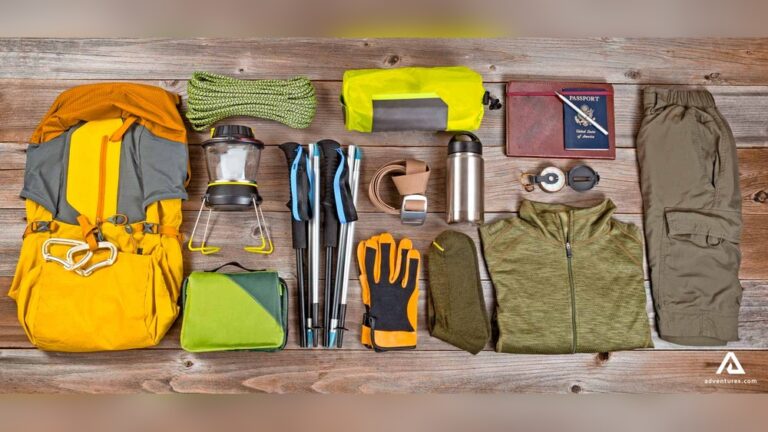
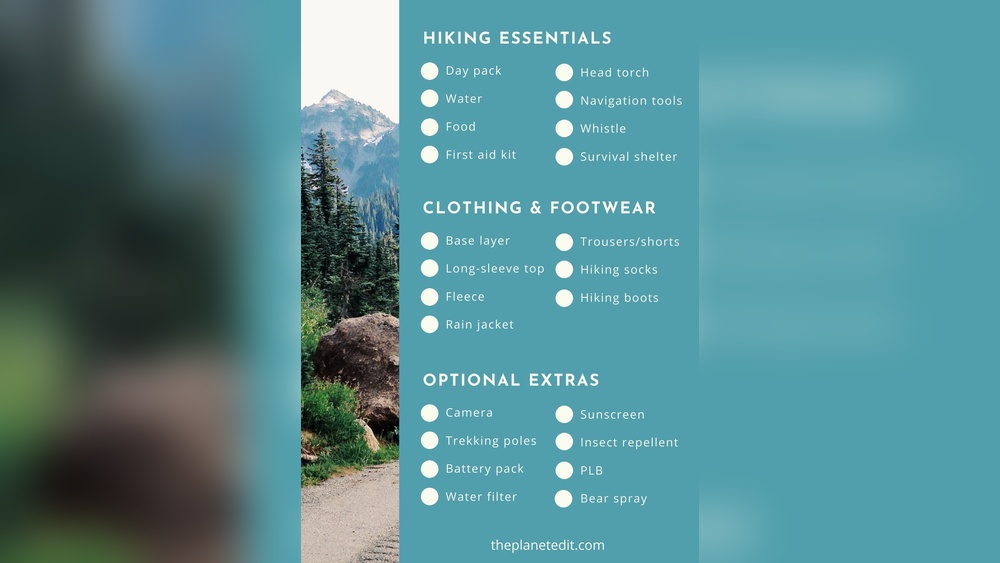
This Hiking Essentials Checklist is designed just for you—to ensure you pack smart, stay safe, and enjoy every step of your hike. From navigation tools to weather-ready clothing, and from nourishing snacks to life-saving first aid, you’ll discover exactly what to bring so nothing surprises you.
Keep reading, and get ready to transform your hiking experience with simple, must-have essentials that fit right in your backpack.

Credit: yonderlustramblings.com
Essential Navigation Tools
Navigation tools are vital for any hiking trip. They help you find your way and keep you safe on trails. Carrying the right tools prevents getting lost in unfamiliar areas. Technology aids navigation but traditional tools remain important.
Knowing how to use these tools increases your confidence outdoors. Always prepare with reliable navigation gear before starting your hike.
Paper Map Importance
A paper map shows the terrain and trails in detail. It works without batteries or signal. Maps help you see landmarks and plan your route. They are essential if electronic devices fail or lose signal. Carry a waterproof map or use a plastic cover to protect it from weather. Learning to read a paper map is a useful skill for every hiker.
Compass And Gps Use
A compass points north and helps you orient your map. It guides you even in thick forests or fog. GPS devices provide exact location using satellites. They offer routes, distances, and track progress. Both tools complement each other. Relying only on GPS can be risky if batteries die or signal drops. Practice using a compass to be prepared for all situations.
Extra Batteries For Devices
Electronic navigation devices need power to work. Carry extra batteries or a portable charger. Check battery levels before the hike and replace if low. Cold weather drains batteries faster, so pack spares. Keeping devices powered ensures continuous access to maps and emergency contacts. Always pack more power than you expect to use.
Sun Protection Gear
Sun protection gear is a must for every hiker. The sun’s rays can cause burns and long-term skin damage. Protecting your skin and eyes keeps you comfortable and safe on the trail. Choose the right gear to block harmful UV rays effectively.
Simple items like sunscreen, sunglasses, and hats provide excellent defense. They reduce the risk of sunburn and heat exhaustion. Pack these items in your hiking bag every time you go outdoors.
Sunscreen Benefits
Sunscreen shields your skin from harmful ultraviolet rays. It helps prevent sunburn, which can be painful and damaging. Using sunscreen reduces the risk of skin cancer over time.
Apply sunscreen to all exposed skin before you start hiking. Reapply every two hours or after sweating heavily. Choose a broad-spectrum sunscreen with at least SPF 30 for best protection.
Choosing Sunglasses
Sunglasses protect your eyes from UV rays and reduce glare. Bright sunlight can harm your eyes and cause headaches. Look for sunglasses that block 99% to 100% of UVA and UVB rays.
Wraparound styles offer extra coverage from light coming from the sides. Polarized lenses help reduce glare from water and shiny surfaces. Always wear sunglasses during sunny hikes to keep your eyes safe.
Hats For Shade
Hats provide shade and help keep your head cool. A wide-brimmed hat shields your face, ears, and neck from direct sunlight. Choose hats made from lightweight, breathable materials for comfort.
Baseball caps protect your face but leave your neck exposed. Consider a hat with a neck flap or a wide brim for full coverage. Wearing a hat reduces heat and lowers the chance of sunburn on your scalp.
Clothing Layers
Clothing layers form the backbone of any hiking outfit. They help control body temperature and protect against weather changes. Layering allows easy adjustment to stay comfortable on the trail. Each layer has a specific role in managing heat, moisture, and protection.
Start with a base layer that touches the skin. Add a mid layer for warmth. Finish with an outer layer that blocks wind and rain. This system keeps you dry and warm without overheating. Carrying the right layers is a smart choice for every hike.
Waterproof And Windproof Jackets
A waterproof jacket keeps rain out and prevents chills. Look for breathable fabrics that let sweat escape. Windproof jackets block cold winds that can drop body temperature fast. These jackets are essential for unpredictable weather. Choose lightweight options that pack small and dry quickly.
Moisture-wicking Base Layers
Base layers pull sweat away from your skin. Staying dry prevents chills and discomfort. Materials like polyester or merino wool work best. Avoid cotton because it traps moisture and dries slowly. Thin base layers fit under other clothing easily. They also help regulate your temperature all day.
Warm Mid Layers
The mid layer provides insulation to keep you warm. Fleece and down jackets are popular choices. Fleece is lightweight and dries quickly. Down offers excellent warmth but loses heat when wet. Synthetic insulated jackets balance warmth and water resistance. Pack a mid layer that suits the expected weather and your activity level.
Gloves And Hats
Hands and head lose heat quickly during cold hikes. Gloves protect fingers from freezing and windburn. Choose gloves with waterproof or windproof shells for harsh conditions. Hats keep your head warm and shield your ears. Wool or fleece hats work well for insulation. Carry extra pairs if hiking in very cold weather.
Lighting Equipment
Lighting equipment is vital for safe hiking, especially during low-light conditions. Proper lighting helps you see the trail, avoid hazards, and signal for help if needed. Always pack reliable light sources that suit your needs and hiking style.
Headlamps For Hands-free Use
Headlamps are perfect for hiking because they free your hands. You can use them to set up camp or read a map without holding a light. Choose headlamps with adjustable brightness and a comfortable strap. LED headlamps last longer and save battery power. Waterproof models offer extra protection from rain or snow.
Flashlights And Backup Batteries
Carry a flashlight as a backup to your headlamp. Flashlights provide focused beams and are easy to operate. Small, lightweight models fit well in your backpack. Always bring extra batteries to avoid running out of power. Store batteries in a waterproof container to keep them dry and safe. Check your flashlight regularly to ensure it works properly before your hike.
First-aid Supplies
First-aid supplies are a must-have for every hiking trip. Injuries can happen anytime on the trail. Carrying the right first-aid items helps treat minor wounds quickly. It also prevents small problems from becoming serious. Preparing your first-aid kit carefully improves safety and peace of mind.
Basic First-aid Kit Items
A basic first-aid kit should include bandages, antiseptic wipes, and adhesive tape. Pack sterile gauze pads and antibiotic ointment for cuts and scrapes. Add pain relievers like ibuprofen or acetaminophen. Include tweezers for splinter removal and scissors for cutting tape or clothing. A CPR face shield and disposable gloves add extra protection. Keep everything in a waterproof pouch for easy access and protection from moisture.
Personal Medications
Bring any personal medications you need daily. Carry extra doses in case your hike lasts longer than planned. Include allergy medicine if you are prone to reactions. Pack medications for stomach issues or motion sickness. Keep medicines in their original containers with clear labels. This ensures proper use and helps in emergencies.
Wilderness First Aid Training
Wilderness first aid training teaches how to handle injuries far from help. It covers wound care, splinting broken bones, and treating shock. Learning these skills increases your confidence and safety on the trail. Courses are often available at outdoor stores or community centers. Consider taking one before your next hike.
Emergency Shelter And Tools
Emergency shelter and tools are vital for every hiker’s safety kit. These items protect you from harsh weather and unexpected situations. Carrying lightweight, compact gear ensures you stay prepared without adding bulk. Knowing how to use these tools boosts your confidence on the trail.
Emergency Blankets And Bivy Sacks
Emergency blankets are thin, reflective sheets that retain body heat. They weigh almost nothing and fold into a small size. Bivy sacks offer more protection by covering your whole body like a sleeping bag. Both are essential for warmth during cold nights or sudden weather changes. They can prevent hypothermia and keep you dry in rain.
Multi-tools And Knives
Multi-tools combine several useful functions in one compact device. They usually include pliers, screwdrivers, scissors, and blades. A sharp knife is crucial for cutting rope, preparing food, or making kindling. These tools help you handle many tasks quickly. Choose sturdy, reliable options that fit comfortably in your hand.
Fire Starters And Lighters
Fire starters are simple devices that help ignite fires fast. Common types include magnesium sticks, ferro rods, and wax-coated tinder. Lighters provide a quick flame but may fail if wet or windy. Carry both for backup and ease of use. Fire gives warmth, light, and a way to cook food or signal for help.
Hydration And Nutrition
Staying hydrated and fueled is vital during any hike. Your body needs water and energy to keep moving and stay strong. Without enough fluids and food, fatigue and dehydration can set in quickly. Planning your hydration and nutrition helps you enjoy the trail safely and comfortably.
Carrying Adequate Water
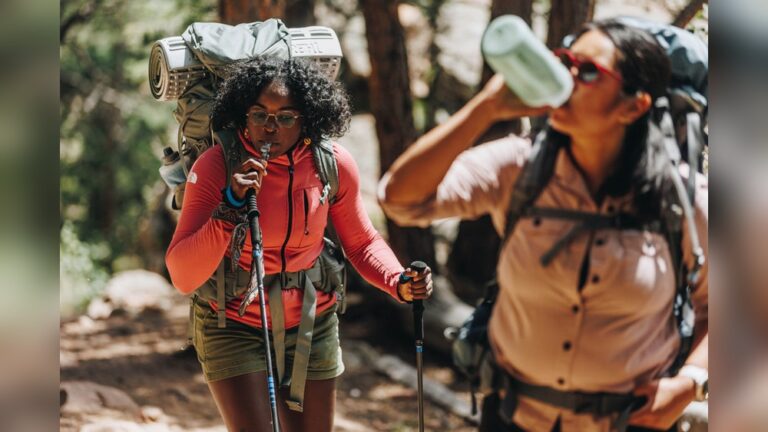
Bring enough water for the entire hike. A good rule is to carry at least two liters per person for a day hike. Use a sturdy water bottle or hydration bladder for easy access. Refill whenever possible from clean water sources. Avoid drinking untreated water from streams or lakes.
High-energy Snacks
Choose snacks that provide quick energy and are easy to carry. Nuts, trail mix, energy bars, and dried fruit work well. These foods offer protein, fats, and carbohydrates to fuel your muscles. Eat small amounts regularly to maintain energy levels throughout the hike.
Footwear And Packs
Choosing the right footwear and backpack is vital for a safe and enjoyable hike. Comfortable shoes protect your feet from rough terrain. A good pack helps carry all your essentials without strain.
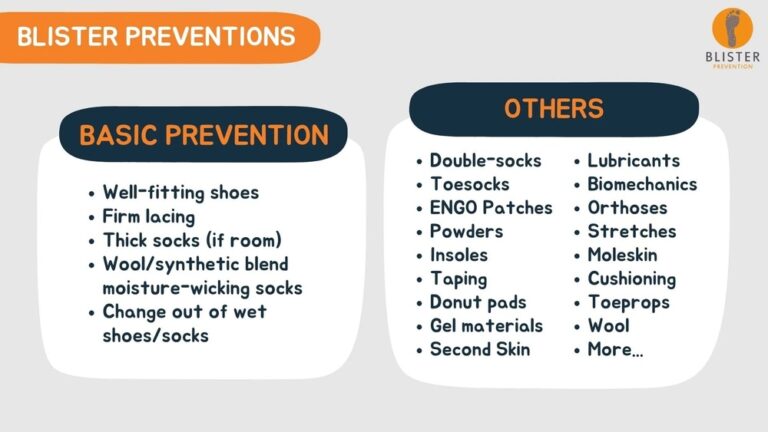
These two items greatly affect your hiking experience. Proper shoes reduce the risk of blisters and injuries. A well-fitted backpack improves balance and comfort. Both must suit the trail type and hike length.
Choosing Proper Hiking Shoes
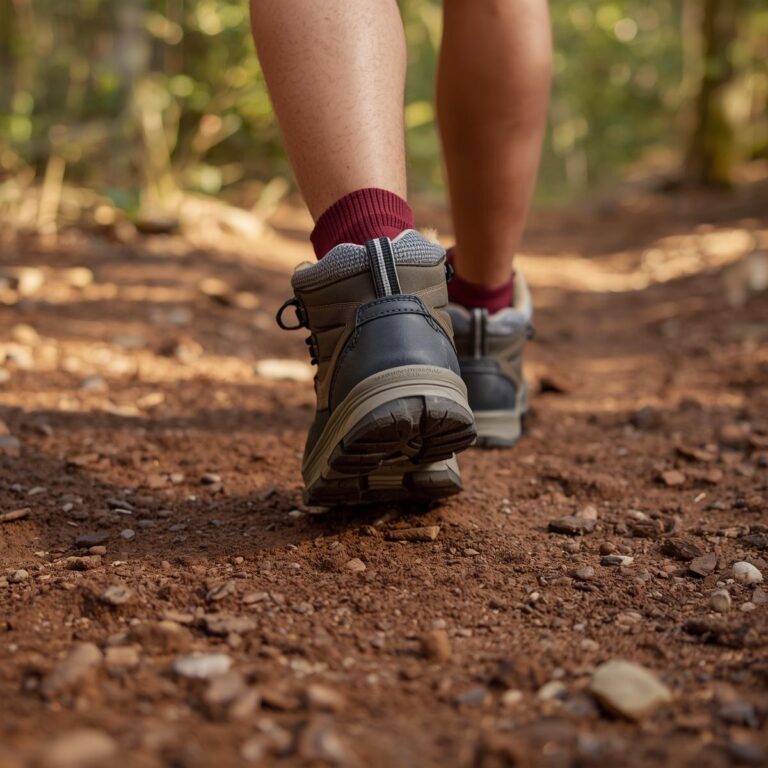
Pick shoes that fit snugly but not too tight. Look for strong soles with good grip. Waterproof shoes are best for wet or muddy trails. Lightweight shoes work well for dry and easy paths. Break in new shoes before your hike to avoid discomfort. Check for good ankle support to prevent twists. Breathable materials keep feet dry and cool. Replace worn-out shoes to protect your feet properly.
Selecting The Right Backpack
Choose a backpack size that fits your hike duration. Daypacks of 15-30 liters are good for short hikes. Longer trips need larger packs with 40 liters or more. Look for padded shoulder straps and waist belts for comfort. Multiple compartments help organize your gear. Water-resistant material protects your items from rain. Adjust straps to balance the load evenly. Test the pack with weight before your hike.
Weather Preparation
Proper weather preparation is vital for a safe and enjoyable hike. Weather changes can happen fast. Being ready helps you avoid discomfort and danger. Planning your gear and clothing based on weather keeps you comfortable and protected.
Checking Forecasts
Check the weather forecast before your hike. Look for temperature, rain, wind, and sun. Use reliable weather apps or websites. Check the forecast multiple times, including just before you leave. This helps you avoid surprises on the trail. Knowing the forecast guides your clothing and gear choices.
Adapting Gear To Conditions
Choose clothing layers to match the weather. Start with a moisture-wicking base layer. Add an insulating layer for warmth. Finish with a waterproof outer layer to block rain and wind. Pack extra socks and gloves for cold or wet weather. Carry sun protection like a hat and sunscreen for sunny days. Adjust your gear if the forecast changes. Proper gear keeps you safe and comfortable.
Credit: www.rei.com

Credit: www.purewow.com
Frequently Asked Questions
What Are The 10 Essential Items For Hiking?
The 10 essential hiking items include: backpack, weather-appropriate clothing, sturdy footwear, food, water, map and compass, first-aid kit, multi-tool or knife, sun protection, and a headlamp or flashlight.
What Is The 20% Rule For Backpacking?
The 20% rule for backpacking means your pack weight should not exceed 20% of your body weight. This keeps hiking comfortable and safe.
What Essentials Do You Need For A Hike?
Bring a sturdy hiking pack, weather-appropriate layered clothing, reliable footwear, plenty of water and snacks. Include navigation tools, a first-aid kit, sun protection, rain gear, a multi-tool, and a headlamp with extra batteries. Adjust gear for weather and hike length.
What Is The 3 Layer Rule For Hiking?
The 3 layer rule for hiking involves wearing a base layer for moisture-wicking, a mid layer for insulation, and an outer layer for weather protection. This system helps regulate body temperature and adapt to changing conditions efficiently.
Conclusion
A good hiking checklist keeps you safe and prepared on the trail. Carry all essential items for comfort and safety. Check the weather and pack layers to stay warm and dry. Don’t forget navigation tools to avoid getting lost. Bring enough food and water to stay energized.
A first-aid kit can help in minor emergencies. Proper footwear protects your feet on rough paths. Planning well makes hiking more enjoyable and stress-free. Keep your checklist handy and adjust it for each trip. Happy hiking and stay safe outdoors!