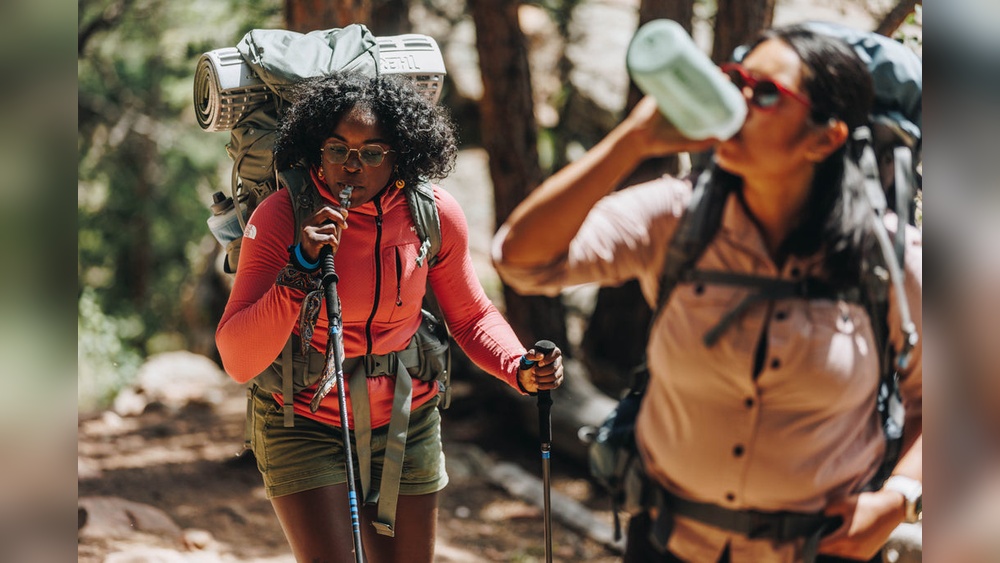
Hiking Hydration Tips: Essential Tricks for Staying Refreshed
Are you ready to hit the trails but worried about staying properly hydrated? Whether you’re planning a short walk or a long trek, your body needs the right amount of water to keep you energized and safe.
Dehydration can sneak up on you fast, making your hike uncomfortable or even dangerous. You’ll discover simple, effective hiking hydration tips that will help you stay refreshed and feel great from start to finish. Keep reading to learn how to manage your water intake, what to pack, and smart tricks to avoid dehydration no matter where you’re hiking.
Your next adventure will thank you!
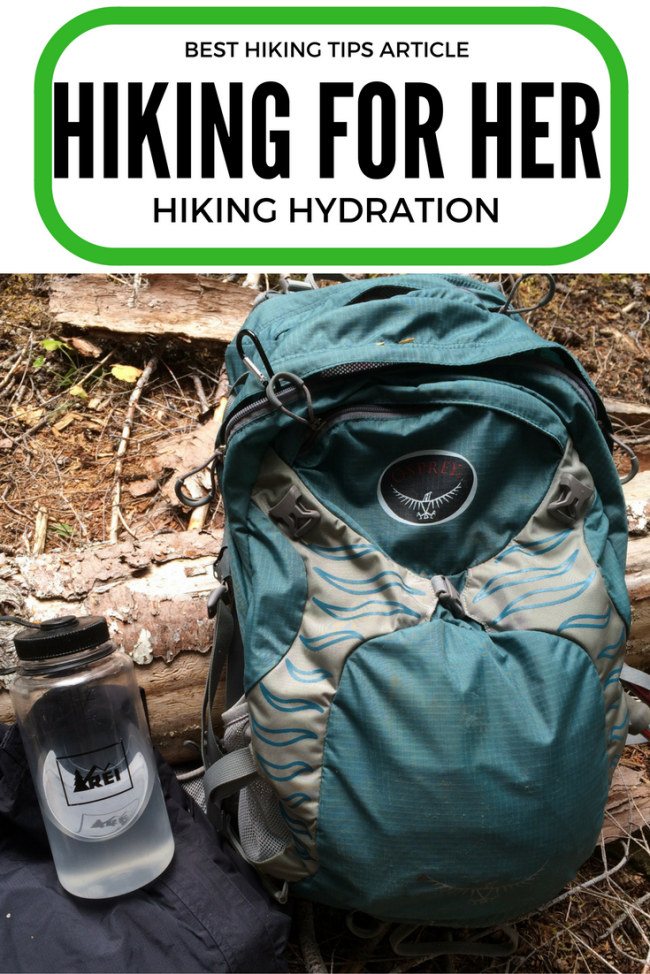
Credit: www.hiking-for-her.com
Pre-hike Hydration
Proper hydration before a hike sets the tone for your entire adventure. Starting well-hydrated helps prevent fatigue, headaches, and cramps during the trail. Your body needs water to regulate temperature and maintain energy. Drinking water before you feel thirsty is key to staying ahead of dehydration.
Drink Before Thirst
Thirst signals your body is already losing water. Do not wait for this cue. Sip water steadily before the hike to keep your body hydrated. Drinking early prepares your system for the physical effort ahead. This approach reduces the risk of dehydration on the trail.
Ideal Pre-hike Water Amount
A good rule is to drink about 16 to 20 ounces of water one to two hours before hiking. This amount helps fill your fluid levels without feeling bloated. Avoid gulping large amounts at once. Moderate, steady intake works best for your body’s absorption.
Hydration Timing Strategies
Start drinking water about two hours before your hike. Then, have another small glass 15 minutes before you begin. This timing lets your body absorb fluids and reduce bathroom breaks. Plan your hydration to keep water balanced during the entire hike.
Water Intake During Hikes
Staying well-hydrated is crucial for every hiking trip. Water fuels your muscles and helps maintain energy. It also prevents headaches and fatigue on the trail. Understanding the right water intake during hikes keeps your body balanced and safe.
Sip Often, Avoid Chugging
Take small sips regularly throughout your hike. Sipping often keeps hydration steady and helps your body absorb water better. Avoid drinking large amounts at once. Chugging can upset your stomach and cause discomfort. Steady sips are easier to manage and keep you refreshed longer.
Adjusting Intake By Altitude
Higher altitudes demand more water intake. Air is drier and your body loses moisture faster. Drink more water as you climb to avoid dehydration. Pay attention to how your body feels and increase your water if you feel thirsty or tired. Proper hydration helps prevent altitude sickness.
Hydration Frequency Tips
Drink water before you feel thirsty to stay ahead of dehydration. Set reminders to take water breaks every 15 to 20 minutes. Monitor your urine color; light yellow means good hydration. Darker urine signals you need more water. Combine water intake with light snacks to maintain energy and hydration.
Carrying Water Efficiently
Carrying water efficiently is vital for a safe and enjoyable hike. Proper hydration keeps energy up and prevents cramps or dizziness. The way you carry water affects comfort and access during your trek. Choose the right method to stay refreshed without extra burden.
Choosing Hydration Backpacks
Hydration backpacks offer hands-free water access. They have built-in reservoirs with tubes for easy sipping. These packs also hold small gear like snacks and maps. Pick one with adjustable straps for a snug fit. Lightweight models reduce strain on your back. Ideal for longer hikes where constant hydration matters.
Using Water Bottles And Reservoirs
Water bottles come in many shapes and sizes. Hard bottles are durable and easy to clean. Soft bottles save space when empty. Reservoirs hold larger amounts and fit inside backpacks. Use a filter if refilling from natural sources. Carry enough water to avoid frequent stops. Keep bottles within reach for quick hydration.
Balancing Weight And Capacity
Carrying too much water adds unnecessary weight. Too little water risks dehydration and fatigue. Find a balance based on trail length and weather. Hot days require more water than cool ones. Plan water stops on your route to refill safely. Distribute weight evenly to avoid discomfort. Efficient packing keeps your hike smooth and safe.
Electrolytes And Nutrition
Proper hydration on the trail depends not only on water but also on electrolytes and nutrition. Electrolytes help keep your body balanced during long hikes. Nutrition fuels your muscles and keeps energy steady. Knowing how to replace electrolytes and choose snacks can improve your hiking experience.
Importance Of Electrolyte Replacement
Electrolytes include sodium, potassium, calcium, and magnesium. They control muscle function and keep your body’s fluids balanced. Sweating causes loss of these important minerals. Losing too many electrolytes leads to cramps, fatigue, and dizziness. Drinking plain water only replaces fluids, not electrolytes. Use drinks or foods with electrolytes to maintain energy and avoid muscle issues.
Snack Choices For Energy
Choose snacks that provide quick energy and essential nutrients. Nuts, seeds, and dried fruits offer healthy fats and natural sugars. Energy bars with balanced carbs and protein help maintain strength. Avoid sugary snacks that cause energy crashes. Small, frequent snacks help keep blood sugar stable and hunger away during hikes. Pack easy-to-carry foods for quick refueling on the move.
Avoiding Dehydration With Salt Intake
Sodium is a key electrolyte lost through sweat. It helps your body hold water and keep blood pressure steady. Eating salty snacks like pretzels or salted nuts can replace sodium. Avoid too little salt, which can cause hyponatremia, a dangerous condition. Balance salt intake with water to stay properly hydrated and energized on the trail.
Water Sourcing And Treatment
Water sourcing and treatment are vital for safe hiking hydration. Knowing how to find and clean water ensures you stay healthy and energized. Carrying enough water might be hard, so using natural sources wisely helps.
Understanding water sources and treatment methods keeps you prepared on the trail. Clean water prevents illness and supports your body’s needs during hiking.
Finding Water On Trails
Look for streams, rivers, lakes, and springs along your route. Early morning or after rain are good times to find flowing water. Avoid stagnant water and places near animal activity. Snow and ice can also provide water if melted properly.
Filtering And Purifying Methods
Use portable water filters to remove dirt and bacteria. Filters with 0.1 to 0.3-micron pores work well. Boiling water for at least one minute kills most germs. Chemical treatments like iodine or chlorine tablets kill viruses and bacteria. UV light purifiers are lightweight and effective too.
Safe Water Practices
Always treat water before drinking. Carry extra water in clean containers. Avoid touching the inside of bottles or caps to stop contamination. Drink small amounts regularly to stay hydrated. Plan your water stops to avoid running out during long stretches.

Credit: backcountryfoodie.com
Hydration Challenges
Hiking demands careful attention to hydration. Different weather and body conditions create unique hydration challenges. Staying properly hydrated supports energy and focus on the trail. Understanding these challenges helps hikers prepare and stay safe.
Dealing With Heat And Sweat
Heat makes the body sweat more, losing water fast. Sweating cools the body but causes dehydration risks. Drink water regularly before feeling thirsty. Use electrolyte drinks to replace lost salts. Wear light clothing to reduce sweat and heat.
Hydrating In Cold Weather
Cold weather can reduce the feeling of thirst. The body still loses water through breath and sweat. Drink water often, even if you don’t feel thirsty. Warm fluids like tea help keep the body hydrated. Avoid caffeine and alcohol as they cause dehydration.
Recognizing Dehydration Signs
Dehydration can start with simple signs like dry mouth or tiredness. Headaches, dizziness, and dark urine are serious warning signs. Stop hiking if symptoms get worse. Drink water slowly and rest in the shade. Knowing these signs prevents health problems on the trail.
Hydration Planning
Proper hydration planning is key to a safe and enjoyable hike. It helps prevent dehydration and keeps energy levels steady. Planning how much water to carry and when to drink avoids surprises on the trail. Careful hydration planning supports your body’s needs during physical activity.
Understanding your water needs and the trail environment improves your hydration strategy. With a plan, you stay focused on the hike, not on finding water. Here are some essential tips for effective hydration planning.
Estimating Water Needs
Estimate water based on hike length and intensity. A basic rule is to drink half a liter per hour. Hot weather or steep climbs increase water needs. Carry extra water to cover unexpected delays. Remember, it is easier to carry water than to find it later.
Using Hydration Calculators
Hydration calculators help personalize water requirements. These tools consider factors like temperature, weight, and activity level. Use them to get a more accurate water estimate. Always round up to avoid running low. They are useful for planning long or challenging hikes.
Planning For Trail Conditions
Trail conditions affect hydration needs greatly. Dry, sunny trails require more water than shaded or cool paths. Check weather forecasts before you hike. Consider the availability of water sources along the route. Carry purification tools if natural water is an option. Adjust your plan based on these factors.

Credit: pure-adventures.com
Frequently Asked Questions
How To Properly Hydrate Before A Hike?
Drink 16-20 ounces of water 1-2 hours before hiking. Sip small amounts frequently to maintain hydration. Avoid waiting until thirsty. Balance water intake with electrolytes for best results.
What Is The 3 Layer Rule For Hiking?
The 3 layer rule for hiking includes a moisture-wicking base layer, an insulating mid layer, and a waterproof outer layer. This combination regulates body temperature and protects against weather changes.
Why Do Hikers Eat Gummy Bears?
Hikers eat gummy bears for a quick energy boost from simple sugars. These candies provide fast fuel and improve stamina on trails.
How Much Water Should You Drink On A 20 Mile Hike?
Drink about 1 liter (34 ounces) of water per hour during a 20-mile hike. Carry extra for hot conditions. Sip frequently to stay hydrated.
Conclusion
Staying hydrated keeps your energy strong and mind clear on hikes. Drink water often, even if you don’t feel thirsty. Pack enough fluids for the whole trip to avoid dehydration. Remember to sip small amounts regularly, not large gulps at once.
Eating snacks helps your body absorb water better. Plan ahead and listen to your body’s signals throughout your hike. Hydration is simple but vital for a safe, enjoyable outdoor adventure. Keep these tips in mind for every trail you explore.