Hiking in Hot Weather Tips: Stay Safe and Beat the Heat Easily
Hiking in hot weather can be tough, but it doesn’t have to be dangerous or uncomfortable. If you love hitting the trails, you know the heat can quickly drain your energy and put your safety at risk.
That’s why you need the right tips to stay cool, hydrated, and protected under the blazing sun. In this guide, you’ll discover simple yet powerful strategies that help you enjoy your hike without overheating. Ready to learn how to beat the heat and make your next summer hike your best one?
Keep reading, because these hot weather hiking tips could save your day on the trail.
Credit: azstateparks.com
Heat-friendly Hiking Gear
Choosing the right gear can make a huge difference when hiking in hot weather. Heat-friendly hiking gear helps you stay comfortable, safe, and energized under the blazing sun. It’s not just about what you wear but how your gear works with the heat, keeping you cool and protected.
Lightweight Clothing Choices
Opt for lightweight fabrics like nylon or polyester that dry quickly and wick sweat away from your skin. Avoid cotton because it holds moisture and can make you feel hotter. Loose-fitting clothes allow air to circulate, which helps your body cool down naturally.
I once wore heavy cotton on a 90-degree hike, and it felt like I was carrying extra heat. Switching to a lightweight, moisture-wicking shirt the next time made a clear difference—my skin felt cooler and less sticky.
Sun Protection Essentials
A wide-brimmed hat is a must—it shields your face, ears, and neck from direct sunlight. Don’t forget sunglasses with UV protection to reduce glare and protect your eyes. Apply sunscreen with at least SPF 30 every two hours and carry a lip balm with SPF to protect your lips.
Have you tried a buff or bandana? Wet it and wear it around your neck to cool down and block the sun. It’s a simple trick that can keep your skin safe and your body temperature lower on the hottest parts of the trail.
Cooling Accessories
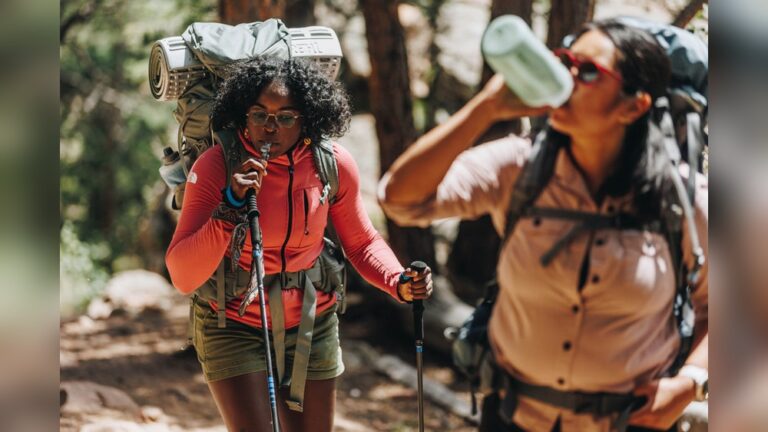
Cooling towels or neck wraps are small but powerful tools. When dampened, they provide refreshing relief during breaks. Lightweight hydration packs with insulated reservoirs can keep your water cooler longer, encouraging you to drink more often.
Consider a handheld fan or mist spray for an extra burst of cool air. These accessories might seem minor but can significantly boost your comfort and endurance in the heat.
Hydration Strategies
Hydration is key to staying safe and comfortable during hot weather hikes. Proper hydration strategies help prevent heat exhaustion and keep energy levels steady. Planning how you drink water and replace lost minerals makes a big difference.
Water Intake Tips
Drink water regularly, not just when thirsty. Small sips every 15-20 minutes work best. Carry enough water to last your hike. Start hydrating the day before your trip. Monitor your urine color; pale yellow means good hydration.
Electrolyte Replenishment
Sweat causes loss of important electrolytes like sodium and potassium. Replace them with sports drinks or electrolyte tablets. Natural options include coconut water and salted snacks. Avoid plain water only, as it may dilute electrolytes and cause cramps.
Hydration Gear Options
Choose the right gear to make hydration easy. Hydration packs allow hands-free drinking on the move. Collapsible water bottles save space when empty. Insulated bottles keep water cool longer. Always clean your gear after each hike to avoid bacteria build-up.
Trail Selection Tips
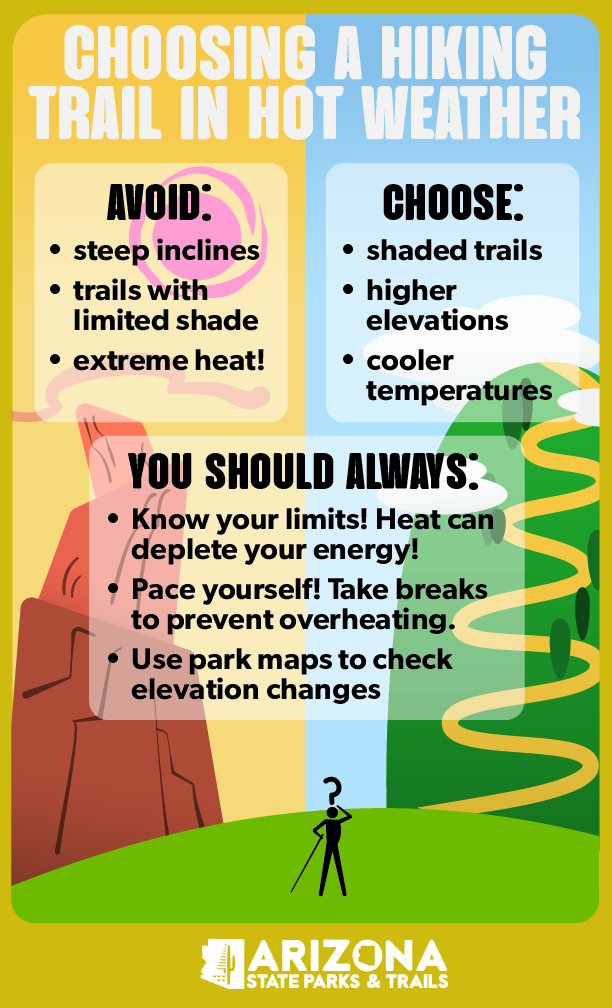
Selecting the right trail is key for safe hiking in hot weather. Trails with natural shade or cooler surfaces make a big difference. Planning your route with heat in mind helps you stay comfortable and avoid heat stress.
Consider the trail’s environment and surface before heading out. This reduces exposure to the sun and heat. Adjust your plans to match weather conditions and personal limits.
Choosing Shaded Routes
Pick trails with lots of tree cover. Shade lowers the temperature and protects your skin from direct sunlight. Forest trails or paths near water often offer cooler air. Avoid open fields or ridges with little shade.
Avoiding Heat-absorbing Surfaces
Steer clear of trails with dark rocks or asphalt. These surfaces absorb and radiate heat, making the hike much hotter. Look for dirt, grass, or light-colored paths. Such surfaces stay cooler and reduce heat buildup.
Flexible Itinerary Planning
Plan your hike with options to change route or time. Start early to avoid midday heat. Be ready to turn back or rest in shade if you feel too hot. Flexibility keeps you safe and comfortable on hot days.
Credit: www.12news.com
Timing Your Hike
Timing your hike in hot weather is key to staying safe and comfortable. Planning the hours you spend on the trail can help you avoid extreme heat. It allows your body to handle the temperature better. This section covers how to choose the best time to hike and how to adjust your speed to the heat.
Early Morning Starts
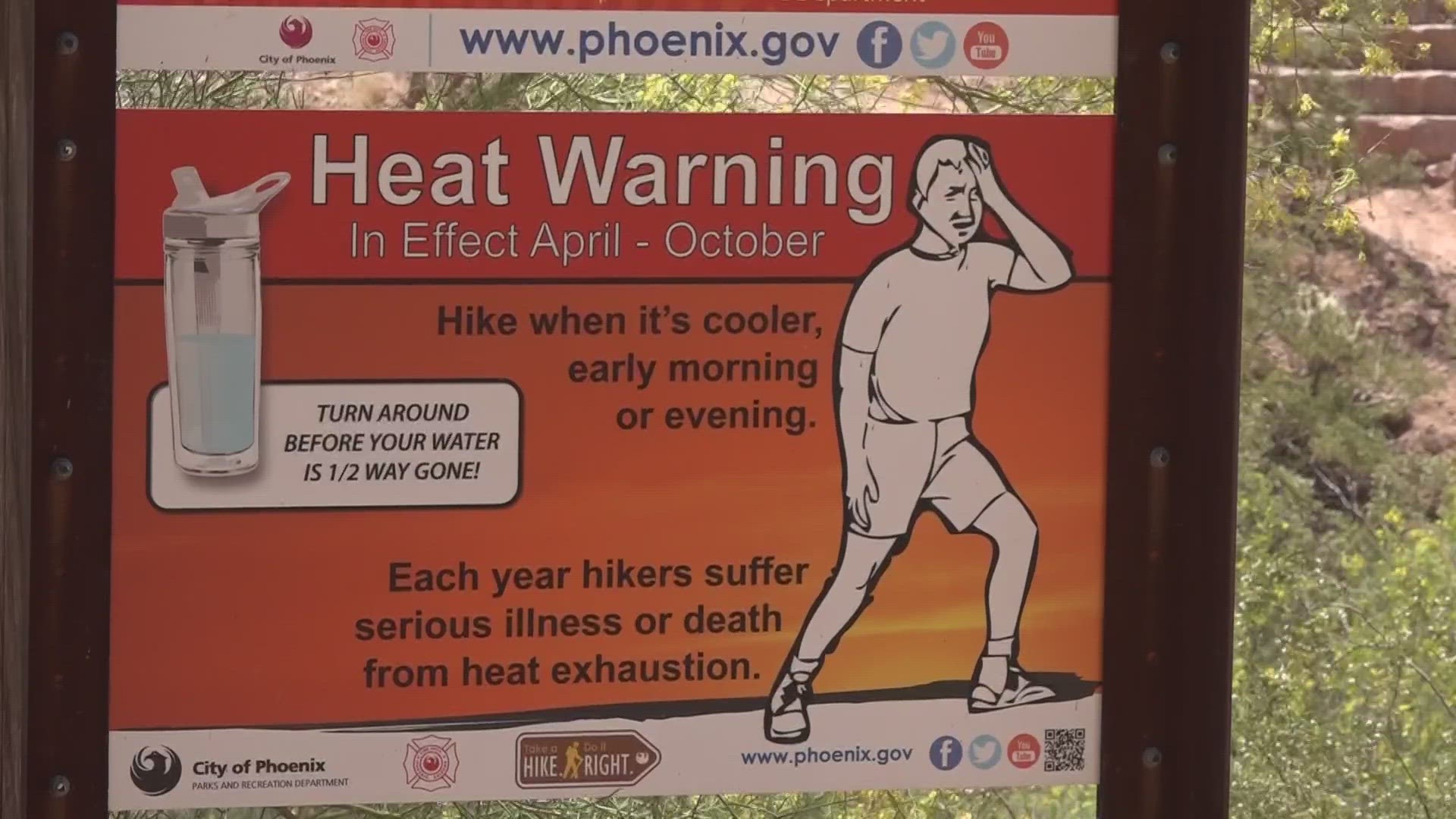
Begin your hike early in the morning when the air is cooler. The sun is low, and temperatures are at their lowest. Trails are less crowded, and wildlife is more active. Starting early helps you avoid heat stress and sunburn. Pack your gear the night before to leave at dawn without delay.
Avoiding Peak Sun Hours
Plan to rest or stay in shaded areas between 10 a.m. and 4 p.m. This is when the sun is strongest and the heat is highest. Avoid hiking during these hours to reduce risk of dehydration and heat exhaustion. Use this time to eat, hydrate, or take short breaks in cool spots.
Adjusting Pace For Heat
Slow your hiking speed to match the heat intensity. Walking fast raises your body temperature and causes quicker fatigue. Take frequent breaks to cool down and drink water. Listen to your body and stop if you feel dizzy or tired. A steady, slow pace helps you finish the hike safely.
Nutrition For Hot Weather
Nutrition plays a key role in hiking comfortably during hot weather. Proper food choices help maintain energy and prevent overheating. Eating right supports your body’s needs under the sun.
Choosing the correct snacks and meals can keep you strong and hydrated. Your body loses water and salts faster when it is hot. Replenishing these is essential to avoid fatigue and cramps.
Energy-boosting Snacks
Select snacks that provide quick energy without feeling heavy. Nuts, seeds, and dried fruits offer good calories and nutrients. Granola bars and trail mix are easy to carry and eat on the trail. These snacks help keep your energy levels steady for longer hikes.
Avoiding Heavy Meals
Large, heavy meals can slow you down and cause discomfort. Eating smaller portions more often is better in hot weather. Choose light foods such as sandwiches, fruits, or salads. Heavy meals require more energy to digest and raise your body heat.
Maintaining Electrolyte Balance
Electrolytes like sodium, potassium, and magnesium keep your body working well. Sweating causes you to lose these important minerals. Drink electrolyte-rich beverages or eat salty snacks to replace them. This helps prevent dehydration, muscle cramps, and tiredness.
Recognizing Heat Illness
Hiking in hot weather can be risky without knowing how to spot heat illness early. Heat illness happens when your body can’t cool down properly. It can quickly become serious. Recognizing the signs helps you act fast and stay safe on the trail.
Symptoms To Watch For
Look for heavy sweating, weakness, and dizziness. Your skin may feel cold or hot and dry. A headache or nausea can start suddenly. Confusion or fainting signals severe trouble. Rapid heartbeat and muscle cramps also warn of heat stress.
Immediate Response Steps
Stop hiking right away and find shade. Drink cool water slowly, not all at once. Remove extra clothes to cool your skin. Use a wet cloth or spray water on your body. Lie down and raise your feet slightly. Rest until symptoms improve.
When To Seek Help
Call for emergency help if symptoms get worse. Loss of consciousness or seizures need quick medical care. If you stop sweating and feel very hot, get help fast. Do not continue hiking with these signs. Early medical treatment can save lives.
Cooling Techniques On Trail
Hiking under a blazing sun can be tough. Staying cool is key to enjoying your trail safely and comfortably. Simple cooling techniques help lower your body heat and boost your energy. Use these easy methods to beat the heat on your next hike.
Using Wet Bandanas
Wet bandanas are a simple way to cool down fast. Soak a bandana in cold water and wear it around your neck or on your head. The water evaporates slowly, pulling heat away from your skin. Rewet the bandana often for continuous cooling. This method uses minimal gear but offers great relief.
Taking Shaded Breaks
Find shade whenever you need a rest. Trees, large rocks, or shelters block direct sunlight. Shade lowers the temperature around you and helps your body cool down naturally. Avoid resting in full sun, as it can make you feel hotter and more tired. Short, frequent breaks in the shade keep you energized.
Portable Cooling Tools
Small cooling tools are handy on hot trails. Cooling towels, misting fans, or spray bottles work well. Use them to spray water on your face and neck. Some cooling towels activate with water and stay cool for hours. These tools add comfort and help prevent overheating without extra effort.
Clothing Layering Tips
Choosing the right clothing layers is key for hiking in hot weather. Proper layering helps keep your body cool and protects you from the sun. Each layer plays a different role to improve comfort and safety on the trail. Understanding these roles makes your hike more enjoyable and less tiring.
Base Layers For Breathability
Start with a lightweight, moisture-wicking base layer. This layer pulls sweat away from your skin. It helps your body stay dry and cool. Look for fabrics like polyester or nylon. Avoid cotton because it traps moisture and slows drying.
Mid Layers For Comfort
The mid layer adds light insulation and comfort. Choose thin, breathable fabrics that allow air flow. Mesh or thin fleece work well. This layer can be removed if you get too warm. It balances body temperature without adding bulk.
Outer Layers For Sun Protection
The outer layer shields you from direct sunlight. Wear lightweight, long-sleeve shirts and pants. Choose materials with built-in UV protection. Light colors reflect heat and sunlight better. A wide-brimmed hat and sunglasses complete this layer.

Credit: lighthikinggear.com
Frequently Asked Questions
What Temperature Is Too Hot For A Hike?
Temperatures above 90°F (32°C) are generally too hot for hiking. High heat increases dehydration and heat illness risks. Plan hikes during cooler parts of the day and stay hydrated to avoid heat-related dangers.
How To Stay Cool Hiking In Hot Weather?
Stay hydrated with water and electrolytes. Wear lightweight, breathable clothing and a wide-brimmed hat. Hike early or late to avoid peak sun. Use a wet bandana on your neck for cooling. Choose shaded trails and take regular breaks in the shade.
Apply sunscreen frequently.
What Is The 3 Layer Rule For Hiking?
The 3 layer rule for hiking involves wearing a base layer to wick moisture, a mid layer for insulation, and an outer layer to protect against wind and rain. This system helps regulate body temperature and adapt to changing weather conditions efficiently.
Why Do Hikers Eat Gummy Bears?
Hikers eat gummy bears for quick energy from processed sugar. They provide an immediate boost during strenuous activity. Gummy bears are lightweight, easy to carry, and satisfy sweet cravings on the trail. This makes them a popular, convenient snack for hiking.
Conclusion
Hiking in hot weather needs careful planning and smart choices. Stay hydrated by drinking water often. Wear light, loose clothes to stay cool. Protect your skin with sunscreen and a hat. Start early to avoid the hottest sun hours. Take breaks in shaded areas to rest.
Listen to your body and slow down if needed. These simple steps keep your hike safe and fun. Enjoy the outdoors while staying comfortable and healthy.