Expert Tips for How to Choose Perfect Camping Backpacking Tent.
Choosing the right backpacking tent can make or break your outdoor adventure. You want a shelter that’s light enough to carry, tough enough to protect you, and comfortable enough to rest well after a long day.
But with so many options out there, how do you find the perfect fit for your needs? This guide will help you cut through the confusion and focus on what really matters. By the end, you’ll feel confident picking a tent that matches your trip, your style, and your budget—so you can spend less time worrying and more time enjoying the great outdoors.
Keep reading to discover the simple steps that will transform your backpacking experience.
Credit: www.rei.com
Weight Considerations
Weight is one of the most important factors when choosing a backpacking tent. Every ounce counts when you carry your gear over long distances. A heavy tent can slow you down and tire you out faster. Lighter tents save energy and make hiking more enjoyable. Yet, very light tents may not last as long or protect well against bad weather. Finding the right weight balance is key for a good backpacking experience.
Balancing Weight And Durability
A tent should be light but also strong. Thin materials reduce weight but may tear easily. Thicker fabrics add durability but increase weight. Look for tents made with quality materials that resist wear. Check the tent’s frame too. Aluminum poles are lighter and strong compared to steel. Think about the weather you will face. A heavier tent can handle wind and rain better. Choose a tent that fits your trips and needs.
Ultralight Tent Options
Ultralight tents weigh less than 3 pounds. They use thin fabrics and minimal poles. These tents are perfect for fast hikes or long trips. They save a lot of weight in your pack. Keep in mind, they may be less roomy and less sturdy. Some ultralight tents need careful setup. If you want to carry less, explore ultralight designs. Always balance weight savings with comfort and protection.
Impact On Overall Backpack Load
Your tent weight affects the total weight of your backpack. Carrying a heavy tent means less room for other gear. A lighter tent frees space for food, water, or extra clothes. The total pack weight influences how far and fast you can hike. Reducing tent weight can improve your speed and reduce fatigue. Calculate your pack weight before trips. Choose a tent that helps keep your load manageable.
Tent Types
Choosing the right tent type is essential for a good backpacking trip. Different tents suit different needs and conditions. Knowing the types helps you pick a shelter that fits your adventure.
Consider weight, space, and ease of setup. Each tent type has pros and cons for these factors. This guide covers main tent types and their uses.
Freestanding Vs Non-freestanding
Freestanding tents have poles that hold the shape without stakes. You can move them easily before staking down. They are quick to set up and good for rocky or hard ground.
Non-freestanding tents need stakes and guy lines for support. They are lighter but take more time to pitch. These tents save weight but require good ground for staking.
Tents Vs Tarps And Bivvies
Tents offer full protection with walls and floors. They keep bugs and rain out well. Tents are good for bad weather and cold nights.
Tarps and bivvies are lighter and smaller. Tarps give shelter but less protection from bugs. Bivvies cover just the sleeping bag and offer little space. These are best for minimalist hikers and good weather.
Seasonal Tent Variations
Three-season tents work well in spring, summer, and fall. They handle rain and light snow. These tents have good ventilation for warm weather.
Four-season tents are stronger and heavier. They protect against heavy snow and strong winds. Ideal for winter trips and harsh conditions.
Choose your tent season based on when and where you hike. Using the right seasonal tent keeps you safe and comfortable.
Size And Capacity
Size and capacity are key factors in choosing a backpacking tent. The right size ensures comfort without adding extra weight. A tent too small feels cramped. Too large means carrying unnecessary weight. Balance is essential for a good camping experience.
Choosing The Right Capacity
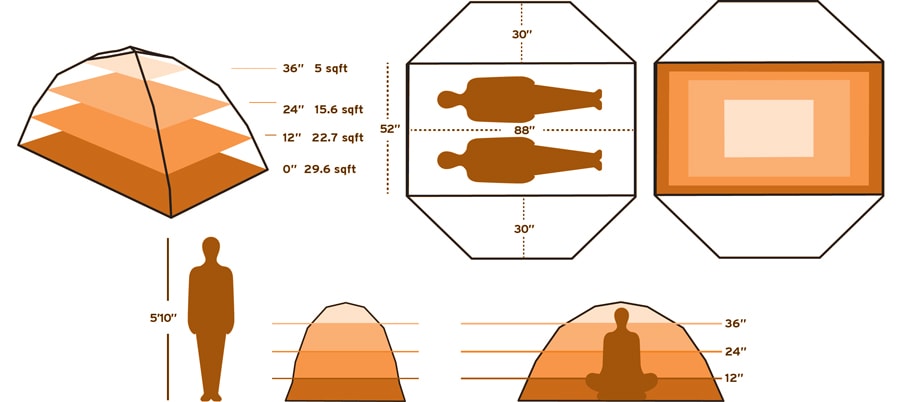
Tents come in sizes from one-person to four or more. Select a tent that fits your group size. Add one extra person’s space for gear storage. For example, a two-person tent works best for one person with gear. Avoid tents that are too tight or too roomy.
Headroom And Floor Dimensions
Headroom affects how comfortable you feel inside. Taller tents allow sitting up and changing clothes easily. Floor dimensions determine sleeping space. Check the tent’s length and width to fit your sleeping bag and pad. A wider floor gives extra room to move and store items.
Vestibule And Porch Space
Vestibules are covered areas outside the main tent body. They protect your gear from rain and mud. A porch space offers room for cooking or boots. More vestibule space means better protection and storage. Consider how much gear you carry and choose a tent with enough porch area.
Material And Durability
Choosing the right material and durability for your backpacking tent matters a lot. The tent must be strong, light, and able to protect you from the elements. A durable tent lasts longer and keeps you safe on tough trails. Understanding fabrics and ratings helps in picking the best tent for your adventure.
Silicone Nylon And Other Fabrics
Silicone nylon is a top choice for many backpackers. It is light and very strong. This fabric resists tears and stretches well without breaking. Other common fabrics include polyester and ripstop nylon. Polyester handles sun exposure better but can be heavier. Ripstop nylon adds extra strength with a special weave that stops small tears from spreading.
Waterproof Ratings
Waterproof ratings show how well a tent keeps water out. These ratings use millimeters to measure water pressure the fabric can handle. A rating of 1500mm is good for light rain. For heavy rain, choose tents with 3000mm or higher. The tent floor often has a higher rating because it needs to stop water from wet ground. Check these numbers to avoid waking up in a wet tent.
Resistance To Weather And Wear
Tents face wind, rain, sun, and rough use. A strong tent resists all these well. Look for tents with reinforced seams and strong zippers. Some tents have coatings to block UV rays that weaken fabric over time. The tent poles also matter. Aluminum poles are strong and light. Fiberglass poles can break more easily. Durable tents protect you and save money by lasting many trips.
Setup And Features
Choosing the right backpacking tent means paying close attention to setup and features. These aspects affect your comfort and convenience on the trail. A tent that is easy to pitch saves time and effort after a long day of hiking. Features like doors, ventilation, and storage pockets improve your overall camping experience.
Ease Of Pitching
Look for tents that are simple and quick to set up. Freestanding tents with color-coded poles help speed the process. Single-wall tents often pitch faster but may have less ventilation. Practice pitching your tent at home to ensure you know how it works. A tent that is easy to pitch means less stress in bad weather or low light.
Number Of Doors And Ventilation
Tents with two doors offer easy access and reduce disturbance to others. Proper ventilation prevents condensation inside the tent. Mesh panels and adjustable vents improve airflow. Good ventilation keeps the tent dry and comfortable. Choose a tent that balances protection from bugs and airflow well.
Additional Storage Pockets
Extra pockets inside the tent keep small items organized and within reach. Look for tents with mesh or fabric pockets near the sleeping area. Some tents have vestibules or gear lofts for storing boots and backpacks. Storage options help keep your tent clean and clutter-free. This makes your camping space more comfortable and functional.
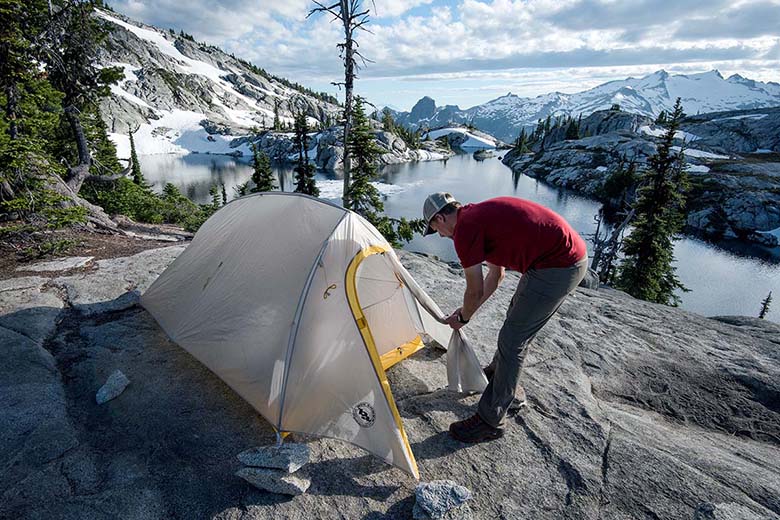
Credit: www.switchbacktravel.com
Budget And Cost
Choosing a backpacking tent means thinking about your budget and cost. Tents come in many prices, from very cheap to quite expensive. It is important to find a tent that fits your budget but still offers good quality. Spending a little more can mean better comfort and durability on your trips.
Consider how often you will use the tent. A well-made tent can last many seasons. This can save money over time. On the other hand, a cheaper tent may need to be replaced sooner. Balancing price and quality helps you get the best value.
Balancing Price And Quality
Price is not the only thing to think about. A cheap tent may be light but less durable. An expensive tent often uses stronger materials and better design. Look for tents with good reviews that match your price range. Choose a tent that feels right for your needs and budget.
Investment For Long-term Use
Buying a backpacking tent is an investment. A strong tent can protect you from weather for many years. Spending more at the start can save you from buying again soon. Check the tent’s material, frame, and waterproof rating. These details tell you about its lifespan and value.
Affordable Tent Options
There are many affordable tents with good features. Look for brands that offer value without cutting corners. Simple designs often cost less but still work well. Shopping during sales or off-season can also reduce cost. Affordable tents can be a good choice for beginners or casual campers.
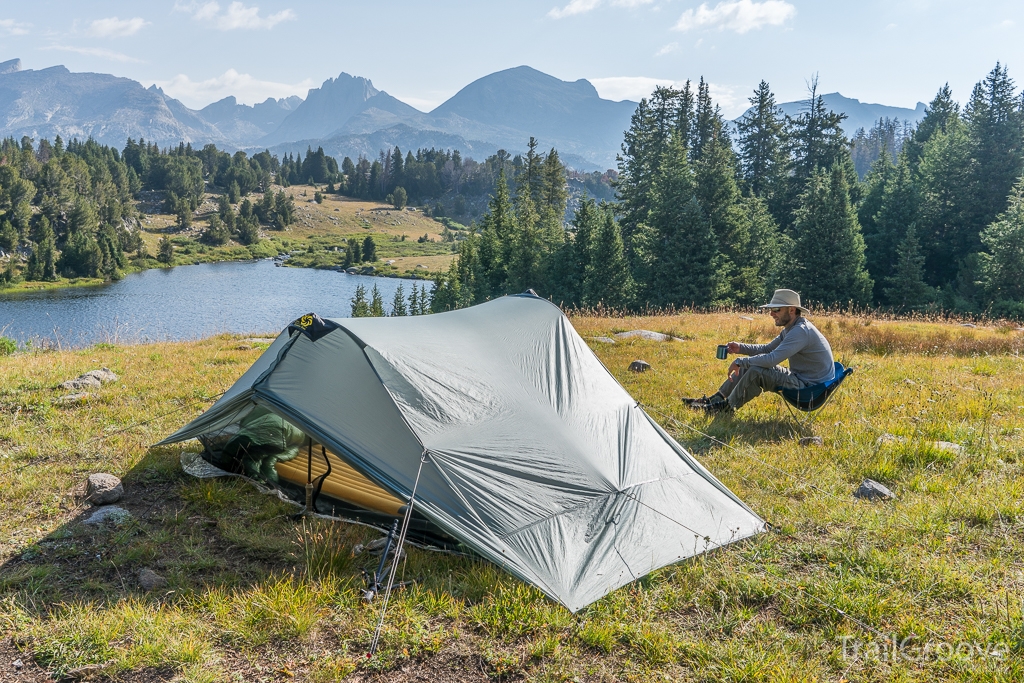
Credit: www.trailgroove.com
Frequently Asked Questions
What To Look For When Buying A Backpacking Tent?
Choose a lightweight, durable tent with adequate floor space and headroom. Prioritize weather resistance, easy setup, and ventilation. Two doors improve convenience. Check tent capacity matches your group size.
Is A 5 Lb Tent Too Heavy For Backpacking?
A 5 lb tent is moderately heavy for backpacking. Ultralight tents weigh around 2-3 lbs. Choose based on comfort and trip length.
What Are The Big 3 Items Backpacking?
The big 3 items in backpacking are the backpack, shelter (tent or tarp), and sleep system (sleeping bag and pad). These items impact weight, comfort, and overall trip success. Choosing lightweight, durable gear reduces fatigue and enhances your backpacking experience.
Is A 4 Pound Tent Too Heavy For Backpacking?
A 4-pound tent is slightly heavy for backpacking but still manageable. Ultralight tents usually weigh under 3 pounds for easier carrying.
Conclusion
Choosing the right backpacking tent makes your trip more enjoyable and safe. Focus on weight, size, and weather resistance. A tent should be easy to carry and quick to set up. Think about how many people will use it and what space you need inside.
Don’t forget ventilation to stay comfortable. Take time to compare options before buying. Good planning helps you find a tent that fits your needs perfectly. Your next adventure will be better with the right shelter.