How to Choose Camp Tent: Ultimate Guide for Perfect Outdoor Shelter
Choosing the right camp tent can make or break your outdoor experience. You want a tent that feels like a cozy shelter after a long day, keeps you dry in unexpected weather, and fits your camping style perfectly.
But with so many options out there, how do you find the one that’s just right for you? In this guide, you’ll discover simple, practical tips to pick a tent that matches your needs—whether you’re camping solo, with a partner, or the whole family.
Keep reading, because the perfect tent is closer than you think, and it starts with knowing exactly what to look for.

Credit: www.lifeintents.com
Tent Types
Choosing the right tent starts with understanding the different tent types. Each type serves a unique camping style and need. Knowing these types helps you find a tent that fits your trip and comfort level. Here are the main tent types you should know about.
Backpacking Tents
Backpacking tents are light and easy to carry. They focus on weight and compact size. These tents use lightweight materials and simple designs. They protect well from wind and rain. Space inside is smaller but enough for one or two people. Perfect for hikers and backpackers who carry gear on their backs.
Car Camping Tents
Car camping tents are larger and heavier. Weight is less important since you drive to the site. These tents offer more room and comfort. They often include extra features like multiple rooms and large doors. Good for campers who want a cozy, spacious shelter.
Family Tents
Family tents provide space for several people. They have multiple rooms or large open areas. These tents focus on comfort and convenience. Easy to set up with durable materials. Best for groups or families camping together. They allow privacy and plenty of storage space.
Specialty Tents
Specialty tents meet specific needs or activities. Examples include mountaineering tents, ultralight tents, and pop-up tents. Mountaineering tents resist extreme weather and wind. Ultralight tents are for fast, minimal camping. Pop-up tents set up quickly for casual use. Choose specialty tents based on your unique camping style.
Capacity And Size
Choosing the right capacity and size for your camp tent is crucial for a comfortable outdoor experience. A tent that fits your group well ensures enough room to sleep and store gear. It also affects how easy it is to set up and move around inside. Knowing the right size helps prevent overcrowding or carrying unnecessary weight. Consider who will use the tent and how much space each person needs. This section breaks down key points about tent capacity and size to help you decide.
Choosing Tent Capacity
Camp tents list capacity by the number of people they can hold. A 2-person tent fits two adults lying side by side. Choose a tent that matches the number of campers. Buy one size larger for extra comfort. Avoid tents that are too small, as they feel cramped. Remember, capacity counts only people, not gear or extra space.
Extra Space Benefits
Extra room inside a tent adds comfort and convenience. More space means better airflow and less chance to bump into others. It allows room for personal items and clothes. Having extra space improves sleep quality and reduces stress. Also, tents with tall ceilings feel less claustrophobic. Think about how much space you want beyond just sleeping.
Gear Storage Options
Gear takes up room inside the tent or in vestibules. Vestibules are covered areas outside the main tent body. They protect backpacks, boots, and cooking gear from rain. Some tents have mesh pockets or gear lofts inside to organize small items. Consider how much gear you bring and where to keep it. Proper gear storage keeps the tent tidy and dry.
Seasonality And Weather
Seasonality and weather are key factors in choosing a camp tent. The type of weather you expect affects the tent’s design and materials. Tents vary to handle different conditions. Picking the right tent keeps you safe and comfortable outdoors.
Three-season Tents
Three-season tents suit spring, summer, and fall. They handle rain and light snow well. These tents have good ventilation to reduce moisture inside. They are usually lighter and more breathable. Perfect for mild weather and moderate conditions.
Four-season Tents
Four-season tents are made for harsh weather. They resist strong winds, heavy snow, and cold temperatures. Their poles and fabric are stronger and thicker. These tents offer less ventilation to keep warmth inside. Ideal for winter camping or high mountain trips.
Weather Resistance Features
Look for features that protect against weather. Waterproof rainflies shield from rain and snow. Sealed seams stop water from leaking. Sturdy poles keep the tent stable in wind. A full-coverage fly adds extra protection. Ventilation options prevent condensation inside the tent.
Materials And Durability
Choosing the right materials for your camp tent ensures it lasts longer and protects you well. Durable materials resist wear and tear from nature and frequent use. Understanding fabric types, pole materials, and waterproofing helps pick a strong, reliable tent.
Tent Fabric Types
Tent fabrics mainly include nylon and polyester. Nylon is lightweight and strong, good for backpacking tents. Polyester handles sunlight better and resists stretching when wet. Look for ripstop versions to avoid tears. The thickness of fabric, measured in denier, affects durability. Higher denier means thicker and tougher fabric.
Pole Materials
Poles support the tent shape and must be sturdy. Aluminum poles are strong, lightweight, and flexible. They bend but usually return to shape. Fiberglass poles are cheaper but heavier and prone to breaking. Steel poles are heavy but very durable for car camping. Choose poles based on your camping style and need for strength versus weight.
Waterproofing And Seams
Waterproof fabric keeps rain out and dryness in. Coatings like polyurethane or silicone add water resistance. Seams are weak points where water can enter. Look for tents with taped or sealed seams to prevent leaks. A rainfly adds extra protection and keeps the tent dry during heavy rain. Check the tent’s waterproof rating, called hydrostatic head, for better rain protection.
Ventilation And Comfort
Good ventilation and comfort are key for a pleasant camping experience. A well-ventilated tent keeps the air fresh and reduces heat inside. Comfort depends on how well air flows and how moisture is managed. This section explains how to pick a tent with strong ventilation features. Understanding these factors helps keep you cool, dry, and cozy at night.
Mesh Panels
Mesh panels provide airflow without letting bugs in. They are usually found on windows and doors. Large mesh areas increase breathability and keep the tent cooler. Look for tents with fine mesh to block tiny insects. Some tents offer adjustable mesh panels for more control over ventilation.
Airflow Management
Good airflow prevents stuffiness inside the tent. Vent placement matters. Tents with vents at the top and bottom create natural air circulation. Adjustable vents help control the amount of fresh air. Check if the tent allows cross-ventilation from opposite sides to boost airflow.
Condensation Prevention
Condensation forms when warm air meets cold surfaces inside the tent. It causes dampness and discomfort. Tents with breathable fabrics reduce condensation buildup. Proper ventilation also helps moisture escape. Choose tents with multiple vents and mesh panels to keep the interior dry.
Credit: www.outdoors.org
Setup And Portability
Choosing a camp tent involves more than just size and material. Setup and portability are key factors for a smooth camping experience. A tent that is easy to set up saves time and frustration. Portability makes carrying your gear easier, especially on long hikes. Focus on tents that balance quick pitching with light weight and compact packing. This section helps you understand what to consider for setup and portability.
Ease Of Pitching
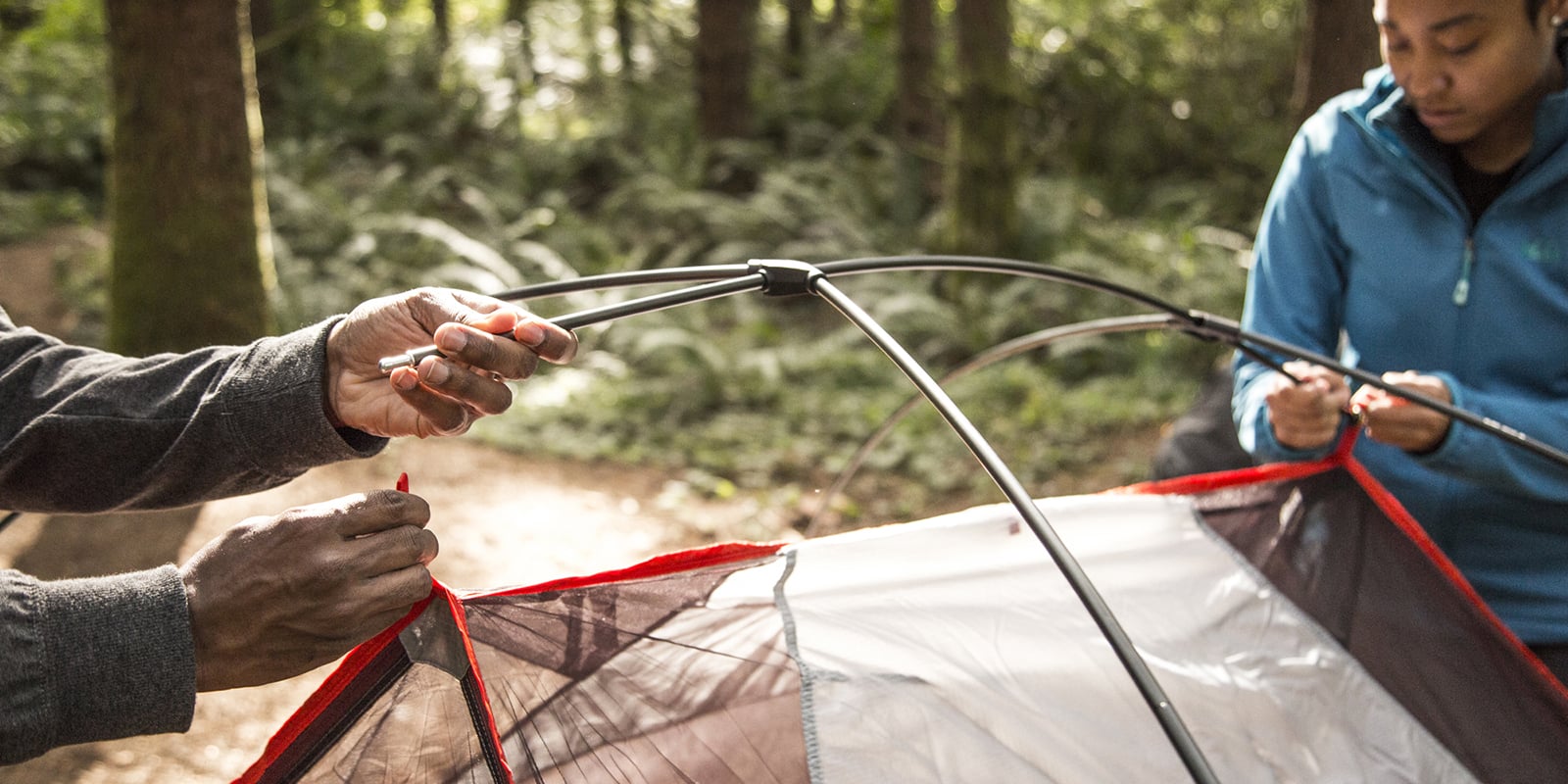
Pick tents with simple designs and fewer poles. Color-coded poles and sleeves speed up the process. Freestanding tents stand on their own without stakes. They are easier to move before final placement. Practice pitching your tent at home to avoid surprises outdoors.
Weight Considerations
Weight matters most for backpackers and hikers. Lightweight tents reduce fatigue on the trail. Materials like aluminum poles and thin fabrics cut weight. Balance weight with durability; very light tents may tear easily. Think about who carries the tent and for how long.
Packed Size
Small packed size saves space in your backpack. Look for tents that compress well into small bags. Compare packed dimensions, not just weight. Some tents fold into long shapes that are hard to fit. A compact tent leaves room for other camping gear.
Additional Features
Extra features in a camp tent improve your camping comfort and convenience. They make your outdoor stay easier and safer. Knowing these features helps you pick a tent that fits your needs perfectly.
Rainfly Designs
A rainfly protects you from rain and wind. Full-coverage rainflies shield the entire tent. They keep water out during heavy storms. Partial rainflies cover only the top part. They are lighter and allow more airflow. Choose a rainfly based on weather and ventilation needs.
Doors And Vestibules
Doors give easy access and exit from the tent. Multiple doors reduce crowding inside. Vestibules are covered spaces outside the tent. They store gear, keeping it dry and out of the tent. Vestibules also offer shelter for cooking or changing shoes. Check tent door size and vestibule space before buying.
Interior Pockets And Loops
Interior pockets keep small items organized and within reach. Loops inside the tent let you hang lights or gear. These features help keep the tent tidy and comfortable. Look for tents with well-placed pockets and loops for better convenience.
Choosing For Specific Needs
Choosing a camp tent depends greatly on your camping style and needs. Each type of camper requires different features in a tent. These differences affect size, weight, and setup. Understanding your specific needs helps select the perfect tent. Below are tips for various camping scenarios.
Couples Camping
Couples need tents that balance space and comfort. A two-person tent works well for most couples. Look for tents with enough room for sleeping and gear storage. Lightweight tents make hiking easier. Waterproof and windproof features ensure a safe stay in bad weather. Ventilation is important to reduce condensation inside the tent.
Family Outings
Family tents must offer more space and durability. Choose tents with multiple rooms or large single rooms. Extra space allows privacy and comfort for everyone. Easy setup saves time and effort. Look for tents with strong poles and sturdy fabric. Good ventilation keeps the tent fresh. Consider tents with windows or mesh panels for airflow and light.
Solo Adventures
Solo campers need tents that are light and compact. A one-person tent is ideal to keep weight low. Fast setup allows more time to enjoy nature. Look for tents that pack small for easy carrying. Weather resistance is key for safety and comfort. Simple designs reduce complexity and weight. Choose tents with good ventilation to avoid moisture build-up.
Budget And Value
Choosing a camp tent is a balance between budget and value. Spending wisely ensures you get durability and comfort. A good tent protects you and lasts many camping trips. Focus on tents that offer strong features within your price range.
Consider what you really need. A cheap tent might save money today but cost more later. A higher-quality tent often means fewer repairs and better weather resistance. Think about your camping style and how often you will use the tent.
Price Vs Quality
Price does not always equal quality. Some tents look cheap but perform well in mild weather. Others cost more due to brand name or extra features. Check the materials and construction carefully. Look for strong poles, durable fabric, and good ventilation. These details affect how the tent holds up over time.
Long-term Investment
Buying a tent is an investment for future trips. A sturdy tent can last five years or more. Spending more now can save money later by avoiding replacements. Consider the warranty and customer support. A reliable brand often offers better service and repair options.
Recommended Brands
Some brands provide great value without a high price. REI, Coleman, and Kelty offer tents for many budgets. For serious campers, MSR and Big Agnes make durable tents with strong features. Pick a brand known for quality and good reviews. This helps ensure your tent performs well in real conditions.
Credit: www.rei.com
Site Selection Tips
Choosing the perfect site for your camp tent is as important as selecting the tent itself. The right location ensures comfort, safety, and an enjoyable camping experience. Consider key factors that affect your tent’s setup and your overall stay. Below are essential tips to help pick a great camping spot.
Terrain Considerations
Pick flat ground to keep your tent stable and comfortable. Avoid rocky or uneven surfaces that can cause discomfort or damage. Check for soft soil that allows stakes to hold firmly. Steer clear of low areas prone to flooding during rain. Clear away sticks, stones, and debris before pitching your tent.
Weather Exposure
Find a site that offers shelter from strong winds. Position your tent behind natural barriers like trees or bushes. Avoid open spaces where wind can hit directly. If rain is expected, avoid slopes where water may run downhill. Face your tent door away from the wind to reduce drafts.
Safety And Regulations
Camp only in designated areas to protect nature and follow rules. Check for fire restrictions and local guidelines before setting up. Keep your distance from cliffs, unstable trees, or animal paths. Store food properly to avoid attracting wildlife. Always respect the environment and other campers nearby.
Frequently Asked Questions
What Size Tent Do I Need For Camping?
Choose a tent size based on the number of people plus extra space. One size larger than your group improves comfort and gear storage.
Which Tent Seasonality Suits My Camping Needs?
Select a tent rated for the season you’ll camp in. Three-season tents suit spring to fall; four-season tents handle winter conditions.
How Important Is Tent Material And Durability?
Tent fabric affects weather resistance and weight. Look for ripstop nylon or polyester with waterproof coatings for durability and protection.
What Tent Features Enhance Camping Comfort?
Look for ventilation, multiple doors, vestibules, and easy setup. These features improve airflow, convenience, and storage during camping trips.
Conclusion
Choosing the right camp tent makes your outdoor trip more enjoyable. Think about how many people will sleep inside. Consider the weather and how often you camp. Look for easy setup and good ventilation. Don’t forget to check the tent’s weight if you hike a lot.
A little extra space helps keep your gear dry and safe. Take your time and pick a tent that fits your needs. Ready for your adventure? Now you know how to choose the best camp tent.