How to Choose Inflatable Sleeping Pad: Ultimate Guide for Comfort
Choosing the right inflatable sleeping pad can make all the difference between a restless night and waking up refreshed on your next adventure. You want comfort, warmth, and ease of use—all packed into something lightweight and easy to carry.
But with so many options out there, how do you pick the perfect one for your needs? In this guide, you’ll discover simple tips and key features to look for, helping you make a choice that fits your camping style and keeps you cozy no matter where you sleep.
Keep reading to find out exactly what matters when choosing an inflatable sleeping pad that’s right for you.
Types Of Inflatable Sleeping Pads
Inflatable sleeping pads come in different types. Each type offers unique benefits and suits different needs. Knowing these types helps you pick the right pad for comfort and convenience. Below are the main types of inflatable sleeping pads available.
Air-filled Pads
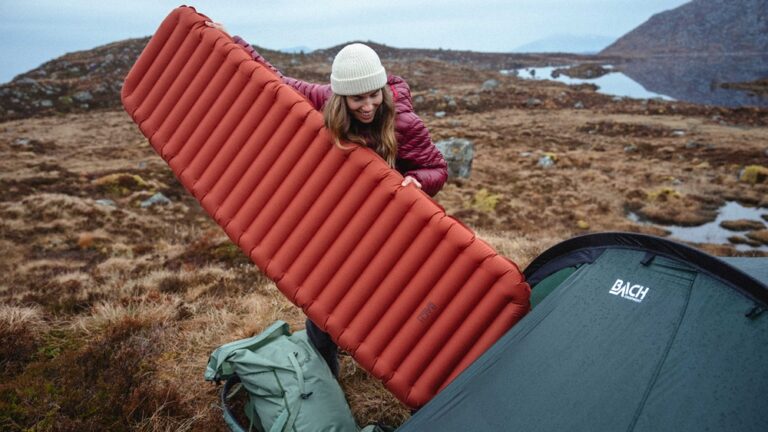
Air-filled pads rely on air to provide cushioning. You blow air into them to inflate. They are lightweight and easy to pack. These pads offer good comfort by adjusting the air level. They can be very compact when deflated. Some may require a pump or manual inflation. They are popular for backpacking and camping.
Self-inflating Pads
Self-inflating pads combine foam and air for support. Open the valve and the foam expands, drawing air inside. These pads take less effort to set up. They provide extra insulation from the ground. They tend to be thicker and softer than air-only pads. They weigh more and pack larger than air-filled pads. Great for car camping or short hikes.
Hybrid Models
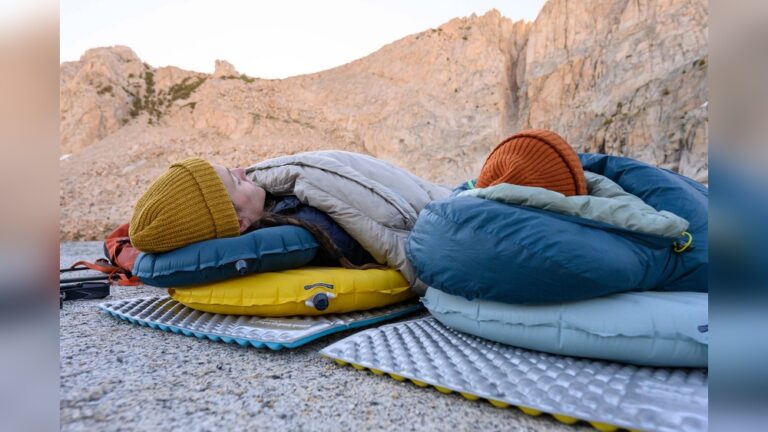
Hybrid pads mix air-filled and self-inflating features. They offer a balance of comfort and convenience. Some have foam cores with air chambers for extra support. They inflate partly on their own but allow added air for firmness. These pads suit various weather and terrain types. They are versatile and comfortable for many campers.
Key Comfort Features
Choosing the right inflatable sleeping pad means focusing on comfort. Comfort helps you rest better and enjoy your outdoor trips more. Some key features affect how comfortable your sleeping pad will be. These features include thickness, surface texture, material, and noise levels. Each plays a big role in your sleeping experience.
Thickness And Support
Thickness affects how soft or firm your sleeping pad feels. Thicker pads give better cushioning and protect you from hard ground. Thinner pads are lighter but may not support your body well. Support matters for your back and joints. Look for a pad that balances thickness with firm support. This helps prevent aches and stiffness after sleep.
Surface Texture And Material
The surface texture impacts how much you move during sleep. A smooth surface can feel slippery, causing you to slide off. A textured surface keeps you in place. Material quality also affects comfort. Soft fabrics feel nice on the skin. Durable materials resist tears and wear over time. Choose a pad with a comfortable, sturdy surface.
Noise Levels
Some inflatable pads make noise when you move. This noise can disturb your rest or others nearby. Look for pads labeled as quiet or low-noise. Quiet pads use special fabrics or construction to reduce sound. Noise matters especially if you are a light sleeper. A silent sleeping pad helps you relax and sleep well outdoors.
Insulation And R-value
Choosing the right inflatable sleeping pad means understanding insulation and R-value. These factors keep you warm and comfortable outdoors. Insulation stops cold from the ground reaching your body. R-value measures how well the pad blocks heat loss. This section explains what R-value means, how to pick one by season, and the materials used for insulation.
What R-value Means
R-value shows a sleeping pad’s ability to resist heat flow. The higher the R-value, the better the pad keeps warmth. It protects you from cold ground and air. A pad with low R-value lets heat escape quickly. This can make you feel cold and uncomfortable while sleeping.
Choosing R-value For Seasons
Pick your R-value based on the season and weather. Summer pads usually have R-values from 1 to 3. They provide enough warmth in mild temperatures. For three-season camping, choose pads with R-values between 3 and 5. Winter pads need R-values above 5 to keep you warm in cold conditions. Match the R-value to your outdoor climate for better sleep.
Insulation Materials
Sleeping pads use different insulation materials. Foam insulation is lightweight and durable. It traps air and blocks cold well. Some pads have synthetic fibers inside for extra warmth. These fibers keep heat close to your body. Down insulation is rare in pads but offers great warmth for weight. Understanding materials helps pick the best pad for your needs.

Credit: www.walmart.com
Size And Weight Considerations
Choosing the right size and weight for an inflatable sleeping pad is key for a good night’s rest outdoors. These factors affect how comfortable you sleep and how easy it is to carry the pad. Pay close attention to length, width, packability, and weight to find the best fit for your needs.
Length And Width Options
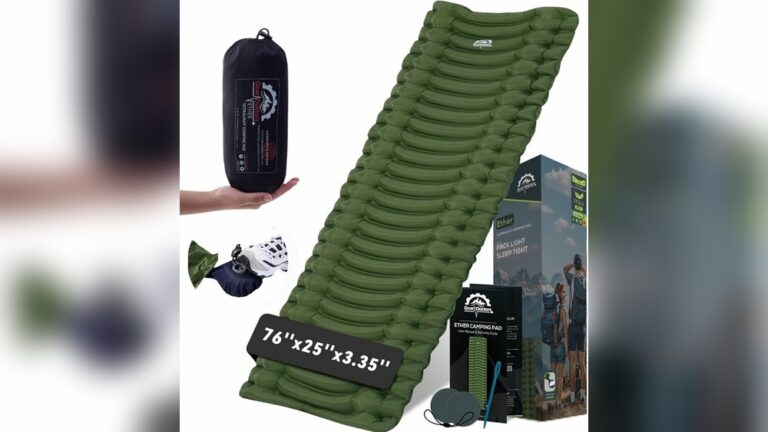
Sleeping pads come in many lengths and widths. Choose a length a few inches longer than your height. This prevents your feet from hanging off the edge. Width varies from narrow to wide. A wider pad offers more comfort but adds weight. Pick a size that fits your body and tent space.
Packability And Weight
Lightweight pads are easier to carry on long trips. Check how small the pad packs down. Smaller packed size saves space in your backpack. Inflatable pads usually weigh less than foam ones. Balance between light weight and durability for your trip.
Balancing Comfort And Portability
Thicker pads feel softer but weigh more. Thinner pads pack smaller but may be less comfy. Find a middle ground that suits your comfort level and travel style. Remember, a good night’s sleep improves your outdoor experience.
Durability And Maintenance
Durability and maintenance are key to getting the most from your inflatable sleeping pad. A sturdy pad resists tears and punctures during outdoor use. Proper care keeps it working well for many trips. Knowing how to maintain the pad saves money and hassle.
Materials And Construction
Choose pads made from tough materials like ripstop nylon or polyester. These fabrics resist holes and abrasions better. Look for strong seams and reinforced edges. Double-layer construction adds extra durability. Avoid thin or cheap materials that wear out fast.
Repair Kits And Tips
Many pads come with repair kits. Carry these kits on trips for quick fixes. Patch small holes with the kit’s adhesive patches. Keep the surface clean before patching. For bigger tears, use strong tape or glue designed for fabric. Regularly check your pad for leaks or damage.
Cleaning And Storage
Clean your pad after each use. Use mild soap and water to remove dirt. Avoid harsh chemicals that damage material. Dry the pad completely before storing to stop mold growth. Store it loosely rolled or flat in a dry place. Keep away from sharp objects and direct sunlight.

Credit: trailsense.enwild.com
Ease Of Use
Choosing an inflatable sleeping pad means thinking about how easy it is to use. A pad that is simple to inflate, set up, and pack away saves time and energy. This helps you enjoy your outdoor trip more and stress less. Ease of use covers inflation methods, valve types, and setup time. Each factor affects how quickly you can get comfortable and rest well.
Inflation Methods
Inflation methods vary from manual to automatic. Some pads inflate by mouth, which is light but takes effort. Others use pump bags or built-in pumps. Built-in pumps inflate pads fast and require little work. Pump bags are a middle ground, allowing quicker inflation without extra weight. Choose a method that matches your strength and pace.
Valve Types
Valve design affects inflation speed and air retention. Large valves fill and release air faster than small ones. Some valves have one-way features to stop air from escaping. Twist valves allow precise control over firmness. A good valve type makes inflation easier and prevents leaks during the night.
Setup And Breakdown Time
Setup and breakdown time depends on design and features. Pads that fold or roll tightly pack into small sizes. Quick setup pads let you inflate and lay down in minutes. Easy breakdown means you deflate and pack fast without hassle. Look for pads with simple instructions and lightweight materials for faster routines.
Budget And Brand Choices
Choosing an inflatable sleeping pad depends heavily on your budget and the brand you trust. These two factors help balance quality, comfort, and price. A clear understanding of price ranges, reliable brands, and warranty options leads to a better purchase. Here is a breakdown to guide your choice.
Price Ranges
Inflatable sleeping pads come in various price ranges. Budget models often start around $20 to $40. Mid-range pads typically cost between $50 and $100. Premium pads can exceed $150 or more. Higher prices often mean better materials and added features. Choose a pad that fits your budget but meets your comfort needs.
Trusted Brands
Trusted brands offer durability and comfort. Brands like Therm-a-Rest, Sea to Summit, and Nemo have solid reputations. These companies invest in research and quality control. Buying from a known brand reduces the risk of defects. Brand reputation often reflects the pad’s performance and reliability.
Warranty And Customer Support
Check the warranty before buying. Good warranties cover defects and damages for months or years. Customer support is crucial for resolving issues. Brands with responsive service help replace faulty products quickly. A strong warranty and support system protect your investment.

Credit: cascademountaintech.com
Matching Pads To Camping Styles
Choosing the right inflatable sleeping pad depends on your camping style. Different trips demand different features. Comfort, weight, and size matter based on how you camp. Matching your pad to your camping needs ensures better rest outdoors. Consider your usual camping activities before picking a pad.
Backpacking Needs
Backpacking requires lightweight and compact gear. Inflatable pads that pack small save space in your backpack. Look for pads that weigh less than two pounds. Durability is important to handle rough trails. Quick inflation and deflation add convenience after long hikes. Choose pads with good insulation to stay warm at night.
Car Camping Options
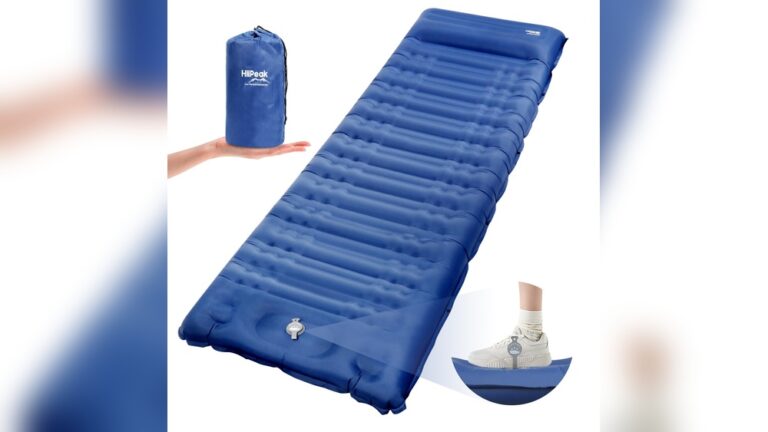
Car camping allows for heavier and thicker pads. Comfort and size become top priorities. Inflatable pads with extra thickness provide better cushioning. Weight matters less since you don’t carry your gear far. Look for wide and long pads for extra sleeping space. Features like built-in pillows increase sleeping comfort.
Ultralight Considerations
Ultralight campers focus on minimal weight and pack size. Every ounce counts on long trips or thru-hikes. Inflatable pads made with lightweight materials help reduce pack weight. Choose simple designs without extra features to save weight. Small packed size makes carrying easier. Insulation should balance weight and warmth for safety.
Frequently Asked Questions
What Factors Affect Choosing An Inflatable Sleeping Pad?
Key factors include comfort, weight, size, insulation (R-value), and durability. Consider your camping style and typical weather conditions for the best fit.
How Does R-value Influence Sleeping Pad Choice?
R-value measures insulation against cold ground. Higher R-values provide better warmth, essential for cold-weather camping. Choose based on expected temperatures.
What Size Sleeping Pad Suits Different Campers?
Select a pad a few inches longer than your height to avoid cold exposure. Width depends on personal comfort and tent space.
Should I Prioritize Weight Or Comfort For Backpacking?
Balance weight and comfort. Lightweight pads ease carrying, but comfort ensures better sleep. Inflatable pads often offer the best mix for backpackers.
Conclusion
Choosing the right inflatable sleeping pad makes your camping nights better. Focus on comfort, weight, and insulation value. A pad that fits your size helps keep you warm and cozy. Don’t forget to check how easy it is to carry and inflate.
Simple features can make a big difference outdoors. Take time to compare options before you buy. This way, you sleep well and enjoy every adventure.