How to Choose Outdoor Gear: Expert Tips for Ultimate Adventure
Choosing the right outdoor gear can make all the difference between a great adventure and an uncomfortable experience. You want gear that fits your needs, feels comfortable, and keeps you safe no matter the weather or terrain.
But with so many options out there, how do you know what to pick? This guide will help you cut through the confusion and find gear that truly works for you. Keep reading, and you’ll learn simple tips to make smart choices every time you head outdoors.
Your next trip starts with the right gear—let’s make sure you get it right.
Assess Your Adventure
Assessing your adventure is the first step in choosing the right outdoor gear. Understanding the details of your trip helps pick gear that fits your needs. This step saves money and avoids carrying extra weight.
Think about what you will do, where you will go, and how long you will stay. These factors guide your gear choice. Let’s break down the key points to assess.
Identify Activity Type
Start by naming the activity you plan. Hiking, camping, climbing, or kayaking all need different gear. Each activity has specific equipment requirements. Knowing your activity helps narrow down your options quickly.
Evaluate Environment
Check the environment where you will be. Weather, terrain, and temperature all matter. Cold mountains need warm clothes. Wet forests call for waterproof gear. Hot deserts require light, breathable fabrics. Match your gear to the environment to stay safe and comfortable.
Consider Trip Duration
Think about how long you will be outdoors. A day trip needs less gear than a week-long adventure. Longer trips require more supplies and durable equipment. Plan for food, water, and shelter according to your trip length. This ensures you carry what you truly need.

Credit: www.youtube.com
Prioritize Essential Features
Choosing outdoor gear requires focusing on the features that matter most. Essential features ensure your gear performs well and fits your needs. Prioritizing these features helps you stay safe, comfortable, and ready for adventure.
Weight And Portability
Lightweight gear is easier to carry during long trips. Heavy equipment can tire you quickly and slow your pace. Compact items save space in your backpack. Choose gear that balances lightness with functionality. Portability matters most for hiking and backpacking trips.
Durability And Materials
Strong materials protect your gear from wear and tear. Durable gear lasts through rough conditions and multiple uses. Look for high-quality fabrics and reinforced stitching. Avoid cheap materials that break or tear easily. Durable gear gives better value and reliability.
Weather Resistance
Outdoor gear must handle rain, wind, and sun exposure. Water-resistant or waterproof materials keep you dry and comfortable. Breathable fabrics prevent overheating while protecting against rain. Gear with good weather resistance keeps you safe in changing conditions.
Focus On Comfort And Fit
Choosing outdoor gear that fits well and feels comfortable is essential. Poor fit can cause discomfort and reduce your enjoyment. Focus on comfort and fit to stay safe and perform better outdoors. Gear that matches your body and activity keeps you moving freely.
Sizing And Layering
Check sizing charts carefully before buying. Sizes differ between brands. Try gear on with the layers you plan to wear underneath. Layering helps adjust to changing weather. A good fit allows room for layers without feeling tight. Avoid gear that is too loose or too small.
Ergonomics And Support
Choose gear designed to support your body shape. Look for ergonomic designs that follow natural movement. Backpacks should have padded straps and hip belts. Shoes need proper arch support and heel cushioning. Support reduces strain and prevents injuries during long activities.
Breathability And Ventilation
Outdoor gear must let your skin breathe. Fabrics with good ventilation help sweat evaporate. Breathable materials keep you dry and comfortable. Avoid gear that traps heat or moisture. Proper airflow prevents overheating and skin irritation during exercise.
Credit: www.rei.com
Select Key Gear Categories
Selecting the right outdoor gear starts with understanding key gear categories. Each category plays a vital role in your comfort and safety. Focus on the essentials to prepare well for your adventure. Gear that fits your needs makes outdoor trips more enjoyable.
Clothing Layers
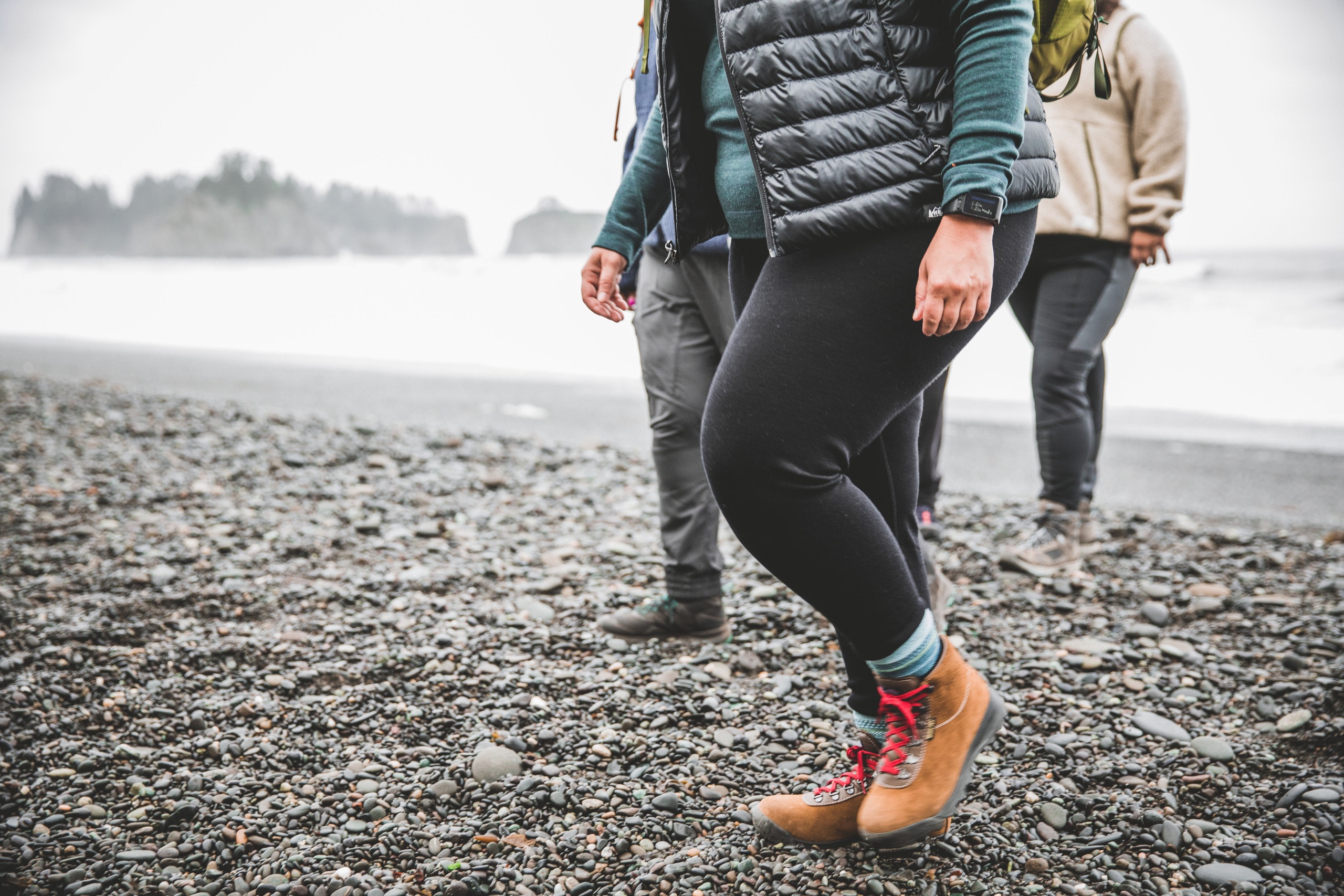
Clothing layers help regulate body temperature. Start with a base layer that wicks moisture away. Add a mid layer for insulation and warmth. Finish with an outer layer that protects against wind and rain. Choose lightweight, breathable fabrics that dry quickly. Layering allows easy adjustment to changing weather.
Footwear And Socks
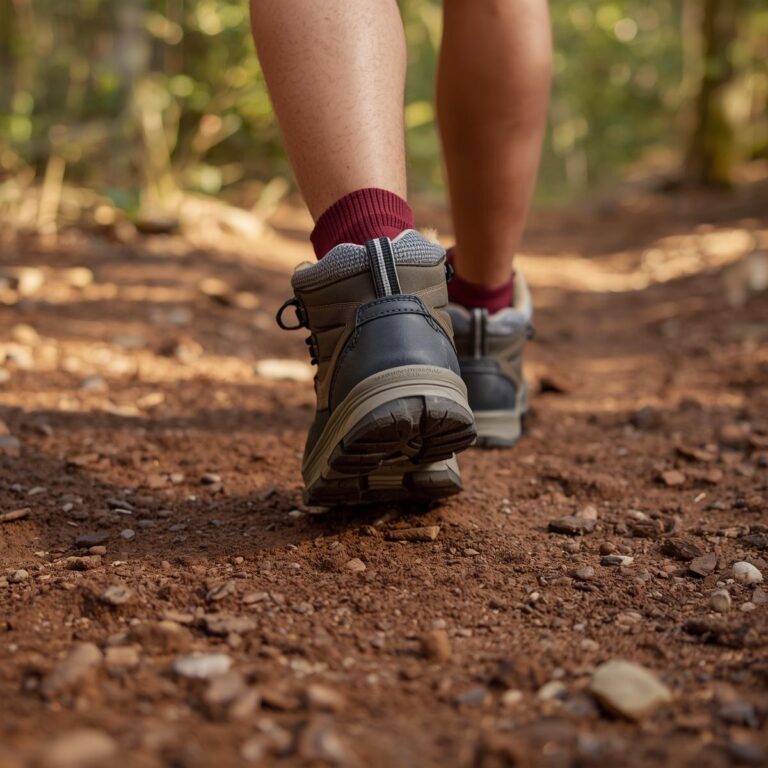
Footwear must provide support and grip. Pick hiking boots or shoes suited for the terrain. Waterproof options keep feet dry in wet conditions. Socks made from wool or synthetic fibers prevent blisters. Avoid cotton socks as they hold moisture. Proper footwear reduces fatigue and injury risk.
Backpacks And Bags
Select backpacks that fit your body size and trip length. Look for padded straps and adjustable hip belts for comfort. Choose bags with multiple compartments to organize gear. Water-resistant materials protect your belongings from rain. Keep weight balanced to avoid strain during long hikes.
Shelters And Sleeping Gear
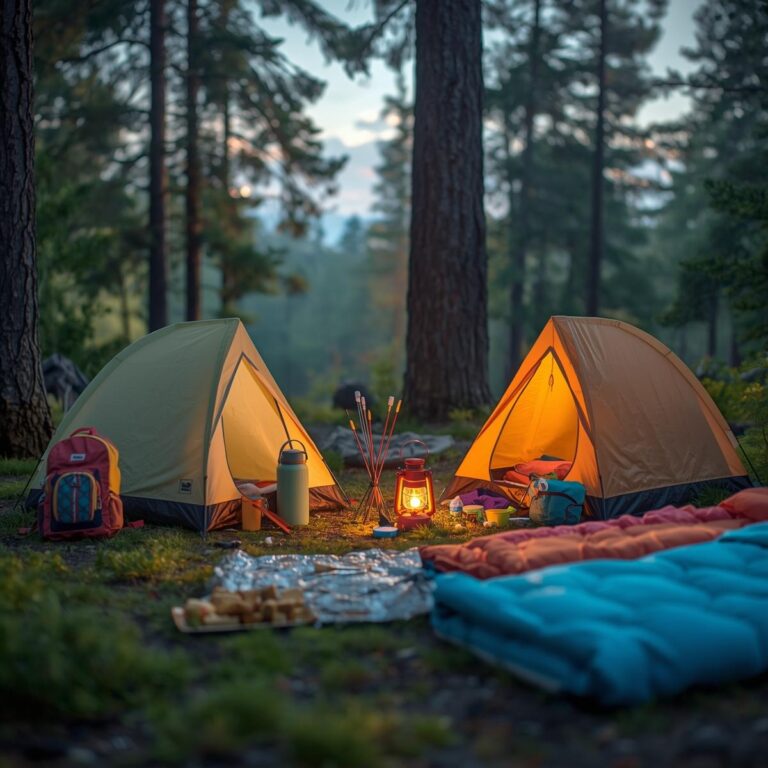
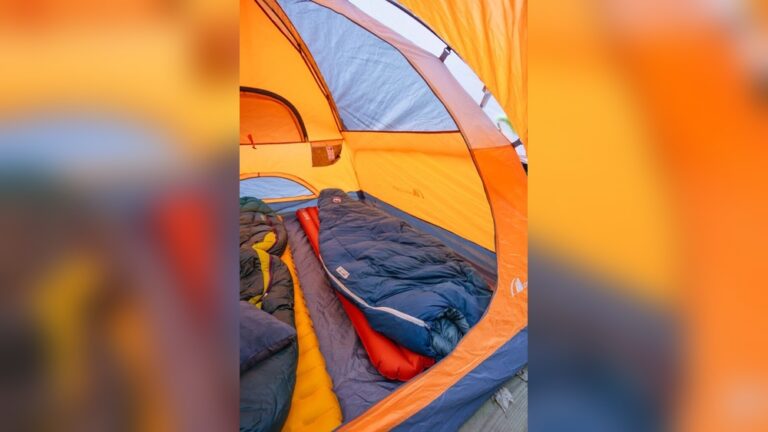
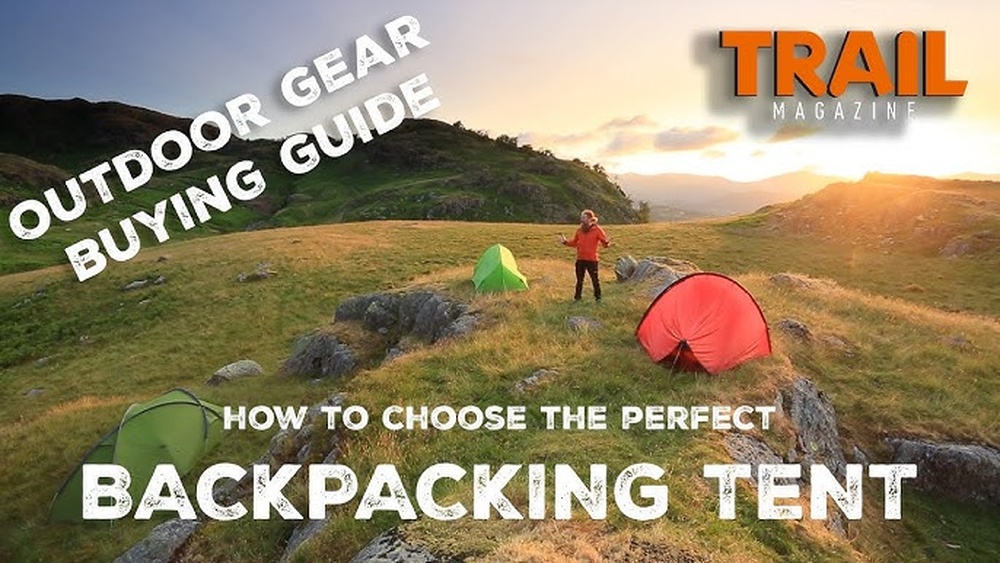
Choose tents or shelters based on expected weather and group size. Lightweight and easy-to-set-up shelters save time and effort. Sleeping bags should match the coldest temperature you expect. Use sleeping pads for insulation and comfort on rough ground. Check gear weight if you carry it on your back.
Navigation And Safety Tools
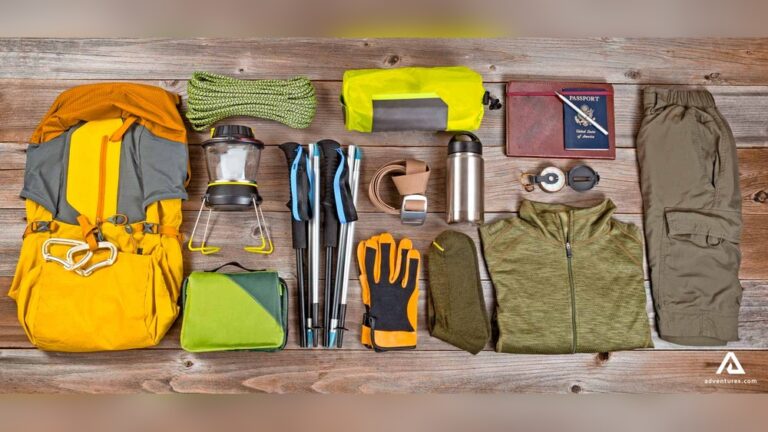
Carry a reliable map and compass for navigation. GPS devices add convenience but don’t rely solely on them. Bring a whistle and headlamp for emergencies. Pack a basic first aid kit to handle minor injuries. Safety tools increase your confidence and preparedness outdoors.
Check Reviews And Recommendations
Choosing the right outdoor gear requires careful research. Checking reviews and recommendations helps make smart choices. Reviews offer valuable insights about gear quality and performance. Recommendations guide buyers to trusted products suited for their activities. This step saves money and avoids disappointment on the trail.
Expert Opinions
Experts test gear in real outdoor conditions. They share detailed knowledge about durability and features. Their advice highlights strengths and weaknesses of each product. Experts often compare similar items to find the best option. Listening to experts reduces risk of buying poor gear.
User Feedback
Users give honest reviews from everyday use. They mention comfort, ease of use, and reliability. User feedback shows how gear performs over time. It reveals issues that experts may not notice. Reading many user opinions provides a balanced view.
Field Testing Insights
Field tests involve trying gear on actual trips. This reveals how products handle weather and terrain. Field testers note practical benefits and drawbacks. Their insights help understand gear beyond specs and ads. Real-world testing proves if gear meets expectations.
Try Before You Buy
Trying outdoor gear before buying helps you avoid mistakes. It gives a real feel for comfort and fit. You can check if the gear suits your needs. This step saves money and increases satisfaction.
In-store Fitting
Visit stores that specialize in outdoor gear. Try on clothes, boots, and backpacks. Wear the layers you plan to use outdoors. Move around to test flexibility and comfort. Ask staff for advice on sizing and fit.
Demo Opportunities
Some stores offer demo days or events. You can test gear in real conditions. Try tents, sleeping bags, or hiking poles outside. This hands-on experience reveals how gear performs. Take notes on what feels right for you.
Return Policies
Check the store’s return policy before buying. Good policies allow returns after use if gear does not fit. Keep receipts and tags in case you need to return. Understand time limits for returns or exchanges. This ensures peace of mind with your purchase.
Consider Sustainability
Choosing outdoor gear that respects the environment helps protect nature. Sustainable gear reduces waste and pollution. It supports a healthier planet for future adventures. Thinking about sustainability makes your outdoor experience more meaningful.
Eco-friendly Materials
Pick gear made from natural or recycled materials. Organic cotton, recycled polyester, and bamboo are good options. These materials use less energy and water to produce. They break down faster after use. Avoid gear with harmful chemicals or plastics that last long in nature.
Brand Ethics
Check if the brand cares about the environment and workers. Ethical brands use fair labor and safe factories. They often share their sustainability goals openly. Support companies that give back to nature or communities. This helps create a positive impact beyond your purchase.
Leave No Trace Principles
Choose gear designed to minimize your impact outdoors. Lightweight, durable items reduce waste and damage to trails. Gear that packs small helps carry out all trash easily. Respecting Leave No Trace means enjoying nature without harming it.
Plan For Maintenance
Planning for maintenance extends the life of your outdoor gear. Proper care keeps your equipment ready for every adventure. It prevents damage and costly replacements. Simple habits help maintain function and appearance. Focus on cleaning, repairing, and storing your gear correctly.
Cleaning And Care
Clean your gear after every trip. Remove dirt, mud, and sweat to avoid material breakdown. Use mild soap and cold water for most items. Avoid harsh chemicals that can harm fabrics or coatings. Dry gear completely before storing to prevent mold and odors. Follow manufacturer instructions for special materials like down or Gore-Tex.
Repair Options
Small repairs save money and keep gear safe. Fix tears, broken zippers, and loose seams quickly. Carry a basic repair kit on trips for emergencies. Consider professional repair services for complex damage. Regularly inspect your gear to catch problems early. Well-maintained gear performs better and lasts longer.
Storage Tips
Store gear in a cool, dry place away from sunlight. Avoid compressing items like sleeping bags or jackets for long periods. Use breathable bags or containers to prevent moisture buildup. Keep gear off the floor to reduce dirt and pests. Proper storage preserves shape and function for your next outdoor trip.

Credit: www.blueridgeoverlandgear.com
Frequently Asked Questions
What Is The 20% Rule For Backpacking?
The 20% rule for backpacking means your pack should weigh no more than 20% of your body weight. This helps prevent strain and improves comfort during hikes.
What Are The 7 C’s Of Camping?
The 7 C’s of camping are care, caution, courtesy, cleanliness, cooperation, conservation, and common sense.
What Are The 10 Outdoor Essentials?
The 10 outdoor essentials include a map, compass, sun protection, extra clothing, illumination, first-aid kit, fire starter, knife, water, and food.
What Is The 3 Layer Rule For Hiking?
The 3 layer rule for hiking includes a base layer to wick moisture, a mid layer for insulation, and an outer layer for protection. This system keeps hikers comfortable by adapting to changing weather and activity levels.
Conclusion
Choosing the right outdoor gear makes your adventure safer and more fun. Think about the weather, activity, and how long you will stay outside. Pick gear that fits well and feels comfortable. Lightweight and durable items help you move easily.
Always check the gear before you buy it. Remember, simple and practical choices work best. Prepare well, and enjoy your time outdoors with confidence.