How to Choose Sleeping Pad: Ultimate Guide for Comfort & Durability
Choosing the right sleeping pad can make or break your outdoor experience. Whether you’re camping under the stars or hiking through rugged trails, your sleeping pad is your personal comfort zone and your shield against the cold ground.
But with so many options out there, how do you find the perfect one for your needs? You want something that keeps you warm, feels cozy, and fits your gear without weighing you down. In this guide, you’ll discover simple, practical tips to pick a sleeping pad that matches your style, your body, and your adventure.
Keep reading to unlock the secrets of better sleep outdoors—and wake up ready for whatever the day brings.
Credit: seatosummit.com
Types Of Sleeping Pads
Choosing the right sleeping pad means understanding the main types available. Each type offers unique benefits for comfort, weight, and insulation. Knowing the differences helps you pick one that fits your camping style and needs.
Foam Pads
Foam pads are simple and very durable. They provide consistent insulation and cushioning. These pads are lightweight and often the most affordable option. They do not deflate or need inflation, so they are great for rough use. Foam pads can be bulky but easy to clean and maintain.
Inflatable Pads
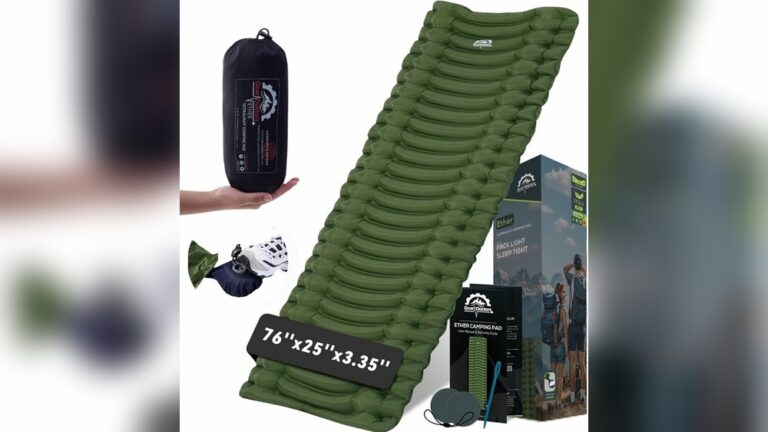
Inflatable pads offer excellent comfort because you can adjust their firmness. They are lightweight and pack small when deflated. Many models come with insulated layers for warmth. Be careful of punctures, as these pads can leak air. Inflatable pads are popular for backpackers who want comfort without much weight.
Self-inflating Pads
Self-inflating pads combine foam and air for good comfort and insulation. They expand automatically when you open the valve, making setup quick. These pads are thicker than foam or inflatable pads. They weigh more but provide a soft, cushioned sleep surface. Self-inflating pads are ideal for car camping and mild backpacking.
Warmth And Insulation
Warmth and insulation are key factors to consider when choosing a sleeping pad. Your body loses heat to the cold ground during sleep. A good sleeping pad stops this heat loss and keeps you warm. The right insulation helps you rest comfortably in cool or cold conditions. Understanding how sleeping pads provide warmth helps you pick the best one for your needs.
R-value Explained
The R-value measures a pad’s ability to resist heat loss. Higher R-values mean better insulation and more warmth. Pads with low R-values suit summer or mild climates. For cold weather, choose pads with R-values of 4 or higher. Keep in mind, the R-value only measures insulation, not comfort or thickness.
Combining Pads For Extra Warmth
Using two pads together can increase warmth. Place a foam pad under an inflatable one for better insulation. Foam pads trap heat well and never lose air. Inflatable pads add comfort and cushion. This combo works well in very cold conditions or on rough ground.
Insulated Vs. Uninsulated Pads
Insulated pads have built-in materials that keep heat in. These pads suit cold weather and winter camping. Uninsulated pads focus on comfort and weight but offer less warmth. They work best in warm seasons or inside tents with good heat retention. Choosing insulated or uninsulated depends on your climate and sleeping style.
Comfort Factors
Comfort is a key factor in choosing the right sleeping pad. A good pad supports your body and helps you rest well. Comfort depends on several details like thickness, size, and shape. These factors affect how well you sleep outdoors. Consider them carefully to enjoy a restful night under the stars.
Thickness And Cushioning
Thickness affects how soft or firm the pad feels. Thicker pads usually offer more cushioning. They protect your body from hard ground and rocks. Thin pads are lighter but less comfortable. Look for a balance between comfort and weight. Foam pads provide firm support, while air pads offer softer cushioning. Choose the thickness that suits your sleeping style and terrain.
Size And Shape Options
Size affects how much space you have to stretch out. Wider pads give more room and comfort. Narrow pads save weight and pack smaller. Length matters too. Taller people need longer pads to avoid cold feet. Consider your body size and sleeping position. Choose a size that matches your needs without adding extra bulk.
Tapered Vs. Rectangular Pads
Tapered pads narrow at the feet and save weight and space. They work well for backpackers who carry gear on their backs. Rectangular pads offer full width and maximum comfort. They suit car campers or those who prioritize comfort over weight. Your choice depends on your travel style and how much space you want while sleeping.

Credit: cascadedesigns.com
Weight And Packability
Weight and packability are key when choosing a sleeping pad. Your pad must be easy to carry and fit well in your backpack. Heavy or bulky pads make hiking harder and slow you down. Think about how far you will carry it and how much space it will take. This helps you find the best sleeping pad for your trip.
Lightweight Choices
Lightweight sleeping pads are best for long hikes. They reduce the load on your back. Many lightweight pads use air or foam materials. Air pads can be very light and compact. Foam pads are usually a bit heavier but very durable. Pick one that balances lightness and strength for your needs.
Pack Size Considerations
Pack size matters if you have limited space. Inflatable pads usually pack down small. Foam pads are thicker and take more room. Some pads compress well in their stuff sacks. Check the packed dimensions before buying. Smaller packs save space for other gear.
Balancing Weight And Comfort
Light pads can feel thin and less comfy. Heavy pads often offer better cushioning and insulation. Think about where you will camp and how cold it gets. Choose a pad that feels good and fits your weight limit. Comfort helps you rest better after a long day.
Choosing Based On Use
Choosing a sleeping pad depends largely on how and where you plan to use it. Different activities require different features in a sleeping pad. Selecting the right one improves your comfort and rest outdoors.
Consider the environment and your needs before buying. A pad perfect for one use might not work well for another. Focus on key factors like weight, insulation, and size based on your activity.
Backpacking Needs
Backpackers need pads that are light and easy to carry. Compact designs save space in your pack. Inflatable or foam pads are popular for their lightweight and durability. Look for a good R-value to keep warm without extra bulk. Quick inflation and deflation add convenience on the trail.
Car Camping Preferences
Car campers can choose thicker and heavier pads for extra comfort. Bulkier air or self-inflating pads provide better cushioning. Size matters less since weight is not a big issue. Focus on comfort features like wider or longer pads. Some pads offer extra insulation for cooler nights.
Winter And Mountaineering
Winter and mountaineering demand highly insulated pads. Heat retention is critical in cold weather. Foam pads or those with reflective layers work best. Look for high R-value ratings to prevent heat loss. Durability and resistance to cold surfaces are also key. A reliable pad ensures better rest in harsh conditions.
Material Durability
Material durability plays a key role in choosing a sleeping pad. A durable pad lasts longer and handles rough outdoor use well. It provides reliable comfort and protection from the ground. Understanding the pad’s material helps you pick one that suits your adventures.
Durable Fabrics
Look for sleeping pads made with strong fabrics like ripstop nylon or polyester. These materials resist tearing and wear. They keep the pad intact even on rocky or rough surfaces. Thick fabric means the pad can handle many trips without damage.
Puncture Resistance
Puncture resistance is vital for inflatable sleeping pads. Some pads have extra layers or coatings to stop sharp objects from causing holes. A puncture-resistant pad holds air better and stays comfortable all night. This feature reduces the risk of waking up on a flat pad.
Repair Options
Choose a sleeping pad with easy repair options. Many pads come with patch kits for quick fixes. Repair kits extend the pad’s life and save money. Knowing how to patch small holes or tears keeps your gear ready for the next trip.
Additional Features
Choosing a sleeping pad involves more than just comfort and insulation. Additional features can enhance your camping experience. These small details often make a big difference in usability and comfort. Understanding these extras helps you pick a pad that fits your needs better.
Heat-reflective Layers
Some sleeping pads have heat-reflective layers inside. These layers reflect body heat back to you. This feature helps keep you warm without extra bulk. It is especially useful in cold weather. Pads with this layer offer better insulation. They help conserve your body heat all night long.
Valve Types
Valves control air flow in inflatable sleeping pads. Different types affect how fast you can inflate or deflate. Some valves allow quick inflation, saving time. Others offer precise control to adjust firmness. Check if the valve is easy to use with gloves. A good valve design prevents leaks and keeps air in.
Ease Of Inflation
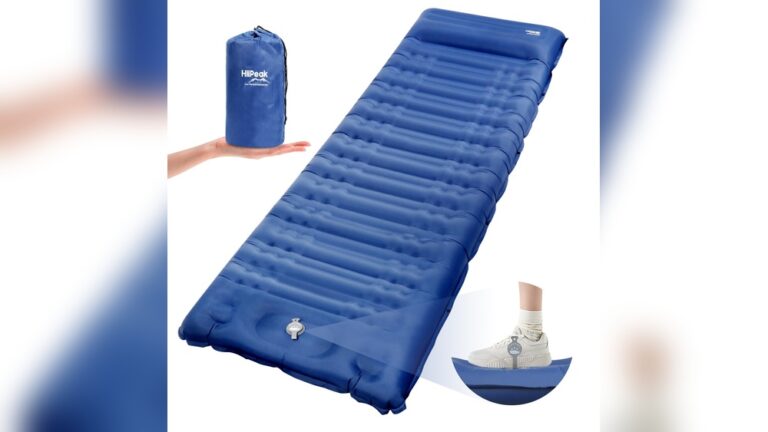
Inflating a sleeping pad can be tiring. Look for pads with easy inflation methods. Some have built-in pumps or large valves for faster filling. Self-inflating pads save effort by drawing air in automatically. Lightweight pads often require a separate pump or manual inflation. Choose a pad that matches your energy and time limits.

Credit: www.greatoutdoors.ie
Testing And Buying Tips
Choosing the right sleeping pad is easier when you test and compare options. Testing helps find the best fit for your needs and comfort. Buying without trying can lead to discomfort or poor sleep outdoors. Follow these tips to make smart choices and enjoy restful nights on your trips.
Trying Pads In Store
Visit stores that sell outdoor gear and lie down on different pads. Feel the firmness and texture. Test how each pad supports your body weight. Take your time to sense the comfort level. Some stores have demo areas for testing. Bring your sleeping bag for a real feel. This hands-on approach reduces guesswork.
Assessing Size And Comfort
Check the length and width of each pad. It should fit your body without curling your legs. Wider pads offer more comfort but add weight and bulk. Thicker pads provide better cushioning. Consider your sleeping position. Side sleepers may need thicker pads for joint support. If you sleep on your back, thinner pads can work well. Comfort is personal, so choose what feels right.
Setting Priorities
Decide what matters most: weight, warmth, or comfort. Backpackers often choose light and compact pads. Campers using cars can opt for thicker, heavier pads. Think about the climate and seasons you camp in. Warm pads with insulation are vital for cold weather. If you camp in warm seasons, a simple pad may suffice. Budget also guides your choice. Balance cost with features you truly need.
Frequently Asked Questions
How Do You Choose The Right Sleeping Pad?
Choose a sleeping pad based on intended use, weight, insulation (R-value), comfort, and size. Prioritize warmth for cold conditions and packability for backpacking. Select thickness and shape for comfort and space. Test pads when possible to ensure proper fit and feel.
Is It Better To Have An Insulated Or Uninsulated Sleeping Pad?
Insulated sleeping pads offer warmth by blocking ground cold, ideal for cold conditions. Uninsulated pads suit warm weather and reduce weight. Choose based on temperature, comfort needs, and weight preferences for your camping style.
Is A Thicker Sleeping Pad Always Better?
A thicker sleeping pad offers more comfort and insulation but adds weight and bulk. Choose thickness based on your needs.
Should I Get A Tapered Or Rectangular Sleeping Pad?
Choose a tapered sleeping pad for lightweight, space-saving needs like backpacking or kayaking. Pick rectangular for more comfort and space, ideal for car camping.
Conclusion
Choosing the right sleeping pad makes your outdoor rest better. Think about where and when you will camp. Consider warmth, comfort, and how much weight you can carry. A good pad matches your sleeping style and needs. Don’t forget to check size and shape for your body.
Simple choices lead to peaceful nights outdoors. Sleep well, enjoy your adventure fully.