How to Choose Tent Footprint: Expert Tips for Ultimate Protection
Choosing the right tent footprint can make all the difference between a comfortable night under the stars and waking up to a soggy, torn tent floor. You want to protect your investment, keep your sleeping area dry, and make your camping experience hassle-free.
But with so many options available, how do you pick the perfect one for your tent? In this guide, you’ll discover simple, practical tips to help you choose a tent footprint that fits your needs perfectly—saving you time, money, and frustration on your next outdoor adventure.
Keep reading to learn how to make your tent last longer and camp smarter!

Credit: blog.whiteduckoutdoors.com
Benefits Of Using Tent Footprints
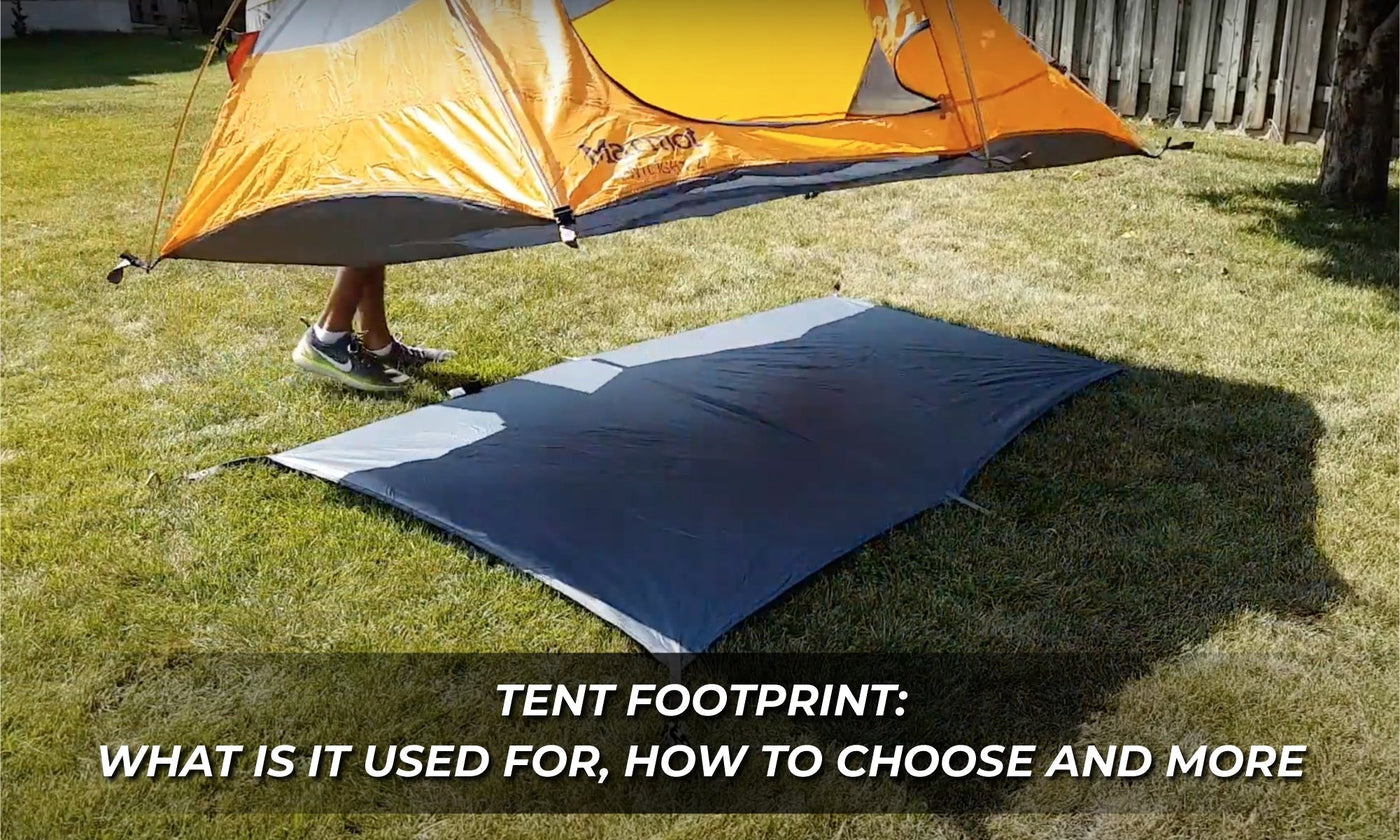
Using a tent footprint adds important value to your camping gear. It acts as a protective layer between your tent and the ground. This extra layer helps keep your tent floor safe and clean. It also improves the tent’s overall performance during your outdoor trips. The benefits go beyond simple protection. They include durability and better weather resistance. These advantages make camping more comfortable and extend your tent’s life.
Protecting Tent Floor
A tent footprint shields the tent floor from sharp rocks and sticks. It prevents tears and holes that can happen on rough ground. This protection stops dirt and mud from sticking to your tent. It also keeps moisture from seeping in from below. The footprint works as a barrier, saving your tent floor from damage. This means fewer repairs and less worry on your trip.
Enhancing Durability
Using a footprint increases the tent’s durability. The footprint takes the brunt of wear and tear instead of the tent floor. It reduces friction between the tent and the ground. This prevents the tent floor material from wearing thin or breaking. By adding this layer, your tent stays stronger for many trips. It keeps your shelter reliable and safe over time.
Improving Weather Resistance
A footprint helps improve your tent’s weather resistance. It creates an extra layer against wet or muddy ground. This stops water from soaking through the tent floor. It also adds insulation from cold or damp surfaces. With a footprint, your tent stays drier and warmer. This makes camping in bad weather more comfortable and less stressful.
Materials For Tent Footprints
Choosing the right material for your tent footprint is important. The footprint protects your tent’s floor from rocks, dirt, and moisture. It also adds extra durability and comfort. Different materials offer various benefits and drawbacks. Understanding these materials helps you pick the best option for your camping style.
Polyethylene And Polycro Options
Polyethylene is a popular choice for tent footprints. It is waterproof and affordable. This material is strong but can be heavier than others. Polycro is a thinner, lighter version of polyethylene. It is often used for ultralight camping. Polycro is less durable but easy to pack and carry.
Tyvek Advantages And Drawbacks
Tyvek is a synthetic material made of high-density polyethylene fibers. It is lightweight and very durable. Tyvek resists tearing and protects well against moisture. It also breathes better than plastic sheets. On the downside, Tyvek can be more expensive. It may not be as waterproof as polyethylene.
Heavy-duty Vs Lightweight Fabrics
Heavy-duty fabrics offer strong protection and last longer. They work well on rough or rocky ground. These fabrics tend to be heavier and bulkier. Lightweight fabrics are easier to carry and pack. They are great for backpackers who want to save weight. However, lightweight materials may wear out faster on rough terrain.
Choosing The Right Size
Choosing the right size for your tent footprint is essential for a comfortable camping experience. The footprint should protect your tent floor without causing problems like water buildup or excess material. Size affects how well the footprint fits and functions under your tent.
Cutting Smaller Than Tent Floor
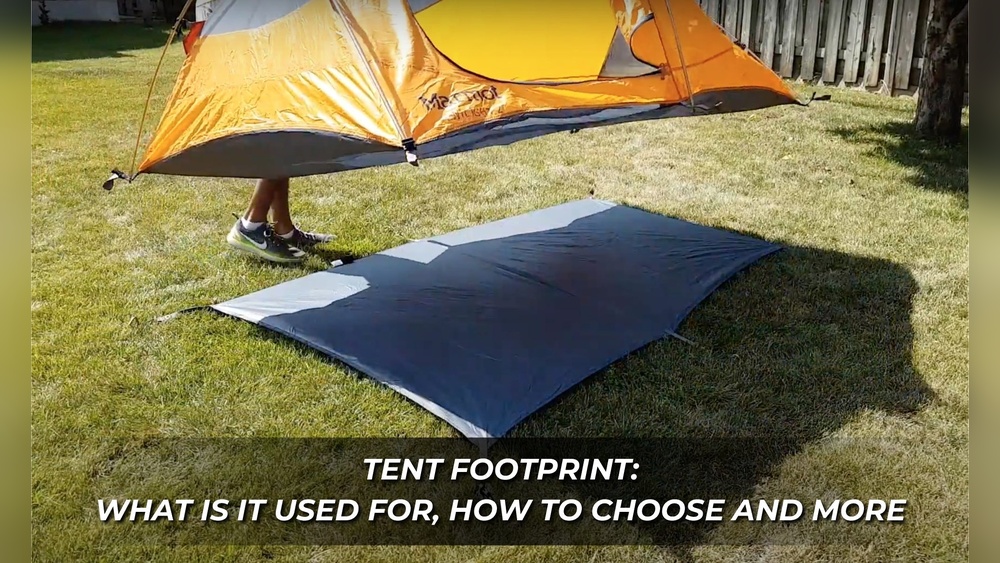
Cut the footprint a few inches smaller than your tent floor. This helps prevent water from running under the tent. A footprint too large can collect rainwater and direct it underneath. Smaller size avoids this problem and keeps the tent floor dry.
Avoiding Water Channeling
A footprint that extends beyond the tent floor creates a path for water. Water can collect on the extra material and flow under the tent. This causes wetness and discomfort inside. Keep the footprint within the tent’s edges to avoid water channeling.
Matching Tent Shape
Choose a footprint that matches your tent’s shape. Rectangular tents need rectangular footprints. Dome tents require rounded edges on the footprint. A matching shape means better coverage and protection. It also prevents bunching or folding under the tent.
Types Of Tent Footprints
Tent footprints come in different types to suit various camping needs. Choosing the right one protects your tent floor from rough ground and moisture. It also helps extend the life of your tent. Understanding the types of footprints makes it easier to pick the best match.
Custom-made Footprints
Custom-made footprints match your tent’s exact size and shape. They provide full coverage and protection. These footprints often fit perfectly around the tent corners. They prevent dirt and water from reaching the tent floor. Many campers prefer custom footprints for better durability and comfort.
Universal Footprints
Universal footprints work with many different tents. They are usually rectangular or square. These footprints are less expensive than custom ones. They offer good protection on most surfaces. However, they may need trimming to fit your tent well.
Integrated Tent Footprints
Some tents come with integrated footprints attached. These footprints are part of the tent design. They save weight and reduce packing space. Integrated footprints help keep the tent stable and clean. They are a convenient option for light backpacking trips.
Footprints For Different Camping Styles
Choosing the right tent footprint depends on the camping style you prefer. Different camping types require different features in a footprint. This section explains the best footprints for various camping styles. It helps you protect your tent and enjoy your outdoor experience.
Backpacking And Hiking
Backpackers need lightweight and compact footprints. Look for thin but strong materials like silnylon or lightweight polyester. The footprint must fit your tent snugly. It should not add much weight to your pack. Durability is important but balance it with weight. A footprint slightly smaller than your tent floor works best. This prevents water from pooling under the tent. Easy to fold and carry is a must.
Car Camping
Car campers can choose heavier and more durable footprints. Materials like heavy-duty polyethylene or thicker nylon protect well against rough ground. Size can match the tent floor exactly or be slightly larger. You do not carry the weight, so durability matters more. A large footprint can provide extra space for shoes or gear. It also helps keep your tent clean. Thicker footprints resist tears from rocks or sticks.
Winter And Harsh Conditions
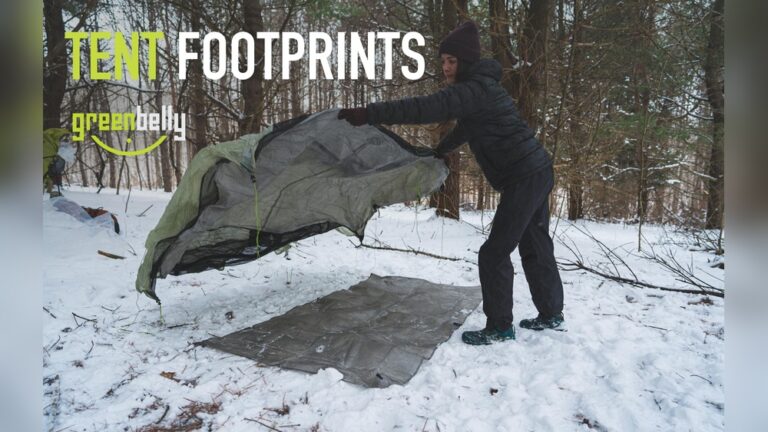
Winter camping requires tough footprints to handle snow and ice. Look for footprints with reinforced corners and heavy-duty fabric. Waterproof and abrasion-resistant materials keep moisture out. The footprint should provide a barrier against cold ground. It must fit tightly to prevent wind from lifting it. Footprints designed for harsh conditions often have extra layers. They add warmth and protect your tent floor from sharp ice.
Credit: www.rei.com
Using Footprints Effectively
Using a tent footprint effectively can extend your tent’s life and improve your camping comfort. It acts as a protective barrier between your tent floor and the ground. This layer helps prevent tears, punctures, and dirt from reaching your tent fabric.
Proper use of footprints also keeps moisture away and adds extra insulation. Knowing how to set up, clean, and store your footprint will ensure it performs well on every trip.
Proper Setup Tips
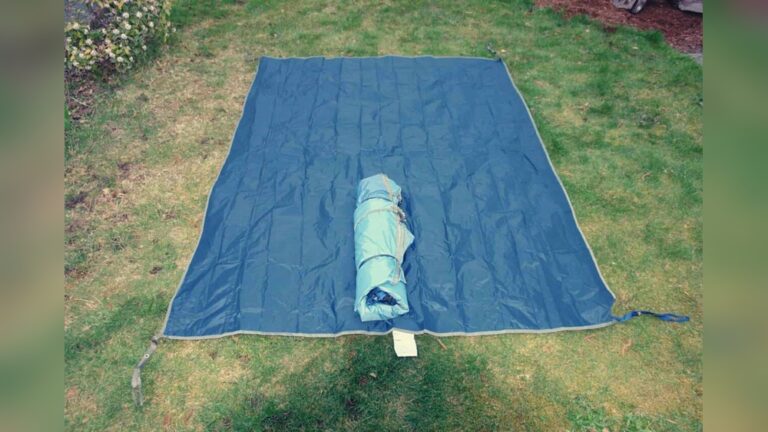
Choose a footprint that matches your tent size closely. It should be slightly smaller to avoid water pooling underneath. Lay it flat on the ground before pitching your tent. Avoid wrinkles that can cause discomfort.
Secure the footprint with stakes or rocks to keep it in place. Make sure it covers the entire tent floor area. Avoid letting it extend beyond the tent edges to prevent rain from collecting under your tent.
Maintenance And Cleaning
After each trip, shake off dirt and debris from the footprint. Use a soft brush or cloth to clean stubborn spots. Wash with mild soap and water if needed. Avoid harsh detergents that damage the material.
Let the footprint air dry fully before storing. Do not fold or store it while wet. This prevents mold and mildew growth. Regular cleaning keeps the footprint durable and ready for your next adventure.
Storage And Transport
Fold the footprint neatly to save space in your backpack. Use a dry bag or protective pouch to keep it clean. Store it in a cool, dry place away from direct sunlight. Avoid sharp objects that could cause holes.
Transport your footprint separately from heavy gear to prevent damage. Keeping it clean and protected ensures it lasts through many camping seasons.
Alternatives To Tent Footprints
Choosing a tent footprint is essential for protecting your tent floor. Sometimes, campers want to try other options. Alternatives to tent footprints offer different ways to shield your tent from rough ground. These choices can save weight and money. They also provide flexibility for various camping situations.
Tarp Usage
Using a tarp under your tent is a common alternative. Tarps come in many sizes and materials. They offer good protection from moisture and sharp objects. Make sure the tarp is slightly smaller than the tent floor. This prevents water from collecting under the tent. Tarps are lightweight and easy to pack. They can also be used for shelter or ground cover elsewhere.
Groundsheet Options
Groundsheets are another option to protect your tent. They are usually made from heavy-duty plastic or fabric. Groundsheets provide a barrier against dirt and moisture. Cut a groundsheet to match your tent’s shape. Some campers reuse old plastic sheets as groundsheets. They are affordable and widely available. Groundsheets can be less durable but still offer good protection.
Going Without A Footprint
Some campers choose to use no footprint at all. This option works best on soft, clean ground. Avoid sharp rocks, sticks, or rough surfaces. Without a footprint, your tent floor may wear faster. Frequent cleaning and care are needed to keep it in good shape. Going without a footprint reduces weight and pack size. This choice suits short trips or mild weather conditions.
Credit: hot-tent.com
Frequently Asked Questions
What Is A Tent Footprint Used For?
A tent footprint protects your tent floor from abrasion, moisture, and punctures. It extends your tent’s life and adds an extra waterproof layer underneath.
How To Choose The Right Tent Footprint Size?
Choose a footprint slightly smaller than your tent floor. This prevents water from pooling under the tent and avoids fabric overlap that can collect rainwater.
What Materials Are Best For Tent Footprints?
Look for durable, lightweight materials like ripstop nylon or polyester with waterproof coatings. These materials resist tears and keep moisture out efficiently.
Can I Use A Footprint For Different Tents?
Universal footprints exist but fit imperfectly. For best protection, select a footprint designed specifically for your tent’s model and dimensions.
Conclusion
Choosing the right tent footprint protects your tent’s floor effectively. Focus on size, material, and durability for best results. A footprint slightly smaller than your tent prevents water pooling underneath. Durable materials help resist tears and wear on rough ground.
This simple gear adds comfort and extends your tent’s life. Take time to pick one that fits your tent well. A good footprint makes camping easier and more enjoyable.