How to Choose Ultralight Tent: Ultimate Guide for Backpackers
Choosing the right ultralight tent can transform your outdoor adventures. You want something that’s easy to carry, quick to set up, and tough enough to protect you from the elements.
But with so many options out there, how do you know which tent fits your needs perfectly? This guide will help you cut through the noise and find the ultralight tent that matches your style, budget, and trip demands. Keep reading to discover simple tips that make choosing your next tent a breeze—and ensure your next trip is comfortable, safe, and unforgettable.

Credit: www.gossamergear.com
Key Features Of Ultralight Tents
Choosing an ultralight tent means focusing on features that reduce weight without sacrificing comfort. Understanding key tent features helps you find the best fit for your adventures. Each factor plays a vital role in your camping experience.
Material Types And Benefits
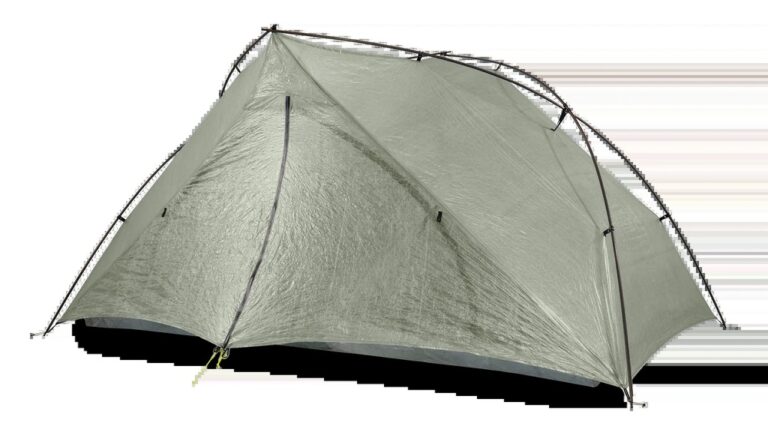
Ultralight tents use materials that are strong yet light. Nylon is common for its durability and weight balance. Polyester resists stretching and sun damage well. Dyneema Composite Fabric (DCF) offers the best strength-to-weight ratio. DCF tents resist water and tears but cost more. Pick a material that suits your budget and trip needs.
Weight Considerations
Weight is the main reason to choose an ultralight tent. Most weigh between one and three pounds. Lighter tents save energy and make hiking easier. Consider the total weight including stakes and poles. Remember, ultralight tents often need extra care to avoid damage.
Tent Capacity And Size
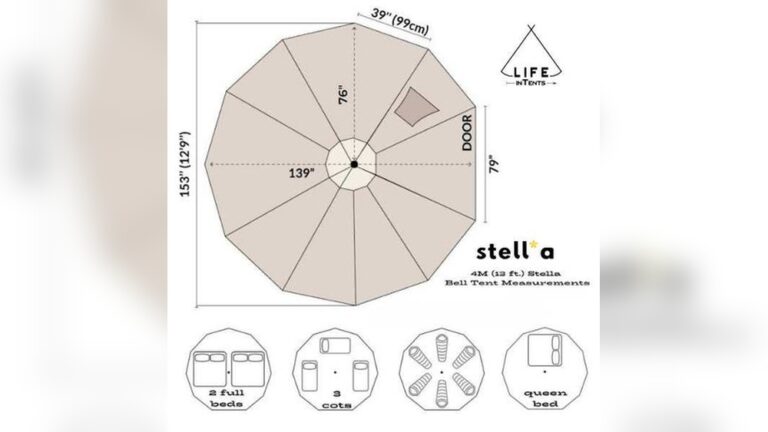
Choose a tent size based on the number of users. One-person tents are compact and light. Two-person tents offer more space but weigh slightly more. Think about gear storage inside the tent. A bit more room improves comfort during longer trips.
Seasonality And Weather Resistance
Seasonal ratings tell you which weather the tent can handle. Three-season tents work well in spring, summer, and fall. They protect against rain and moderate wind. Four-season tents resist snow and strong winds better. Check rainfly coverage and ventilation for comfort and dryness.
Types Of Ultralight Tents
Choosing the right ultralight tent starts with understanding the types available. Each type offers different features that affect weight, setup, and protection. Knowing these can help you pick a tent that suits your adventure needs. Below are the main categories to consider.
Freestanding Vs Non-freestanding
Freestanding tents stand up on their own without stakes. They are easy to move and set up on hard ground. Non-freestanding tents need stakes and guylines for support. They use less material and weigh less but require good ground for staking.
Single-wall Vs Double-wall Designs
Single-wall tents use one layer of fabric for shelter. They are lighter and simpler but can cause condensation inside. Double-wall tents have an inner mesh and an outer rainfly. They offer better ventilation and weather protection but weigh more.
Tents Vs Tarps And Shelters
Tents provide full coverage with walls and floors. They protect well from bugs and weather. Tarps and shelters are open and very light. They offer less protection but give more space and flexibility. Ideal for fair weather or experienced campers.
Choosing The Right Tent For Your Trip
Choosing the right ultralight tent shapes your trip experience. The tent must fit your travel style and environment. A good match improves comfort and safety. It also makes carrying gear easier. Focus on terrain, weather, and ease of use. Weight matters, but comfort cannot be ignored.
Matching Tent To Terrain And Climate
Pick a tent made for the environment you visit. Mountains need strong wind resistance. Wet areas require waterproof fabrics. Hot climates need good ventilation. Check if snow load is a factor. Some tents have sturdier poles for rough terrain. Think about the season and typical weather. Avoid using summer tents in winter conditions.
Balancing Comfort And Weight
Light tents reduce your load but may lack space. Comfort means enough room to move inside. Consider your height and gear storage needs. Ultralight tents often trade space for weight. Find a model that feels roomy but stays light. Check the floor size and headroom. Ensure it suits your personal comfort preferences.
Setup And Ease Of Use
Choose a tent that is easy to set up alone. Complex designs can slow down your camp setup. Freestanding tents offer quick pitching on hard ground. Some ultralight tents need trekking poles. Practice pitching before the trip. A simple design saves time and effort. Quick setup is vital in bad weather or low light.

Credit: sectionhiker.com
Popular Ultralight Tent Fabrics
Choosing the right fabric is key for an ultralight tent. The fabric affects weight, durability, and weather resistance. Different materials offer unique benefits and drawbacks. Knowing popular ultralight tent fabrics helps you make a smart choice for your adventures.
Nylon Variants
Nylon is the most common fabric for ultralight tents. It is lightweight and strong. Different types of nylon, like ripstop nylon, resist tearing better. Nylon tents dry fast and pack small. They perform well in most weather but can stretch when wet. A silicone or polyurethane coating adds water resistance.
Polyester Options
Polyester is less common but still popular. It resists stretching and shrinking better than nylon. Polyester handles UV light well, so it lasts longer in the sun. The fabric is a bit heavier but more durable. Polyester tents often have a polyurethane coating to repel water. This fabric is a good choice for sunny, wet climates.
Dyneema Composite Fabric (dcf)
Dyneema Composite Fabric, or DCF, is a high-end ultralight material. It is very strong and extremely light. DCF does not absorb water and dries quickly. It resists UV damage better than nylon or polyester. This fabric costs more but reduces tent weight significantly. Many ultralight hikers prefer DCF for long trips.
Budget-friendly Ultralight Options
Finding an ultralight tent that fits a tight budget can seem hard. Many ultralight tents cost a lot. Still, there are smart ways to get a reliable and light shelter without spending too much. This section explores budget-friendly ultralight options that balance weight, quality, and price. These choices help beginners and experienced hikers save money while staying light on the trail.
Affordable Brands And Models
Several brands offer ultralight tents at lower prices. Look for models made with durable but less costly materials. Brands like Naturehike, Six Moon Designs, and REI Co-op provide tents weighing under three pounds. These tents often use polyester or nylon fabrics that keep weight down without raising costs. Simple designs also lower the price. Choose tents with fewer poles or a single-wall setup to save money and weight.
These affordable tents work well for fair weather or short trips. They may lack some advanced features of pricier models but still protect from rain and wind. Reading user reviews helps find tents with good durability and comfort. Many budget ultralight tents pack small, making them easy to carry on long hikes.
Second-hand And Cottage Industry Tents
Buying second-hand ultralight tents offers big savings. Many hikers sell tents in excellent condition for half the retail price. Check outdoor gear marketplaces and local thrift shops. Inspect the tent for tears, broken poles, or missing parts before buying. This option lets you get a quality tent at a fraction of the cost.
Cottage industry tents come from small makers focused on ultralight gear. These tents often use lightweight fabrics and custom designs. Prices can be lower than major brands but quality stays high. Many cottage makers offer repair services or custom options. Supporting these small businesses can also mean better customer service and unique features not found in mass-produced tents.

Credit: www.garagegrowngear.com
Essential Accessories And Gear
Choosing the right ultralight tent involves more than just the tent body. Essential accessories and gear play a vital role in your camping experience. These items help secure the tent and improve its performance. They also keep your pack light and your setup easy. Understanding the key accessories ensures you get the most from your ultralight tent.
Stakes, Poles, And Guy Lines
Stakes hold your tent firmly in the ground. Look for lightweight but strong materials like aluminum or titanium. These stakes resist bending and rust. Poles support the tent structure. Ultralight tents often use trekking poles as supports to save weight. Choose poles that are durable and easy to adjust. Guy lines add extra stability. They prevent your tent from swaying in strong winds. Use reflective guy lines to avoid tripping at night.
Packing And Storage Tips
Proper packing keeps your tent and gear safe and organized. Use a stuff sack to compress your tent tightly. This saves space in your backpack. Store stakes and poles in separate small bags to avoid tangling. Dry your tent completely before packing to prevent mold. Keep all accessories together so you won’t lose anything on the trail.
Maintenance And Longevity
Proper maintenance extends the life of your ultralight tent. It keeps fabric strong and hardware working well. Careful handling helps avoid damage and costly repairs. This section covers key tips for cleaning, repairing, and storing your tent. Follow these simple steps to protect your investment and enjoy many trips ahead.
Cleaning And Repairs
Clean your tent after every trip. Use a soft brush to remove dirt and dust. Wash with mild soap and cold water only. Avoid harsh chemicals that can weaken the fabric. Let it air dry completely before packing. Check for small tears or holes regularly. Patch any damage quickly with repair tape or patches. Tighten loose zippers and replace broken parts. These small fixes prevent bigger problems later.
Storage Best Practices
Store your tent in a cool, dry place. Avoid leaving it in direct sunlight or damp areas. Keep it loosely folded or rolled to prevent creases. Use a breathable storage bag, not a plastic one. Long-term compression can harm the fabric’s waterproof coating. Air your tent occasionally to stop mildew growth. Proper storage preserves the tent’s shape and strength over time.
User Tips And Common Mistakes
Choosing an ultralight tent means more than just picking a lightweight model. Users often face challenges during use that can be solved with practical tips. Knowing common mistakes helps avoid frustration on the trail. This section shares useful advice to improve your camping experience and keep your gear reliable.
Setting Up In Different Conditions
Ultralight tents need careful setup in various weather and terrain. Soft soil requires longer stakes for stability. Rocky ground might need extra guylines or rocks to hold the tent down. In windy areas, pitch the tent low and angle it to reduce wind resistance. Rain demands tight rainfly tension to avoid leaks. Practice pitching your tent at home in different ways. This builds confidence and speeds up setup outdoors.
Avoiding Overpacking
Packing too many items can add unnecessary weight and bulk. Choose only essential gear for your trip length and weather. Avoid carrying heavy extras like large cooking sets or multiple shoes. Keep your tent accessories minimal—extra stakes or poles add weight without much benefit. Use a checklist to pack smart and prevent carrying items you don’t need. A lighter pack makes hiking easier and reduces fatigue.
Frequently Asked Questions
What Fabric Is Best For An Ultralight Tent?
Nylon is common, but polyester and DCF offer better durability and weight savings. Choose fabric based on weather and weight preferences for optimal performance.
How To Determine The Right Tent Capacity?
Select a tent capacity that fits your group size plus extra space for gear. A 1-2 person tent suits solo or duo hikers comfortably without extra bulk.
What Is The Importance Of Tent Seasonality?
Seasonality indicates a tent’s ability to handle weather conditions. Three-season tents are versatile, while four-season tents offer more protection in harsh environments.
Are Freestanding Tents Better For Ultralight Backpacking?
Non-freestanding tents are usually lighter but need trekking poles. Freestanding tents offer easier setup but tend to weigh more. Choose based on your priorities.
Conclusion
Choosing the right ultralight tent takes careful thought and planning. Focus on weight, size, and durability to fit your needs. Consider the materials and how easy the tent is to set up. Think about the weather and terrain you will face.
A good tent balances comfort with lightness for better hiking. Test your tent before long trips to avoid surprises. With these tips, your next adventure will be safer and more enjoyable. Keep your gear simple and reliable for the best experience.