How to Pack With Backpacking Tent: Ultimate Guide for Lightweight Travel
Packing your backpacking tent the right way can make or break your outdoor adventure. Imagine struggling to fit your tent into your pack after a long day of hiking, or worse, damaging it because you packed it carelessly.
You don’t want that. Whether you’re a seasoned hiker or just starting out, learning how to pack your tent efficiently saves space, protects your gear, and keeps your backpack balanced. In this guide, you’ll discover simple, proven tips to pack your backpacking tent like a pro—so you can focus on enjoying your trip without extra hassle.
Ready to master the art of packing your tent? Let’s dive in!
Choosing Your Tent
Choosing the right tent is key for a smooth backpacking trip. Your tent will protect you from weather and insects. It must be easy to carry and set up. Many factors affect your choice. Think about size, weight, and the type of weather you will face. A good tent keeps you safe and comfortable on the trail.
Types Of Backpacking Tents
Backpacking tents come in several styles. The most common are dome, tunnel, and freestanding tents. Dome tents offer good stability and space. Tunnel tents are light and provide more room inside. Freestanding tents stand without stakes, which helps on rocky ground. Choose a style that fits your needs and camping spots.
Weight And Durability
Weight matters on long hikes. Heavy tents tire you out faster. Look for tents made from lightweight materials like nylon or polyester. Check the tent poles too. Aluminum poles are light and strong. Durability is important for rough weather. A strong tent lasts many trips and protects well.
Seasonal Considerations
Choose a tent based on the season. Three-season tents work well in spring, summer, and fall. They handle rain and light snow. Four-season tents are for winter and harsh conditions. They have stronger poles and thicker fabric. Consider ventilation too. Good airflow stops moisture and keeps you comfortable.

Credit: www.pwmachineservices.com
Preparing Your Tent
Preparing your tent is a key step before packing it for backpacking. Proper preparation keeps your tent in good shape and makes packing easier. It also helps save space in your backpack. Follow these simple steps to get your tent ready for the trail.
Cleaning And Drying
Always clean your tent before packing it away. Remove dirt, leaves, and bugs gently with a soft brush or cloth. Avoid using harsh chemicals. Dry your tent completely to stop mold and mildew from growing. Set it up or hang it in a sunny, airy spot. Never pack a wet tent; it can cause damage and smell.
Rolling Vs Stuffing
Rolling your tent keeps it neat and can save space. Start by folding the tent flat and rolling it tightly from one end. Stuffing the tent into its bag is faster but can cause wrinkles and stress on fabric. Choose the method that fits your pack and personal preference. Both ways work if done carefully.
Organizing Tent Components
Keep tent parts separated to avoid damage and loss. Store stakes, poles, and rainfly in separate bags or compartments. Use small stuff sacks or mesh bags for organization. Label bags if needed to find items quickly. A well-organized tent pack saves time at camp and protects your gear.
Packing Techniques
Packing your backpacking tent correctly saves space and keeps gear safe. Using smart packing techniques makes your hike easier and more comfortable. Organize the tent and its parts carefully to fit your backpack well.
Distribute the weight evenly. Protect the tent fabric and poles from damage. Use every part of your backpack efficiently for better balance.
Inside The Backpack
Start by packing the tent inside the main compartment. Roll the tent tightly to remove air and reduce bulk. Place it near the center of your pack for balance. Put heavier items close to your back to improve stability. Use a waterproof bag or stuff sack to keep the tent dry inside.
Using Side Pockets
Side pockets are perfect for small tent components like stakes and guylines. Keep these parts separate so you can find them quickly. Use mesh pockets for ventilation and easy access. Avoid overstuffing side pockets to maintain easy opening and closing. Label or organize stakes in small bags to prevent loss.
Strapping On The Outside
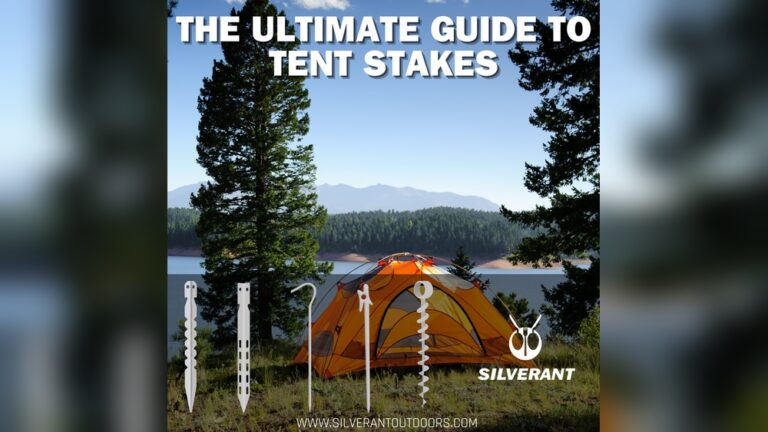
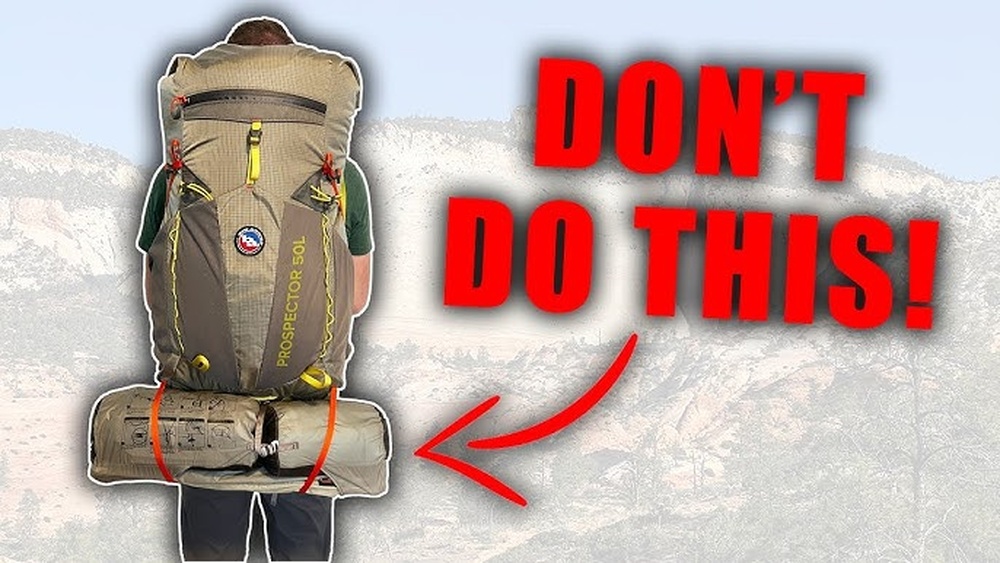
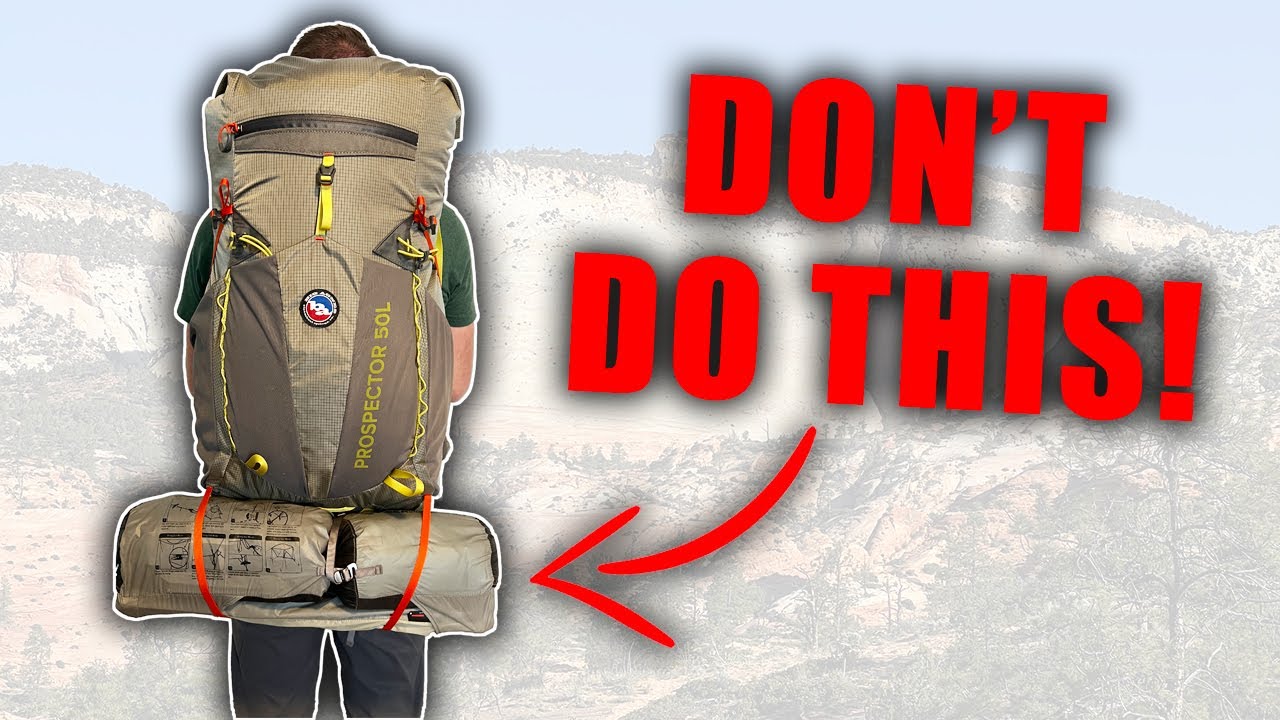
Strap bulky items like the tent poles outside your pack. Use compression straps to secure the tent tightly. This frees up space inside your backpack. Place poles horizontally or vertically depending on your pack design. Make sure the tent is fastened firmly to avoid noise and damage while walking.
Using Compression Sacks
Packing a backpacking tent efficiently saves space and makes your hike easier. Compression sacks help reduce the size of your tent. These sacks squeeze out air and pack the tent tightly. This method keeps your gear compact and organized. Using compression sacks is simple and very effective for backpackers.
Benefits Of Compression
Compression sacks shrink your tent to a small, manageable size. They protect the tent from dirt and moisture. These sacks make your backpack lighter and more balanced. Less space taken means room for other essential items. They also make it easier to carry your tent on long hikes.
How To Compress Efficiently
First, dry your tent completely before packing. Fold or roll the tent neatly to remove wrinkles. Place the tent inside the compression sack. Tighten the straps slowly, pressing out trapped air. Keep the sack flat to avoid bulges. Check the sack’s size to fit your backpack easily. Practice makes it quicker and smoother each time.
Balancing Your Load
Packing your backpacking tent requires careful attention to balance. A well-balanced pack makes hiking easier and safer. It helps prevent back pain and keeps you stable on uneven trails.
Distribute weight evenly across your pack. Avoid putting too much weight on one side or the top. Proper balance improves comfort and control during your trek.
Weight Distribution Tips
Place heavy items close to your back and centered. This keeps your center of gravity stable. Your tent usually fits best near the middle or bottom of the pack. It adds weight but should not cause imbalance.
Keep lighter gear toward the outside and top of your pack. Use side pockets for small, light items. This arrangement reduces strain and improves your posture.
Keeping Accessibility In Mind
Pack items you need often in easy-to-reach spots. Your tent stakes and rainfly should be quickly accessible. Store them in external pockets or near the top of your pack.
Think about how you will set up camp. Place your sleeping bag and pad where you can reach them fast. This saves time and effort after a long day on the trail.
Credit: www.youtube.com
Protecting Your Tent
Protecting your tent during backpacking trips keeps it in good condition for many adventures. A well-maintained tent offers shelter, comfort, and safety. Taking simple steps to shield your tent from water and damage saves money and effort later. Careful packing and preventive measures improve your camping experience.
Waterproofing Strategies
Waterproofing your tent prevents leaks and keeps you dry. Use a waterproof spray on the tent fabric before your trip. Pay attention to seams and zippers by applying seam sealer. Carry a rainfly and tarp for extra protection from heavy rain. Always set up your tent on dry, elevated ground to avoid water pooling underneath.
Avoiding Damage On The Trail
Protect your tent from tears and punctures by packing it carefully. Store the tent in a padded stuff sack to cushion it from rocks and branches. Avoid placing heavy items on top of your tent inside the backpack. Clean dirt and debris off the tent before packing to prevent fabric abrasion. Handle tent poles gently and check for broken pieces before and after hiking.
Ultralight Packing Tips
Packing light is key for a comfortable backpacking trip with a tent. Ultralight packing helps reduce strain on your back. It makes hiking easier and faster. Focus on smart choices for gear and weight. Every ounce counts when you carry your shelter all day.
Choosing Lightweight Gear
Select gear made from light materials like aluminum or titanium. Use a tent designed for backpacking, not car camping. Look for compact, low-weight tents with fewer poles. Choose a sleeping bag and pad that are warm but light. Avoid extra features that add weight without much use.
Minimizing Pack Weight
Pack only what you really need. Cut down on clothes and food weight. Share gear with your hiking partners to split heavy items. Use smaller containers for food and toiletries. Store your tent and stakes in external pockets for easy access. Compress your sleeping bag to save space and weight.

Credit: explorenborgen.com
Packing For Different Conditions
Packing a backpacking tent changes with weather conditions. Each condition needs special care. Proper packing keeps your gear safe and ready. It also makes your hike easier and more comfortable. Focus on the weather you expect. Adjust your packing style to fit those needs. Below are tips for packing in wet and cold weather.
Wet Weather Packing
Keep your tent dry to avoid damage and mildew. Use a waterproof stuff sack or dry bag for your tent. Pack the rainfly separately to keep it accessible. Store tent stakes and poles in a separate, sealed bag. Put your tent at the top or side of your pack for quick access. Carry a small repair kit with seam sealer and patches. Avoid packing wet gear inside your tent bag. Use plastic bags to separate wet clothes or items. Make sure your backpack has a rain cover to protect all gear. Check all zippers and seams before heading out.
Cold Weather Considerations
Cold weather demands extra protection for your tent and gear. Pack a four-season tent or one rated for cold weather. Add a footprint or groundsheet to reduce cold from the ground. Store your tent in a dry place inside your pack to avoid freezing. Use insulated stuff sacks to keep your tent and sleeping bag warm. Carry extra guy lines and stakes for snow or ice. Pack your tent components tightly to prevent damage from cold winds. Keep your tent poles in a warm pocket to avoid brittleness. Bring a small heat pack for emergencies but keep it away from fabric. Plan your packing to balance weight and warmth efficiently.
Common Mistakes To Avoid
Packing a backpacking tent can be tricky. Many hikers make avoidable errors that cause frustration on the trail. Learning about common mistakes helps you pack smarter. Your trip becomes easier and more enjoyable. Avoiding these pitfalls keeps your gear organized and your back comfortable.
Overpacking
Carrying too much gear slows you down. Overpacking adds unnecessary weight to your backpack. Focus on essentials only. Choose lightweight tent models and minimal accessories. Avoid bringing extra items “just in case.” A lighter load saves energy and improves hiking speed.
Ignoring Pack Balance
Uneven weight causes discomfort and strain. Pack the tent close to your back, near the center. Distribute heavy items evenly on both sides. Place lighter items on top or in outer pockets. Balanced packing reduces fatigue and prevents injury during long hikes.
Improper Tent Storage
Storing your tent incorrectly can damage its materials. Always dry the tent before packing to prevent mold. Use the tent’s storage sack, not the compression bag, for long-term storage. Fold or roll the tent gently to avoid tears. Proper storage extends your tent’s lifespan and reliability.
Frequently Asked Questions
How Do You Pack Your Backpacking Tent?
Pack your backpacking tent by stuffing it loosely to avoid creases. Place the tent body inside your pack, stakes in a side pocket, and the wet fly in a waterproof sack outside. Organize gear to balance weight and protect your tent for easy access and durability.
What Are The Big 3 Items Backpacking?
The big 3 backpacking items are your backpack, shelter (tent or tarp), and sleep system (sleeping bag/quilt with sleeping pad). These essentials carry most weight and impact comfort and fatigue on the trail. Choose lightweight options to reduce overall pack weight effectively.
Is It Better To Roll Or Stuff A Tent?
Stuffing a tent is better than rolling. It reduces creases and stress points, prolonging the tent’s fabric life.
What Are The Big 4 In Backpacking?
The Big 4 in backpacking are backpack, shelter (tent or tarp), sleeping bag or quilt, and sleeping pad. These essentials carry most weight and ensure comfort.
Conclusion
Packing your backpacking tent well saves space and effort on the trail. Keep your tent components organized and dry. Place stakes and poles in separate pockets for easy access. Roll or stuff your tent carefully to prevent damage. A well-packed tent makes setup faster and camping more enjoyable.
Practice packing before your trip to find what works best. Simple habits lead to smoother, lighter backpacking adventures. Stay prepared and enjoy your time outdoors with ease.