How to Pack With Hammock Straps: Ultimate Space-Saving Tips
Ready to take your hammock camping to the next level? Knowing how to pack with hammock straps can make your outdoor experience smoother and more organized.
Whether you’re heading out for a quick day trip or a multi-day adventure, mastering this simple skill helps you keep your gear secure and accessible. In this guide, you’ll discover easy, practical tips that save space, protect your belongings, and keep your setup clean.
Keep reading, and you’ll be packing like a pro in no time!

Credit: casambu.com
Choosing Hammock Straps
Choosing the right hammock straps is crucial for a safe and comfortable setup. The straps connect your hammock to trees or anchors. They must be strong, durable, and easy to use. This section explains the main factors to consider when picking straps for your hammock.
Types Of Straps
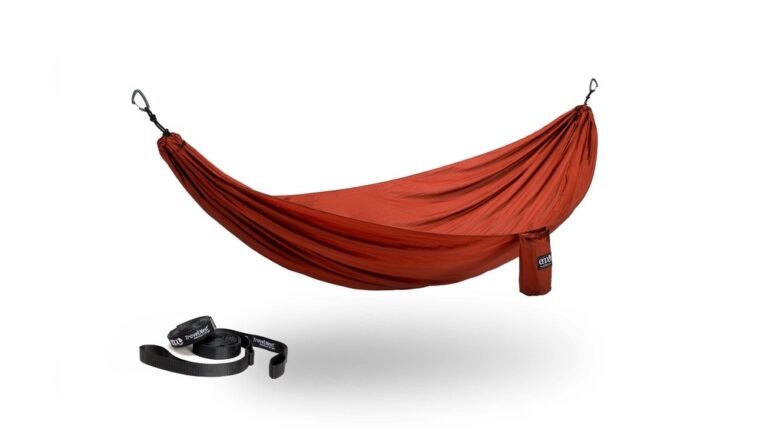
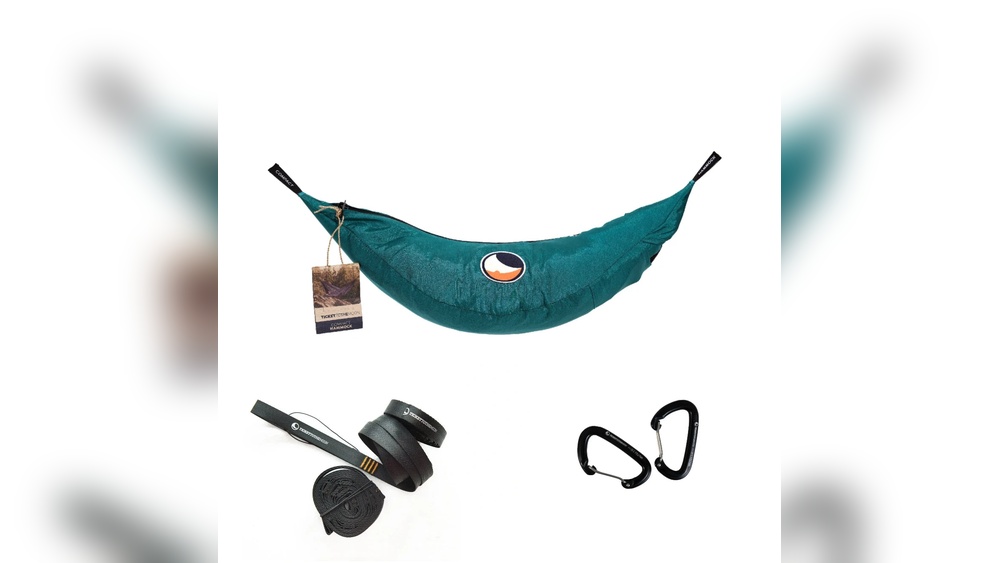
There are several types of hammock straps available. Tree-friendly straps are wide and flat to protect bark. Rope straps are thinner but less gentle on trees. Webbing straps with multiple loops allow easy length adjustment. Choose straps that match your camping style and environment.
Material And Durability
Most hammock straps are made of nylon or polyester. Nylon is strong and elastic but can absorb water. Polyester resists stretching and dries quickly. Look for straps with double stitching for extra strength. Durable materials ensure the straps last through many trips and weather conditions.
Weight Capacity
Check the weight capacity before buying hammock straps. Good straps can hold between 400 to 600 pounds. Always pick straps rated higher than your body weight and gear combined. This safety margin prevents accidents and keeps you secure while relaxing in your hammock.
Preparing Your Gear
Packing with hammock straps requires careful preparation. Proper gear setup ensures a smooth camping experience. Organize your equipment to save space and weight.
Follow clear steps to prepare your gear before heading out. This makes packing faster and keeps essentials accessible. Start by choosing the right items and arranging them efficiently.
Selecting What To Pack
Pick only what you truly need for your trip. Focus on lightweight and compact gear. Include your hammock, straps, sleeping bag, and weather protection. Avoid bulky or heavy items that add extra weight. Think about the duration and weather conditions to guide your choices.
Organizing Essentials
Group similar items together for quick access. Keep your hammock straps and suspension system in one pouch. Place small essentials like a headlamp, knife, and first aid kit in easy-to-reach spots. Use clear bags or labels to identify contents fast. This prevents digging through your pack at the campsite.
Using Compression Bags
Compression bags reduce the volume of bulky items. They work well for sleeping bags and clothing. Compressing gear frees up space for other essentials. Choose durable bags that resist tears and moisture. Seal them tightly to protect your gear from rain and dirt.
Attaching Gear To Straps
Attaching gear to hammock straps helps keep your essentials organized and easy to reach. Proper attachment makes your campsite tidy and your gear secure. Use the straps’ loops and sturdy design to hold items without extra weight on your back. This section explains simple ways to attach gear safely and efficiently.
Using Carabiners
Carabiners are perfect for quick and secure attachment. Clip your gear to the hammock straps using a carabiner. This method allows fast access to items like water bottles, shoes, or lanterns. Choose lightweight, strong carabiners to avoid adding bulk. Always check that the carabiner gate is fully closed to prevent gear loss.
Hanging Backpacks
Hammock straps can support your backpack off the ground. Hang your backpack by its loops or handles using a carabiner or strap knot. This keeps your pack clean and dry while freeing space in your hammock. Make sure the backpack is balanced and does not swing too much, which can cause discomfort or damage.
Securing Smaller Items
Small items like keys, flashlights, or snacks can easily get lost. Use small pouches or mesh bags attached to the hammock straps for these. Tie them tightly or clip with mini carabiners to avoid dropping. Organizing smaller gear this way helps keep everything visible and accessible.

Credit: www.amazon.com
Space-saving Techniques
Packing hammock straps efficiently saves space and makes carrying easier. Space-saving techniques help keep your gear organized and compact. Use simple methods to reduce bulk and fit everything neatly in your pack. These tips work well for short hikes and long trips alike.
Rolling Vs Folding
Rolling hammock straps takes less space than folding. Roll straps tightly to avoid loose ends. Rolling prevents wrinkles and tangles. Folding creates thicker bundles that are harder to pack. Roll your straps before placing them in your bag for a slim shape.
Utilizing Strap Loops
Strap loops serve as handy attachment points. Use loops to clip small items like carabiners or keys. Thread straps through loops to keep them secure and organized. Loops reduce clutter by bundling loose ends. This technique keeps your pack tidy and efficient.
Layering Items Efficiently
Layer straps with other gear to save space. Place straps between soft items like clothes or sleeping bags. Layering prevents shifting and compresses your load. Use hammock straps as a cushion or divider inside your pack. Organized layering maximizes space and protects your gear.
Setting Up Hammock Suspension
Setting up hammock suspension is a key step in packing with hammock straps. It ensures comfort and safety while you relax outdoors. Proper setup prevents slipping and protects trees.
Follow simple steps to secure your hammock correctly. This guide helps you understand strap placement, tension adjustment, and tree care.
Proper Strap Placement
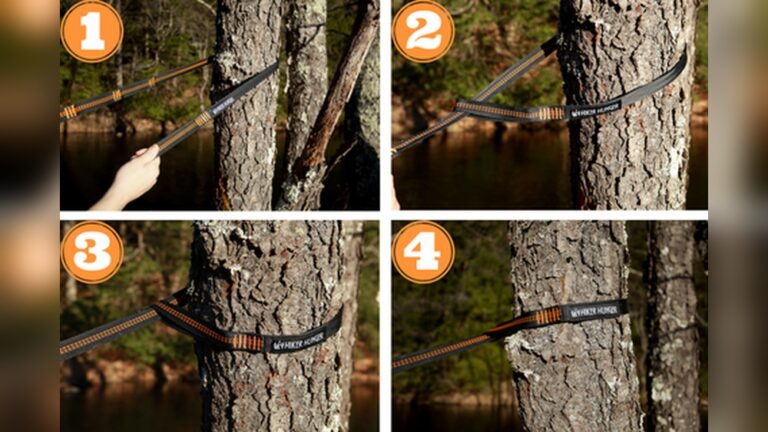
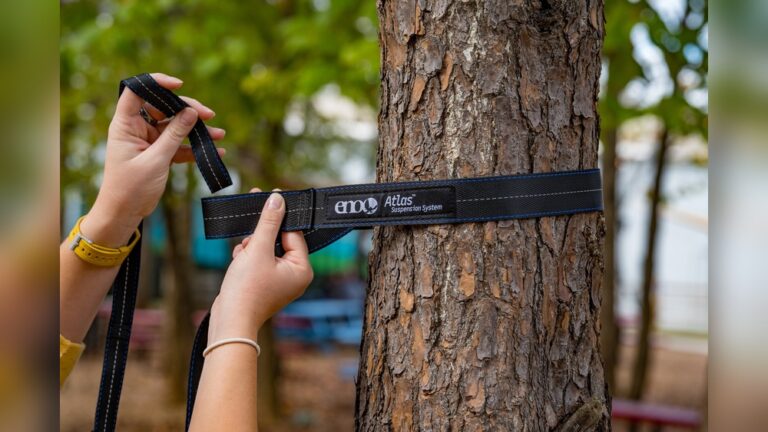
Wrap the straps around sturdy trees about 6 to 8 feet high. Make sure the straps are flat and not twisted. Position the straps evenly to balance weight. Attach your hammock hooks or carabiners to the loops on the straps. This setup holds your hammock steady and safe.
Adjusting Tension
Tighten the straps until your hammock hangs with a gentle curve. Aim for about a 30-degree angle from the tree to the hammock. Too tight makes it uncomfortable and too loose causes sagging. Adjust slowly and test by sitting before lying down. Proper tension offers the best support and comfort.
Avoiding Tree Damage
Use wide straps to spread the load on the tree bark. Avoid thin ropes that can cut into the tree. Choose trees with thick bark and healthy trunks. Check straps regularly to avoid slipping or damage. Respect nature by leaving no marks or wounds on trees.

Credit: www.martinispa.com
Packing For Hammock Camping
Packing for hammock camping requires thoughtful planning to keep your gear safe and accessible. Unlike traditional tent camping, hammock camping means your gear won’t rest on the ground. You need smart ways to store and protect your items from dirt, moisture, and critters. Organizing your gear well also helps you find what you need quickly. Using hammock straps can assist in securing your belongings efficiently. The following tips will guide you through practical methods for packing and storing gear during your hammock camping trips.
Using Tarps For Ground Storage
Tarps create a clean and dry area under your hammock. Spread a tarp on the ground to keep gear off dirt and moisture. It works well for bulky items and cooking supplies. Folding or rolling the tarp makes it easy to carry. Tarps also protect your gear from rain splashes and dew. Choose a tarp size that fits your gear and camping area.
Elevating Gear Off The Ground
Hammock straps can hang your gear above ground level. Use carabiners to clip backpacks, bags, or food containers to the straps. This keeps your items away from bugs and wet ground. Hanging gear also keeps your campsite tidy and organized. Make sure the straps are strong and tied securely. Elevating gear improves safety and convenience during your trip.
Combining Gear Storage Options
Mixing storage methods offers the best results. Use tarps for large or heavy items and hammock straps for smaller, valuable gear. Carry dry bags or stuff sacks to protect sensitive items inside your pack. Arrange your gear so frequently used items stay accessible. Combining options helps balance weight and space. This approach keeps your campsite clean and your gear protected.
Tips For Comfortable Sleeping
Comfort is key when sleeping in a hammock. Using hammock straps correctly helps create a cozy space. A few simple tips improve your sleep quality and reduce discomfort. Focus on how you lie, avoid pressure points, and keep good posture. These steps help you wake up refreshed and pain-free.
Sleeping Diagonally
Lie across your hammock, not straight along it. This technique flattens the hammock and supports your back better. Stretch your body from corner to corner. It reduces the curve that can cause back pain. Sleeping diagonally feels more like a bed. It also stops you from rolling to the side.
Avoiding Pressure Points
Pressure points cause pain and restless nights. Use padding like a sleeping pad or blanket under your body. Adjust your position often to spread weight evenly. Avoid hard edges or knots in the straps pressing against your body. Soft, smooth straps help prevent soreness. Keep your hammock clean and dry to avoid irritation.
Maintaining Posture
Good posture keeps your spine aligned and muscles relaxed. Keep your neck supported with a small pillow or rolled towel. Do not curl your body like a banana. Keep your back straight and hips slightly higher than your head. Check strap tension so the hammock holds your weight evenly. This prevents sinking or sagging in the middle.
Maintaining And Storing Straps
Maintaining and storing hammock straps properly ensures their durability and safety. Good care helps avoid damage and keeps the straps reliable for every adventure. Clean straps stay strong and free from dirt that can weaken fibers.
Storing straps correctly prevents tangling and exposure to harmful elements. Regular inspections catch wear early, preventing accidents during use.
Cleaning Techniques
Use mild soap and warm water to clean hammock straps. Avoid harsh chemicals or bleach, which can damage the fabric. Gently scrub with a soft brush to remove dirt and grime. Rinse thoroughly to remove all soap residues. Let straps air dry completely before storing to prevent mildew.
Proper Storage
Store hammock straps in a cool, dry place away from direct sunlight. Avoid damp or humid areas that cause mold growth. Coil straps loosely to prevent creases or damage. Use a storage bag or container to protect straps from dust and pests. Keep straps separate from sharp objects that might cut them.
Inspecting For Wear
Check straps regularly for fraying, tears, or weak spots. Look closely at stitching and hardware for signs of damage. Replace straps showing significant wear to avoid failure. Small cuts or abrasions can grow stronger under tension. Regular inspection ensures your straps stay safe and ready for use.
Frequently Asked Questions
How To Properly Use Hammock Straps?
Wrap hammock straps around sturdy trees at shoulder height. Secure straps tightly without damaging the bark. Attach carabiners to connect hammock ends to straps. Adjust tension for a comfortable sag in the middle. Check knots and straps before use for safety.
What Do You Do With Your Pack When Hammock Camping?
Hang your pack from a nearby tree or hammock suspension using a carabiner. Alternatively, place it on a tarp or camp chair to keep it clean and accessible. Avoid putting your pack directly on the ground to protect it from moisture and dirt.
Is It Healthy To Sleep In A Hammock Every Night?
Sleeping in a hammock every night can improve sleep quality and relieve pain if hung correctly. Use a proper hammock, lie diagonally, and avoid spreader bars. People with back issues should consult a doctor. Poor posture and discomfort may occur if done improperly.
Where To Put Your Gear When Hammock Camping?
Hang your gear using a carabiner on hammock straps or suspension. Use a tarp underneath for clean ground storage. Alternatively, hang your backpack on a nearby tree or place items on a camp chair for easy access.
Conclusion
Packing with hammock straps can make your outdoor trips easier and more organized. Secure your straps tightly to avoid slipping or damage. Keep your gear compact and balanced for comfort while hiking. Practice packing a few times before your trip to save time later.
Using hammock straps correctly protects your equipment and improves your camping experience. With simple steps, you can travel light and enjoy nature fully. Stay safe, keep it neat, and have fun on your next adventure.