How to Pack With Ultralight Tent: Ultimate Tips for Effortless Travel
You’ve chosen an ultralight tent to keep your backpacking trip easy and efficient. But how you pack it can make all the difference between a smooth hike and a frustrating struggle.
If you cram your tent in without a plan, you risk wasting space, damaging your gear, or throwing off your balance on the trail. Imagine reaching your campsite with everything neatly packed, your tent protected, and your pack comfortable to carry.
In this guide, you’ll discover simple, smart ways to pack your ultralight tent that save space and keep your load balanced. Keep reading, and you’ll learn tips that make every step lighter and every night under the stars more enjoyable.
Choosing Ultralight Tents
Choosing the right ultralight tent is key for a comfortable trip. The tent must be light but strong. It should fit your needs without extra weight. Focus on materials, size, and season use. These factors help you carry less and stay safe.
Materials And Weight
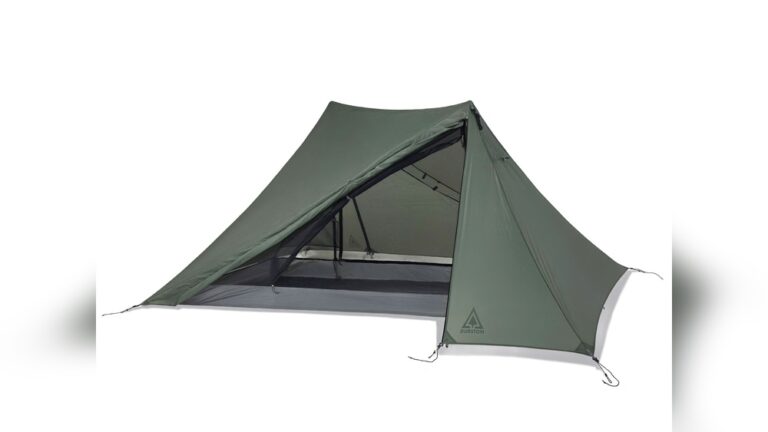
Ultralight tents use special fabrics like nylon or polyester. These materials are thin but tough. Look for tents with waterproof coatings. The poles may be made of aluminum or carbon fiber. These poles are light and strong. Check the total weight before buying. A lighter tent makes hiking easier and faster.
Capacity And Size
Choose a tent size based on your group. A one-person tent is small and light. Two-person tents offer more space but weigh more. Consider your gear and comfort needs. A compact tent saves weight but may feel tight. Bigger tents add comfort but increase pack size. Balance space and weight for your trip.
Season Ratings
Tents have season ratings that show their use. Three-season tents work well in spring, summer, and fall. They handle rain and mild wind. Four-season tents are stronger and warmer. These tents resist snow and heavy wind. Pick a tent that fits the weather you expect. This choice keeps you safe and dry outdoors.
Essential Packing Gear
Packing the right gear is key for a successful trip with an ultralight tent. Choose items that save space and weight. Organize gear to keep essentials handy and balanced.
Focus on compact, multi-use items. Every ounce counts when hiking long distances. Proper packing improves comfort and safety on the trail.
Sleeping Bags And Pads
Select a sleeping bag that is lightweight and compressible. Down bags often weigh less and pack smaller than synthetic ones. Pick a pad that offers comfort but is thin and light. Inflatable pads provide good insulation and pack down small. Roll or stuff bags and pads tightly to minimize space.
Cooking Equipment
Bring a small stove that burns fuel efficiently. A lightweight pot with a lid cuts cooking time and fuel use. Use compact utensils and avoid extra items. Carry only the fuel needed for your trip. Store cooking gear in one bag for quick access. Clean gear after use to prevent smells and bugs.
Clothing And Accessories
Pack clothes made from quick-dry, lightweight materials. Layering helps adapt to changing weather. Bring rain gear that is light and breathable. Choose versatile items like a hat and gloves. Limit extra accessories to reduce weight. Organize clothes in compression sacks to save space.
Packing Strategies
Packing an ultralight tent requires smart strategies to save space and weight. Organizing your gear well improves comfort on the trail. It also protects your tent and other essentials. Use simple methods to keep your pack balanced and dry.
Weight Distribution
Place heavy items close to your back and near the middle of your pack. This helps keep your balance while hiking. Put lighter items on top or in outer pockets for easy access. Avoid putting all weight on one side to prevent strain. Spread weight evenly between both shoulders.
Using Compression Sacks
Compression sacks shrink bulky items like your tent and sleeping bag. They reduce volume and keep gear compact. Tighten the sack straps slowly to avoid damaging the fabric. Use separate sacks for different items to stay organized. This method saves space and makes packing faster.
Waterproofing Techniques
Protect your ultralight tent from moisture by using waterproof bags or liners. Dry bags or trash compactor bags work well as lightweight liners. Seal all openings tightly to keep water out. Store your tent at the top or inside the pack’s dry compartment. This prevents damage and keeps gear dry during wet weather.

Credit: cascadedesigns.com
Organizing Tent Components
Organizing your ultralight tent components saves space and prevents damage. Proper arrangement helps in quick setup and pack-up. Each part of the tent needs its own place for easy access.
Keeping the tent components neat also reduces weight shifts in your pack. This balance makes hiking more comfortable and efficient.
Tent Body Placement
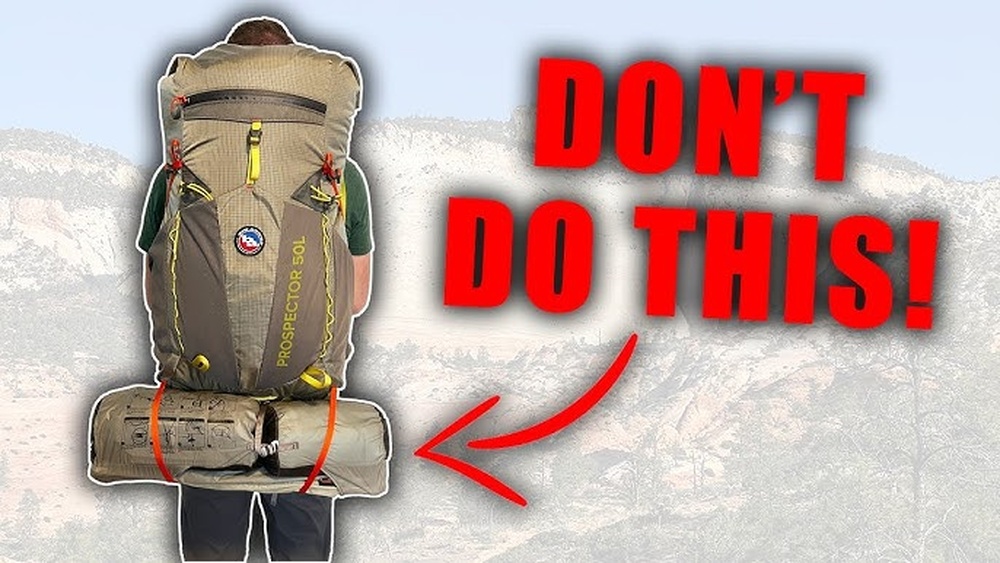
Fold the tent body tightly to minimize volume. Roll it into a compact cylinder to fit inside or outside your pack. Use a waterproof sack to keep it dry and clean. Place it near the center of your pack for balance. Avoid stuffing it into tight spaces that could damage the fabric.
Stakes And Poles Storage
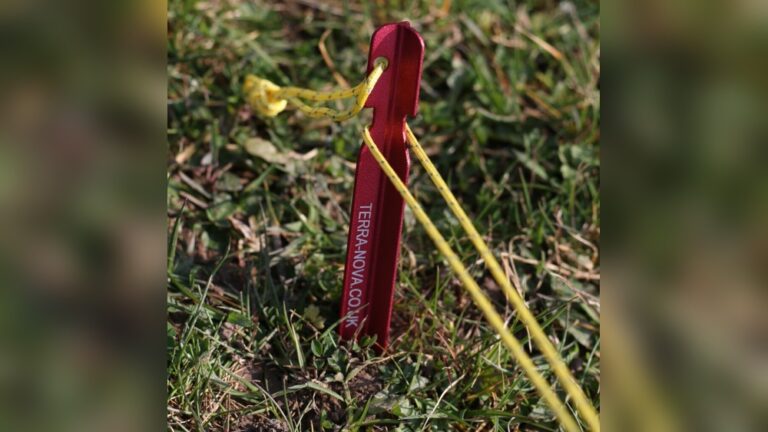
Keep stakes and poles together in a separate pouch. This prevents them from scratching other gear or poking holes. Use a small stuff sack or mesh bag for visibility and ventilation. Store them at the bottom or side of your pack for easy reach. Secure poles with clips or elastic bands to avoid rattling.
Rainfly Packing Tips
Fold the rainfly loosely to avoid creasing the waterproof coating. Store it in a dry bag or separate sack to keep it protected. Place the rainfly on top of the tent body for quick access during rain. Check for any moisture before packing to prevent mildew. Packing it dry extends the life of your ultralight tent.
Backpack Setup
Packing an ultralight tent requires smart backpack setup. A well-organized pack keeps weight balanced and gear protected. It also makes your hike easier and more comfortable.
Start by thinking about how to support your back and arrange heavy and light items. Keep essentials easy to reach. This helps you find things quickly on the trail.
Using Sleeping Pad As Frame
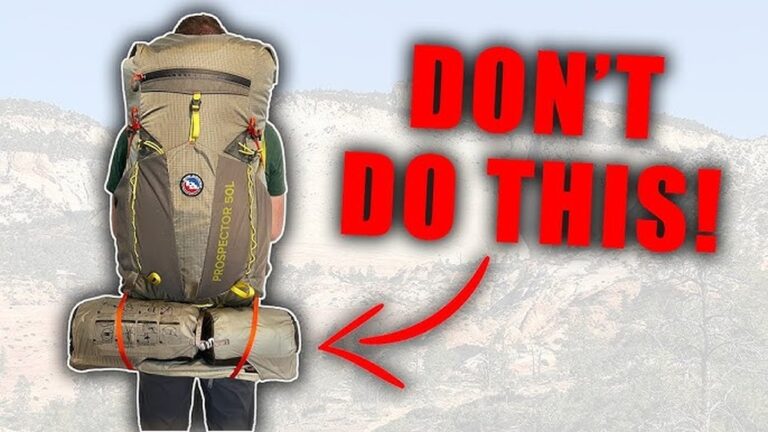
Use your sleeping pad as a frame inside your backpack. Roll or fold it flat against your back panel. This gives extra support and keeps the pack shape steady.
The pad cushions your back from hard gear. It also stops sharp items from poking you. This method saves space and adds comfort.
Placement Of Heavy Items
Place heavy items like food and stove low and close to your back. This lowers your center of gravity. It improves balance and reduces strain on your shoulders.
Keep these items near the middle of the pack. Avoid putting heavy gear at the top or far from your spine. This prevents the pack from pulling you backward.
Easy Access Items Location
Put frequently used items on top or in side pockets. Rain gear, snacks, and maps belong here. This saves time and avoids unpacking everything.
Organize small gear in hip belt pockets. This keeps essentials within reach without taking off your pack. Quick access means you stay ready for changing weather or hunger.
Space Maximization
Packing an ultralight tent efficiently saves space and weight. Space maximization helps you carry more essentials without a bulky pack. Smart packing keeps your backpack organized and balanced. It reduces strain on your shoulders and back during long hikes.
Focus on filling every gap to avoid wasted space. Use layering to compress items tightly. Minimize the number of stuff sacks to keep things simple and compact.
Filling Gaps With Compressible Items
Soft items like clothes and sleeping bags fill empty spaces. They cushion fragile gear and keep everything snug. Roll clothes tightly to reduce volume. Stuff socks or smaller items inside shoes or corners. This method packs your tent and gear tightly, leaving no wasted space.
Layering Techniques
Layering places heavier items at the bottom. Lighter, compressible gear goes on top. This balances your pack and protects fragile items. Use your sleeping pad as a base or frame to stabilize the load. Layer gear by size and shape for a neat, compact pack.
Minimizing Stuff Sacks
Use fewer stuff sacks to save space. Combine items that can share a sack without damage. A single large dry bag can replace multiple small ones. This reduces bulk and weight. A trash compactor bag works well as a lightweight liner. It keeps gear dry and compresses tightly.
Maintaining Balance And Comfort
Packing an ultralight tent requires careful attention to balance and comfort. Carrying your load incorrectly can cause discomfort and strain. Proper packing helps keep your body stable and reduces fatigue.
Organize your gear so the weight feels natural. This approach allows you to move easily and enjoy your hike without pain. Follow these tips to maintain balance and comfort with your ultralight tent.
Keeping Load Close To Back
Place heavy items near your back inside the pack. This placement keeps your center of gravity close to your body. It reduces strain on your shoulders and spine. Items like your tent, stove, and food work well here. Avoid putting heavy gear far from your back. This causes imbalance and wastes energy.
Securing Loose Items
Loose gear can shift while hiking. This movement makes your pack feel unstable. Use compression sacks or straps to secure small items. Keep tent stakes and poles tied together. Store delicate items in soft bags to avoid damage. Secured gear stays in place and keeps your pack compact. A tight load improves comfort and prevents injury.
Adjusting Straps For Stability
Tighten all straps to hold your load firmly. Shoulder straps should be snug but not too tight. Use the hip belt to transfer weight to your hips. Adjust the load lifters to bring the pack closer to your body. Check straps often and tighten if needed. Properly adjusted straps improve your balance. They help your pack move with your body smoothly.

Credit: explorenborgen.com
Quick Access Essentials
Packing an ultralight tent requires smart organization. Quick access essentials keep your hike smooth and safe. These items must be easy to reach without unpacking everything. Prioritize rain gear, snacks, first aid, and electronics. Use pocket organization to keep them tidy and ready.
Rain Gear And Snacks
Rain gear protects you from sudden weather changes. Pack a lightweight rain jacket and rain pants. Store them in an outer pocket or top compartment. This location offers fast reach during a downpour.
Snacks provide energy on the trail. Choose high-calorie, small snacks like nuts, bars, or dried fruit. Keep them in a resealable bag inside your hip pocket. This placement lets you grab a quick bite without stopping.
First Aid And Electronics
First aid items help treat injuries immediately. Pack bandages, antiseptic wipes, and pain relievers in a small, clear pouch. Place it in an easy-to-reach spot near your torso or hip.
Electronics include your phone, GPS, and headlamp. Protect them in waterproof cases or bags. Store them close to your body to prevent damage and allow quick use. Keep spare batteries or power banks nearby for emergencies.
Pocket Organization
Organizing pockets boosts efficiency and reduces stress. Use small pouches or zip-lock bags to separate items. Label each pouch for quick identification.
Assign specific pockets for different essentials. For example, rain gear in one, snacks in another, and first aid in a third. Avoid overloading pockets to keep items accessible and easy to grab.
Tips For Efficient Travel
Packing with an ultralight tent needs smart planning. Efficient travel means carrying less and moving faster. Every item in your pack should have a purpose. Cutting weight helps you enjoy your trip more. Here are key tips for packing light and smart.
Reducing Redundant Gear
Carry only what you truly need. Avoid duplicates of items like knives or cooking tools. One good-quality item can replace several lesser ones. This saves space and weight. Think about what you will use most during your trip. Leave extras at home.
Multi-purpose Equipment
Choose gear that serves more than one function. For example, a bandana can be a towel, sun shield, or pot holder. A trekking pole can double as a tent support. This reduces the total number of items you carry. Fewer items mean less weight and hassle.
Regular Gear Review
Before each trip, check your gear carefully. Remove items you no longer need. Fix or replace damaged equipment. This keeps your pack light and reliable. Regular reviews prevent carrying unnecessary weight. You stay prepared without extra bulk.
Credit: www.outdoorgearlab.com
Frequently Asked Questions
How To Pack An Ultralight Tent?
Roll the ultralight tent tightly after drying. Pack poles and stakes separately in side pockets. Place the tent body in the main compartment. Use a lightweight stuff sack for compactness. Keep the packed tent balanced and secure in your backpack.
How To Pack An Ultralight Pack?
Pack ultralight by placing heavy items low and close to your back for balance. Use your sleeping pad as a back frame. Store frequently used gear in top or hip pockets. Line your pack with a trash compactor bag for waterproofing.
Fill gaps with compressible clothes around harder items.
Is It Better To Roll Or Stuff A Tent?
Stuffing a tent preserves its waterproof coating and prevents damage. Rolling can cause creases and wear. For longer tent life, stuff it loosely into its bag.
How To Pack An Ultralight Sleeping Bag?
Roll your ultralight sleeping bag tightly to remove air. Use a compression sack to minimize volume. Store it in an outer pack pocket for easy access and quick drying. Avoid stuffing it loosely to maintain insulation and prolong its lifespan.
Conclusion
Packing an ultralight tent well saves space and reduces weight. Keep heavy gear close to your back for balance. Place often-used items where you can reach them quickly. Use simple waterproof liners instead of many bags. Fill empty spaces with soft items to avoid shifting.
These small steps make hiking easier and more comfortable. Practice packing before your trip to improve speed. Enjoy your adventure with less burden and more freedom.