How to Prepare for a Hike: Essential Tips for a Safe Adventure
Planning to hit the trails soon? Knowing how to prepare for a hike can make all the difference between an unforgettable adventure and a tough, exhausting day.
You want to enjoy every step, stay safe, and feel confident on the path ahead. That’s why getting your body ready, packing the right gear, and understanding the trail are essential. Keep reading, and you’ll discover simple, practical steps that will help you get ready for your hike—no matter your experience level.
Let’s make sure your next hike is your best one yet.
Credit: www.mountaineers.org
Physical Training
Physical training is key to enjoying a hike safely and comfortably. It prepares your body for the challenges of uneven terrain and long distances. Training helps reduce the risk of injury and improves your overall experience. Focus on exercises that build your heart, muscles, and stamina.
Cardio Exercises
Cardio workouts strengthen your heart and lungs. Try walking, jogging, or cycling for at least 30 minutes daily. These exercises improve oxygen flow and help you hike longer without getting tired. Start slow and increase your pace over time.
Strength Workouts
Strong muscles protect your joints and improve balance. Include squats, lunges, and planks in your routine. These moves build leg and core strength. Use light weights or resistance bands to add challenge. Train your muscles to handle steep climbs and descents.
Backpack Weight Training
Carry a loaded backpack during training walks. Start with a light load and increase weight gradually. This simulates the actual hiking experience. It helps your body adapt to carrying gear and improves posture. Practice walking on uneven surfaces for better results.
Increasing Endurance
Endurance lets you hike longer without fatigue. Combine cardio and strength exercises regularly. Gradually hike longer distances each week. Rest days are important for recovery. Consistency in training builds your hiking stamina steadily.

Credit: sunnyhealthfitness.com
Route Planning
Route planning is a key step to a safe and enjoyable hike. It helps you know where you will go and what to expect. Careful planning reduces risks and makes your adventure smoother. This section covers how to pick trails, use maps and guides, and tell others about your trip.
Choosing Trails
Pick trails that match your skill and fitness level. Consider the distance and elevation change. Check trail difficulty ratings before deciding. Look for trails with clear markers and good reviews. Choose a route that fits your available time. Start with shorter hikes if you are a beginner.
Using Maps And Guides
Carry a detailed map of your hiking area. Use printed maps or download offline versions on your phone. Study the trail before you start walking. Guides provide useful tips and highlight hazards. Learn to read contour lines to understand the terrain. Carry a compass and know basic navigation skills.
Informing Others
Tell a friend or family member about your route. Share your starting time and expected return time. Leave details about the trail name and emergency contacts. Check in when you finish your hike. This step ensures help can find you if needed. It adds peace of mind for you and others.
Packing Essentials
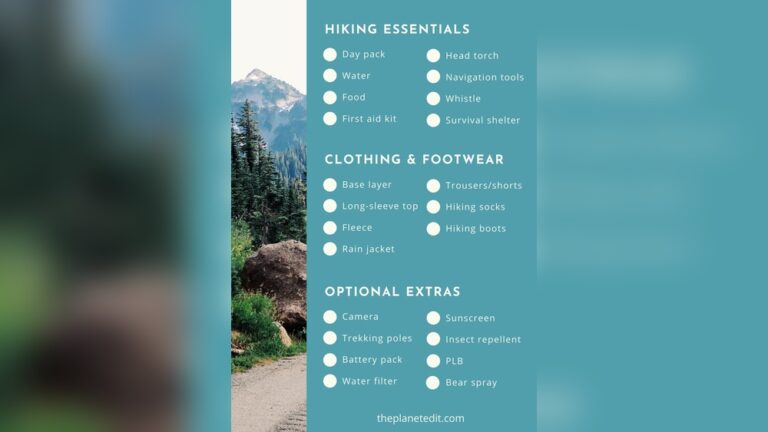
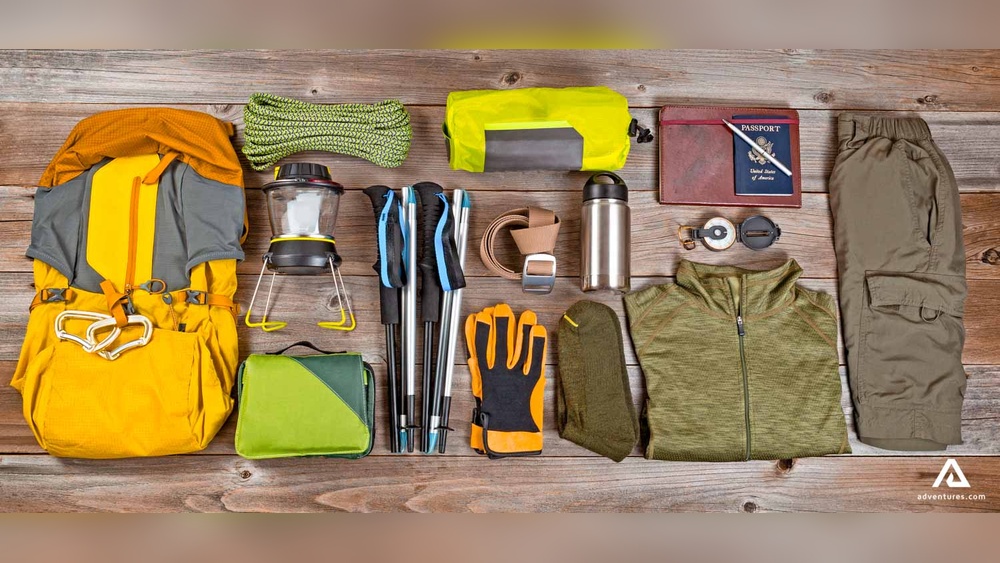
Packing the right items is key to a safe and enjoyable hike. Essentials keep you ready for changes on the trail. They help you stay comfortable and prepared.
Focus on basics that cover hydration, food, navigation, and safety. These items support your energy and health during the hike. Smart packing makes your journey smoother.
Water And Hydration
Carry enough water to last the entire hike. Dehydration can cause tiredness and dizziness. Use a reusable water bottle or hydration pack. Drink regularly, even if you do not feel thirsty. Consider water purification tablets for longer trips.
Food And Snacks
Bring high-energy, easy-to-carry snacks. Nuts, granola bars, and dried fruit are good choices. Small meals help keep your energy steady. Avoid heavy foods that cause sluggishness. Pack enough food for the whole hike plus extra.
Navigation Tools
Always take a map and a compass. A GPS device or smartphone app can help too. Know how to use these tools before your hike. Navigation tools prevent you from getting lost. Keep them accessible and protected from weather.
First-aid Kit
Include bandages, antiseptic wipes, and pain relievers. Add blister treatment and any personal medications. A first-aid kit helps you handle minor injuries. Check and restock your kit before each hike. Safety is crucial on any trail.
Clothing And Footwear
Choosing the right clothing and footwear is key to a comfortable and safe hike. Proper attire protects you from weather and rough terrain. It also helps regulate your body temperature. Preparing your outfit with care makes your hike more enjoyable and less tiring.
Layering Techniques
Layering clothes allows easy adjustment to changing temperatures. Start with a base layer that wicks sweat away from your skin. Add an insulating layer to keep warmth in. Use a waterproof and windproof outer layer to shield from rain and wind. Each layer should fit comfortably over the last. This system keeps you dry and warm throughout the hike.
Weather-appropriate Gear
Check the weather forecast before packing. Choose clothes suited for rain, sun, or cold. Bring a hat and sunglasses for sun protection. Pack gloves and a warm hat for cold hikes. Carry a lightweight rain jacket if rain is possible. Dressing for the weather helps prevent discomfort and illness.
Footwear Selection
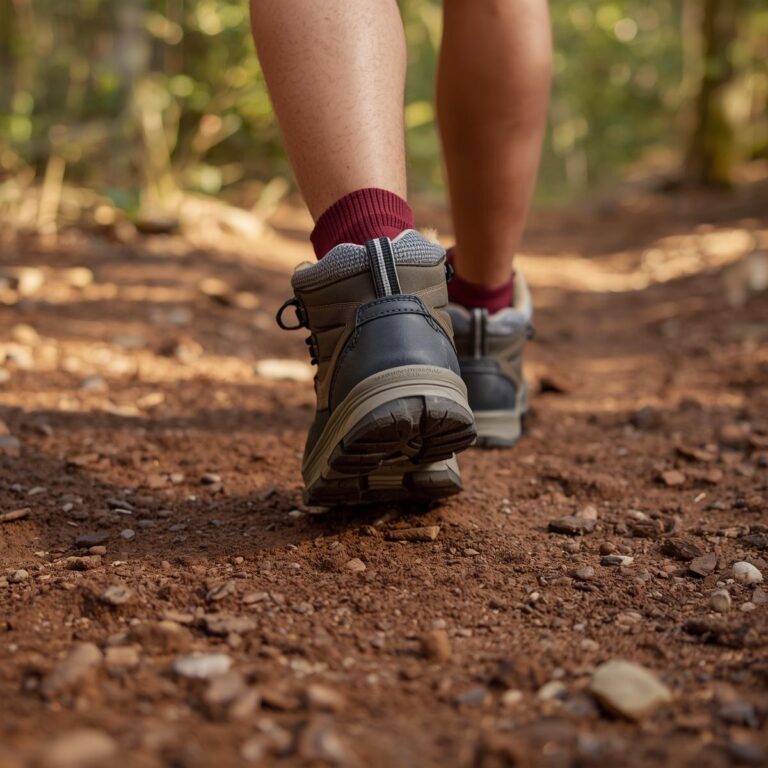
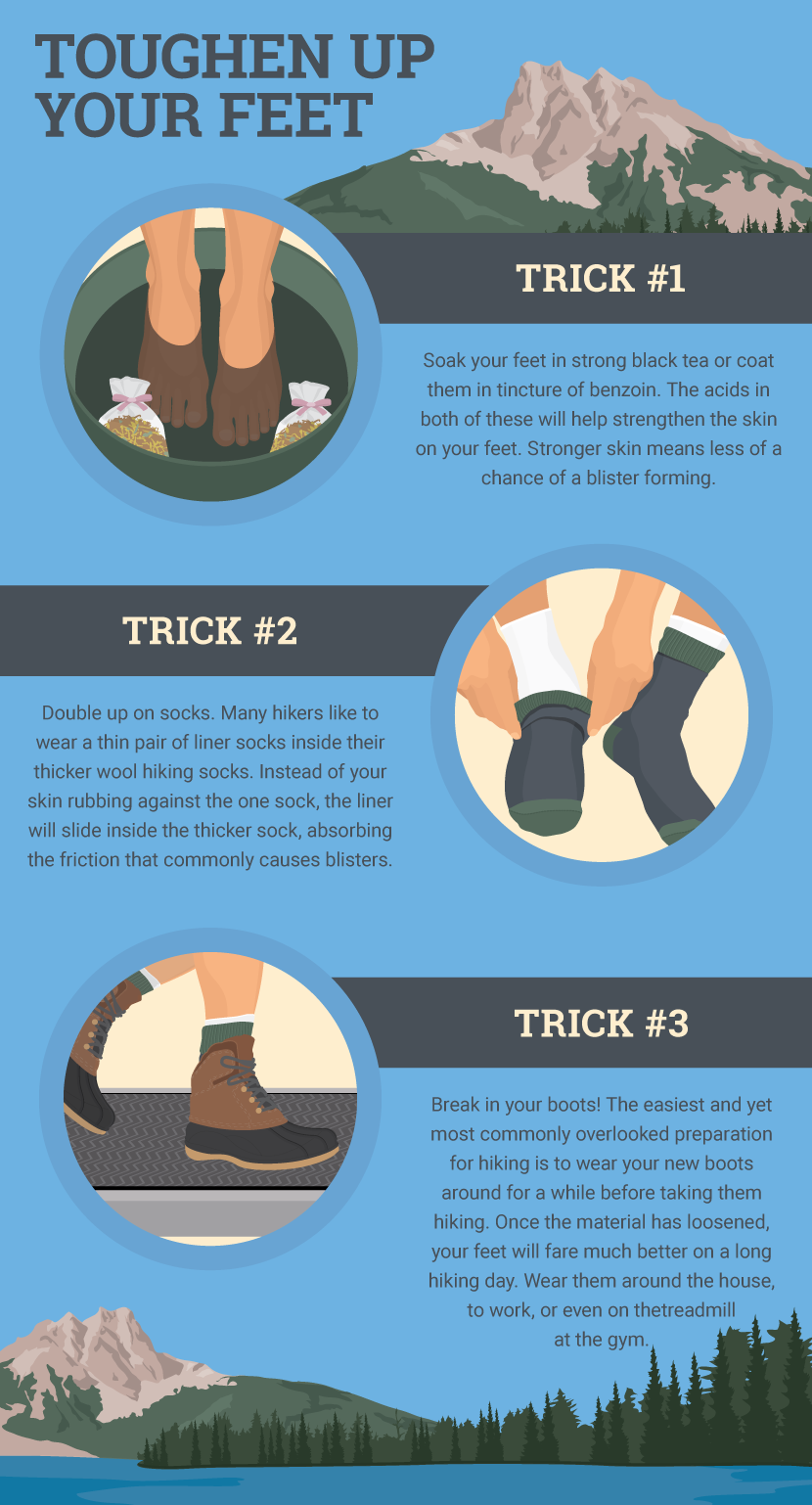
Pick sturdy hiking boots or shoes with good grip. Boots protect ankles and offer support on rough paths. Shoes work well for easier trails and warm weather. Make sure footwear fits well to avoid blisters. Break in new shoes before your hike. Proper footwear reduces injury risk and improves your hiking experience.
Weather Preparation
Weather preparation is key for a safe and enjoyable hike. Weather changes can happen fast. Being ready keeps you comfortable and protected. Prepare for sun, rain, wind, and cold. Plan your clothing and gear around the forecast.
Checking Forecasts
Check the weather forecast several days before your hike. Use trusted websites or apps for accurate updates. Look for temperature, chance of rain, and wind speed. Check again on the day of your hike. This helps you pack the right gear and dress properly.
Adjusting Plans
Change your hiking plans based on the weather. Pick a different trail if storms or extreme heat are expected. Start earlier or later to avoid the hottest or wettest times. Have a backup plan ready in case conditions worsen during your hike.
Protecting Against Elements
Wear layers to adjust to changing temperatures. Use moisture-wicking fabrics to stay dry. Carry a waterproof jacket and pants for rain. Bring a hat and sunscreen to protect from sunburn. Use gloves and a warm hat if it gets cold. Always pack extra clothes just in case.
Safety Tips
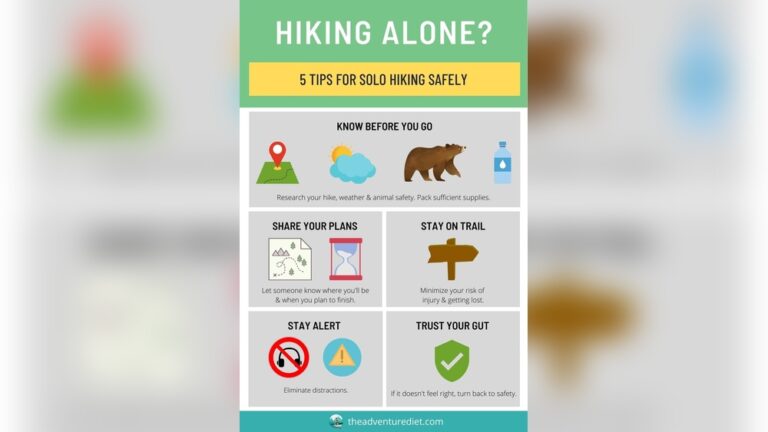
Safety is the top priority when preparing for a hike. Proper safety measures help prevent accidents and ensure a smooth experience. Understanding key safety tips makes every hike more enjoyable and secure.
Emergency Communication
Carry a fully charged phone with you. Download offline maps and emergency apps. Share your hiking plan with a trusted person. Know the local emergency numbers. Consider a whistle or signal mirror for attention.
Trail Etiquette
Stay on marked trails to protect nature and avoid getting lost. Yield to uphill hikers and be polite. Keep noise low to respect wildlife and other hikers. Pack out all trash and leave no trace behind.
Wildlife Awareness
Observe animals from a distance without feeding them. Store food securely to avoid attracting wildlife. Learn about local animals and how to react if you meet them. Stay calm and back away slowly if needed.

Credit: adventures.com
Frequently Asked Questions
How To Physically Prepare For Hiking?
Build endurance with regular cardio and strength exercises. Practice walking on varied terrain. Train carrying a weighted backpack. Wear proper footwear and dress in layers. Hydrate well and pack essentials like water, food, and first aid.
Why Do Hikers Eat Gummy Bears?
Hikers eat gummy bears for quick energy, easy digestion, and portable, tasty carbs that boost endurance on trails.
What Is The 3 Layer Rule For Hiking?
The 3 layer rule for hiking includes a moisture-wicking base layer, an insulating middle layer, and a waterproof outer layer. This system manages sweat, retains warmth, and protects against wind and rain. Layering adjusts comfort and safety in changing weather conditions.
What Are The 10 Hiking Essentials?
The 10 hiking essentials are water, food, navigation tools, first-aid kit, weather-appropriate clothing, sturdy footwear, sun protection, multi-tool, flashlight, and emergency shelter. Carry these to stay safe, hydrated, and prepared during any hike.
Conclusion
Preparing well makes your hike safer and more enjoyable. Start training your body with simple exercises. Plan your route carefully and tell someone your plans. Pack enough water, food, and basic first-aid supplies. Choose comfortable shoes and dress in layers for changing weather.
Check the forecast before you leave. Stay aware of your surroundings and pace yourself. Remember, hiking is about enjoying nature and taking care of yourself. With good preparation, every hike can be a great adventure.