How to Stay Safe from Wildlife When Hiking: Essential Tips Revealed
You love the thrill of hiking and exploring nature’s beauty, but what happens when you come face-to-face with wildlife? Knowing how to stay safe from animals on the trail is crucial for your peace of mind and your safety.
Imagine walking calmly through the woods, fully prepared to avoid any dangerous encounters. You’ll discover simple yet powerful tips that can protect you from wildlife surprises. From making noise to carrying the right gear, and knowing exactly what to do if an animal approaches—these strategies could make all the difference.
Keep reading, and learn how to enjoy your hike confidently, no matter where the trail takes you.

Credit: www.tatnews.org
Research Local Wildlife
Researching local wildlife before hiking helps you stay safe and prepared. Knowing what animals live in the area reduces surprises. It also teaches you how to act if you meet wildlife. Learning about local species and their habits builds your confidence on the trail.
This knowledge helps you respect animal space and avoid dangers. It makes your hike more enjoyable and secure. Start by identifying common animals you might see. Then, learn to recognize signs they leave behind.
Identify Common Animals
Find out which animals are common in your hiking area. Search for local wildlife guides or park websites. Learn about their size, behavior, and active times of day. This helps you spot animals from a safe distance.
Common animals might include deer, snakes, bears, or mountain lions. Some animals are shy and avoid humans, while others can be curious. Knowing their habits helps you predict their actions.
Recognize Animal Signs
Animals leave signs like tracks, droppings, or scratch marks. These clues show their presence nearby. Learn to identify these signs before your hike. It alerts you to stay cautious or change your route.
Look for footprints in mud or soft soil. Notice broken branches or chewed plants. Listen for animal sounds like rustling or calls. Recognizing these signs helps you avoid close encounters.
Credit: www.nps.gov
Prepare The Right Gear
Preparing the right gear is essential for staying safe from wildlife during hikes. The right equipment helps prevent dangerous encounters and gives you confidence on the trail. Carrying effective tools and wearing proper clothing can protect you in areas known for wildlife activity.
Choosing gear that suits your hiking location and expected wildlife is important. Simple items can reduce risks and keep you calm. Pack smart and be ready for unexpected animal encounters.
Carry Bear Spray
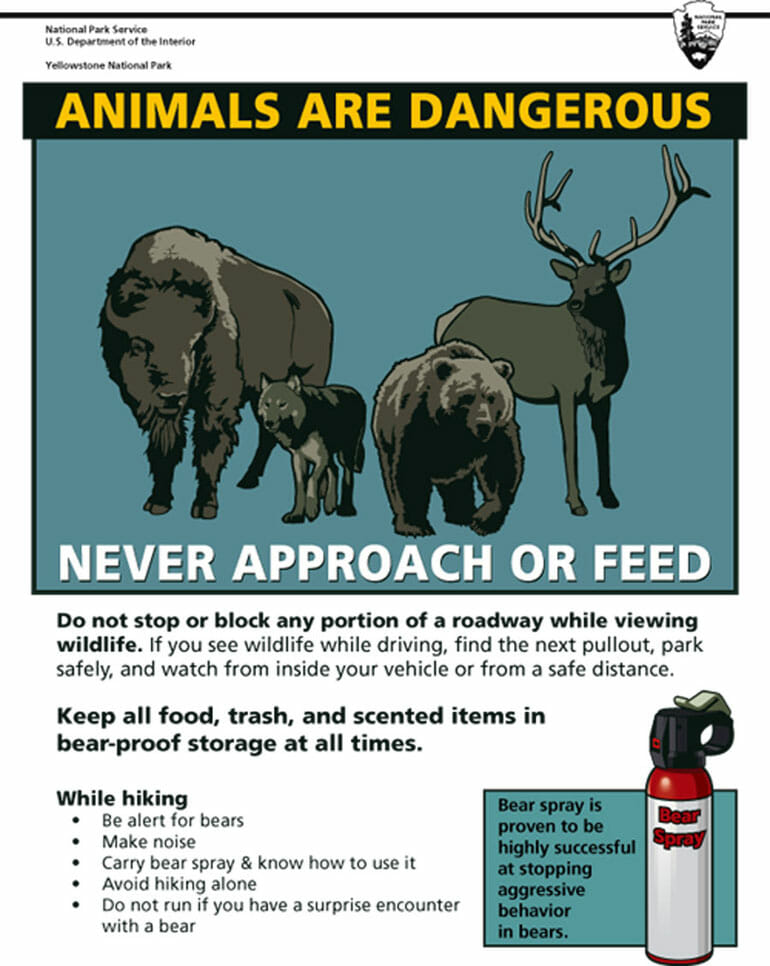
Bear spray is a powerful tool to deter aggressive animals. Keep it easily accessible, not buried in your backpack. Learn how to use it before your hike. Spray it only if an animal approaches too closely. Bear spray creates a cloud that stops animals without harm.
It works best in open areas with good wind conditions. Avoid spraying in strong wind to prevent self-exposure. Carrying bear spray increases your safety in bear country and other wildlife areas.
Wear Protective Clothing
Wear long pants and high boots to protect against bites and scratches. Thick clothing can prevent injuries from smaller animals or plants. Choose light colors to spot ticks or insects early. Avoid bright colors that attract some animals.
In snake-prone areas, boots and long pants reduce the risk of snake bites. Wearing gloves protects your hands when moving through brush or climbing. Proper clothing adds a strong layer of defense on the trail.
Bring Noise-making Devices
Noise alerts animals to your presence, reducing surprise encounters. Carry a whistle, bell, or other noise-making device. Use them regularly, especially near dense vegetation or streams. Loud noises give animals time to move away safely.
Talking or singing also helps make your presence known. Avoid relying only on bear bells. Combine noise devices with your voice for better results. Staying audible keeps both you and wildlife safe during the hike.
Hike Smart
Hiking in nature is exciting but can bring you close to wildlife. To keep safe, hike smart. Smart hiking means acting in ways that reduce risks from animals. It helps you enjoy your trip without trouble.
Make Noise Regularly
Animals often avoid humans if they hear them coming. Talk, sing, or clap your hands as you walk. This noise warns animals you are nearby. It stops you from surprising them suddenly. Quiet hiking can cause animals to feel threatened and act defensively.
Keep Pets Leashed
Pets can attract wild animals or trigger attacks. Keep dogs on a leash at all times. A leashed pet stays close and does not chase or scare wildlife. This control protects your pet and other animals on the trail. Loose pets can cause dangerous encounters for everyone.
Stay Alert And Avoid Headphones
Listening to music blocks sounds of nearby animals or warnings. Stay alert by not using headphones while hiking. Pay attention to rustling leaves or animal calls around you. Being aware helps you spot wildlife early and avoid surprise meetings. Stay focused on your surroundings for safety.
React During Encounters
Reacting properly during wildlife encounters is vital for your safety. Staying calm helps you control the situation. Quick, thoughtful actions can prevent escalation. Know what to do to protect yourself and the animal.
Do Not Run
Running triggers a predator’s chase instinct. Stay still and keep your eyes on the animal. Turning your back can make you vulnerable. Moving slowly is safer than sudden actions.
Make Yourself Look Large
Stand tall and raise your arms above your head. Use trekking poles or jackets to appear bigger. Bigger size can scare the animal away. It shows confidence and strength.
Back Away Slowly
Move backward slowly while facing the animal. Do not turn your back or make quick moves. Give the animal space to leave. Slow retreat lowers tension in the encounter.
Use Firm Voice
Speak in a calm, strong voice to show you are not prey. Avoid screaming or high-pitched sounds. A firm voice can warn the animal without startling it. Keep your tone steady and clear.
Handle Specific Attacks
Knowing how to handle specific wildlife attacks can save your life. Different animals require different responses. Understanding the right action helps you stay safe during a surprise encounter. Stay calm and act wisely to protect yourself.
Fight Back Against Mountain Lions
Mountain lions attack to hunt. Do not run or turn your back. Face the animal and make eye contact. Use anything nearby to defend yourself. Throw rocks, sticks, or use your backpack. Yell loudly and try to appear bigger. Keep fighting until the mountain lion leaves. Showing you are strong and dangerous can stop the attack.
Play Dead With Bears
Playing dead works for bear attacks, especially with grizzlies. Lie flat on your stomach with your hands behind your neck. Spread your legs to prevent the bear from flipping you over. Stay still and wait for the bear to leave. Do not move or make noise. If the attack is from a black bear, try to escape or fight back instead. Knowing the type of bear helps you react correctly.
Additional Safety Tips
Staying safe from wildlife involves more than just carrying the right gear. Following additional safety tips can greatly reduce risks during your hike. These tips help you avoid dangerous encounters and keep both you and animals safe.
Understanding how to behave around wildlife is key. Respecting their space and sticking to trails keeps you visible and prevents unexpected meetings.
Avoid Surprising Wildlife
Make noise as you walk to alert animals of your presence. Talk, sing, or clap your hands regularly. This prevents startling animals, which can cause aggressive reactions.
Keep your headphones off to stay alert to sounds around you. Watch for animal signs like tracks or droppings to know if wildlife is nearby. Staying aware helps you avoid sudden encounters.
Respect Animal Space
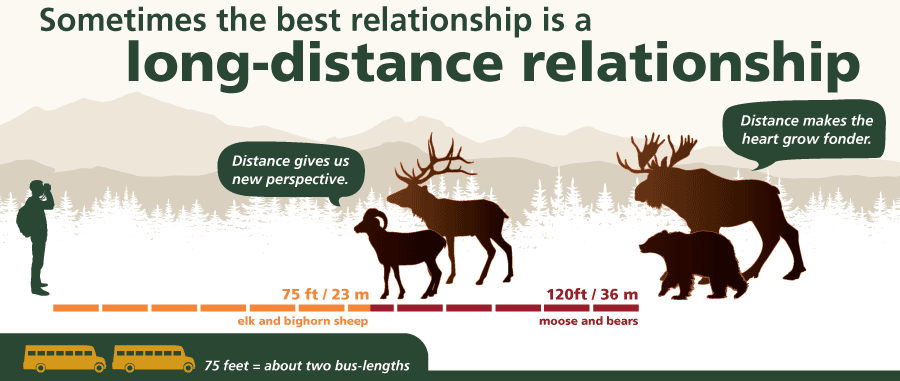
Keep a safe distance from all wildlife. Never try to feed or touch animals. Approaching too closely can stress them and provoke attacks.
Observe animals quietly and calmly. Avoid loud noises or sudden movements that might scare them. Let animals move away on their own without feeling trapped.
Stay On Marked Trails
Marked trails are designed to keep hikers safe and protect wildlife habitats. Straying off paths increases chances of surprising animals or stepping into dangerous areas.
Stay on trails even if shortcuts look tempting. Trails also help you avoid hazards like unstable ground or poison plants. Follow signs and respect trail closures to keep safe.
Credit: yellowstonesafari.com
Frequently Asked Questions
How To Protect Yourself From Wild Animals While Hiking?
Make noise to avoid surprising animals and carry bear spray. Stay alert, keep pets leashed, and never run from wildlife. If approached, stand tall, back away slowly, and use a firm voice. Fight back against mountain lions; play dead if attacked by bears.
Why Do Hikers Eat Gummy Bears?
Hikers eat gummy bears because they provide quick energy and boost blood sugar during strenuous activity. They are lightweight and easy to carry.
What Smell Do Wild Animals Hate?
Wild animals hate smells like ammonia, vinegar, garlic, and predator urine. These odors repel and deter them effectively.
What To Do If You Encounter A Fox While Hiking?
Stay calm and do not run. Make yourself appear larger by raising your arms. Back away slowly while facing the fox. Speak firmly to show you are human. Avoid sudden movements and give the fox space to leave safely.
Conclusion
Staying safe around wildlife takes careful attention and respect. Always stay alert and make noise to avoid sudden encounters. Carry essential gear like bear spray and know how to use it well. If you meet an animal, stay calm and back away slowly without running.
Remember, your safety depends on preparation and calm actions. Enjoy your hike while keeping wildlife safety a top priority. Stay smart, stay safe, and respect nature’s space.