How to Stay Warm Camping: Essential Tips for Cold Weather Survival
Camping can be one of the most rewarding ways to connect with nature, but nothing ruins the experience faster than feeling cold all night long. You don’t have to let chilly weather keep you from enjoying your outdoor adventure.
Imagine waking up refreshed, cozy, and ready to take on the day—even when temperatures drop. How? By mastering simple but effective ways to stay warm while camping. In this guide, you’ll discover easy-to-follow tips on layering your clothing, choosing the right gear, and setting up your sleeping space to trap heat.
Keep reading, because staying warm isn’t just about comfort—it’s about making your camping trip memorable for all the right reasons.
Clothing Layers
Wearing the right clothing layers helps you stay warm and comfortable while camping. Layers trap heat and block wind, making cold nights easier to bear. Each layer has a special job. Choosing the right fabrics and combining layers smartly keeps moisture away and preserves warmth.
Base Layers And Fabrics
The base layer sits closest to your skin. It moves sweat away to keep you dry. Look for materials like merino wool or synthetic fabrics. These fabrics dry fast and prevent chills. Avoid thick or heavy materials here. Thin, snug base layers work best for warmth.
Insulating Mid-layers
The mid-layer holds your body heat. Fleece, down, or synthetic insulation are good choices. These trap warm air close to your body. Layer thickness depends on the weather. You can add or remove mid-layers to control temperature. Lightweight and breathable options make moving easier.
Waterproof Outer Layers
The outer layer protects from wind, rain, and snow. Waterproof jackets and pants keep you dry. Breathable fabrics stop sweat buildup inside. Look for windproof and water-resistant shells. These layers block cold air and keep warmth in. Choose lightweight and flexible gear for comfort.
Avoiding Cotton
Cotton holds moisture and cools your body fast. Wet cotton feels heavy and cold against the skin. It loses insulation when damp. Avoid cotton clothing for all layers. Instead, pick wool, fleece, or synthetic fabrics. These dry quickly and keep you warmer during cold camping trips.
Sleeping Gear
Good sleeping gear is key to staying warm while camping. It helps keep body heat close and blocks cold air. Choosing the right items makes a big difference in comfort and safety during cold nights.
Choosing A Warm Sleeping Bag
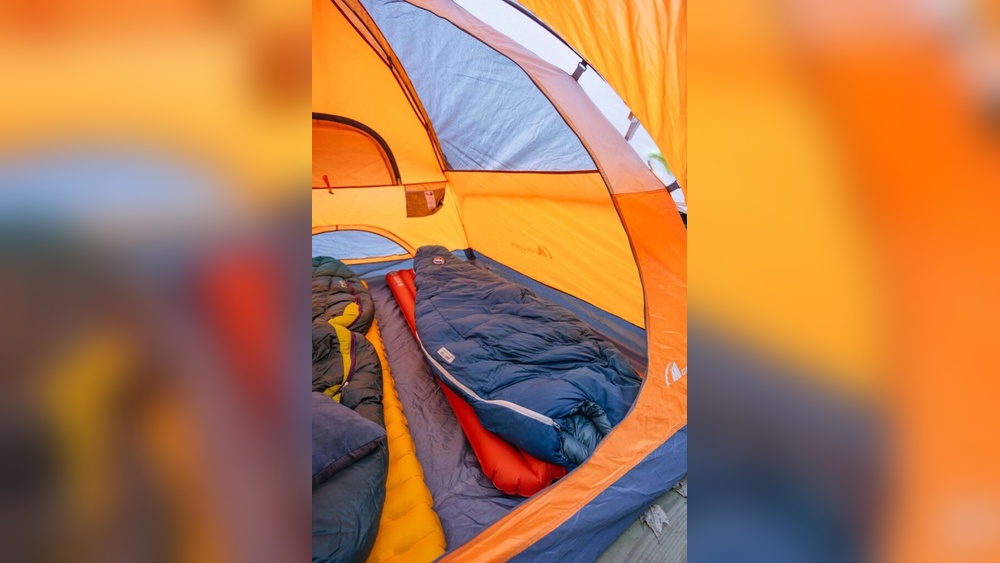
Select a sleeping bag rated for temperatures lower than you expect. Look for bags filled with down or synthetic insulation. Down is lightweight and packs small, but synthetic stays warm even when wet. Mummy-shaped bags trap heat better than rectangular ones. Check the temperature rating on the bag label. Choose one that fits your size well to avoid cold spots.
High R-value Sleeping Pads
Sleeping pads insulate you from the cold ground. The higher the R-value, the better the insulation. Aim for a pad with an R-value of 4 or more in cold weather. Inflatable pads or foam pads both work well. Place the pad under your sleeping bag to keep warm air from escaping. A good pad prevents heat loss through conduction.
Using Sleeping Bag Liners
Sleeping bag liners add extra warmth inside your bag. They can increase warmth by several degrees. Liners made of fleece or silk are popular choices. Fleece liners add bulk and heat, while silk liners are thin and lightweight. Liners also keep your sleeping bag cleaner and extend its life. Use a liner for added comfort and warmth on cold nights.
Tent Setup
Setting up your tent properly is key to staying warm while camping. A good tent setup blocks wind, keeps moisture out, and traps heat inside. Small steps during setup make a big difference in your warmth and comfort.
Selecting The Right Tent
Choose a tent designed for cold weather camping. Look for tents with sturdy poles and strong fabric. Four-season tents offer better protection against wind and snow. Smaller tents hold heat better than large ones. Make sure your tent has a full rainfly to block wind and rain.
Reducing Condensation
Condensation inside your tent can make you cold and wet. Vent your tent by slightly opening vents or doors to allow air flow. Avoid cooking or breathing directly on tent walls to reduce moisture buildup. Use a tent with breathable fabric to help moisture escape. Keep wet gear outside the tent to lower humidity inside.
Adding Ground Insulation
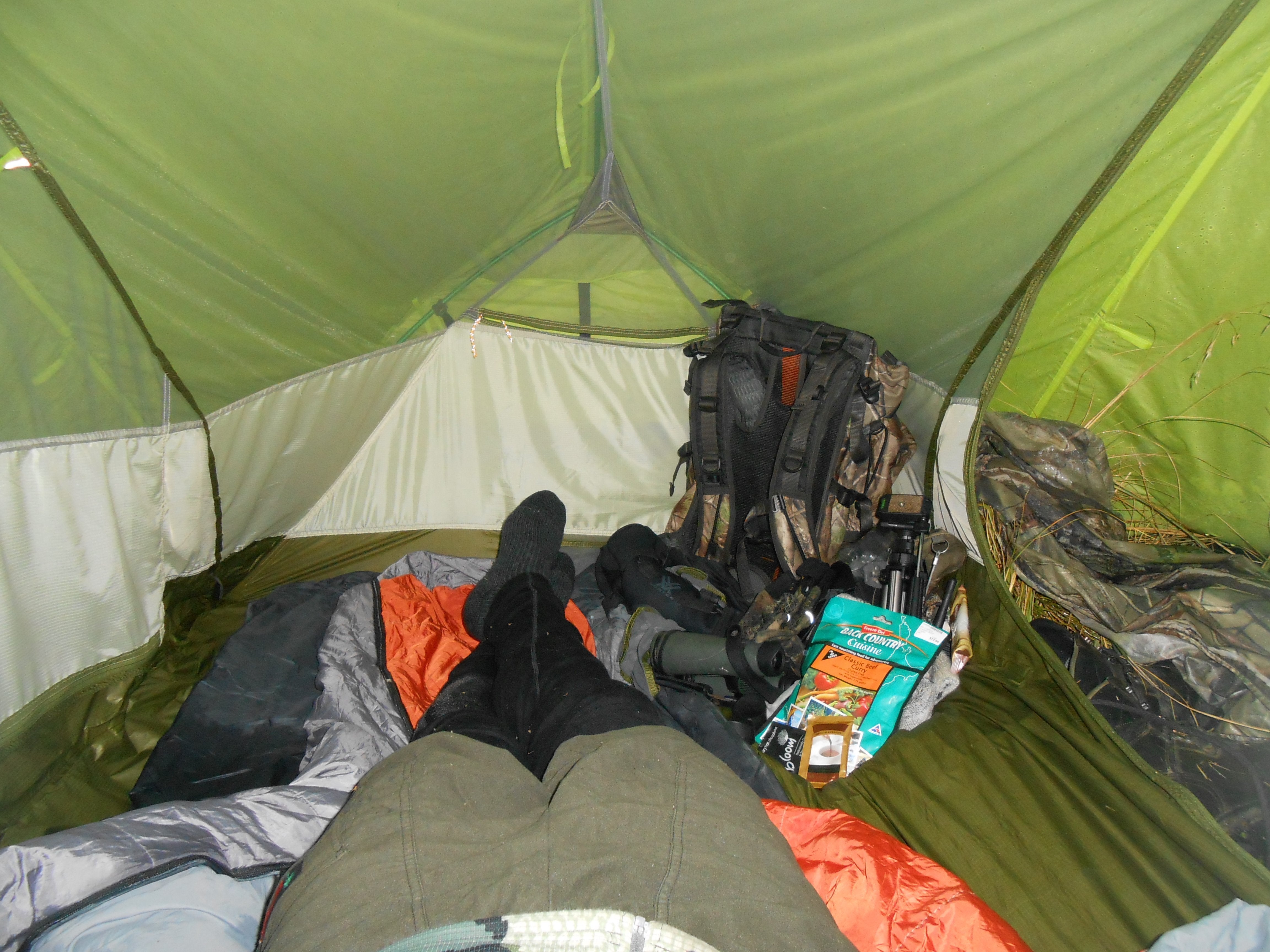
The ground pulls heat away from your body fast. Use a thick sleeping pad with a high R-value to block cold from the ground. Add an extra foam pad or a reflective blanket under your sleeping pad for more insulation. Place a footprint or tarp under your tent to protect from damp ground. Layering ground insulation helps keep your sleeping area warm all night.
Credit: www.intentsoutdoors.co.nz
Heat Retention Tips
Retaining heat is key to staying warm during cold camping nights. Small habits and smart gear choices keep your body heat from escaping. Focus on protecting your head, hands, and feet. Use simple tricks to hold warmth inside your sleeping bag and clothes. These heat retention tips make cold nights more comfortable and safe.
Wearing Hats And Gloves
Your head loses heat fast. Wearing a hat helps keep warmth close to your body. Choose hats made of wool or fleece for better insulation. Gloves protect your hands from cold air and frostbite. Thin liner gloves under thicker gloves work well for very cold weather. Keeping your head and hands covered reduces heat loss significantly.
Keeping Extremities Warm
Feet and fingers get cold quickly because they are far from your heart. Wear thick, dry socks made of wool or synthetic fibers. Avoid cotton socks; they trap moisture and cause chill. Change into dry socks before bedtime. Fingerless gloves or mittens keep fingers warm while allowing movement. Warm extremities help your entire body feel warmer.
Using Hot Water Bottles
A hot water bottle inside your sleeping bag adds extra heat. Fill it with hot, but not boiling, water. Wrap it in a cloth to avoid burns and extend heat release. Place it near your feet or torso to warm your core. Hot water bottles keep your sleeping space cozy for hours. They are a simple and effective way to stay warm.
Pre-sleep Preparation
Preparing for sleep is key to staying warm during cold camping nights. The body cools down quickly after activity stops. Taking simple steps before bed helps keep your temperature steady. This makes your night more comfortable and safer. Focus on dry clothes, gentle movement, and a warm snack.
Changing Into Dry Clothes
Wet clothes lower your body temperature fast. Always change into dry clothes before sleeping. Use fabrics like wool or synthetic materials. Avoid cotton because it holds moisture. Dry socks and a hat keep your feet and head warm. This prevents heat loss and chills.
Light Exercise Before Bed
Doing light exercise raises your body heat. Try gentle stretches or walking around the campsite. Do not sweat too much; keep it light. This activity warms your muscles and blood flow. It helps your body keep heat inside when you lie down.
Having A Warm Snack
Eating a warm snack raises your core temperature. Choose foods that are easy to digest like soup or oatmeal. Warm drinks like herbal tea also help. Avoid caffeine and alcohol as they lower body heat. A warm snack fuels your body to stay cozy through the night.

Credit: www.reddit.com
Additional Warmth Hacks
Camping in cold weather can challenge even the most prepared adventurers. Small hacks add extra warmth and comfort. These simple tricks help keep chill away during chilly nights. Using extra layers and smart gear improves your camping experience. Here are some easy and effective additional warmth hacks to try.
Emergency Blankets
Emergency blankets are thin, lightweight, and reflect body heat. They trap warmth inside your sleeping area. Wrap yourself or your sleeping bag with one to stop heat loss. These blankets take up little space and fit in any backpack. Use them as a ground cover or inside your tent walls for extra warmth.
Avoiding Air Mattresses
Air mattresses lose heat quickly because air cools fast. Sleeping directly on them can make you cold at night. Opt for foam pads or insulated sleeping mats instead. These create a barrier between your body and the cold ground. They keep heat trapped close to you, making sleep warmer and more comfortable.
Bag Liners And Layering
Sleeping bag liners add an extra layer of warmth inside your bag. Use fleece or silk liners for softness and heat retention. Layering your sleeping setup traps heat better. Combine liners with a good sleeping bag to boost insulation. Layer clothes inside the bag too, like thermal socks and a hat, for full-body warmth.
Cold Weather Camping Tips
Camping in cold weather needs careful planning to stay warm and safe. Cold weather camping tips help you enjoy the outdoors without feeling chilled. Simple steps can make a big difference in your comfort and health during cold nights.
Focus on choosing the right spot, managing moisture, and staying dry. These tips reduce heat loss and keep you cozy in your tent or shelter.
Choosing Campsite Wisely
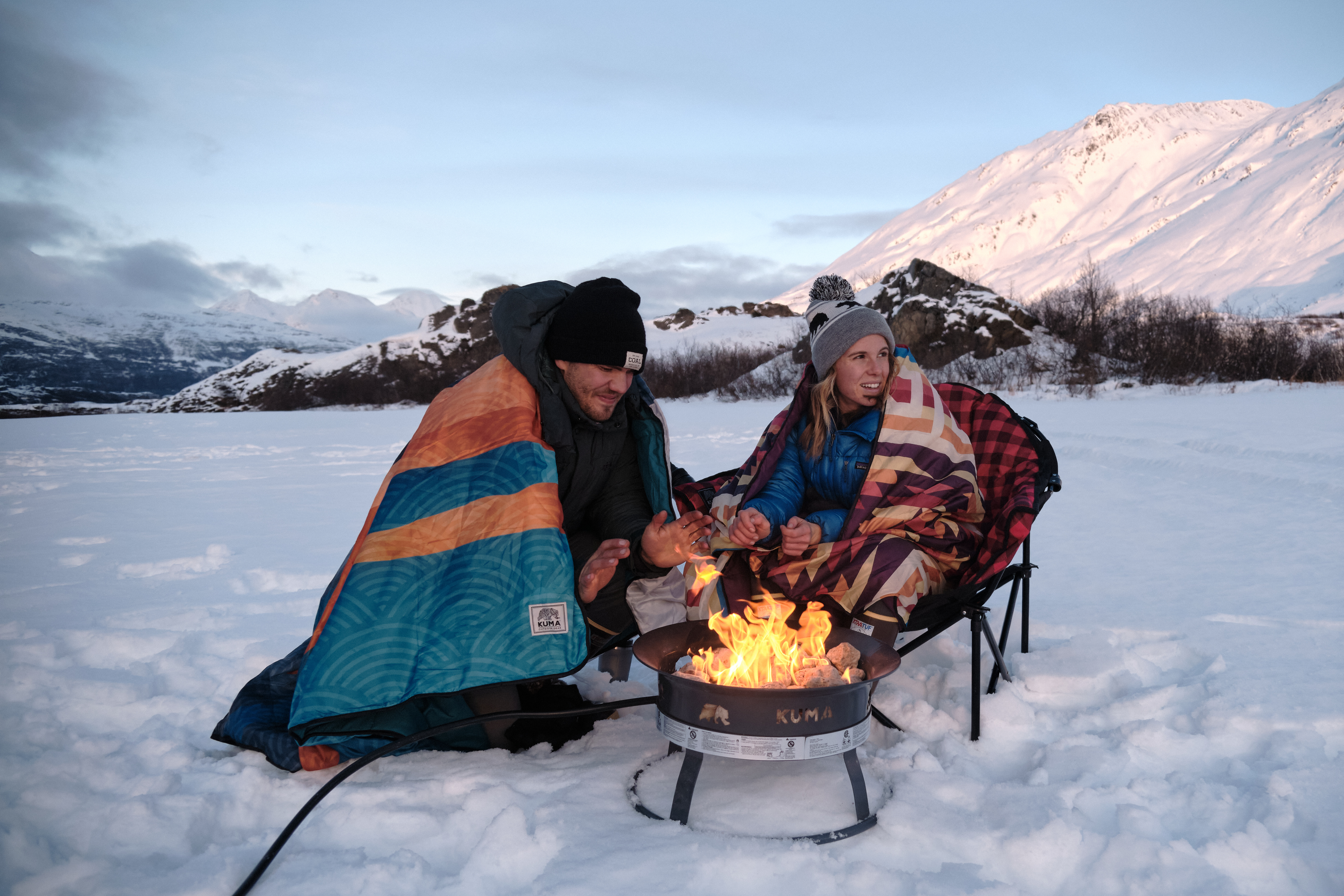
Pick a campsite that blocks wind. Look for natural windbreaks like trees or large rocks. Avoid low spots where cold air settles. Set up camp on higher ground if possible. Check the ground for dry soil, not wet or frozen. Clear snow away to create a flat surface. This helps keep your tent warmer and more stable.
Managing Moisture
Moisture steals your body heat fast. Keep wet clothes and gear away from your sleeping area. Use waterproof bags or containers for your gear. Dry wet clothes before bedtime near a heat source or inside your tent. Avoid sweating by removing layers during physical activity. Moisture-wicking fabrics help pull sweat away from your skin. This keeps you dry and warm.
Staying Dry
Wet skin cools down quickly. Wear waterproof jackets and boots. Change out of damp clothes right after activity. Use a rainfly or tarp over your tent to prevent water inside. Bring extra socks and gloves to swap if the first pair gets wet. Keep your sleeping bag dry by storing it in a waterproof stuff sack. Staying dry is key to staying warm in cold weather.
Credit: www.kumaoutdoorgear.com
Frequently Asked Questions
Why Am I Always Cold When Camping?
You feel cold camping due to moisture, poor insulation, and heat loss. Wear layers, use a quality sleeping bag, and stay dry to stay warm.
What Temperature Is Too Cold For Camping?
Camping becomes too cold when temperatures drop below 20°F (-6°C) without proper gear. Extreme cold risks hypothermia and frostbite. Always check forecasts and use insulated sleeping bags and layers to stay safe.
How Do You Survive A Cold Night In A Tent?
Wear moisture-wicking layers and a hat to retain heat. Use a high-quality sleeping bag and insulated sleeping pad. Change into dry clothes before sleeping. Place a hot water bottle inside your sleeping bag for extra warmth. Block wind and condensation by securing your tent properly.
Is It Too Cold To Camp In October?
Camping in October can be chilly but not too cold with proper gear. Wear layers, use a warm sleeping bag, and stay dry. Choose a high-quality sleeping pad and keep a hat and gloves handy. Proper preparation ensures a comfortable and warm camping experience.
Conclusion
Staying warm while camping takes simple but smart steps. Wear layers that keep moisture away from your skin. Use a sleeping bag suited for cold nights and a good sleeping pad. Keep your head, hands, and feet covered with dry clothes.
Warm up with a hot water bottle before bed. Change into dry clothes to avoid getting cold. These easy tips help you enjoy camping, even when it’s chilly outside. Warmth makes your outdoor experience safe and fun. Prepare well, and you will sleep comfortably under the stars.