How to Use Backpacking Tent: Essential Tips for Easy Setup
Ready to make your backpacking trips smoother and more enjoyable? Knowing how to use your backpacking tent the right way can be a game-changer.
Whether you’re setting up camp after a long hike or packing up to hit the trail again, mastering your tent setup saves you time and hassle. In this guide, you’ll discover simple, clear steps to pitch your tent quickly, keep it dry and secure, and pack it efficiently for your next adventure.
Stick with me, and you’ll feel confident handling your shelter like a pro—no more fumbling in the dark or worrying about unexpected weather. Let’s get started!
Credit: www.naturehike.com
Choosing A Campsite
Choosing the right campsite is crucial for a comfortable backpacking trip. The campsite affects your sleep, safety, and overall experience. Picking a good spot helps protect your tent and gear. It also makes your adventure more enjoyable. Consider the terrain, hazards, and weather when selecting your site.
Finding Flat Ground
Look for a flat area to pitch your tent. Flat ground provides better comfort for sleeping. It also helps keep your tent stable. Avoid slopes and uneven surfaces. These can make sleeping uncomfortable and cause your tent to shift. Clear the area of rocks, sticks, and debris before setting up.
Avoiding Hazards
Stay away from hazards like dead trees or loose branches. These can fall and damage your tent. Avoid setting up near water sources prone to flooding. Check for insect nests or animal trails nearby. Keep distance from steep cliffs or unstable ground. Safety should be your top priority when choosing a spot.
Considering Wind Direction
Set up your tent with the door facing away from the wind. This reduces wind pressure on the tent fabric. It also prevents dirt and debris from blowing inside. Use natural windbreaks like bushes or rocks for extra protection. Proper orientation helps keep your tent warm and dry. Always check the wind direction before pitching your tent.
Preparing The Tent Site
Preparing the tent site is a crucial step before setting up your backpacking tent. A well-prepared site ensures a comfortable and safe shelter. It also protects your gear and makes your camping experience more enjoyable. Follow these simple steps to get your site ready.
Clearing Debris
Remove sticks, rocks, and leaves from the area. These objects can damage your tent floor or cause discomfort. Clear a space larger than your tent footprint to allow easy setup. This also prevents pests from hiding under your tent.
Leveling The Ground
Find a flat spot to pitch your tent. Uneven ground makes sleeping uncomfortable and can stress tent poles. Use your hands or feet to smooth bumps and fill holes. Avoid slopes to reduce the risk of sliding or water pooling.
Protecting The Tent Floor
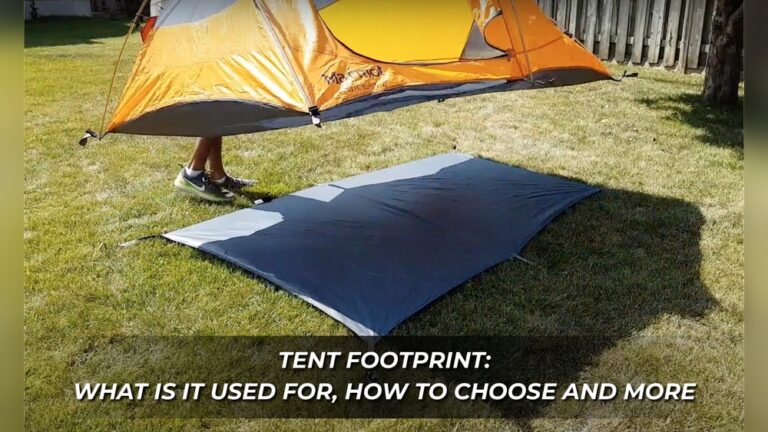
Use a groundsheet or footprint under your tent. It shields the tent floor from abrasion and moisture. Make sure the groundsheet is slightly smaller than the tent base. This prevents water from collecting between the sheet and the tent floor.
Tent Components
Understanding the main parts of a backpacking tent helps you set it up quickly. Knowing each component’s role improves your camping experience. It also ensures the tent protects you well during your trip.
Poles And Stakes
Poles give the tent its shape and structure. Most poles are made of lightweight aluminum or fiberglass. They fit together and slide into sleeves or clips on the tent. Stakes hold the tent firmly to the ground. They prevent the tent from moving in wind or rain. Always carry extra stakes in case some bend or break.
Rainfly And Footprint
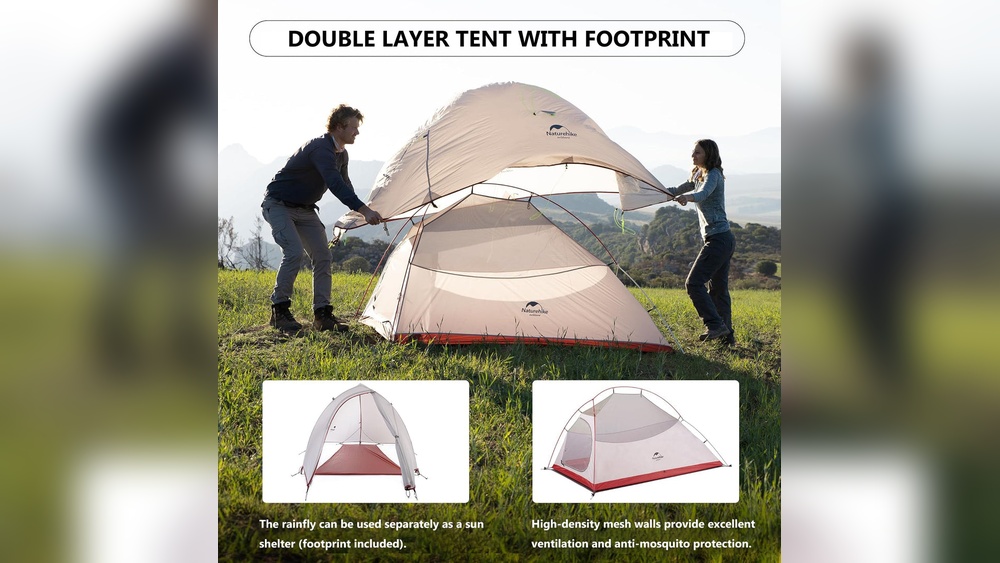
The rainfly is a waterproof cover that goes over the tent. It protects against rain and wind. Some rainflies also provide extra shade. The footprint is a groundsheet placed under the tent. It shields the tent floor from rocks and moisture. Using a footprint extends the life of your tent and keeps it clean.
Tent Body
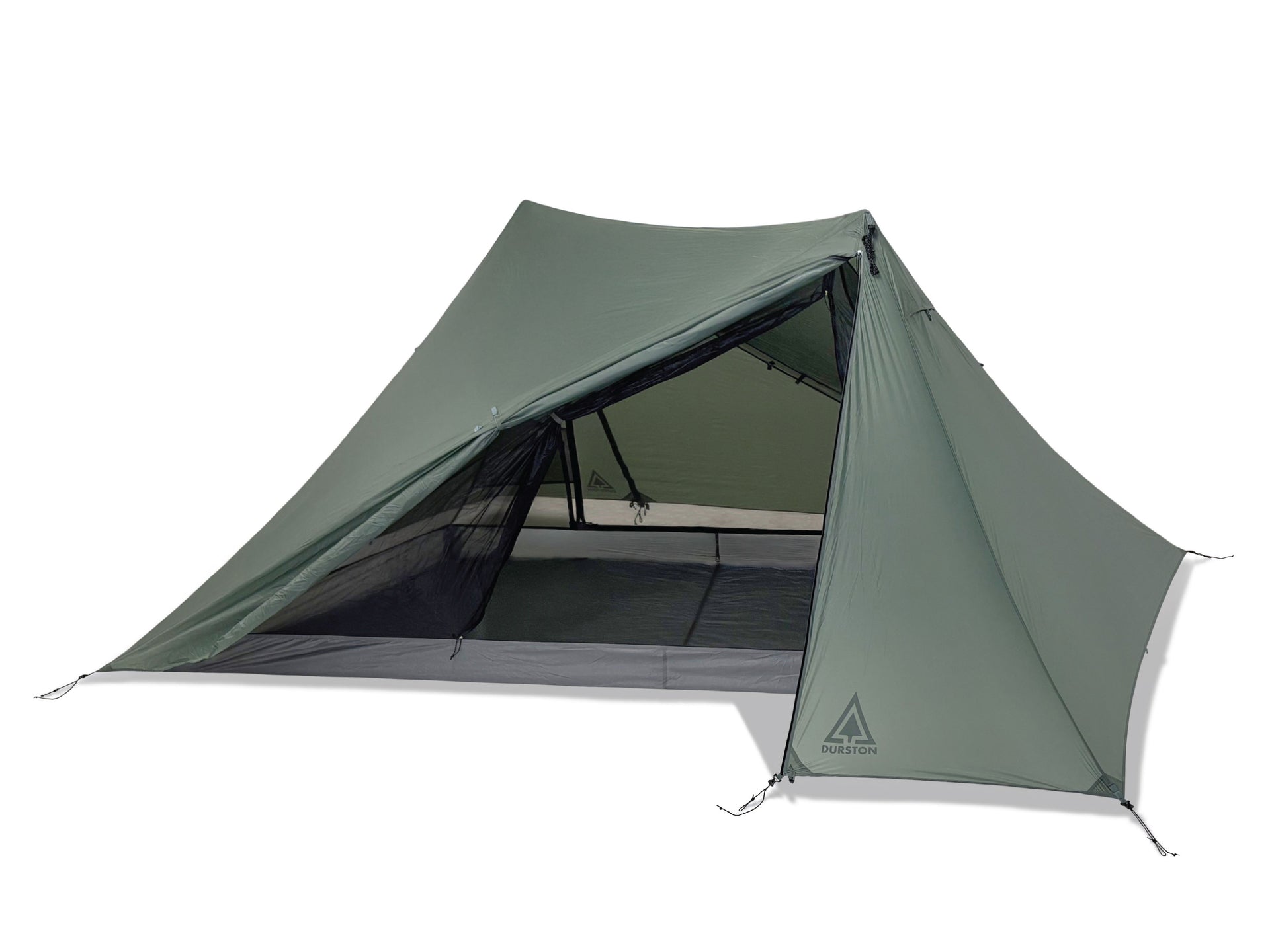
The tent body is the main shelter. It has mesh panels for ventilation and solid fabric for protection. Doors and windows allow easy access and airflow. Inside, you find pockets and loops to store small items. The tent body keeps bugs and weather out while you rest.
Credit: durstongear.com
Step-by-step Setup
Setting up a backpacking tent may seem tricky at first. Following clear, simple steps helps you pitch it quickly. This step-by-step guide breaks down the process. It ensures your tent is stable and ready for use. Each step builds on the last for easy understanding.
Laying Out The Tent
Find a flat, clear spot to lay your tent. Remove debris like rocks and sticks. Unfold the tent body and spread it evenly. Make sure the door faces your desired direction. This helps with ventilation and access.
Assembling Poles
Unpack the tent poles carefully. Connect each section until the poles form full-length rods. Most poles snap together with an elastic cord inside. Check for any damage or bends before use. Proper poles keep the tent structure strong.
Attaching Tent Body
Insert the poles into the tent body’s pole sleeves or clips. Follow the tent’s design for pole placement. Raise the tent by flexing the poles into shape. Secure poles at the tent corners or grommets. This forms the tent’s basic frame.
Securing Stakes
Use stakes to fix the tent to the ground. Push or hammer stakes at an angle for better hold. Attach tent loops or webbing to each stake. Tighten the tent floor to keep it taut. This prevents movement during wind or rain.
Adding Rainfly
Unfold the rainfly and place it over the tent body. Align the rainfly with the tent’s doors and vents. Clip or tie the rainfly to the tent’s poles or loops. Adjust straps or cords to keep it tight. The rainfly protects against rain and wind.
Tips For Stability
Ensuring your backpacking tent stays stable is key for a safe and comfortable camping experience. Stability helps the tent withstand weather changes and keeps you protected inside. Use these simple tips to make your tent steady on any terrain.
Proper Stake Angles
Insert tent stakes at a 45-degree angle away from the tent. This angle gives better hold and resists pulling forces. Push stakes deep into the ground for a firmer grip. Avoid placing stakes in loose or soft soil.
Tensioning Guylines
Attach guylines to strong points on the tent. Tighten them evenly to spread tension. Use adjustable knots or tensioners for easy tightening. Secure guylines to sturdy objects or use extra stakes for support.
Dealing With Wind
Face the narrow end of the tent into the wind. Lower the tent height if possible to reduce wind resistance. Use all guylines and stakes to anchor the tent firmly. Check and retighten guylines during strong winds to avoid collapse.
Packing The Tent
Packing your backpacking tent carefully keeps it ready for your next trip. Proper packing saves space and protects the tent’s parts. It also extends the life of the tent by preventing damage. Follow these simple steps to pack your tent right after use.
Cleaning And Drying
Remove all dirt and debris from the tent fabric. Use a soft brush or cloth to clean it gently. Avoid harsh soaps or chemicals that can damage the material. Let the tent dry completely before packing it away. A wet tent can develop mold and bad smells. Drying also prevents damage to the fabric and poles.
Folding Techniques
Fold the tent neatly to reduce its size. Start by laying it flat and smoothing out wrinkles. Fold the tent into a long strip, then roll or fold it tightly. Avoid stuffing the tent into its bag, as this can harm the fabric. A neat fold helps the tent fit well in your backpack and keeps it in good shape.
Storing Poles And Stakes
Keep poles and stakes separate from the tent fabric. Use a small bag or pouch to store them safely. Check poles for any damage or bends before packing. Clean off any mud or dirt from stakes. Proper storage prevents damage and makes setting up easier next time.
Using A Tarp
Using a tarp with your backpacking tent adds extra protection and comfort on your trips. A tarp can shield your tent from rain, sun, and falling debris. It also creates a dry area outside your tent for cooking or gear storage. Setting up a tarp properly helps you stay dry and enjoy your outdoor experience more.
Benefits Of A Tarp
A tarp keeps your tent safe from weather damage. It prevents rainwater from soaking your tent fabric. The tarp also blocks sunlight, reducing heat inside the tent during hot days. You can use it to make a shaded area for resting or cooking. Tarps are lightweight and easy to carry, making them perfect for backpacking. They add versatility to your campsite without much extra weight.
Correct Tarp Placement
Place the tarp above your tent with enough space for air to flow. Attach it tightly using ropes or cords to trees or poles. Keep the tarp edges angled away from the tent to guide rainwater off. Avoid letting the tarp touch the tent fabric to prevent moisture buildup. Adjust the height so you can move freely underneath. Make sure the tarp covers the tent fully during rain.
Avoiding Moisture Issues
Keep air circulation between the tarp and tent to stop condensation. Do not seal the tarp too close to the ground; allow some airflow. Check that water drains away from the tent and tarp area. Use a groundsheet under the tent for extra dryness. Regularly open vents on your tent to reduce inside moisture. Dry your tarp and tent after use to prevent mold and mildew.
Weight-saving Tips
Carrying a heavy backpack can make your trip tiring and less fun. Using a lightweight tent helps, but saving weight in other ways matters too. These tips focus on reducing the weight of your gear without losing comfort or safety. Less weight means easier hiking and more energy for adventures.
Choosing Lightweight Gear
Select gear made from light materials. Look for tents with aluminum poles instead of steel. Use compact sleeping bags and pads that pack small. Pick cookware and utensils made of titanium or plastic. Every ounce saved adds up on long hikes.
Minimizing Extra Items
Bring only what you really need. Avoid packing duplicate tools or clothes. Skip heavy books or unnecessary gadgets. Use multi-purpose items like a bandana for many uses. Check your list and remove non-essential items before you leave.
Balancing Comfort And Weight
Find a good balance between light gear and comfort. A very light tent may be fragile or less roomy. Choose gear that protects you well from weather and insects. Carry enough food and water for energy. Comfort helps you rest and enjoy your trip.
Safety Considerations
Safety is key when using a backpacking tent. It keeps you safe and comfortable during your outdoor trips. Understanding safety tips helps prevent accidents and protect your gear. Follow simple rules to enjoy your adventure without trouble.
Avoiding Fire Hazards
Keep your tent away from open flames and campfires. Sparks can easily start a fire in tent fabric. Use a stove designed for camping and never cook inside the tent. Always check that your stove is stable and on a flat surface. Put out all fires completely before sleeping or leaving the site.
Securing Food And Gear
Store food away from your tent to avoid attracting animals. Use bear-proof containers or hang food high in a tree. Keep your gear inside the tent or in secure bags. This protects your items and keeps wildlife at a safe distance. Always clean up food scraps and trash after meals.
Emergency Exits
Set up your tent with easy access to exits. Know where the zippers and doors are at all times. Keep the area around the tent clear of obstacles. This helps you leave quickly in an emergency. Practice opening your tent doors to save time if needed.
Credit: www.outdoorgearlab.com
Frequently Asked Questions
Can I Just Throw A Tarp Over My Tent?
Yes, you can throw a tarp over your tent. Place it properly to avoid moisture buildup and ensure good ventilation.
What Are The Big 3 Items Backpacking?
The big 3 backpacking items are the backpack, shelter (tent or tarp), and sleep system (sleeping bag/quilt and pad). These items mainly determine pack weight and comfort.
Is A 4 Pound Tent Too Heavy For Backpacking?
A 4-pound tent is slightly heavy but still manageable for backpacking. Ultralight tents weigh around 2-3 pounds. Choose based on trip length and comfort needs.
Do You Lock Your Tent At Night?
No, tents usually don’t have locks. Keep valuables secure and close the zipper to stay safe at night.
Conclusion
Using a backpacking tent correctly makes your trip more comfortable. Practice setting it up before your adventure. Choose a spot that is flat and free of rocks. Secure the tent tightly to avoid wind damage. Keep your gear organized inside for easy access.
Always check the weather forecast to prepare well. A well-pitched tent protects you from rain and insects. Enjoy your time outdoors with confidence and safety. Simple steps lead to great camping experiences every time.