Expert Tips for Easy Setup & How to Use Camp Tent
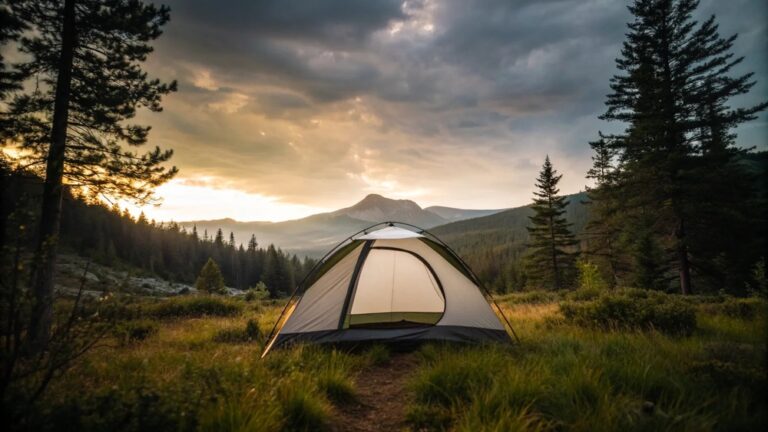
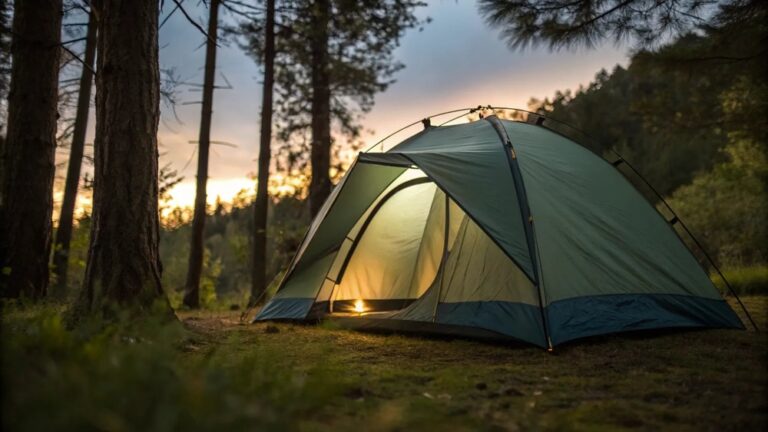
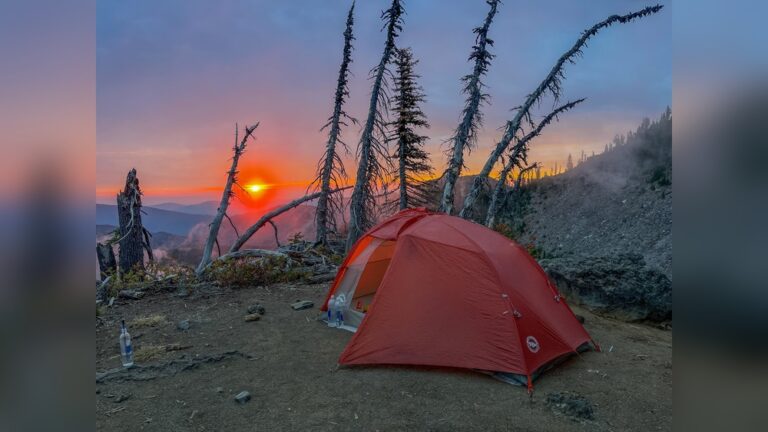
You’re about to enjoy the great outdoors, but first, you need to know how to use your camp tent properly. Setting up a tent might seem tricky if you’re new to camping, but with the right steps, it becomes easy and even fun.
Imagine having a cozy shelter ready in minutes, keeping you dry, comfortable, and safe from the elements. This guide will walk you through every step, from picking the perfect spot to organizing your gear inside. Stick with me, and you’ll learn the simple secrets to setting up your camp tent like a pro—making your outdoor adventure more relaxing and enjoyable.
Ready to master your tent setup? Let’s get started!

Credit: www.amazon.com
Site Selection
Choosing the right site for your camp tent is vital for a safe and comfortable stay. A good spot affects your sleep, safety, and how well your tent holds up. Spend time picking a place that suits your tent and camping style. Avoid risky areas and prepare the ground carefully.
Find Level Ground
Pick ground that is flat and even. This keeps your tent stable and helps you sleep better. Avoid hills or sloped areas where you might slide or feel uncomfortable. Look for a spot without bumps or holes that can damage your tent floor.
Clear Debris
Remove sticks, rocks, and leaves from the site. Sharp objects can tear your tent floor. Clearing debris also makes your sleeping area cleaner and more comfortable. Use your hands or a small brush to tidy up before setting the tent down.
Avoid Water Accumulation
Never set your tent in low spots where water gathers. Rain can flood your tent and soak your gear. Look for higher ground or areas with good drainage. Avoid places near rivers or streams that might rise during storms.
Preparing The Ground
Preparing the ground is a vital first step before setting up your camp tent. It ensures a stable, comfortable, and dry base for your shelter. Good preparation protects the tent floor from damage and improves your camping experience.
Taking time to clear and level the area helps prevent discomfort and water pooling under the tent. A well-prepared spot also makes pitching the tent easier and more secure.
Lay Down Groundsheet
Start by spreading a groundsheet on the chosen spot. The groundsheet should be slightly smaller than your tent floor. This prevents water from collecting under the tent edges.
The groundsheet acts as a barrier against moisture, dirt, and sharp objects. It protects the tent floor from tears and wear. Make sure the groundsheet lies flat without wrinkles.
Position The Tent
Unpack the tent and place it over the groundsheet carefully. Align it so the door faces your preferred direction. Positioning the tent well helps with wind resistance and sun exposure.
Check that the tent sits on an even surface. Avoid spots with rocks or roots that could cause discomfort. Adjust the tent placement if necessary before staking it down.
Tent Assembly
Setting up your camp tent starts with proper assembly. This process makes sure your shelter stands strong and keeps you safe. Follow each step carefully to avoid damage or frustration.
Assemble Poles
Begin by laying out the tent poles. Most poles are connected by an elastic cord inside. Snap each section together until you have full-length poles. Check for any cracks or damage before use.
Insert Poles Into Tent
Next, slide the poles through the tent’s sleeves or attach them to clips. This frame shapes your tent. Make sure poles cross correctly and fit snugly. Be gentle to avoid bending or breaking.
Stake Down Tent
Secure the tent by driving stakes through its loops at each corner. Angle stakes toward the tent for better hold. Use a mallet or rock to push stakes deep into the ground. This keeps your tent stable in wind.
Credit: www.outdoorgearlab.com
Adding Rainfly
Adding a rainfly to your camp tent helps keep you dry and protects the tent from rain. The rainfly acts as an extra shield, covering the tent’s main body. It prevents water from seeping inside and adds an extra layer of insulation. Properly attaching the rainfly ensures your camping experience is comfortable, even in wet weather.
Drape Over Tent
Start by unfolding the rainfly fully. Lay it gently over the top of the tent. Make sure the rainfly covers all sides evenly. Align it so that the tent door and vents match the rainfly’s openings. This helps with ventilation and easy access. Take your time to position it correctly. A well-placed rainfly offers maximum protection from rain and wind.
Ensure Taut Fit
Once the rainfly is draped, secure it tightly to the tent’s corners. Use the provided clips, hooks, or straps to fasten it. Pull the rainfly taut to avoid sagging. A loose rainfly can collect water and cause leaks. Adjust the tension on all sides evenly. Check that the rainfly does not touch the tent’s fabric directly. This prevents moisture transfer and keeps the inner tent dry. A tight rainfly also improves wind resistance and stability.
Interior Setup
Setting up the interior of your camp tent creates a cozy and organized space. A well-arranged interior improves comfort and helps you rest better. It also keeps your gear tidy and easy to access.
Start by making the sleeping area comfortable and clear. Then arrange your sleeping bags neatly. This process makes your tent inviting and practical for your camping trip.
Place Sleeping Pads
Lay your sleeping pads flat on the tent floor. Align them so there is enough room to move inside the tent. Sleeping pads add cushioning and insulation from cold ground.
Make sure the pads cover the area where you will lie down. This prevents discomfort from stones or uneven ground. Secure pads so they do not slide during the night.
Organize Sleeping Bags
Unroll your sleeping bags on top of the sleeping pads. Spread them out fully to keep them fresh and ready to use. Arrange bags so they do not overlap too much.
Keep extra blankets or liners inside the bags if needed. Store any loose gear in the tent corners to avoid clutter. This keeps the tent tidy and easy to move around.
Campsite Organization
Organizing your campsite ensures a smooth and enjoyable camping experience. A well-arranged site keeps everything within reach and maintains safety. Proper organization helps prevent accidents and protects your gear from damage. It also creates a comfortable space for cooking, relaxing, and sleeping.
Designate Cooking Area
Choose a spot away from your tent for cooking. This reduces fire risk and keeps smoke out of your sleeping area. Use a flat surface to set up your stove or fire pit. Keep cooking tools and food supplies nearby but separate from your tent.
Set Up Relaxation Zone
Create a space with chairs or a blanket for resting after activities. Place it near shade or a breeze if possible. Keep this area tidy and free from clutter. It offers a calm spot to enjoy nature and unwind.
Secure Food Away From Tent
Store food in sealed containers or coolers. Use bear-proof lockers or hang bags from a tree if wildlife is present. This prevents animals from coming close to your tent. Keeping food separate helps keep your sleeping area clean and safe.
Pro Tips
Using a camp tent well makes your outdoor stay more pleasant. Small steps can improve your camping experience. These pro tips help you set up and enjoy your tent better.
Bring Extra Stakes
Always carry extra stakes in your camping bag. Stakes hold your tent firmly on the ground. Wind or soft soil can loosen them. Having spares prevents the tent from collapsing. Choose strong, rust-resistant stakes for durability.
Use Tarps For Protection
Place a tarp under your tent to protect the floor. A tarp shields the tent from sharp rocks and wet ground. It also adds an extra layer of insulation. Make sure the tarp is smaller than the tent base. This prevents water from collecting under the tent edges.
Choose Comfortable Sleeping Gear
Pick sleeping gear that suits the weather and terrain. Use a sleeping pad to cushion the hard ground. A good sleeping bag keeps you warm at night. Test your gear before camping to ensure comfort. Proper sleep gear helps you rest well outdoors.
Frequently Asked Questions
How To Set Up A Camp Tent?
Choose a flat, debris-free site and lay a groundsheet smaller than the tent. Assemble poles and insert them into sleeves. Stake the tent corners securely, then add a taut rainfly. Organize sleeping gear inside for comfort.
What Are The 7 C’s Of Camping?
The 7 C’s of camping are: Choice, Checklist, Clothing, Cooking, Comfort, Cleanliness, and Consideration. They ensure a safe, enjoyable outdoor experience.
How To Tent Camp For Beginners?
Choose a flat, debris-free spot. Lay a groundsheet smaller than the tent. Assemble poles and insert them. Stake tent corners securely. Attach a taut rainfly. Organize sleeping gear inside for comfort.
What Is The Rule 1 Of Camping?
Rule 1 of camping is to prioritize safety by choosing a safe, flat campsite away from hazards.
Conclusion
Using a camp tent properly makes camping more comfortable and safe. Choose a good spot, clear debris, and set up your tent carefully. Secure stakes well and keep the rainfly tight to protect from rain. Organize your gear inside for a cozy night’s rest.
Remember, practice helps you set up faster each time. Enjoy your outdoor adventure with confidence and ease.