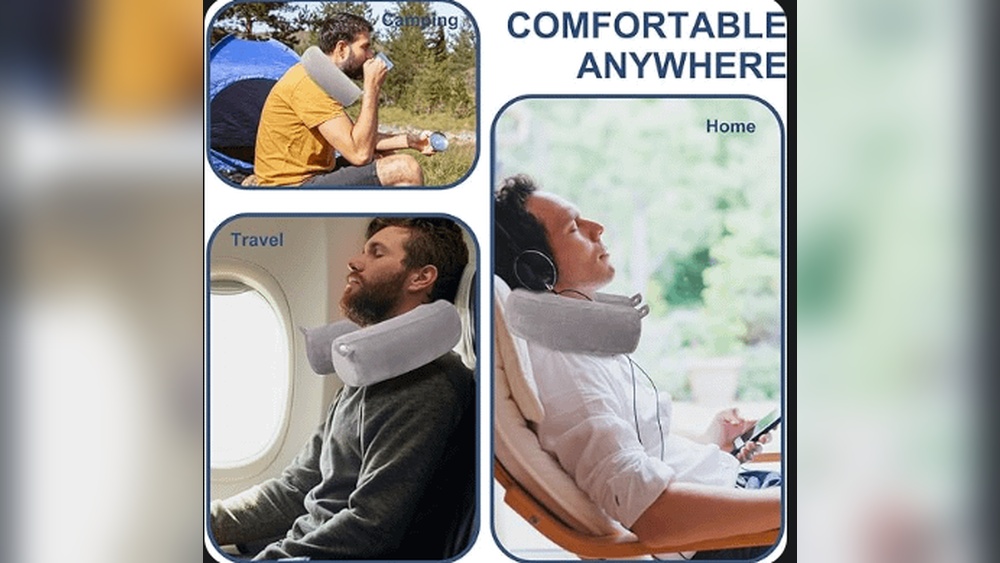
How to Use Camping Pillow: Ultimate Comfort Tips for Outdoor Sleep
Are you tired of waking up with a stiff neck after a night of camping? Your camping pillow might be the key to a restful sleep outdoors—but only if you use it the right way.
In this guide, you’ll learn simple, practical tips to get the most comfort and support from your camping pillow. Whether you’re new to camping or a seasoned adventurer, mastering the use of your pillow can transform your nights under the stars.
Keep reading, and discover how small adjustments can make a big difference in your camping experience.
Choosing The Right Camping Pillow
Picking the right camping pillow makes a big difference in comfort. A good pillow supports your neck and helps you sleep better outdoors. Not all camping pillows are the same. Understanding the types, materials, and size helps find the best fit for your needs.
Consider how you sleep, where you camp, and how much space you have. A well-chosen pillow can make your trip more restful and enjoyable. Here are key points to help you decide.
Types Of Camping Pillows
There are mainly inflatable, foam, and compressible pillows. Inflatable pillows save space and adjust firmness easily. Foam pillows offer firm support and durability. Compressible pillows are soft and pack down small. Choose a type that fits your comfort and packing style.
Material And Durability
Look for pillows made from strong, water-resistant materials. Nylon and polyester are common choices. These fabrics dry fast and resist dirt. Durable pillows last longer through rough outdoor use. Soft covers add comfort but check if they can be removed and washed.
Size And Portability
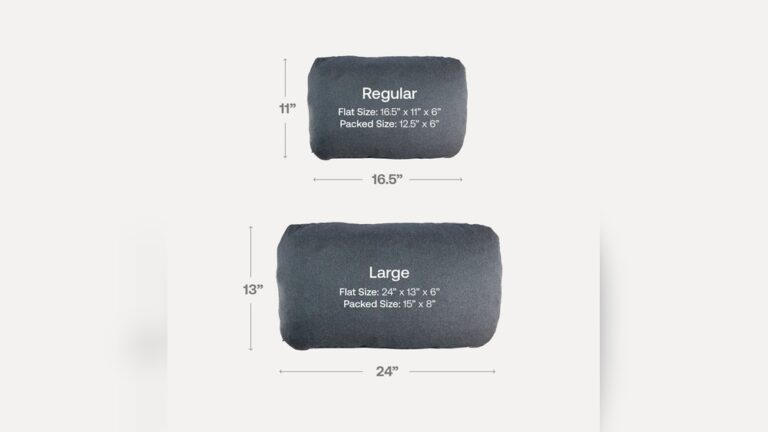
Smaller pillows are easier to carry and pack. Inflatable pillows can be deflated to save space. Compressible pillows squish down into small bags. Large pillows give more comfort but take more room. Balance size with how much gear you want to carry.

Credit: egyptproco.com
Inflating And Adjusting
Inflating and adjusting your camping pillow correctly ensures a comfortable night’s rest outdoors. Proper inflation gives the pillow the right support without being too hard or too soft. Adjusting the firmness tailors the pillow to your personal comfort. Learning how to deflate and pack the pillow helps save space and keeps your gear organized.
Proper Inflation Techniques
Start by opening the valve on your camping pillow. Blow air slowly into the valve until the pillow begins to take shape. Avoid overinflating; the pillow should feel firm but still soft. Press gently on the pillow to check its firmness. Close the valve tightly to keep the air inside. Some pillows have a pump feature; use it if available for easier inflation.
Adjusting Firmness For Comfort
Adjust the pillow’s firmness by adding or releasing air. For a softer pillow, let some air out through the valve. For a firmer feel, add more air. Test the pillow by resting your head on it. Find a balance where your neck feels supported without strain. Adjust as needed during the night for the best comfort.
Deflating And Packing Tips
Open the valve fully to let the air escape. Press down on the pillow to push out the remaining air. Roll or fold the pillow tightly to remove all air pockets. Secure the pillow with its strap or place it in its storage bag. Pack the pillow in an easy-to-reach spot in your backpack. This saves space and keeps your gear neat.
Positioning For Best Support
Positioning a camping pillow correctly improves sleep quality and reduces neck pain. A well-placed pillow keeps your head and neck in a natural line. It helps you rest comfortably during outdoor adventures. Understanding key positions makes your camping pillow more effective. Adjust the pillow based on your sleeping style for best support.
Neck And Head Alignment
Place the pillow to fill the gap between your neck and sleeping surface. Keep your head level with your spine to avoid strain. Use a pillow that supports your neck’s natural curve. This alignment reduces muscle tension and helps you wake refreshed. Avoid placing the pillow too high or too low.
Using Forward Support To Prevent Chin Droop
Position the pillow so it supports your chin from falling forward. This is especially helpful when sitting upright. The pillow stops your head from dropping and neck from bending unnaturally. Use a U-shaped pillow with the opening under your chin for best results. It keeps your airway open and prevents discomfort.
Side Support For Leaning Comfort
For side sleepers, place the pillow on the side of your head. The thick part should fill the space between your head and shoulder. This prevents your head from tilting too far to one side. Side support keeps your neck muscles relaxed and comfortable. Adjust the pillow’s position to fit your body shape.

Credit: smaroadsafety.com
Securing Your Pillow
Securing your camping pillow is key for a restful night outdoors. A well-secured pillow stays in place and supports your head and neck. This section explains simple ways to keep your pillow steady and comfortable.
Using Fasteners And Straps
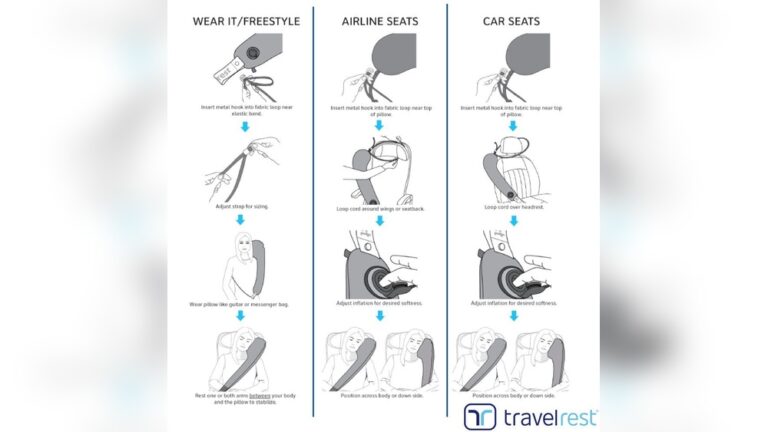
Many camping pillows come with built-in fasteners or straps. Use these to attach the pillow to your sleeping bag or pad. Fasteners hold the pillow steady and stop it from moving. Straps can be adjusted for a better fit. Make sure to check if the fasteners are secure before sleep.
Ensuring A Snug Fit Without Tightness
Fit the pillow close to your head but avoid tightness. A snug fit provides support and comfort. Too tight can cause discomfort or restrict movement. Adjust straps or fasteners just enough to keep the pillow in place. This balance helps you relax and prevents neck strain.
Avoiding Slippage During Sleep
Slippage ruins sleep quality. To prevent this, place the pillow on a non-slip surface like a textured sleeping pad. Use fasteners and straps to anchor the pillow firmly. Avoid smooth or slick surfaces that allow sliding. Check the pillow position after settling down to ensure it stays put.
Optimizing Sleeping Posture
Optimizing your sleeping posture with a camping pillow improves comfort and rest. Proper posture helps reduce neck and back pain during camping trips. It supports your spine and keeps your body aligned. Small adjustments can make a big difference in how well you sleep outdoors.
Maintaining Spinal Alignment
Keep your neck and spine in a straight line when using a camping pillow. Place the pillow so it fills the gap between your head and the sleeping surface. Avoid bending your neck too far forward or backward. A well-aligned spine reduces muscle strain and helps you wake up refreshed.
Adjusting Seat Or Sleeping Angle
Tilt your seat or sleeping pad slightly to find a comfortable angle. A slight recline eases pressure on your lower back. Adjust the pillow height to match this angle. Proper adjustment prevents your head from falling forward or sideways during sleep.
Avoiding Common Mistakes
Do not use a pillow that is too thick or too flat. Too much height strains your neck, while too little offers no support. Avoid folding or bunching the pillow under your head. Make sure the pillow stays in place and does not slip during sleep.

Credit: yourpghlawyer.com
Care And Maintenance
Proper care and maintenance keep your camping pillow clean and comfortable. Good habits protect the pillow from damage and dirt. This ensures a fresh, supportive experience on every trip. Follow simple steps to clean, store, and extend the pillow’s life.
Cleaning Tips
Check the pillow’s care label before cleaning. Most camping pillows need gentle washing. Use mild soap and warm water for spot cleaning. Avoid harsh detergents or bleach that may damage fabric. For removable covers, machine wash on a gentle cycle. Air dry the pillow fully to prevent mold. Do not use a dryer unless the label allows it.
Storage Recommendations
Store the pillow in a dry, cool place after use. Avoid direct sunlight to prevent fabric fading. Keep it in a breathable bag or pillowcase to reduce dust. For inflatable pillows, deflate fully and fold carefully. Do not store while wet or damp. Proper storage stops mildew and keeps the pillow fresh.
Extending Pillow Lifespan
Use a pillowcase or cover during camping to protect the pillow. Avoid placing heavy items on the pillow when packed. Inflate pillows only to recommended firmness to avoid stress on seams. Regularly check for small tears or leaks and repair quickly. Keeping the pillow clean and dry also prevents wear and tear. These small steps help your camping pillow last many adventures.
Troubleshooting Common Issues
Camping pillows improve sleep comfort outdoors. Sometimes, small problems can affect your rest. Troubleshooting common issues helps you use your pillow better. It makes your camping nights peaceful and cozy. Here are some tips to fix typical problems with camping pillows.
Dealing With Head Bobbing
Head bobbing happens when your pillow does not hold your head well. Adjust the pillow height by adding or releasing air. Make sure the pillow fits snugly around your neck. Use straps or fasteners to keep it in place. Try shifting your head slightly to find a stable position. A steady head means better sleep and less neck pain.
Fixing Uncomfortable Pressure Points
Pressure points cause pain or discomfort on your head or neck. Change the pillow’s firmness to soften hard spots. Inflate or deflate an air pillow slowly to reach comfort. Use a thin cloth cover to add softness and reduce pressure. Move the pillow slightly to avoid pressing the same spot. Comfort improves when pressure is evenly spread.
Adjusting For Personal Preferences
Everyone has unique comfort needs. Test different pillow positions: under the neck, behind the head, or along the side. Adjust the firmness by adding or removing air in inflatable pillows. Try folding or rolling non-inflatable pillows to change their shape. Use a pillowcase for hygiene and extra softness. Personalizing your pillow helps you rest better outdoors.
Extra Comfort Tips
Enhancing your camping pillow use can boost your sleep quality outdoors. Small changes make big differences in comfort. Here are some extra comfort tips to improve your camping rest.
Combining With Other Gear
Pair your camping pillow with a good sleeping pad. The pad cushions your body, while the pillow supports your neck. Use a lightweight blanket or sleeping bag to add warmth. Layering gear creates a cozy sleep environment. This setup reduces pressure points and keeps you comfortable all night.
Using Pillow For Multiple Sleep Positions
Adjust your pillow to match your sleep style. For back sleepers, place the pillow under your neck for support. Side sleepers should tuck the pillow between the neck and shoulder. Stomach sleepers can flatten the pillow or fold it thinly. Changing pillow shape helps keep your spine aligned. This reduces stiffness and improves rest.
Experimenting To Find Your Best Setup
Try different pillow positions to find what feels best. Inflate or deflate if your pillow is adjustable. Test various firmness levels and angles. Move your pillow slightly during the night to relieve pressure. Keep a small notebook to note what works well. Personalizing your setup leads to better sleep on every trip.
Frequently Asked Questions
What Is The Correct Way To Use A Travel Pillow?
Place the U-shaped travel pillow with the opening at the front to support your chin and prevent head drooping. Adjust straps for a snug fit. For side sleeping, position the thick part to support your neck. Keep your head aligned with your spine for comfort and pain prevention.
What’s The Point Of A Travel Pillow?
A travel pillow supports your neck and head during travel, preventing pain and discomfort. It keeps your spine aligned and enhances rest on the go.
What Is The Correct Way To Use A Contour Pillow?
Place the contour pillow under your neck, aligning it with your natural curve. Lie on your back or side for best support. Adjust pillow height to keep your spine neutral. Avoid placing it behind your head to prevent strain. Use it snugly but comfortably for optimal neck relief.
Is A Camping Pillow Worth It?
A camping pillow enhances sleep comfort and supports your neck outdoors. It’s lightweight, portable, and improves rest quality, making it worth carrying.
Conclusion
Using a camping pillow correctly improves your sleep outdoors. Place it to support your neck and chin well. Adjust the fit so it feels snug but not tight. Inflate or deflate if needed for comfort. Keep your head and spine in a straight line.
Avoid wearing the pillow with the opening in the back. Small changes make a big difference in comfort. Try different positions to find what works best. Good rest helps you enjoy your camping trip more.