How to Use Inflatable Sleeping Pad: Ultimate Guide for Comfort
Are you ready to make your camping nights more comfortable? Learning how to use an inflatable sleeping pad can transform your outdoor experience, giving you a cozy rest no matter where you are.
Whether you’re a beginner or just want to get the most out of your gear, this simple guide will show you exactly how to inflate, adjust, and pack your sleeping pad with ease. You’ll discover tips to save time, avoid common mistakes, and enjoy better sleep under the stars.
Keep reading, and soon you’ll be waking up refreshed and ready for your next adventure!
Inflating Your Sleeping Pad
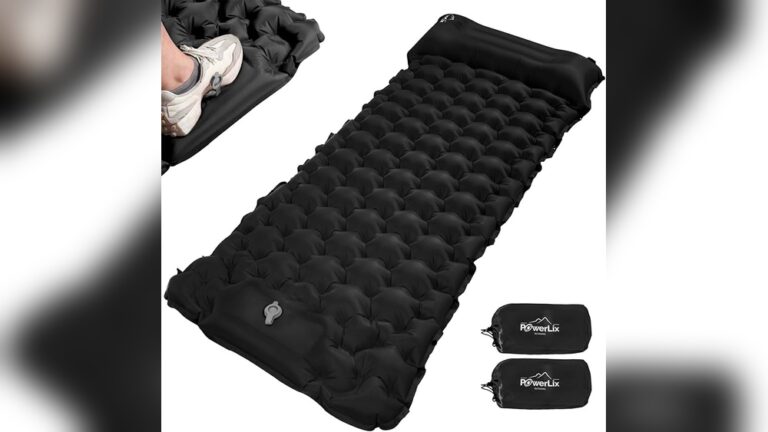
Inflating your sleeping pad properly ensures a comfortable night outdoors. Each step matters to get the right firmness and support. Follow simple actions to prepare your pad for use.
Unroll And Locate Valve
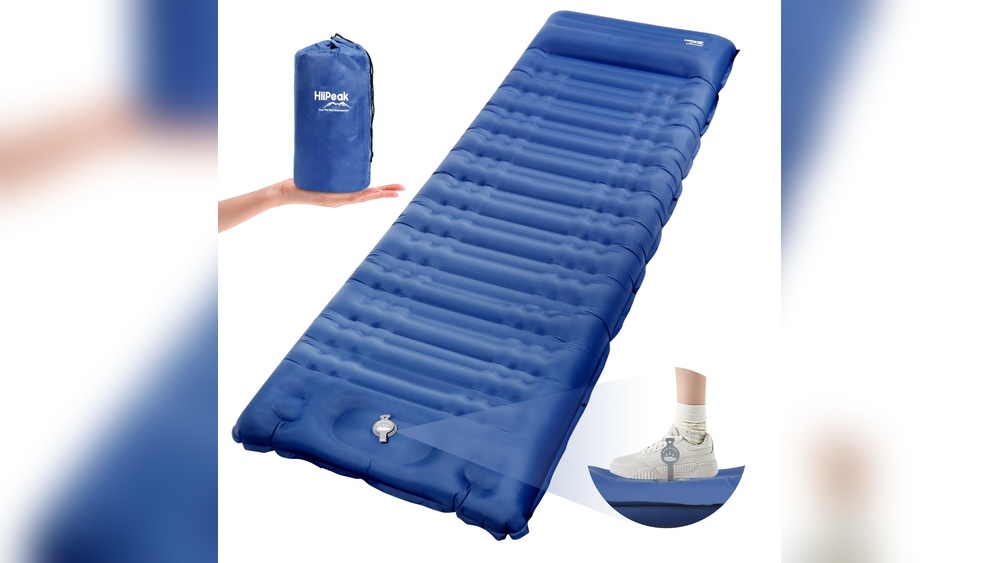
Start by unrolling the sleeping pad on a flat surface. Find the valve, usually near one corner. This valve controls the air flow in and out of the pad.
Open Valve To Start Inflation
Turn the valve counterclockwise to open it. Opening the valve lets air enter the pad. Keep the valve open during the next step.
Let Foam Expand And Draw Air
Wait as the foam inside expands naturally. This foam pulls air into the pad without effort. Give it a few minutes to fill with air.
Top Off With Breaths Or Pump
Blow air into the valve if you want extra firmness. Use your mouth or a hand pump to add air. Stop when the pad feels firm but still soft.
Close Valve Securely
Turn the valve clockwise to close it tightly. A closed valve keeps air from escaping. Check that it is fully sealed before using.
Check Firmness For Comfort
Lie down gently on the pad to test comfort. Adjust air by adding or releasing if needed. A good pad supports your body evenly all night.
Deflating And Packing
Deflating and packing your inflatable sleeping pad properly makes it last longer. It also saves space in your backpack. Follow simple steps to remove air and fold the pad neatly. This keeps the pad safe and ready for your next trip.
Open Valve To Release Air
Locate the valve on your sleeping pad. Turn it counterclockwise to open. This lets the air start escaping. Keep the valve open during the whole process.
Roll From Foot End To Expel Air
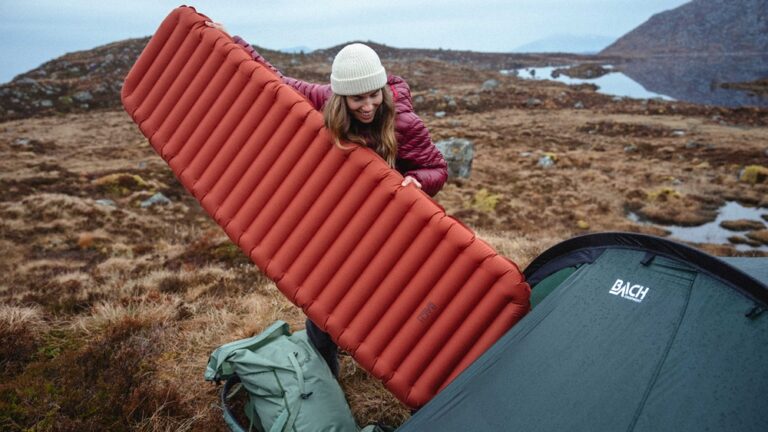
Begin rolling the pad from the foot end. Roll slowly to push out trapped air. Rolling in this direction helps remove air efficiently.
Kneel Or Press To Squeeze Out Air
Use your hands or knees to press the pad. This squeezes out extra air. Press firmly but gently to avoid damage.
Close Valve And Secure Straps
Once most air is out, close the valve tightly. Wrap the pad with its straps or bands. This keeps it from unrolling during transport.
Store In Dry, Cool Place
Keep your packed pad in a dry, cool spot. Avoid damp or hot areas to protect materials. Proper storage extends the pad’s lifespan.
Tips For Best Comfort
Using an inflatable sleeping pad correctly can improve your outdoor sleep quality. Small adjustments help make your rest more comfortable. Follow these tips to get the best comfort from your sleeping pad.
Avoid Over-inflating
Do not fill the pad with too much air. Over-inflating makes it hard and less comfortable. Leave some space for the pad to adjust to your body.
Use A Groundsheet Underneath
Place a groundsheet under the pad to protect it. This keeps sharp stones, dirt, and moisture away. It extends the life of your sleeping pad and improves comfort.
Keep Pad Clean And Dry
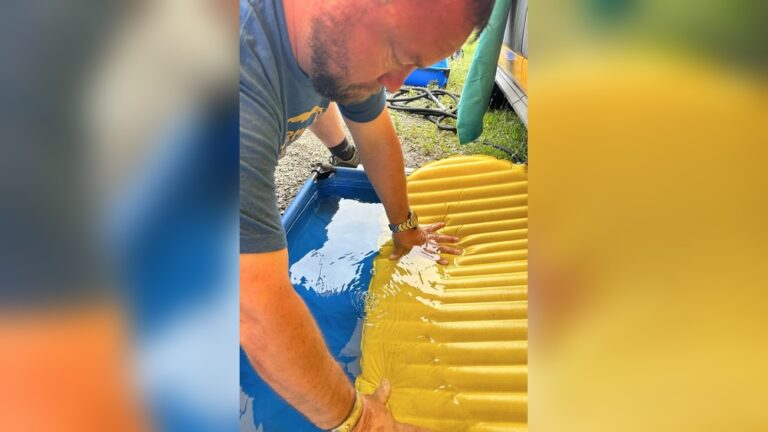
Wipe your pad clean after use. Moisture and dirt can damage the material. Dry it fully before storing to avoid mold and bad smells.
Add Extra Insulation If Needed
In cold weather, add an extra layer under the pad. Use a foam mat or blanket for extra warmth. This prevents heat loss through the ground.
Position Pad For Body Support
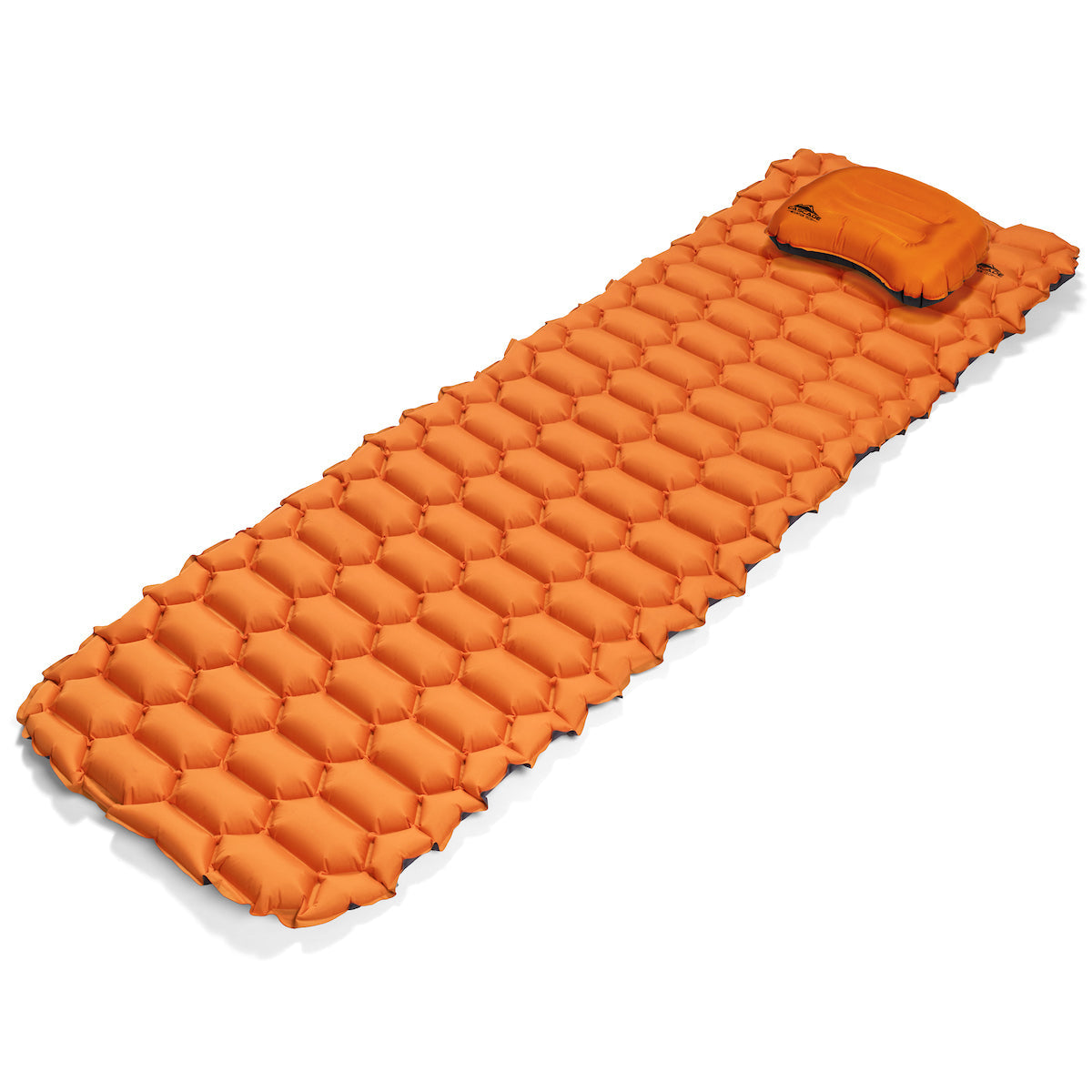
Place the pad to support your body evenly. Align it with your spine and hips. Proper positioning helps reduce pressure points and improves sleep quality.
Credit: cascademountaintech.com
Choosing The Right Pad
Choosing the right inflatable sleeping pad is key for a good night’s rest outdoors. The right pad adds comfort and warmth. It fits your body and your trip needs. Think about size, thickness, insulation, weight, and durability before buying. Each factor plays a role in your sleeping experience.
Compare Pad Thickness And Size
Pad thickness affects comfort. Thicker pads give more cushion from hard ground. Thin pads pack smaller but feel less soft. Size matters for your height and sleeping style. Longer and wider pads suit bigger sleepers. Small pads weigh less but may limit space to move.
Consider Insulation Type
Insulation keeps you warm by blocking cold from the ground. Some pads have foam inside for insulation. Others use air chambers with reflective layers. Look for a pad with insulation matching your camping climate. Warm pads are best for cold weather trips. Lightweight pads work well in summer.
Weight And Packability Factors
Weight is vital for backpackers. Light pads reduce load and save energy. Packability means how small the pad compresses for carrying. Inflatable pads usually pack smaller than foam pads. Check the pad’s packed size to fit your backpack. Balance weight with comfort and warmth needs.
Durability And Repair Options
Durability ensures the pad lasts many trips. Look for tough materials that resist punctures and tears. Some pads come with repair kits or patches. Choose pads that offer easy repair options. Carry a patch kit for quick fixes during your trip. A durable pad protects your investment.
Common Mistakes To Avoid
Using an inflatable sleeping pad can improve your outdoor rest. Avoiding common mistakes helps keep the pad in good shape. It also ensures a comfortable sleep during your adventures.
Read on to learn which errors to watch out for when handling your inflatable sleeping pad.
Forgetting To Open Valve Before Rolling
Always open the valve before rolling the pad. Closing the valve traps air inside. This makes the pad hard to compress. It can also damage the valve or the pad itself. Opening the valve releases air easily for compact packing.
Over-inflating Causing Damage
Do not blow too much air into the pad. Over-inflating puts stress on seams and fabric. This can cause leaks or tears. Inflate only until the pad feels firm but not tight. A properly inflated pad offers good support without strain.
Ignoring Leaks And Punctures
Check the pad for leaks before each use. Small holes cause air loss and reduce comfort. Patch any punctures quickly with a repair kit. Ignoring leaks leads to a flat pad and restless nights outdoors.
Packing Away Wet Pads
Never store your sleeping pad while wet or damp. Moisture causes mold, mildew, and bad smells. Let the pad dry fully in sunlight before packing. Proper drying keeps the pad fresh and extends its life.
Not Testing Firmness Before Use
Test the pad’s firmness before lying down. Adjust air levels to match your comfort needs. A too-soft or too-hard pad affects sleep quality. Taking a moment to check prevents waking up with aches.

Credit: www.amazon.com
Credit: www.rei.com
Frequently Asked Questions
How To Use A Self-inflating Sleeping Pad?
Unroll the pad and open the valve by turning it counterclockwise. Let the foam expand and draw in air. Add breaths to reach firmness. Close the valve by turning clockwise. To pack, open the valve, roll from the foot end, and press out air before storing.
How To Roll Up An Inflatable Sleeping Pad?
To roll up an inflatable sleeping pad, open the valve and flatten the pad. Roll tightly from one end, pushing air out. Close the valve to secure it.
Are Inflatable Sleeping Pads Good?
Inflatable sleeping pads offer excellent comfort and packability. They compress small and provide good insulation. Weight varies by design.
How Do Self-inflating Roll Mats Work?
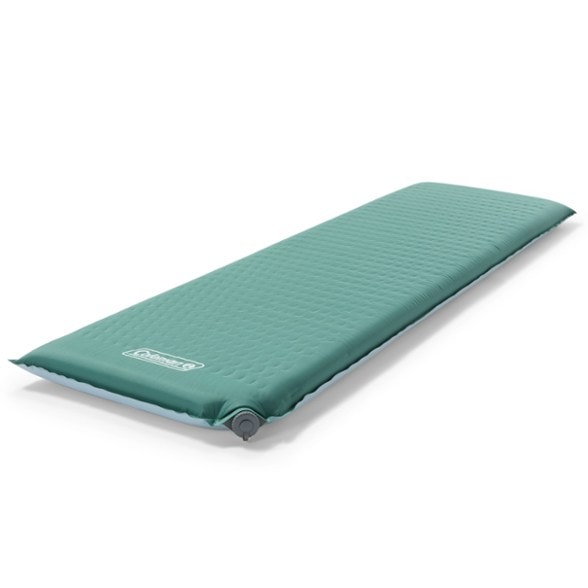
Self-inflating roll mats contain open-cell foam inside an airtight cover. Opening the valve lets foam expand, drawing air in. The foam traps air, providing cushioning and insulation. Closing the valve seals the mat, keeping it inflated for comfortable use.
Conclusion
Using an inflatable sleeping pad makes camping more comfortable and restful. Simply open the valve to let air fill the pad. Adjust the firmness by adding or releasing air as needed. Roll it tightly to remove air before packing. Store it in a dry place to keep it in good shape.
With these easy steps, your sleeping pad will be ready for every outdoor trip. Enjoy better sleep and more energy on your adventures.