How to Use Sleeping Pad: Ultimate Guide for Comfort & Warmth
Are you ready to transform your outdoor sleep experience? Using a sleeping pad might seem simple, but knowing the right way to set it up can make all the difference between a restless night and waking up refreshed.
Whether you’re camping in Austin, Texas, or exploring the great outdoors elsewhere, your sleeping pad is your key to comfort and warmth on the ground. In this guide, you’ll discover easy, step-by-step tips to inflate, adjust, and care for your sleeping pad so you can sleep like you’re on a cloud—no matter where you are.
Keep reading, and you’ll learn how to get the perfect firmness, protect your pad from damage, and pack it up effortlessly for your next adventure. Your best night’s sleep outside starts here!
Types Of Sleeping Pads
Sleeping pads come in various types to suit different needs and preferences. Each type offers unique benefits for comfort, weight, and ease of use. Understanding these types helps you choose the best pad for your outdoor adventures.
Self-inflating Pads
Self-inflating pads combine foam insulation with air chambers. Open the valve and the pad fills itself with air. They provide good comfort and insulation. These pads are easy to use and ideal for cold weather. They tend to be heavier than other types.
Air Pads With Pump Sack
Air pads use air for cushioning and need inflation before use. A pump sack helps inflate the pad quickly without mouth contact. These pads are lightweight and pack small. They offer excellent comfort but require care to avoid punctures. Pump sacks make inflation cleaner and faster.
Mouth-inflated Air Pads
Mouth-inflated pads are simple air mattresses. Blow air directly into the valve to inflate. They are very light and compact when deflated. These pads may require more effort to inflate. They are budget-friendly and good for short trips.
Foam Pads
Foam pads are made of closed-cell foam. They provide firm support and excellent insulation. Foam pads are durable and never need inflation. They are the lightest and cheapest option. These pads work well as a base layer or extra insulation.
Credit: support.enlightenedequipment.com
Inflating Your Sleeping Pad
Inflating your sleeping pad is the first step to a comfortable night outdoors. Proper inflation ensures good support and insulation. Different sleeping pads have different inflation methods. Understanding these methods helps you set up quickly and sleep well.
Unrolling And Valve Operation
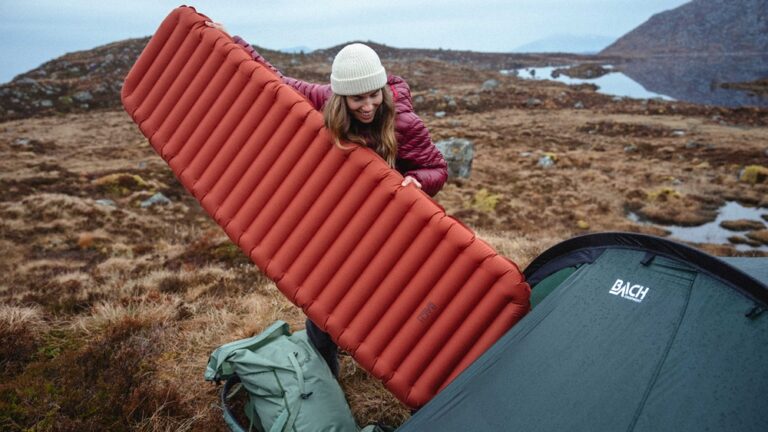
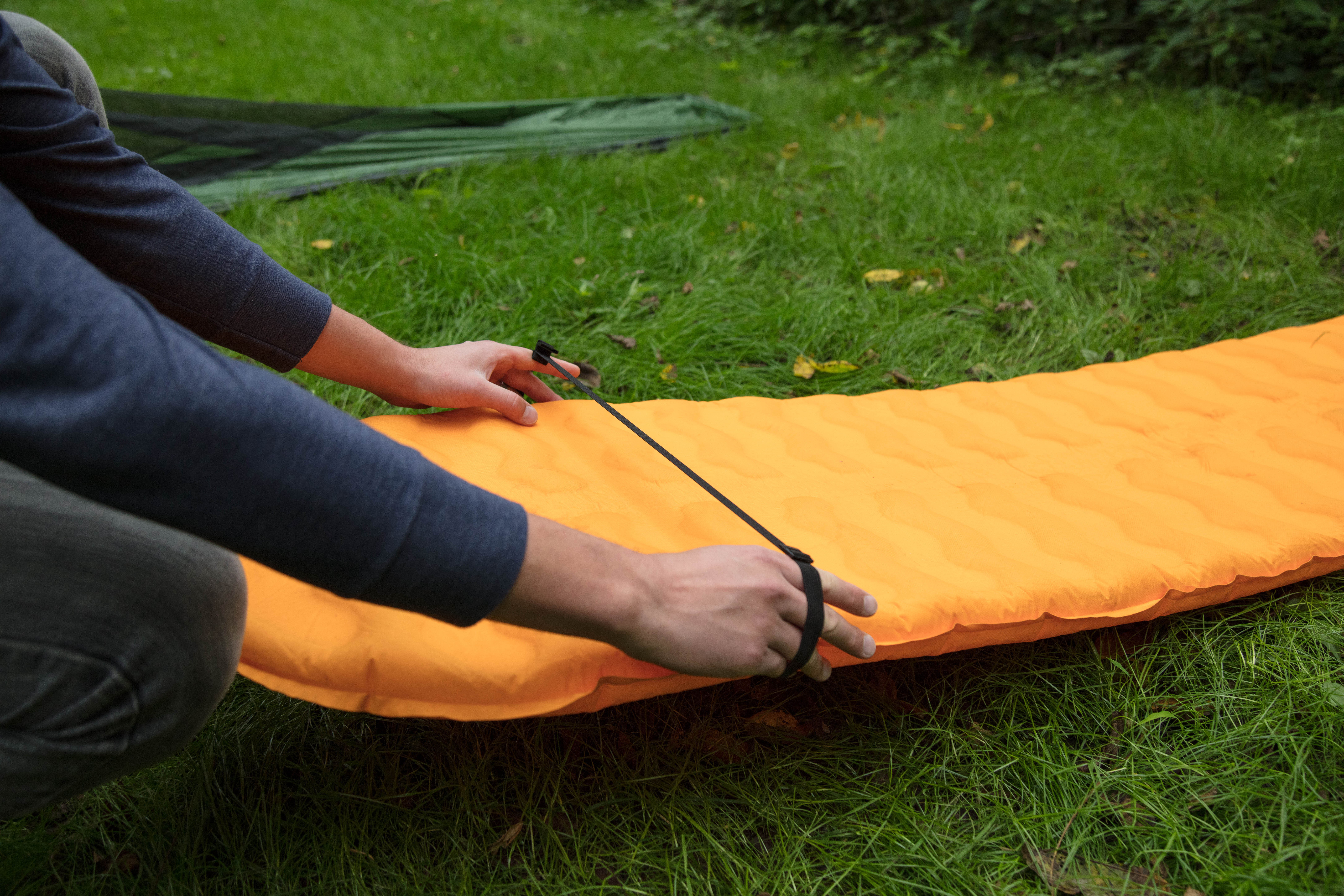
Start by unrolling your sleeping pad on a flat surface. Find the valve, usually located at one end. Open the valve gently to let air in or out. Some valves twist, others pull open. Make sure the valve is fully open before inflating.
Using Built-in Pumps
Some sleeping pads come with built-in pumps. These make inflation easier and faster. Use the pump by pressing or squeezing it as instructed. Avoid over-inflating as it may damage the pad. Built-in pumps save energy and time.
Pump Sack Technique
A pump sack is a bag that helps fill your pad with air. Attach the sack to the valve tightly. Scoop air into the sack and then push the air into the pad. Repeat until the pad is firm. This method uses no breath and is quick.
Breath Inflation Tips
Breath inflation is simple but takes effort. Blow air into the valve slowly to avoid moisture inside. Take breaks to catch your breath. Keep the valve open after inflating to let excess air escape. This method works if no pump is available.
Adjusting Firmness
Adjust firmness by adding or releasing air. A softer pad is warmer and more cushioned. A firmer pad offers better support for your body. Find the balance that feels best for you. Close the valve tightly to keep the air inside.
Setting Up For Comfort
Setting up your sleeping pad properly is key to a restful night’s sleep outdoors. Comfort starts with the right preparation. Follow simple steps to ensure your sleeping pad supports you well and stays safe from damage.
Each step helps create a cozy sleeping area. A few small actions lead to big comfort gains. Let’s explore how to set up your sleeping pad for maximum ease and support.
Choosing The Right Spot
Pick a flat, even area to place your sleeping pad. Avoid slopes and uneven ground to prevent rolling or discomfort. Check for rocks, sticks, or debris that can poke through your pad. Clear the spot well to protect your pad and your body.
Ground Protection Layers
Place a groundsheet or footprint under your sleeping pad. This layer shields it from sharp objects and moisture. Thin foam pads add extra cushion and insulation. Protecting your pad extends its life and keeps you warmer at night.
Placing Pad Inside Tent
Lay the sleeping pad inside your tent carefully. Position it flat and centered for stability. Make sure it fits well without blocking tent doors or vents. Proper placement keeps your pad clean and dry during your stay.
Securing Pad With Sleeping Bag
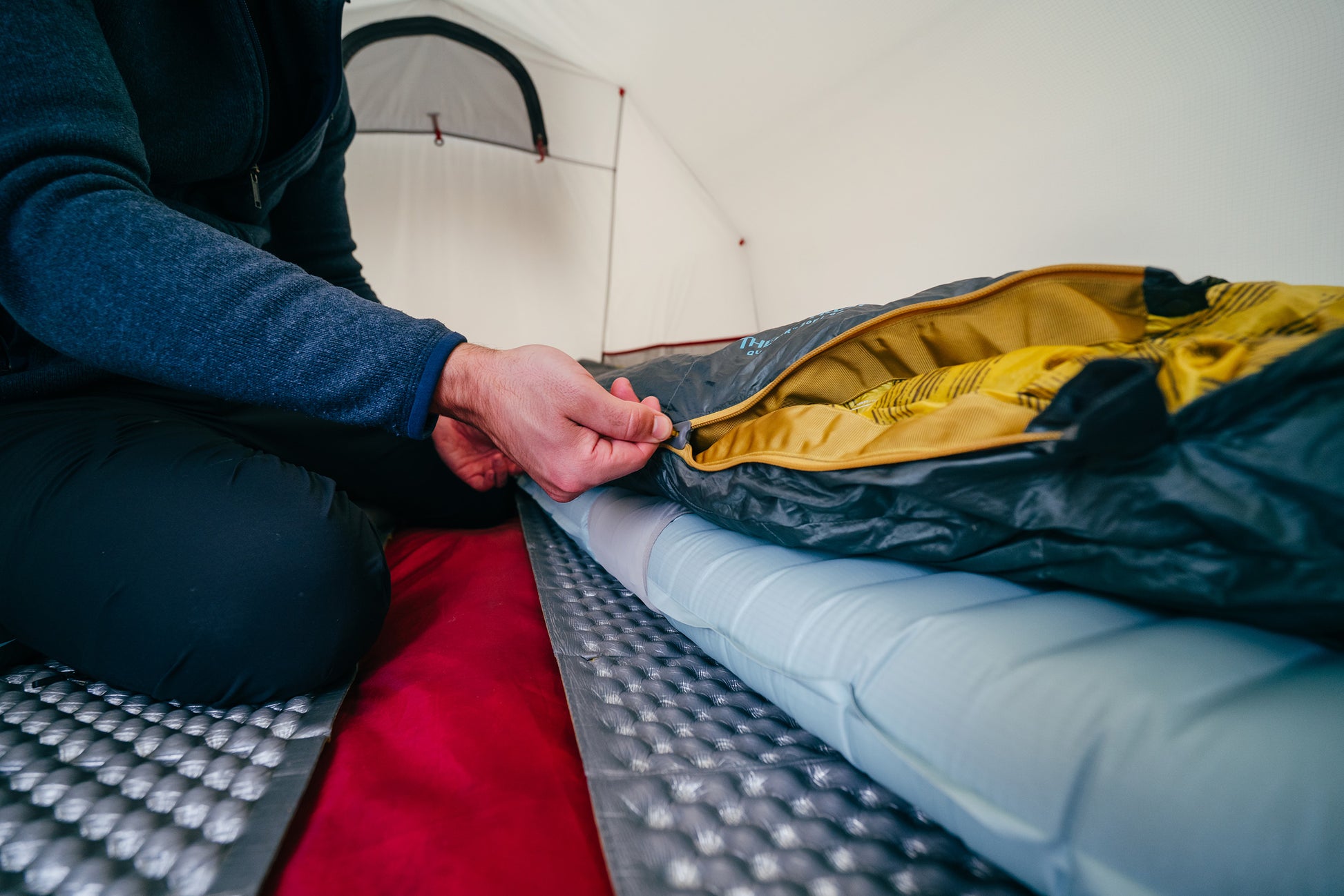
Place your sleeping bag on top of the pad. Tuck or clip the bag’s corners to the pad if possible. This stops sliding during the night. Keeping the pad and bag together enhances warmth and comfort as you rest.
Maintaining Warmth
Maintaining warmth during sleep outdoors is crucial for comfort and safety. A sleeping pad acts as a barrier between you and the cold ground. Proper use of your sleeping pad helps keep body heat trapped close to you. It reduces heat loss through conduction and improves overall warmth in your sleeping setup.
Insulation Principles
Sleeping pads insulate by trapping air in their material. Air slows down heat transfer from your body to the ground. Foam pads use closed cells to block cold from below. Inflatable pads create air pockets to keep warmth inside. The thickness and material of the pad affect how well it insulates. Always choose a pad with a good R-value for colder conditions.
Combining Pads And Sleeping Bags
Use your sleeping pad under your sleeping bag for extra warmth. The pad blocks cold air from reaching your body. A sleeping bag alone cannot stop heat loss to the ground. Placing the pad beneath the bag creates a warm, insulated layer. Make sure your sleeping bag fits well over the pad without gaps. This combination keeps you warmer throughout the night.
Avoiding Heat Loss
Keep your sleeping pad fully inflated to prevent cold spots. Deflated or thin areas allow heat to escape quickly. Avoid placing your pad on wet or uneven ground. Moisture reduces insulation and causes heat loss. Use a groundsheet to protect the pad and keep it dry. Also, try to minimize air gaps between your body and the pad.
Using Reflective Layers
Add a reflective layer under or on top of your sleeping pad. Reflective materials bounce your body heat back toward you. These layers increase the pad’s insulation without adding bulk. Foil blankets or specialized reflective mats work well. Place the reflective layer with the shiny side facing your body. This simple trick helps maintain warmth on cold nights.
Deflating And Packing
Deflating and packing your sleeping pad properly is key to keeping it in good condition. Doing this right saves space and makes it easier to carry. Follow simple steps to remove air and fold the pad neatly. This process helps the pad last longer and stay ready for your next trip.
Opening Deflation Valves
Start by fully opening the deflation valves. These valves let the air escape quickly. Make sure they are wide open to speed up deflation. Some pads have double valves; open both for faster air release. Keep the valves open until the pad is almost flat.
Rolling Techniques
Begin rolling the pad from the side opposite the valves. Roll slowly and firmly to push air out. Use your hands to press air toward the valves as you roll. Keep the roll tight to save space. Stop rolling just before the valves to allow final air escape.
Storage Tips
Store the pad in a dry, cool place to avoid damage. Keep it loosely rolled if storing long-term. Avoid compressing the pad for months to protect foam inside. Use a storage sack to keep dirt off. Check the pad for moisture before packing away.
Preventing Damage
Avoid sharp objects when packing and storing your pad. Clean the pad before packing to prevent dirt buildup. Do not overroll or force the pad into a small bag. Check valves for dirt or damage regularly. Handle the pad gently to extend its life.

Credit: www.youtube.com
Care And Maintenance
Proper care and maintenance keep your sleeping pad comfortable and durable. Small efforts extend its life and ensure it works well on every trip. Clean it carefully, fix any holes quickly, and store it right. These steps protect your investment and improve your outdoor sleep.
Cleaning Methods
Use a soft cloth and mild soap to clean the pad. Avoid harsh chemicals that can damage the fabric. Wipe off dirt and stains gently. Rinse with clean water and air dry completely before packing. Do not machine wash or dry your sleeping pad.
Repairing Small Holes
Inspect your pad for small holes or leaks regularly. Use a patch kit designed for sleeping pads to fix holes. Clean the area around the hole before applying the patch. Press the patch firmly and let it set for several hours. Test the pad for leaks after repair.
Storage Conditions
Store your sleeping pad in a cool, dry place away from sunlight. Keep it loosely rolled or flat to prevent damage. Avoid leaving it compressed for long periods. Store your pad with valves open to maintain its shape and air flow. Proper storage prevents mold and material wear.
Extending Pad Lifespan
Use a ground cloth under your pad to protect it from sharp objects. Avoid placing it on rough or rocky surfaces. Inflate the pad only as much as needed for comfort. Deflate it fully before packing to avoid stress on seams. Regular care and gentle use will keep your pad lasting longer.
Common Mistakes To Avoid
Using a sleeping pad correctly can improve your comfort during camping or hiking trips. Avoiding common mistakes helps keep the pad in good shape and ensures better sleep. Many people make simple errors that reduce the pad’s effectiveness or cause damage.
Understanding these mistakes will save time and money. It also increases the pad’s lifespan and your enjoyment outdoors.
Over Or Under Inflation
Inflating a sleeping pad too much can make it hard and uncomfortable. It may also cause leaks or damage. On the other hand, under inflating leaves the pad too soft and reduces support. Find the right balance by inflating until firm but still cushioned. Test the firmness before sleeping.
Ignoring Ground Hazards
Placing the sleeping pad directly on rough or sharp ground can cause punctures. Always check the area for rocks, sticks, or debris. Use a groundsheet or tarp for extra protection. This simple step prevents damage and keeps the pad clean and dry.
Improper Storage
Storing the sleeping pad while wet or dirty can lead to mold and bad smells. Avoid folding it too tightly, which may damage the air chambers. Instead, let it dry completely and roll or fold it loosely. Store in a cool, dry place away from direct sunlight.
Neglecting Regular Checks
Regularly inspect the sleeping pad for holes, leaks, or worn spots. Small problems can get worse if ignored. Inflate the pad and listen for escaping air sounds. Patch any holes promptly to keep the pad reliable. Check valves and seams for proper function before each trip.
Enhancing Sleeping Pad Experience
Enhancing your sleeping pad experience makes outdoor rest more comfortable. Small adjustments can improve support and warmth. Simple additions help you sleep better on uneven or hard ground. These tips keep your body cozy and relaxed all night.
Adding Extra Padding
Place a foam or closed-cell pad under your sleeping pad. This adds cushion and protects against sharp rocks. Use a folded blanket or towel for extra softness. Extra padding helps reduce pressure points on your body. It also boosts insulation to keep you warmer in cold conditions.
Using Pillow Attachments
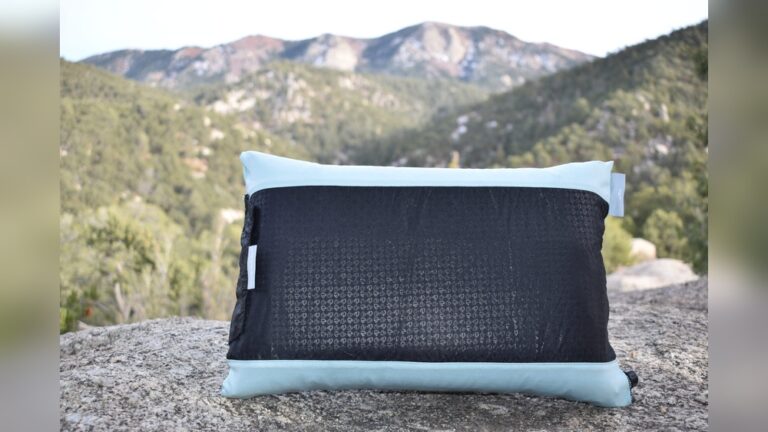
Attach inflatable or foam pillows to your sleeping pad. Some pads have built-in pillow pockets or straps. Use a small camping pillow for neck support and comfort. If none are available, a stuff sack filled with clothes works well. A proper pillow helps maintain spine alignment and improves sleep quality.
Layering Techniques
Layer your sleeping pad with a blanket or emergency blanket on top. This adds warmth by reflecting body heat back to you. Place a thin sheet between your sleeping bag and pad to keep it clean. Layering also prevents slipping and keeps your pad in place. Adjust layers based on temperature and comfort needs.
Customizing Firmness
Control your pad’s firmness by adjusting the air inside. Add more air for a firmer surface or release some for softness. Some pads use valves to fine-tune air pressure easily. Use a pump sack for consistent inflation without overfilling. Custom firmness supports your body shape and sleeping position better.
Credit: cascadedesigns.com
Frequently Asked Questions
How To Use A Sleeping Pad?
Unroll the sleeping pad and open its valve. Inflate by blowing air or using a pump sack. Close the valve tightly. Place the pad under your sleeping bag for comfort and insulation. Adjust firmness by adding or releasing air until you feel cushioned from the ground.
How To Inflate A Sleeping Pad With A Built-in Pump?
Unroll the sleeping pad and open the built-in pump valve. Press the pump repeatedly to inflate the pad. Close the valve tightly when firm.
How Does A Sleeping Pad Work?
A sleeping pad insulates and cushions your body from the cold, hard ground. It traps air or foam for warmth and comfort. Inflate or unroll it, then place it under your sleeping bag to create a soft, insulated sleeping surface.
What Do You Put Under A Sleeping Pad?
Place a groundsheet or foam pad under your sleeping pad to protect it from sharp rocks and moisture. This prevents damage and adds insulation.
Conclusion
Using a sleeping pad makes outdoor sleeping more comfortable and warm. Simply unroll, inflate, and place it under your sleeping bag. Adjust the firmness to suit your comfort. Protect your pad by checking the ground and using a groundsheet. Regular care helps your pad last longer.
Enjoy better rest on every trip with these simple steps.