How to Use Tent Footprint: Ultimate Guide for Durable Camping Gear
If you love camping, you know how important it is to keep your tent in great shape. But have you ever thought about what’s beneath your tent?
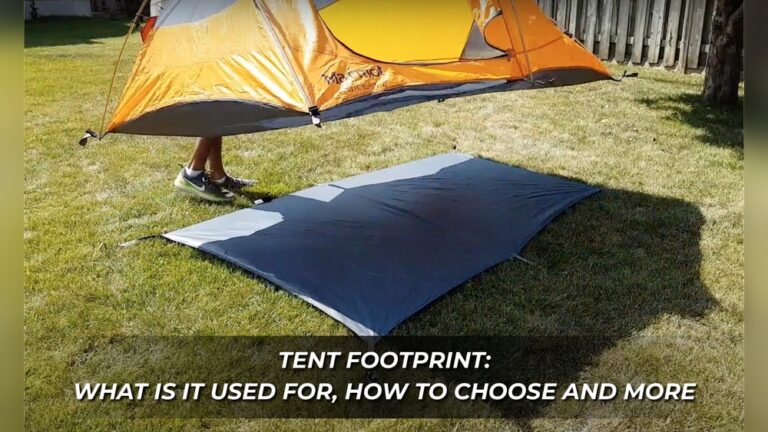
That’s where a tent footprint comes in. It’s a simple piece of gear that can make a huge difference in protecting your tent floor from sharp rocks, moisture, and dirt. Using a tent footprint properly not only keeps your tent cleaner and drier but also helps it last longer.
You’ll discover exactly how to use a tent footprint the right way, so you can enjoy a more comfortable and worry-free camping experience every time you set up your shelter. Keep reading and learn the smart camping trick you didn’t know you needed!
What A Tent Footprint Does
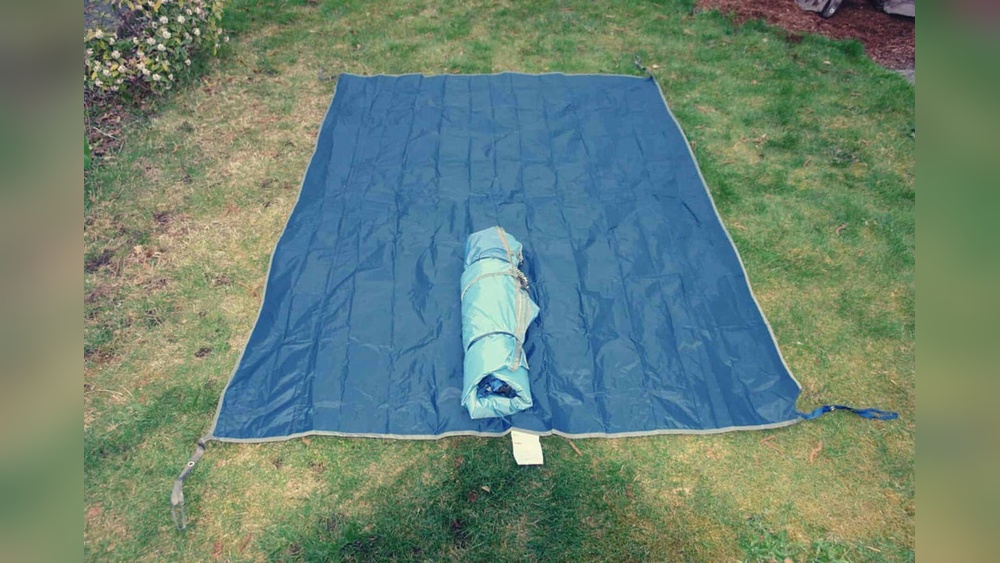
A tent footprint is a simple yet essential accessory for every camper. It sits directly under your tent, serving several important purposes. Understanding what a tent footprint does helps you get the most out of your camping gear. It protects your tent floor, adds a waterproof layer, keeps the tent clean, insulates from the ground, and extends the tent’s life. Each role makes your outdoor experience more comfortable and your tent more durable.
Protecting Tent Floors
The footprint shields your tent floor from sharp objects like rocks and sticks. These items can easily puncture or tear the fabric. By placing the footprint beneath your tent, you create a tough barrier. It absorbs wear and tear from rough ground. This protection keeps your tent floor intact and safe during your trips.
Adding Waterproof Layer
The footprint adds an extra waterproof layer under your tent. It stops moisture from the ground seeping through the tent floor. This helps keep the inside dry, even on damp or wet surfaces. A dry tent means a more comfortable night and fewer problems with mold or mildew.
Keeping Tent Clean
A footprint keeps dirt, mud, and debris away from the tent bottom. This means less cleaning after your trip. Dirt does not stick to the tent floor, making packing up faster and easier. Your tent stays fresh and ready for the next adventure.
Insulating From Ground
The footprint provides a small layer of insulation from cold or damp ground. This helps keep the tent warmer in chilly weather. It creates a barrier that reduces heat loss to the earth. A little extra warmth can make camping more pleasant at night.
Extending Tent Lifespan
Using a footprint reduces damage to the tent floor. Less damage means your tent lasts longer. It protects against abrasion and holes, which often cause tents to fail. Investing in a footprint is an easy way to protect your gear. This saves you money by avoiding repairs or early replacement.
Credit: sectionhiker.com
Materials And Design
The materials and design of a tent footprint play a crucial role in its effectiveness. Choosing the right fabric and shape ensures protection and durability. A well-designed footprint prevents damage to your tent floor and improves camping comfort.
Common Footprint Fabrics
Most footprints use durable, water-resistant fabrics. Nylon and polyester are popular choices due to their light weight and strength. Some use Tyvek, a tough material that repels water but lets moisture escape. These fabrics resist tears and punctures from rocks and sticks.
Matching Tent Floor Shape
Footprints should closely match your tent’s floor shape. Rectangular tents need rectangular footprints, while dome tents fit better with rounded shapes. A well-matched footprint covers the entire tent base without excess material. This prevents water from pooling under the tent walls.
Size Considerations
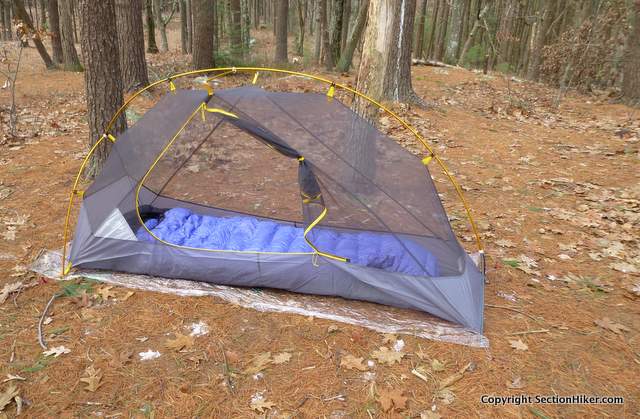
The footprint should be slightly smaller than the tent floor. This design helps rainwater run off instead of collecting beneath the tent. A footprint too large can catch water, leading to leaks inside. Always check the size before buying or cutting your own footprint.
Setting Up A Footprint
Setting up a tent footprint correctly ensures maximum protection and comfort. It creates a barrier between your tent and the ground. This helps avoid damage and keeps the tent clean and dry. Proper setup also extends the life of your tent by reducing wear from rough surfaces.
Positioning Under Tent
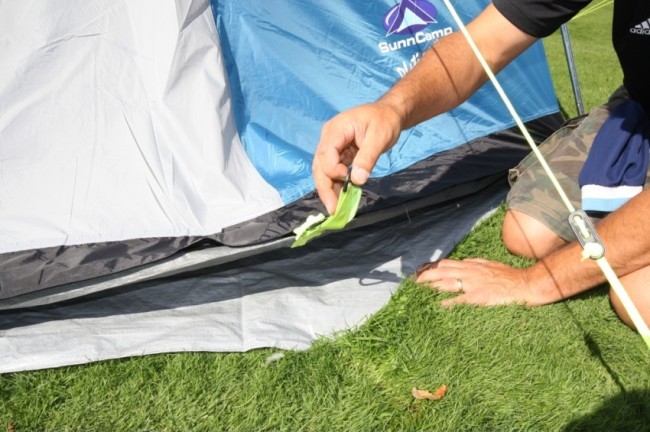
Place the footprint directly under the tent floor. Align it carefully with the tent’s shape and size. Make sure it does not extend beyond the tent edges. A footprint larger than the tent floor can collect water and cause dampness. Position it flat and smooth to avoid wrinkles.
Which Side Faces Ground
Most footprints have a rough or textured side. Place the rough side facing the ground for better grip. The smooth side should face up to protect the tent floor. Check the manufacturer’s instructions for specific details. Correct side placement prevents slipping and improves durability.
Staking And Attachment Tips
Secure the footprint using stakes or tent attachments if available. Attach corners to tent loops for stability. Avoid pulling too tight to prevent tears. Stakes should go through the footprint and into the ground. This keeps the footprint in place during wind or movement.
Footprint Vs Groundsheet
A tent footprint and a groundsheet both protect your tent’s floor but serve different roles. Knowing the difference helps you choose the right one for your trip. Both create a barrier between the tent and the ground, but they vary in material, size, and purpose.
Key Differences
A footprint is custom-made to fit your tent’s exact shape and size. It uses tough, waterproof material to shield the tent floor from sharp rocks and moisture. It also stays slightly smaller than the tent base to avoid collecting rainwater underneath.
A groundsheet is a larger, more general tarp. It often extends beyond the tent edges, offering extra space to sit or store gear. Groundsheet materials vary and may not be as durable or waterproof as footprints.
When To Use Each
Choose a footprint for rough or wet ground. It protects your tent from damage and keeps moisture out. It is best for backpacking or camping where weight and space matter.
Use a groundsheet for casual camping or when extra outdoor space is needed. It can cover a larger area and provide a clean, dry spot outside your tent. Groundsheet suits car camping or short stays.
Choosing The Right Footprint
Choosing the right tent footprint is important for a successful camping trip. The right footprint protects your tent floor from damage and moisture. It also adds comfort and durability. Selecting a footprint means considering several key factors. These include the material, weight, and compatibility with your tent. Each factor affects how well the footprint performs in different conditions. Understanding these points helps you pick the best option for your needs.
Material Durability
Footprints come in different materials like nylon, polyester, and Tyvek. Nylon is strong and resists tears well. Polyester handles sun exposure without fading quickly. Tyvek is lightweight but less durable. Choose a material that can handle rough ground and sharp rocks. A durable footprint lasts many camping trips. It protects your tent floor from punctures and wear. Check for reinforced edges or coatings for extra strength.
Weight And Packability
Weight matters for backpackers and hikers. A heavy footprint adds extra load. Look for lightweight materials that pack small. Thin nylon footprints usually weigh less and fold compactly. Some come with stuff sacks for easy carrying. Keep in mind that very thin materials may tear more easily. Balance weight with durability based on your trip length and type. A compact footprint saves space in your backpack.
Compatibility With Tent
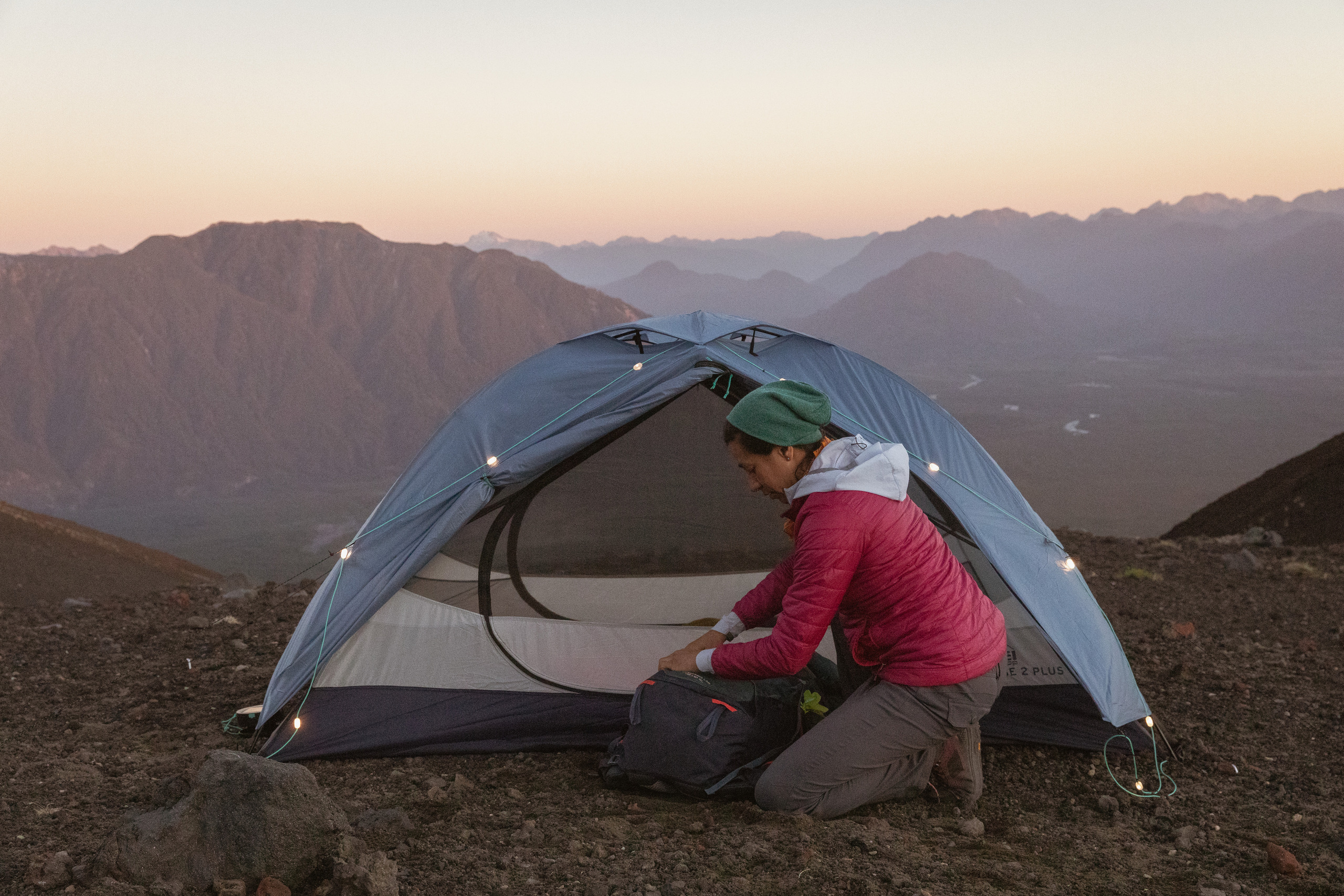
Not all footprints fit every tent. Match the footprint size closely with your tent floor. A footprint too large can collect water under the tent. One too small leaves parts of the floor unprotected. Some brands offer footprints designed for their specific tents. Check the shape and dimensions before buying. Secure attachment points help keep the footprint in place. Proper fit improves water runoff and protects your tent effectively.
Credit: www.rei.com
Footprint Care And Maintenance
Proper care and maintenance of your tent footprint ensures it stays effective and lasts many trips. A well-kept footprint protects your tent floor and keeps your camping experience comfortable. Simple cleaning, careful storage, and timely repairs extend its life and performance.
Cleaning Tips
After each trip, remove dirt and debris from the footprint. Use a soft brush or cloth to gently clean the surface. Wash the footprint with mild soap and lukewarm water if needed. Avoid harsh chemicals or strong detergents that can damage the material. Rinse thoroughly to remove soap residue. Let the footprint air dry completely before packing it away.
Storage Guidelines
Store the footprint in a cool, dry place to prevent mold and mildew. Avoid folding it tightly; instead, roll it loosely to reduce creases. Keep it away from direct sunlight during storage to prevent material weakening. Use a breathable storage bag or container to allow airflow. Check the footprint regularly for any signs of damage or moisture.
Repairing Damage
Inspect the footprint before and after trips for holes or tears. Small punctures can be fixed using repair patches designed for tent materials. Clean the damaged area before applying the patch for better adhesion. Follow the patch instructions carefully to ensure a strong seal. For larger damage, consider professional repair or replacement. Timely repairs keep the footprint reliable and protective.
Common Setup Mistakes
Setting up a tent footprint might seem simple, but many campers make avoidable mistakes. These errors can reduce the footprint’s effectiveness and even damage your tent. Paying attention to common setup problems helps you protect your gear better. Here are some frequent mistakes to watch for.
Footprint Too Large Or Small
Using a footprint that does not fit your tent can cause trouble. A footprint that is too large collects water under your tent. This water can seep inside and make your gear wet. A footprint that is too small leaves parts of your tent floor unprotected. This exposes it to tears and moisture. Always choose a footprint that matches your tent’s base size closely.
Improper Staking
Failing to secure the footprint correctly is another common error. If the footprint is loose, it may shift during wind or rain. This movement can cause wear on the tent floor or let dirt get inside. Staking the footprint at the corners keeps it tight and stable. It also helps water to run off instead of pooling under the tent.
Ignoring Terrain Features
Setting up without checking the ground can cause problems. Rocks, sticks, and roots can puncture your footprint and tent floor. Uneven ground can stress the footprint and tent fabric. Clear the campsite of sharp objects before laying the footprint. Choose a flat, smooth area for better protection and comfort. A good site extends your tent’s life and keeps you dry.
When To Skip Using A Footprint
Knowing when to skip using a tent footprint can save weight and simplify your camping setup. A footprint protects your tent floor from damage and moisture. Still, some conditions make it less necessary or even impractical. Choosing not to use a footprint depends on the surface, your trip style, and weather.
Camping On Soft Surfaces
Soft surfaces like grass or sandy beaches reduce the risk of tent floor damage. These surfaces are gentle and less likely to puncture your tent. The ground is usually dry and clean, so a footprint is less needed. Skipping the footprint on soft ground can save weight and space in your pack.
Minimalist Backpacking
Backpackers often carry only essential gear. Every ounce counts. A footprint adds some weight and bulk to your load. If you camp on well-maintained trails or smooth ground, you might skip the footprint. Use careful tent placement to avoid sharp rocks or sticks. This minimalist approach works best for short trips or light gear setups.
Weather Considerations
Dry weather reduces the need for a waterproof barrier under your tent. If the ground is dry and firm, a footprint may be unnecessary. On the other hand, wet or muddy conditions require a footprint to keep moisture out. Windy weather might cause a loose footprint to flap and create noise. In calm, dry weather, skipping the footprint can make setup faster and quieter.
Benefits For Different Camping Types
Using a tent footprint offers clear benefits across many camping styles. It acts as a shield between your tent and the ground. This simple addition helps protect your tent’s floor and keeps your shelter cleaner and drier. Each camping type gains unique advantages from using a footprint, making it a valuable item in your gear.
Backpacking
Backpackers need to keep their gear light and efficient. A tent footprint is lightweight and adds minimal bulk. It protects the tent floor from sharp rocks and rough terrain. This reduces the chance of tears or holes during long hikes. It also helps keep moisture out, which is key for comfort and warmth. Overall, it extends the life of your tent without extra weight.
Car Camping
Car campers can carry more gear and heavier items. A tent footprint adds an extra layer of protection against wet or dirty ground. It keeps the tent floor clean and dry, making packing up easier. It also prevents damage from sticks, stones, and mud. Since weight is not a concern, car campers can choose thicker, more durable footprints for added comfort and protection.
Extended Expeditions
Long trips require reliable gear that lasts. A tent footprint provides a strong barrier against wear and tear from repeated use. It keeps the tent floor intact despite tough conditions. It also helps insulate against cold, damp earth during extended stays. Using a footprint reduces the need to repair or replace your tent. This reliability is essential for multi-day or remote camping adventures.
Credit: www.winfieldsoutdoors.co.uk
Frequently Asked Questions
What Is The Point Of A Tent Footprint?
A tent footprint protects the tent floor from punctures, moisture, and dirt. It extends tent life and improves comfort.
Which Side Of A Tent Footprint Goes Down?
Place the tent footprint with the waterproof, shiny side down to protect the tent floor from moisture and abrasion.
Does A Tent Footprint Go Inside Or Outside?
A tent footprint goes outside the tent, under the floor. It protects against moisture, abrasion, and dirt, extending tent life.
Do You Stake A Tent Footprint?
Yes, stake a tent footprint to keep it secure and prevent shifting. Attach it to tent corners or use stakes for stability.
Conclusion
Using a tent footprint helps protect your tent’s floor from damage. It keeps moisture and dirt away, making camping more comfortable. The footprint also adds a layer of insulation on cold or wet ground. It is easy to set up and fits just under your tent.
This simple gear piece can save money by extending your tent’s life. Keep your camping trips cleaner and drier with a footprint. It’s a small step that makes a big difference outdoors. Try using one on your next adventure for better protection.