How to Use Tent Stakes: Expert Tips for Secure Camping Setup
When you’re setting up your tent, using tent stakes correctly can make all the difference between a stable shelter and a frustrating, shaky setup. You might think stakes are just simple pins, but how you use them can affect your entire camping experience.
Whether you’re camping in Austin’s soft soil or tackling rocky terrain, knowing how to place and secure your tent stakes will keep your tent steady and safe no matter the weather. Ready to learn the easy steps and smart tricks that will turn you into a pro at staking out your tent?
Keep reading, and you’ll never worry about your tent blowing away again.

Credit: www.thetentlab.com
Choosing Tent Stakes
Choosing the right tent stakes is key to a secure camping setup. Stakes hold your tent firmly on the ground. Picking the wrong ones can lead to poor stability. It is important to understand the different types, materials, sizes, and shapes available. This helps you select stakes that fit your camping needs and environment.
Types Of Stakes
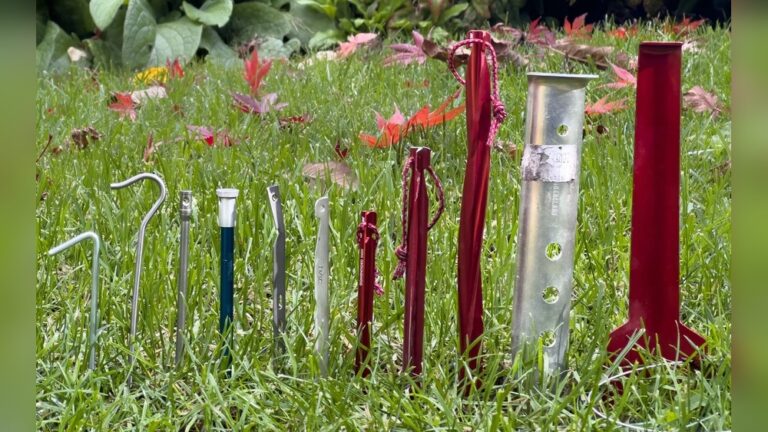
Tent stakes come in many types. Common ones include pin stakes, V-shaped stakes, and spiral stakes. Pin stakes work well in soft soil. V-shaped stakes offer good strength in most terrains. Spiral stakes screw into the ground for strong hold on loose soil or sand. Choose the type based on the ground where you camp.
Material Considerations
Stakes are made from various materials. Aluminum stakes are light and rust-resistant. Steel stakes are heavier but very durable. Plastic stakes are lightweight and cheap but less strong. Titanium stakes combine lightness and strength but cost more. Match the stake material to your camping style and conditions.
Stake Size And Shape
Length and shape affect stake performance. Longer stakes hold better in loose or sandy soil. Short stakes work fine on hard or rocky ground. Shapes like flat, round, or hooked tips affect how easily you drive them in and how well they hold. Pick stake size and shape for easy use and strong grip.
Credit: www.partytentsdirect.com
Preparing The Ground
Preparing the ground is a key step before placing tent stakes. It ensures the stakes hold firmly. Proper preparation prevents your tent from shifting or collapsing. Take time to ready the soil for the best results. Follow these simple steps to prepare your camping spot.
Clearing Debris
Remove sticks, rocks, and leaves from the area. Clear a flat space where the stakes will go. Debris can block the stakes or cause damage. A clean ground surface helps stakes drive in straight and deep. This step makes setting up faster and easier.
Assessing Soil Type
Check if the soil is soft, hard, or sandy. Soft soil needs longer or sturdier stakes for hold. Hard soil may require a hammer or mallet to drive stakes. Sandy soil can cause stakes to slip; use wider or special stakes. Knowing soil type helps pick the right stakes and tools.
Dealing With Rocky Terrain
Look for a spot with fewer rocks to place stakes. If rocks are present, try to push stakes between them. Use a hammer or rock to tap stakes firmly into cracks. Avoid bending stakes by forcing them over large stones. Rocky ground needs patience and care for secure anchoring.
Positioning Tent Stakes
Positioning tent stakes correctly is key to a stable and safe campsite. Proper placement keeps your tent secure against wind and weather. Stakes hold the tent fabric tight and prevent movement. Understanding where and how to place them makes setup faster and more effective.
Good stake positioning also helps avoid damage to your tent or the stakes themselves. It improves overall comfort inside the tent by reducing flapping and sagging. Small changes in stake placement can make a big difference in tent performance.
Locating Guy Line Points
Guy line points are spots on your tent designed for staking. These points help spread tension evenly across the tent fabric. Find the loops or rings at tent corners and midpoints. Mark these points before placing stakes for quick setup. Properly located guy line points increase tent stability in wind.
Optimal Stake Placement
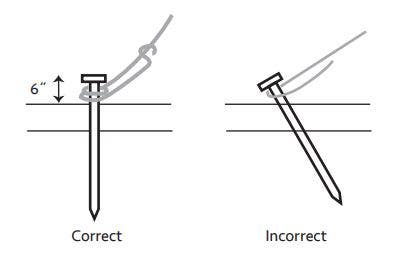
Place stakes about 6 to 12 inches from the tent edge or guy line point. This distance provides strong hold without pulling fabric too tight. Push stakes deep into the soil to resist force better. Avoid placing stakes in loose or rocky soil where they can pull out easily. Use firm ground for the best grip.
Angle Vs Vertical Insertion
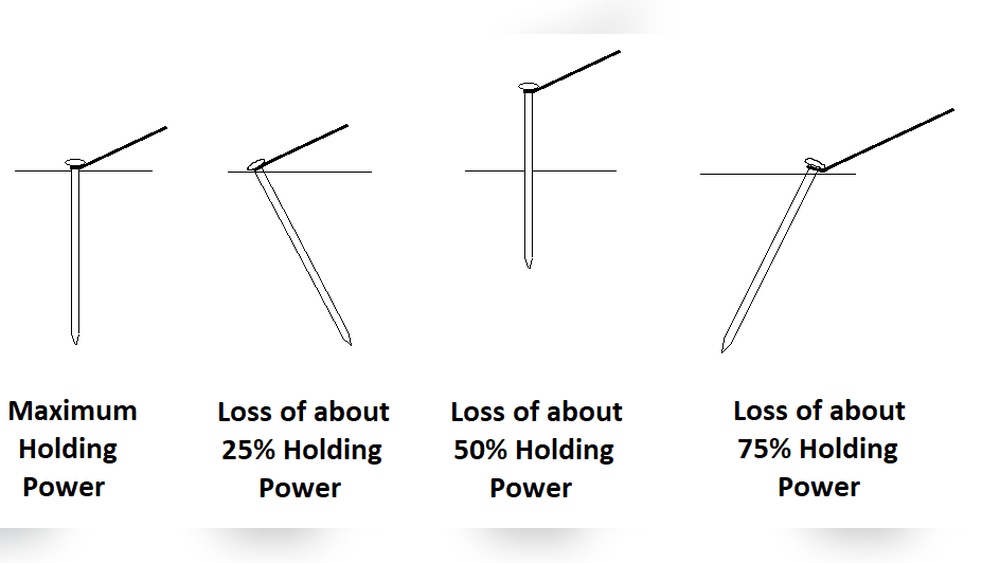
Insert stakes at a slight angle away from the tent, about 45 degrees. Angled stakes hold better by resisting pull from the tent lines. Vertical insertion works in very hard soil but offers less resistance to tension. Angle stakes to improve grip and keep your tent anchored during strong winds.

Credit: www.garagegrowngear.com
Inserting Tent Stakes
Inserting tent stakes properly ensures your tent stays secure. Correct placement and depth keep the tent stable against wind and rain. This section explains how to insert tent stakes effectively in different soil types and how to increase their holding power.
Tools For Driving Stakes
Use a mallet or a hammer to drive tent stakes into the ground. A rubber mallet prevents damage to the stakes. In soft soil, you might push the stakes by hand. Hard soil requires more force, so use a hammer or a sturdy rock. Avoid using sharp or metal tools that can bend or break the stakes.
Techniques For Hard And Soft Soil
In soft soil, insert the stake at a 45-degree angle away from the tent. Push it deep enough to hold firmly but avoid hitting rocks. For hard soil, tap the stake gently at first to avoid bending. Use steady, firm strikes until the stake is securely in the ground. Angle stakes the same way as in soft soil to improve grip.
Using Rocks For Extra Hold
Place rocks around the base of the stakes for extra grip in loose or sandy soil. Large, flat rocks work best to press the stake down. This helps prevent the stake from pulling out during strong winds. You can also lay rocks on the tent’s guy lines near the stakes for added tension and support.
Securing Guy Lines
Securing guy lines is key to keeping your tent stable and safe. These lines stretch from your tent to the ground. They hold the tent steady against wind and weather. Using tent stakes properly ensures the guy lines stay tight and secure. This section explains how to attach, knot, and adjust these lines.
Attaching Lines To Stakes
First, tie your guy line to the stake’s loop or head. Make sure the connection is firm but easy to adjust. Place the stake at a good angle, usually about 45 degrees from the tent. Push or hammer the stake into the ground until it is deep and steady. This holds the guy line tight and stops the stake from pulling out.
Effective Knot Tying
Use simple knots that hold well under tension. The taut-line hitch is a popular choice because it slides to tighten but stays in place. Another good option is the bowline knot, which creates a fixed loop. Avoid knots that slip or are hard to untie. Practice tying these knots before camping to save time.
Adjusting Line Tension
Check the tension on each guy line after setting up. Tighten the line by sliding the knot or pulling the line through the stake loop. Keep the line firm but not too tight to avoid damage. If the ground is soft, check the stakes often to prevent loosening. Proper tension keeps your tent firm and safe in wind.
Staking In Different Conditions
Using tent stakes properly depends on the ground type where you camp. Different soils need different staking techniques. This ensures your tent stays secure and safe during your outdoor stay.
Hard Soil And Rocky Ground
Hard soil and rocky ground make staking tough. Use a hammer or mallet to drive stakes deep. Choose strong metal stakes that resist bending. Angle stakes slightly to avoid hitting rocks. If rocks block the path, try new spots nearby. Use shorter stakes for better grip in tough spots.
Sandy Terrain Strategies
Sandy ground offers poor hold for regular stakes. Use longer, wider stakes or sand-specific anchors. Bury stakes horizontally under the sand for stronger hold. You can also use bags filled with sand as anchors. Tighten tent lines often to prevent loosening. Check stakes regularly to keep the tent stable.
Snow And Ice Anchors
Snow and ice need special anchors to hold tents well. Use snow stakes or deadman anchors buried horizontally. Pack snow firmly around the stakes for extra grip. Ice screws also work well on frozen surfaces. Keep tent lines tight and check anchors during temperature changes. This prevents tents from slipping or collapsing.
Common Mistakes To Avoid
Using tent stakes properly keeps your tent stable and safe. Avoiding common mistakes helps you set up your tent quickly and securely. Many campers make errors that weaken the hold of their stakes. Knowing these mistakes can save you frustration and keep your shelter strong.
Incorrect Stake Angles
Driving stakes straight down or at a sharp angle reduces their grip. The best angle is about 45 degrees, leaning away from the tent. This angle helps the stake resist pull from the tent’s guy lines. Stakes pushed in too shallow or too vertical can pull out easily in wind.
Loose Guy Lines
Guy lines must be tight to hold the tent firmly. Loose lines allow the tent to flap and shift in wind. Check and tighten lines after staking. Use tensioners or knots that do not slip. Loose guy lines put extra stress on stakes and may cause them to fail.
Ignoring Weather Factors
Weather changes affect how well stakes hold. Soft or wet soil offers less resistance to stakes. Windy conditions increase pressure on stakes and lines. Adjust stake placement and depth based on ground and weather. Use longer or stronger stakes in bad weather to prevent tent collapse.
Maintenance And Storage
Proper maintenance and storage of tent stakes increase their lifespan. Well-kept stakes perform better and prevent camping delays. Taking time to care for your stakes saves money and effort later.
Cleaning, inspecting, and storing stakes correctly keeps them ready for your next trip. Follow simple steps to keep your gear in top shape.
Cleaning Stakes After Use
Remove dirt and mud from stakes after each use. Use water and a soft brush for cleaning. Avoid harsh chemicals that can damage metal or plastic. Dry stakes thoroughly to stop rust and corrosion.
Checking For Damage
Look for bends, cracks, or breaks in the stakes. Bent stakes may not hold well in the ground. Replace any damaged stakes to avoid failures. Check the sharpness of the tips and straighten if needed.
Proper Storage Tips
Store stakes in a dry place to prevent rust. Use a dedicated bag or container to keep them organized. Avoid leaving stakes in wet or damp conditions. Keep stakes separated from heavy tools to prevent bending.
Frequently Asked Questions
How To Correctly Use Tent Stakes?
Drive tent stakes straight into clear ground at a slight angle away from the tent. Use a mallet for hard soil. Attach guy lines securely and tighten knots. Place rocks over stakes in loose soil to prevent pulling out. Ensure stakes hold firmly for stable tent setup.
Should Tent Stakes Be Vertical Or Angled?
Tent stakes should be driven into the ground at a 45-degree angle away from the tent. This ensures maximum holding power and prevents easy pull-out. Vertical placement offers less resistance, while angled stakes secure the tent better under tension.
Do You Need A Hammer For Tent Stakes?
A hammer helps drive tent stakes into hard or rocky ground. In soft soil, push stakes by hand or use a rock instead. Using a hammer ensures stakes hold firmly and prevent tent movement during wind or rain.
How To Tie Tent To Stakes?
Tie the tent to stakes by looping the guy line around the stake twice. Pass the line under and through the loop, then tighten firmly. This secures the tent and prevents slipping.
Conclusion
Using tent stakes correctly keeps your tent safe and stable. Always push stakes deep into the ground. Angle them slightly away from the tent for better hold. Use a hammer or rock on hard soil. Secure the tent lines tightly to the stakes.
Check stakes often during windy weather. Proper staking helps prevent damage and keeps you comfortable. Practice these simple steps before your next camping trip. Your tent will stand firm no matter the conditions. Happy camping!