How to Use Ultralight Tent: Expert Tips for Effortless Camping
You’ve got your ultralight tent ready, but do you know how to make the most of it? Using an ultralight tent isn’t just about saving weight; it’s about setting up quickly, staying comfortable, and protecting yourself from the elements with ease.
Whether you’re new to ultralight backpacking or looking to improve your setup skills, this guide will walk you through everything you need to know. From choosing the perfect spot to pitching your tent like a pro, you’ll learn simple, effective steps that save time and energy.
Stick with me, and soon you’ll handle your ultralight tent confidently on every adventure.
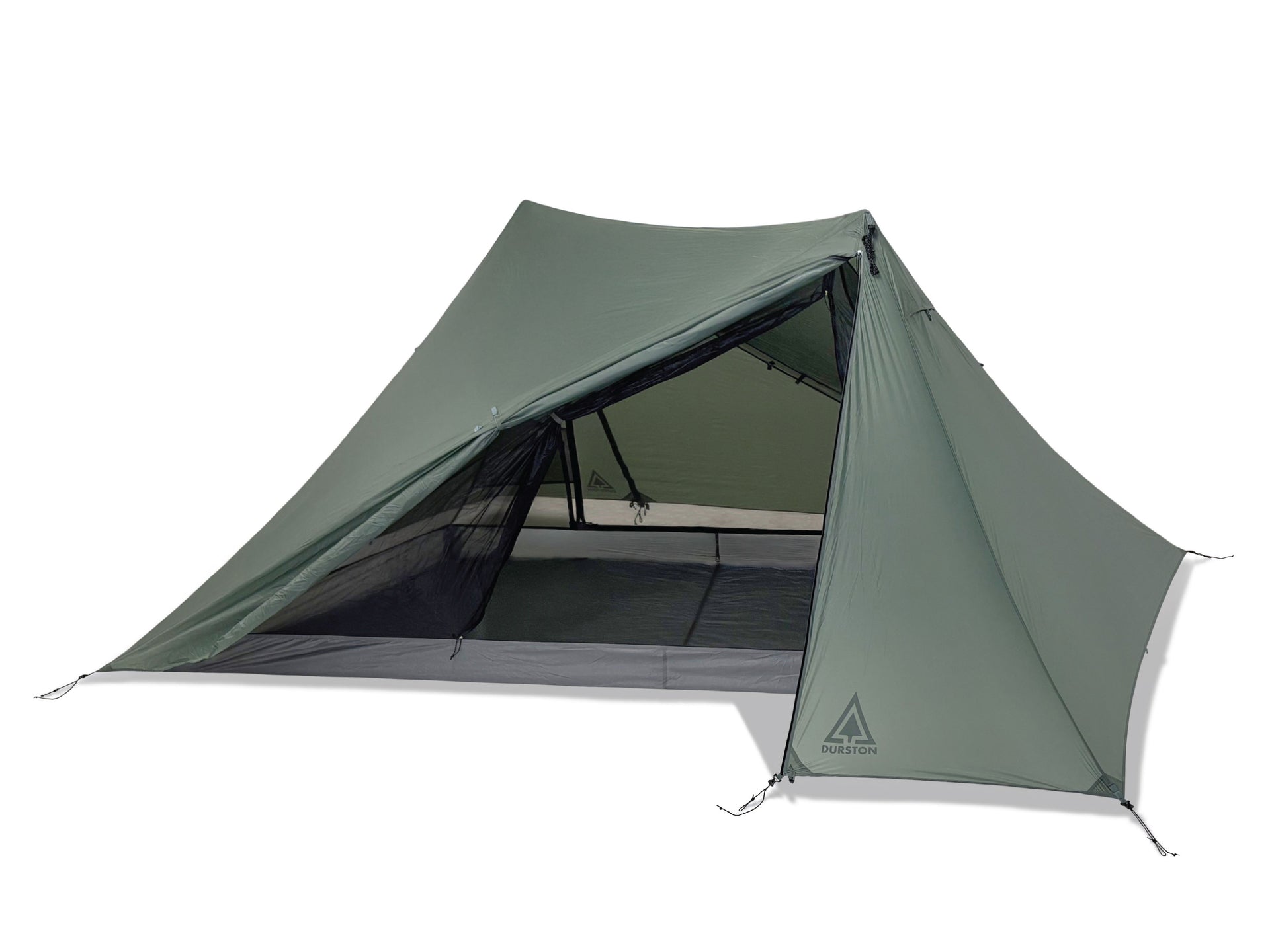
Credit: durstongear.com
Choosing Ultralight Tents
Choosing the right ultralight tent is key for a comfortable outdoor trip. It affects how easy you carry your gear and how well you stay protected. Consider your needs carefully. Think about weight, materials, setup style, and weather conditions. These factors help you pick a tent that fits your adventure.
Weight Classes And Materials
Ultralight tents usually weigh less than 3 pounds. Some are as light as 1 to 2 pounds. Lighter tents use special materials like silnylon or Dyneema. These fabrics are thin but strong. They resist water and tears well. Keep in mind, lighter materials can be more delicate. Choose a tent that balances weight with durability.
Freestanding Vs Non-freestanding
Freestanding tents stand up on their own with poles. They are easy to set up anywhere. You can move them without taking the poles down. Non-freestanding tents need stakes and guy lines for support. They often use trekking poles to save weight. These tents are lighter but need good ground to pitch. Choose based on your setup preference and terrain.
Seasonal Considerations
Seasonal tents suit different weather conditions. Three-season tents handle spring, summer, and fall well. They protect from rain and light snow. Four-season tents are stronger for winter storms and heavy snow. Ultralight winter tents are rare and usually heavier. Match your tent to the season and climate of your trip. This ensures safety and comfort outdoors.
Selecting Campsite
Selecting the right campsite is key for a great ultralight tent experience. A good spot keeps you safe and comfortable. It also protects your tent from damage. Spend time choosing a place that fits your needs. This helps you rest better and enjoy nature more.
Here are important factors to consider when picking your campsite for an ultralight tent.
Flat And Debris-free Ground
Pick a flat area to set up your tent. Flat ground stops you from sliding while you sleep. Clear away sticks, rocks, and sharp objects. These can hurt the tent floor or make sleeping hard. A smooth surface protects your gear and keeps you comfy all night.
Avoiding Hazards
Check for hazards before pitching your tent. Avoid spots under dead branches or unstable trees. These can fall and cause injury. Steer clear of low spots where water pools after rain. Flooded areas ruin your gear and make camping cold and wet. Look up and around for any dangers.
Maximizing Shelter Protection
Choose a spot that blocks wind and weather. Use natural features like hills, rocks, or bushes as shields. Position your tent so the door faces away from the wind. This keeps rain and cold air out. Proper placement helps your ultralight tent stay stable and dry.
Setting Up The Tent
Setting up an ultralight tent correctly ensures comfort and protection. This process is quick with practice. Focus on each step to avoid mistakes. Prepare your campsite before unpacking the tent.
Laying The Footprint
Place the footprint on the chosen flat area. This protects the tent floor from sharp objects. Spread it evenly to cover the entire tent base. Smooth out wrinkles to prevent discomfort underfoot. Secure it with stakes or rocks to keep it in place.
Using Trekking Poles As Supports
Use your trekking poles instead of extra tent poles. Adjust the poles to the correct height. Insert the tips into the grommets or pole pockets. Raise the tent by extending the poles slowly. Ensure the tent is taut but not overstretched.
Staking Techniques
Stake the tent corners first to set the shape. Push stakes at a 45-degree angle away from the tent. Use guy lines to add tension for stability. Tighten lines evenly to avoid sagging. Check stakes regularly to keep the tent secure.
Attaching The Rainfly
Place the rainfly over the tent body carefully. Align it so doors and vents match. Clip or tie the rainfly to the tent frame. Stake out the rainfly’s vestibules for extra space. Ensure no gaps remain to keep rain out.

Credit: www.garagegrowngear.com
Ventilation And Moisture Control
Proper ventilation and moisture control are vital when using an ultralight tent. These tents are designed to be lightweight and compact, but they can trap moisture inside if not set up correctly. Moisture buildup leads to condensation, making the tent damp and uncomfortable. Good airflow helps reduce this problem and keeps the interior dry.
Ventilation also improves air quality and reduces stuffiness inside the tent. Managing airflow and moisture prevents mold and prolongs the tent’s life. Here are simple steps to enhance ventilation and control moisture in your ultralight tent.
Using Ridge Vents
Ridge vents are small openings along the tent’s highest part. They allow warm, moist air to escape naturally. Most ultralight tents include ridge vents or mesh panels near the top. Keep these vents open during use.
Position the tent so the ridge vent faces away from the wind. This helps air flow through and carries moisture out. Avoid blocking ridge vents with gear or clothing. This simple step improves airflow and reduces condensation.
Avoiding Condensation
Condensation forms when warm air meets cold tent fabric. To avoid it, keep the tent well ventilated. Open doors or mesh windows slightly, even if it is cold outside.
Do not cook or breathe directly inside the tent. This adds moisture to the air. Use a small towel to wipe any water droplets inside the tent regularly. Also, set up the tent on dry ground to minimize moisture.
Managing Tarps And Covers
Tarps provide extra protection but can trap moisture if placed too close. Leave space between the tarp and tent for air to circulate. Avoid wrapping the tarp tightly around the tent.
Use breathable tarp materials when possible. Check that rainwater drains away from the tent and tarp. Proper tarp setup keeps your ultralight tent dry and comfortable.
Optimizing Space And Storage
Optimizing space and storage in an ultralight tent is key for a comfortable camping experience. With limited room, smart organization helps you keep gear accessible and the tent clutter-free. Efficient use of every inch inside and outside the tent makes your trip easier and more enjoyable.
Organizing Gear Inside
Place essential items within arm’s reach. Use mesh pockets and gear lofts for small gear like headlamps, phones, and snacks. Store bulky items at the tent’s edges to keep the center clear. Keep wet or dirty gear outside or in vestibules to protect the sleeping area.
Using Vestibules Effectively
Vestibules provide extra covered space outside your tent. Store backpacks, boots, and cooking gear here to keep dirt out. Use waterproof stuff sacks to protect gear in wet weather. Keep frequently used items in vestibules for quick access without entering the tent.
Packing Tips
Pack light and avoid overloading your tent. Use compression sacks to reduce bulk and save space. Organize gear by size and weight, placing heavier items at the bottom. Pack gear in dry bags to prevent moisture damage. Arrange gear systematically to make setup and teardown faster.

Credit: hyperlitemountaingear.com
Maintaining Tent Durability
Maintaining the durability of your ultralight tent ensures many safe and comfortable nights outdoors. Taking care of the tent fabric and structure extends its life. Simple habits in handling, cleaning, and repairing keep your tent strong. Below are key tips to protect and maintain your ultralight tent.
Protecting Fabric From Damage
Always pick a clean, flat spot for pitching your tent. Remove sharp stones and sticks that can tear the fabric. Use a footprint or groundsheet under your tent to reduce abrasion. Avoid dragging the tent on rough surfaces. Keep the tent away from open flames and sparks. Store the tent dry and folded loosely to avoid stress on the fabric.
Proper Cleaning And Drying
Clean your tent after every trip to remove dirt and grime. Use a soft brush or sponge with mild soap and water. Do not use harsh detergents or bleach. Rinse thoroughly with clean water. Dry the tent completely before packing it away to stop mold and mildew. Hang it in a shaded, ventilated area for drying. Avoid direct sunlight for long periods to prevent fabric fading.
Repair Tips On The Trail
Carry a small repair kit with patches, tape, and seam sealer. Fix holes and tears immediately to prevent them from growing. Use tent repair tape for quick fixes on the fabric. Apply seam sealer on any loose or damaged seams. Replace broken zippers or poles with spares if possible. Regularly check your tent for damage during your trip.
Advanced Tips
Ultralight tents offer great convenience on the trail, but using them well requires skill. Advanced techniques improve comfort and safety during your trip. These tips help you handle tough weather, keep your tent stable, and use a stove inside safely.
Adjusting For Wind And Weather
Place your tent with the smallest side facing the wind. This reduces pressure on the fabric and poles. Tighten all tent lines and stakes to prevent flapping. Check the weather forecast and prepare for rain or sun. Use a footprint or groundsheet to protect the tent floor from wet ground. Open vents slightly to reduce condensation inside the tent.
Using Guy Lines For Stability
Guy lines add strength to your tent structure. Attach them to reinforced loops and stake them out at an angle. Keep the lines taut but avoid overstretching. Use reflective guy lines for visibility at night. Adjust the tension as needed during the night to maintain stability. Properly secured guy lines help the tent resist strong winds and keep its shape.
Incorporating Stove Use Safely
Use a stove designed for indoor tent use or with proper ventilation. Always keep the stove away from tent walls and flammable materials. Open a vent or door slightly to allow fresh air inside. Never leave the stove unattended while burning. Store fuel safely outside the tent or in a ventilated container. Follow all manufacturer instructions to avoid accidents.
Frequently Asked Questions
What Tent Weight Is Considered Ultralight?
Ultralight tents typically weigh under 3 pounds (1. 36 kg). This weight allows easy carrying for backpackers and hikers.
Can I Just Throw A Tarp Over My Tent?
Yes, you can throw a tarp over your tent. Proper setup prevents moisture buildup and protects from rain and sun.
How To Keep A Tent Stove Burning All Night?
Fill the stove fully, use long-burning wood, and close the damper to lower the fire. Check occasionally to add small wood pieces. Maintain airflow to avoid smothering the fire. This keeps the stove smoldering safely all night.
How Do I Place My Fallout 1st Tent?
Choose a flat, debris-free spot. Deploy the tent base, insert poles, and secure stakes tightly. Attach the rainfly for weather protection.
Conclusion
Using an ultralight tent makes hiking easier and more enjoyable. Choose a flat, clear spot to set it up. Secure the tent well with stakes and poles for stability. Always check the weather before camping to stay safe. Practice setting up your tent at home to save time outdoors.
Keep your gear organized inside for quick access. With these tips, you will camp comfortably and travel light. Enjoy your adventures with confidence and ease.