Layering for Outdoor Activities: Ultimate Guide to Stay Warm & Dry
When you head outdoors, the weather can change faster than you expect. You might start your adventure feeling comfortable, but soon find yourself too hot, cold, or wet.
That’s where layering for outdoor activities becomes your best friend. By mastering the simple art of layering, you gain control over your comfort and safety no matter what nature throws at you. Imagine being able to easily adjust your clothing to stay warm, dry, and energized from start to finish.
Ready to learn how to dress smart and enjoy every moment outside? Let’s dive into the essential layering tips that will transform your outdoor experience.
Credit: www.finetrackglobal.com
Layer Basics
Layering is key to staying comfortable during outdoor activities. It helps control your body temperature and keeps you dry. Choosing the right layers is simple once you understand their roles and materials. Here is a guide to get you started with layering basics.
Role Of Each Layer
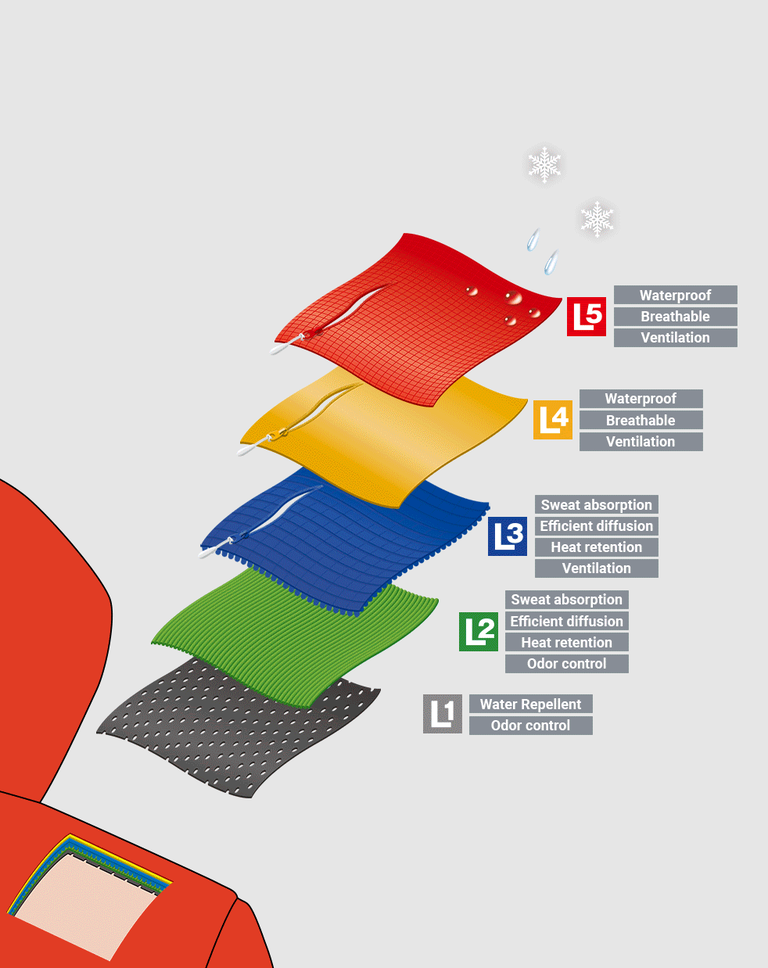
The base layer sits closest to your skin. It moves sweat away to keep you dry. The middle layer traps heat and provides insulation. The outer layer protects against wind, rain, and snow. Each layer works together to keep you warm and comfortable.
Avoiding Cotton
Cotton holds moisture and dries very slowly. This can make you cold and uncomfortable. Avoid cotton clothing for outdoor activities. Choose materials that dry quickly and keep you warm even when wet.
Material Choices
Synthetic fabrics like polyester are lightweight and dry fast. Wool, especially merino wool, keeps warmth even when damp. Fleece is a great insulating middle layer. Outer layers should be waterproof and breathable to block weather but allow sweat to escape.
Choosing Base Layers
Choosing the right base layer is key for comfort in outdoor activities. Base layers sit closest to your skin. They control moisture and keep you warm or cool. Picking the right material and fit makes a big difference. Your base layer should manage sweat well. It should also feel good on your skin to avoid irritation. This section breaks down the main points to consider.
Wool Vs Synthetic
Wool, especially merino wool, is soft and warm. It keeps you dry by absorbing moisture. Wool also resists odors, so it stays fresh longer. Synthetic fabrics dry faster than wool. They are lighter and often cheaper. Synthetics work well in very wet conditions. Both wool and synthetic have strong benefits. Choose based on your activity and weather.
Moisture Wicking
A good base layer pulls sweat away from your skin. This helps keep you dry and warm. Wet skin cools down fast and causes discomfort. Materials with moisture-wicking properties improve your comfort. Look for fabrics designed to move moisture to the outer layers. This helps prevent chills and keeps your body temperature steady.
Fit And Comfort
Your base layer should fit snugly but not be tight. A close fit helps move moisture efficiently. Loose layers let cold air in, reducing warmth. Soft fabrics reduce chafing on long hikes or runs. Stretchy materials allow better movement. Comfort and fit are just as important as fabric choice. Try different options to find what feels best.
Midlayer Options
The midlayer plays a key role in outdoor layering. It traps body heat and keeps you warm. Choosing the right midlayer depends on activity and weather. Good midlayers balance warmth, breathability, and comfort. They fit between your base layer and outer shell. This section covers common midlayer options to help you stay comfortable outdoors.
Insulation Types
Insulation materials vary in weight and warmth. Down insulation is light and very warm. It compresses easily for packing. Synthetic insulation works well when wet. It dries faster and keeps warmth even if damp. Insulation types differ in cost and care needs. Pick insulation based on weather, activity, and budget.
Fleece Jackets
Fleece jackets are popular midlayers for many outdoor activities. They are soft, warm, and dry quickly. Fleece breathes well, reducing sweat build-up. Jackets come in different thicknesses and weights. Lightweight fleece works for mild conditions. Heavy fleece suits colder weather. Fleece is easy to move in and layers well under shells.
Soft-shell Benefits
Soft-shell jackets offer warmth and weather resistance. They block wind and repel light rain. Soft-shells stretch, providing good mobility. This makes them ideal for active outdoor sports. They are more durable than fleece but less warm than insulated jackets. Soft-shells combine protection and comfort in one layer. Perfect for variable weather and high-energy activities.
Outer Layer Essentials
The outer layer is the last shield against harsh weather. It protects from rain, wind, and snow. Choosing the right outer layer keeps you dry and comfortable outdoors. This layer must balance protection with comfort for active adventures.
Good outerwear helps regulate body temperature and prevents heat loss. It must be durable and fit well over other layers. Here are key features to consider for your outer layer essentials.
Waterproof Shells
Waterproof shells stop rain and snow from soaking your clothes. They keep you dry during wet weather. Look for materials with waterproof ratings and sealed seams. Lightweight shells are easy to carry and wear. Durable fabrics protect against rough terrain and branches.
Breathability Features
Breathability lets sweat escape while blocking rain and wind. This prevents overheating and dampness inside your jacket. Ventilation zippers and breathable fabrics improve airflow. Good breathability keeps you dry and comfortable during intense activity.
Wind Protection
Windproof outer layers block cold air from reaching your skin. They reduce heat loss and keep you warm. Fabrics with wind-resistant coatings work best. A close fit around the cuffs and neck stops drafts. Wind protection is crucial in open, exposed areas.
Adjusting Layers
Adjusting layers during outdoor activities helps keep you comfortable and protected. Weather and body heat change often. Adding or removing layers lets you control your temperature easily. This skill prevents overheating and chills. It also helps you stay dry and energized throughout your adventure.
Managing Sweat
Sweating cools your body but can make you cold later. Wear a base layer that moves sweat away from your skin. Synthetic or wool fabrics work best. Avoid cotton because it holds moisture. Remove or loosen layers if you sweat too much. This stops damp clothes from chilling you.
Temperature Changes
Temperature can drop or rise quickly outdoors. Carry extra layers to add when cold. Take off layers to cool down. Use a breathable jacket for wind and rain. Watch the sky and feel your skin often. Adjust layers before you get too hot or cold. This keeps your body stable and safe.
Activity Level Tips
Your body heat changes with how hard you work. Slow down? Add a layer to stay warm. Speed up? Remove layers to avoid sweating. Choose clothes that are easy to put on and take off. Plan your layers before starting the activity. This helps you stay comfortable no matter your pace.
Layering For Different Activities
Layering adapts to many outdoor activities. Each sport needs specific clothing choices. Correct layering keeps you comfortable and safe. It controls body temperature and moisture well. Understanding the demands of your activity helps you pick the right layers.
Hiking Strategies
Hiking requires flexible layers for changing weather. Start with a moisture-wicking base to keep dry. Add an insulating layer for warmth in cool weather. Use a lightweight, breathable shell to block wind and rain. Adjust layers as you climb or rest. Carry extra layers in your pack for safety.
Winter Sports
Winter sports need extra insulation and protection. Choose a thermal base layer to keep heat close. Add a thick mid-layer like fleece or down. Use a waterproof, windproof outer shell to block harsh elements. Gloves, hats, and neck gaiters are essential. Layers must allow freedom of movement.
Backcountry Adventures
Backcountry trips demand durable, versatile layers. Base layers should manage sweat to avoid chills. Mid-layers must provide warmth and compress easily. Outer layers need to resist wind, rain, and snow. Pack layers that dry quickly and weigh little. Layering helps adapt to remote, unpredictable conditions.
Layering By Weather
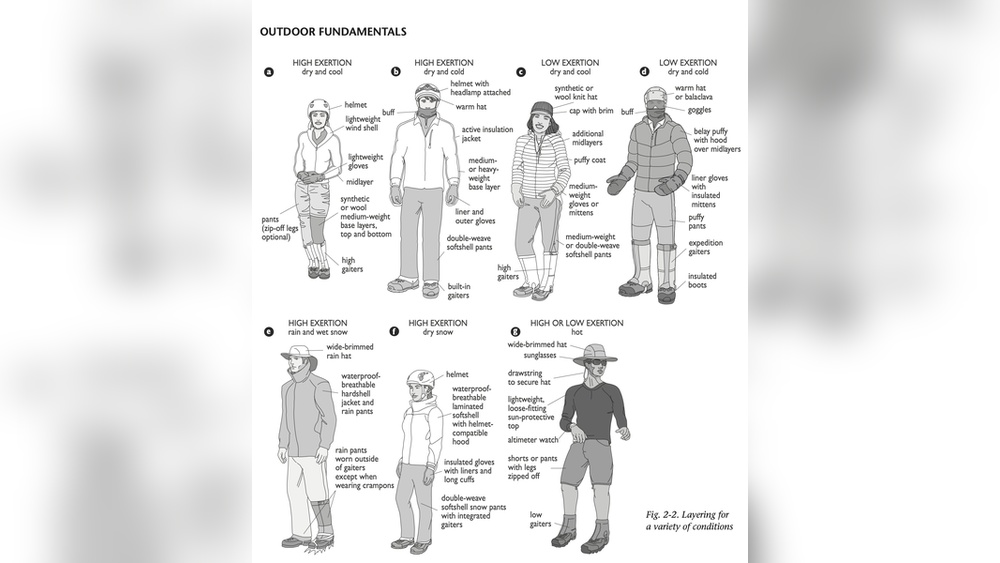
Layering by weather helps you stay comfortable and safe outdoors. Different weather conditions need different layering strategies. Adjust your clothing to match the temperature and precipitation. This keeps your body dry and warm without overheating.
Cold Weather Chart
In cold weather, start with a moisture-wicking base layer. Add an insulating middle layer like fleece or down. Finish with a windproof and waterproof outer shell. Use gloves, hats, and warm socks to protect extremities. Layering traps heat and blocks cold air effectively.
Rainy Conditions
Waterproof layers are essential in rainy weather. Begin with quick-drying base layers to keep sweat away. Add a breathable rain jacket or shell to repel water. Avoid cotton because it holds moisture and cools you down. Waterproof pants and covers for your shoes keep you dry.
Warm Weather Layering
Wear light and breathable base layers in warm weather. Use loose-fitting clothing to allow air circulation. Carry a lightweight jacket for cooler mornings or evenings. Choose fabrics that dry quickly to manage sweat. Layering helps you adapt to changing temperatures easily.

Credit: terradrift.com
Additional Tips
Extra care helps you stay comfortable and safe outdoors. Small actions make a big difference. Prepare well to enjoy your adventure without stress.
Eating And Hydrating
Eat small snacks often to keep energy up. Choose foods that are easy to carry and eat on the move. Drink water regularly, even if you don’t feel thirsty. Staying hydrated helps keep your body temperature steady. Avoid sugary drinks that can cause energy crashes.
Packing Extra Layers
Bring more layers than you think you need. Weather can change quickly outdoors. Pack thin, light layers that fit easily in your bag. Extra gloves, hats, and socks can help if you get cold. Store layers where you can reach them fast.
Layer Maintenance
Keep your layers clean and dry for best performance. Wet clothes lose warmth and can cause chills. Air out sweaty layers during breaks to reduce moisture. Repair tears or loose seams before your trip. Proper care extends the life of your gear and keeps you comfortable.
Credit: www.finetrackglobal.com
Frequently Asked Questions
How To Layer For The Outdoors?
Start with a moisture-wicking base layer, add an insulating mid-layer, and finish with a waterproof, breathable outer shell. Adjust layers to stay dry and comfortable.
What Is The 3 Layer Rule For Winter?
The 3 layer rule for winter includes a moisture-wicking base layer, an insulating middle layer, and a waterproof outer layer. This system keeps you warm, dry, and comfortable in cold weather. Adjust layers based on activity and temperature for optimal protection.
What Is The 3 Layer Rule For Hiking?
The 3 layer rule for hiking includes a moisture-wicking base layer, an insulating middle layer, and a waterproof outer layer. This system regulates body temperature and keeps you dry. Layering lets you adjust clothing easily based on weather and activity levels.
How To Dress For Outdoor Activity?
Wear moisture-wicking base layers, insulating mid-layers, and waterproof outer layers. Choose breathable, weather-appropriate fabrics. Dress in layers to adjust comfort easily. Select sturdy shoes and accessories like hats or gloves based on the activity and climate.
Conclusion
Layering keeps you comfortable in changing outdoor weather. Start with a base layer that wicks sweat. Add an insulating layer to keep warmth in. Top it with a waterproof shell to block wind and rain. Adjust layers as you move or as temperatures shift.
This simple system helps you enjoy your outdoor activities safely. Remember, good layering prevents overheating and chills. Prepare well and stay active longer outside.